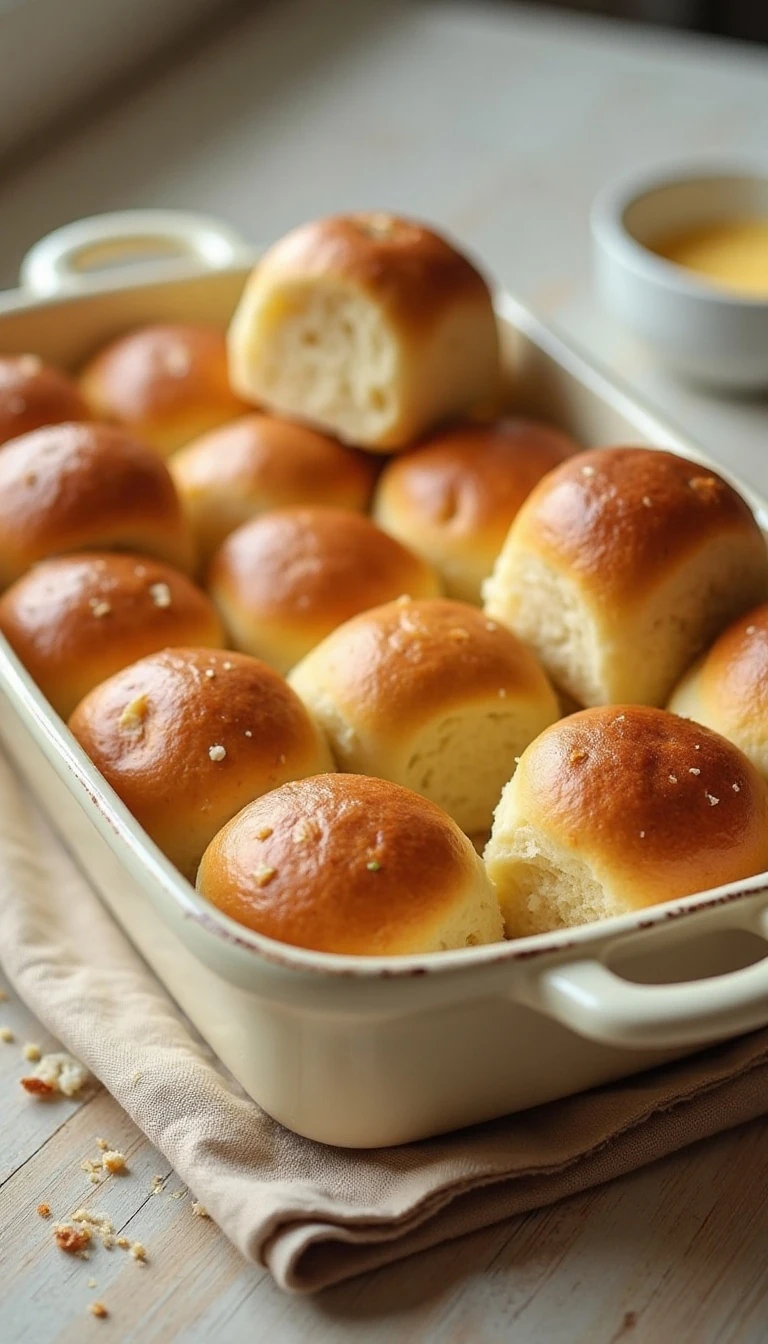
This ultimate dinner rolls recipe makes 15 soft, fluffy, buttery rolls with a tender crumb and lightly golden tops. Made with whole milk, active dry yeast, sugar, melted butter, egg, salt, and all-purpose flour, the rolls rise twice before baking at 350°F (175°C) for 18–23 minutes.
The secret is a soft, slightly tacky dough and careful flour measurement. These homemade rolls taste rich without being heavy, making them ideal for Sunday dinner, holiday gatherings, soups, roasts, or any meal that deserves something warm from the oven.
Jump to RecipeWhy You’ll Love This Recipe
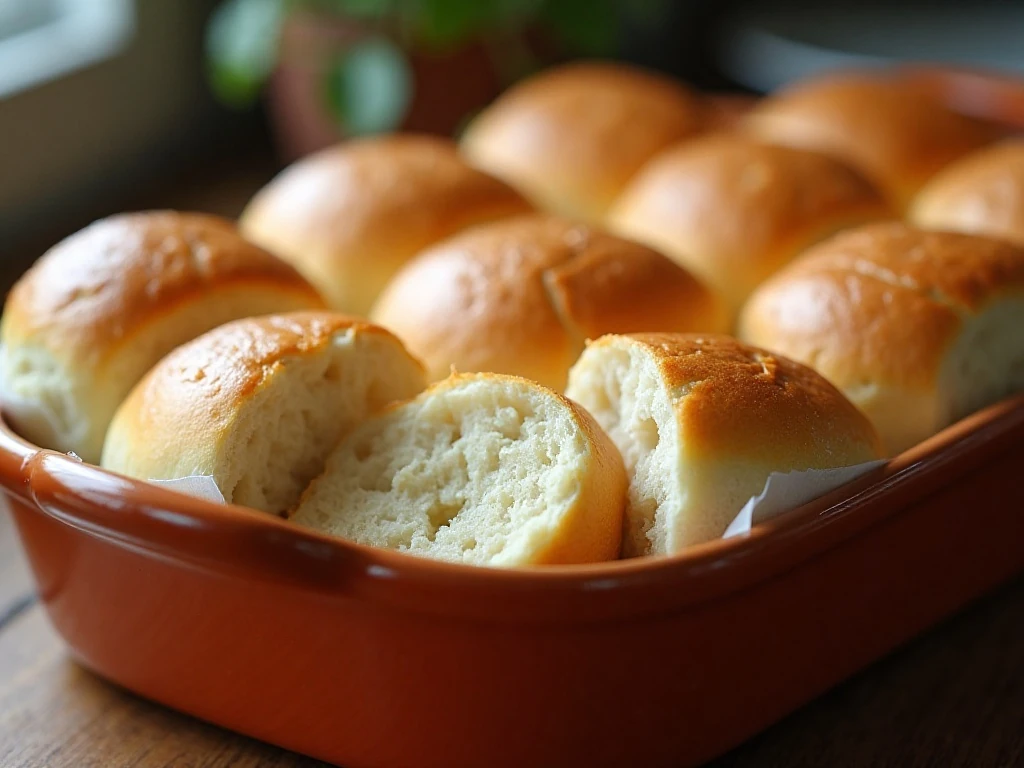
There is something special about a basket of homemade dinner rolls arriving warm at the table. These rolls have a pillowy center, a delicate buttery crust, and just enough sweetness to complement both savory and rich dishes.
The dough is approachable for newer bakers but rewarding for experienced cooks. It uses everyday ingredients, requires no complicated shaping, and produces a generously sized batch of 15 rolls.
For a quicker bread option on a busy evening, you can also try these quick dinner rolls. When you have more time, this yeast-raised recipe delivers the softer texture and deeper flavor associated with classic bakery-style bread.
Ingredients You’ll Need
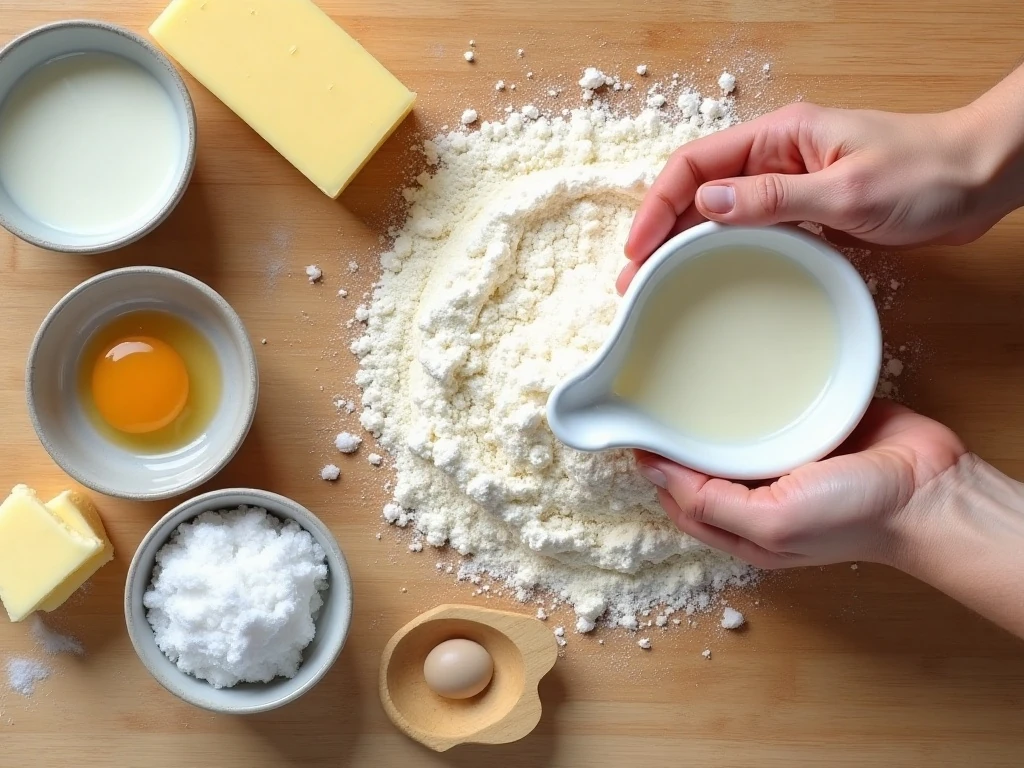
Whole milk enriches the dough and helps create a tender crumb. Use milk that is warm to the touch but never hot; a temperature of 105–110°F (40–43°C) is ideal for activating active dry yeast.
- Active dry yeast: One standard 7-gram packet gives the dough its lift.
- Granulated sugar: Two tablespoons provide mild sweetness and help support yeast activity.
- Unsalted butter: Melted butter adds richness to the dough and a glossy, tender finish after baking.
- Egg: A room-temperature egg contributes structure, color, and softness.
- Fine salt: Salt balances the sweetness and brings out the flavor of the wheat and butter.
- All-purpose flour: Begin with 3 cups, or approximately 360–375 grams, and add only a little more if necessary.
If you enjoy serving a variety of breads at a holiday meal, our butternut squash roll variation is another cozy choice with seasonal character.
How to Make It Step-by-Step

Step 1: Warm the milk to 105–110°F (40–43°C). It should feel pleasantly warm, not hot, because overheated milk can weaken or kill the yeast.
Step 2: Stir the active dry yeast and sugar into the warm milk. Let the mixture stand for 5–10 minutes, until a foamy layer appears on top, which shows that the yeast is active.
Step 3: Add the melted butter, making sure it has cooled slightly, followed by the room-temperature egg and salt. Stir until the ingredients are evenly blended.
Step 4: Add most of the flour gradually, mixing after each addition. Stop when you have a soft dough that feels slightly tacky but is not wet or impossible to handle.
Step 5: Knead the dough by hand for about 8–10 minutes, or with a dough hook for 5–7 minutes. It should become smooth, elastic, and more cohesive as the gluten develops.
Step 6: Transfer the dough to a lightly greased bowl and turn it once so the surface is lightly coated. Cover the bowl and let the dough rise for 1–2 hours, until it has doubled in size.
Step 7: Gently press down the risen dough to release excess gas. Divide it into 15 equal portions; weighing the dough first and dividing the total weight by 15 is the best way to keep every roll uniform.
Step 8: Shape each portion into a smooth ball by tucking the edges underneath. Place the shaped rolls in a greased 9-by-13-inch baking pan, leaving a little room between them for expansion.
Step 9: Cover the pan and let the rolls rise for 30–60 minutes. They are ready for the oven when they look noticeably puffy and begin to nestle against one another.
Step 10: Heat the oven to 350°F (175°C), then bake the rolls for 18–23 minutes. Look for lightly golden tops rather than a deep brown crust, since these rolls are meant to stay soft.
Step 11: Brush the rolls immediately with 1–2 tablespoons of melted butter. Serve them warm, either as pull-apart rolls from the pan or separated into individual portions.
Pro Tips for Soft, Fluffy Rolls
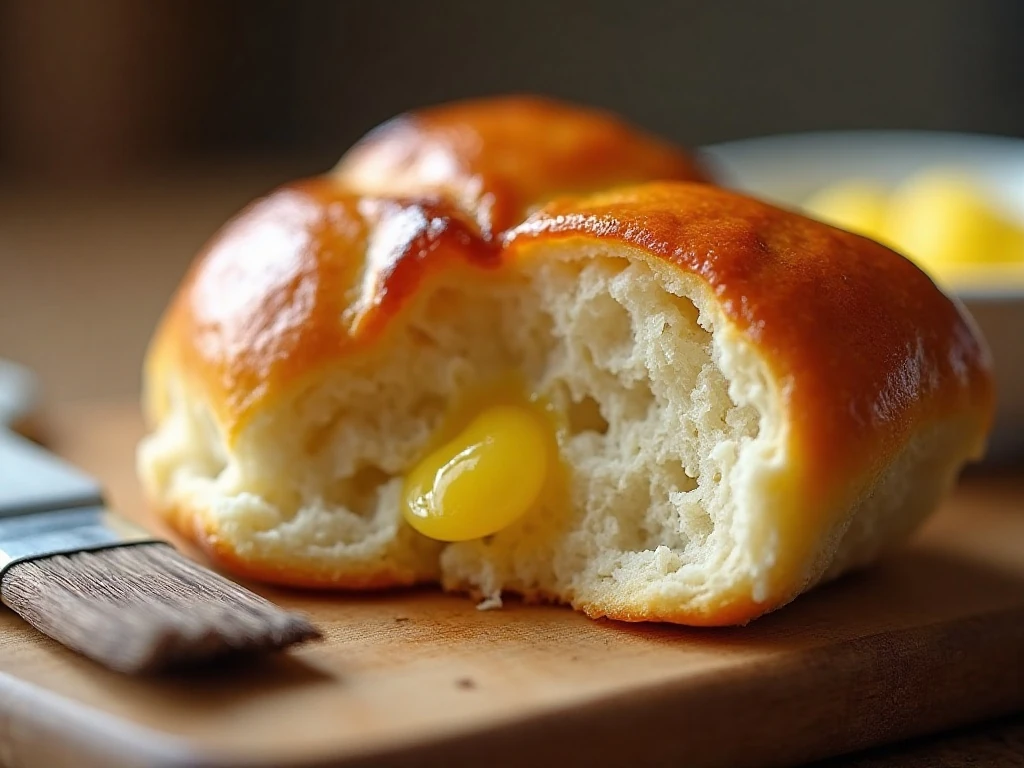
The most important tip is to avoid adding too much flour. Flour volume can vary depending on how it is scooped, so weighing 360–375 grams is more reliable; if measuring by cups, spoon the flour into the cup and level it rather than packing it down.
A slightly tacky dough is a good sign. If the dough feels dry and stiff before kneading, the baked rolls will usually be compact instead of airy.
Give both rises enough time. Yeast activity depends on room temperature, so use the visual cues—doubled after the first rise and puffy after the second—rather than relying only on the clock.
For a beautiful, tender top, brush the rolls with melted butter as soon as they leave the oven. The butter softens the crust and adds a fresh, savory aroma.
These rolls are especially good alongside a holiday spread. For a vegetable side, consider serving them with garlic thyme roasted mushrooms, whose earthy flavor pairs wonderfully with the buttery bread.
Serving, Storage, and Reheating
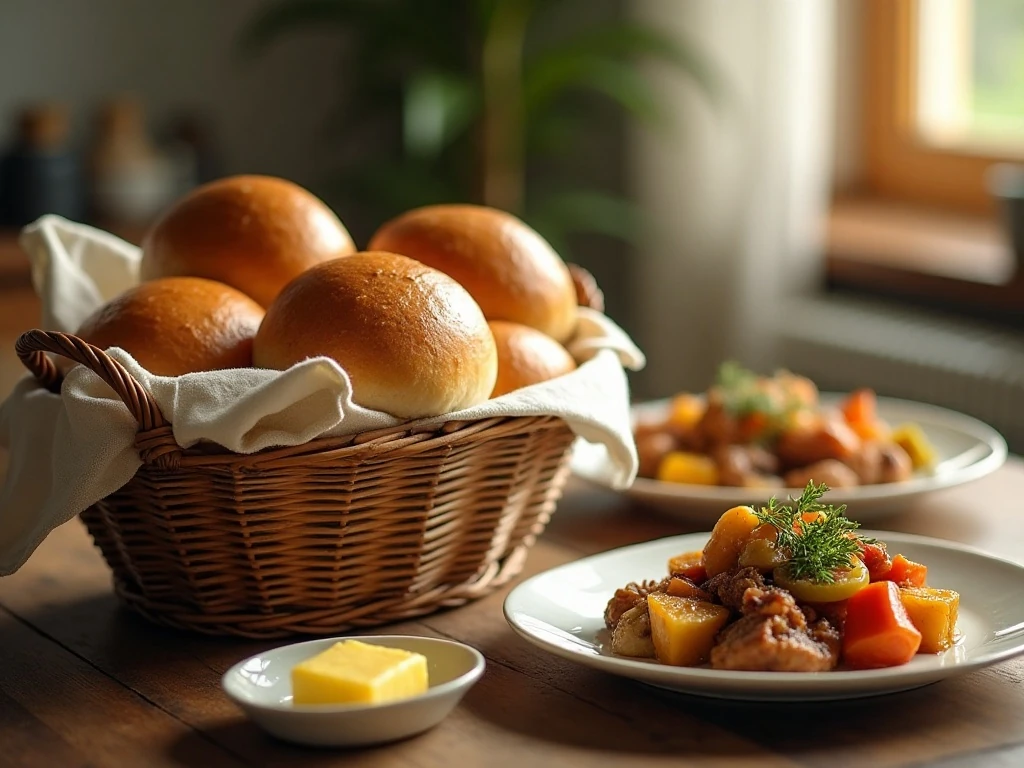
Serve the rolls warm with softened butter, honey butter, or a spoonful of pan juices from a roast. They also make excellent companions for creamy soups, stews, baked chicken, glazed ham, and saucy pasta dishes.
Allow leftovers to cool completely before storing them in an airtight container or tightly wrapped bag at room temperature. They are best within 2 days, although a brief warming will refresh the texture.
To reheat, place the rolls in a 300°F oven for several minutes, or warm individual rolls briefly in the microwave. For longer storage, freeze the cooled rolls in a freezer-safe bag and thaw them at room temperature before reheating.
Although these are dinner rolls, the same warm bread can start a festive brunch table. Serve them beside savory hash brown breakfast cups for a satisfying combination of crisp potatoes and soft, buttery bread.
Troubleshooting Common Problems
If the yeast mixture does not foam after 5–10 minutes, the milk may have been too hot or too cool, or the yeast may no longer be active. Start again with fresh yeast and carefully check the milk temperature.
If the dough refuses to rise, move it to a comfortably warm, draft-free location and allow more time within the stated 1–2 hour range. Cold kitchens can slow fermentation considerably.
If the rolls turn out dense, excess flour or insufficient rising time is usually responsible. Next time, keep the dough soft and slightly tacky, knead until elastic, and wait for clear visual signs that each rise is complete.
If the tops brown too quickly, loosely cover the pan with foil near the end of baking while allowing the rolls to finish cooking. Keep the total baking time within 18–23 minutes and remove them when lightly golden.
The Ultimate Dinner Rolls Recipe
Ingredients
Method
- Warm the milk to about 105–110°F (40–43°C), then stir in the yeast and sugar. Let the mixture stand for 5–10 minutes, until it becomes foamy.
- Stir the melted and slightly cooled butter, room-temperature egg, and salt into the milk mixture. Add most of the flour gradually, mixing until a soft, slightly tacky dough forms.
- Knead the dough by hand for 8–10 minutes, or use a dough hook for 5–7 minutes. Continue until the dough is smooth and elastic, adding only a little extra flour if it is genuinely too sticky to handle.
- Place the dough in a lightly greased bowl, cover it, and let it rise in a warm, draft-free place for 1–2 hours, or until doubled in size.
- Gently deflate the dough and divide it into 15 equal pieces. For the most even batch, weigh the finished dough and divide the total weight by 15.
- Shape each piece into a smooth ball by pulling the edges underneath and pinching the seam closed. Arrange the balls in a greased 9-by-13-inch baking pan or similar dish, leaving a little space between them.
- Cover the pan and let the rolls rise again for 30–60 minutes, until they look puffy and are beginning to touch. This second rise helps create a light, tender interior.
- Near the end of the second rise, heat the oven to 350°F (175°C). Place the pan on a center rack so the tops and bottoms bake evenly.
- Bake the rolls for 18–23 minutes, until the tops are lightly golden. Avoid baking them far past this point, since excess oven time can make the crumb dry.
- Brush the hot rolls immediately with 1–2 tablespoons of melted butter. Let them cool briefly in the pan, then serve warm.
Notes
Final Thoughts
This ultimate dinner rolls recipe is the kind of dependable bread worth keeping in your regular rotation. With warm milk, active yeast, butter, egg, and careful flour measurement, you can create 15 tender rolls that look beautiful on the table and taste even better.
Remember the key details: keep the milk below roughly 120°F (49°C), do not overload the dough with flour, allow both rises to finish properly, and brush the baked rolls with butter while they are hot. Those simple steps make the difference between ordinary bread and a soft, fragrant batch everyone reaches for first.
Make them for a weeknight dinner, a holiday feast, or a relaxed weekend meal. Once you pull apart that first warm roll and see the fluffy interior, you will understand why homemade bread has a permanent place at the dinner table.