These easy Korean rice bowls are a quick and delicious 35-minute dinner made with fluffy white rice, savory ground beef, crisp vegetables, spinach, sesame, and gochujang. The recipe makes four generous servings and uses a simple soy sauce, brown sugar, garlic, ginger, and sesame oil mixture to create glossy Korean-style beef without a long marinade.
Every bite brings together sweet, salty, savory, spicy, and nutty flavors with contrasting textures. Keep the cucumber raw for freshness, sauté the spinach briefly, and add a fried egg with a runny yolk if you want a bowl that feels especially close to bibimbap.
Jump to RecipeWhy You’ll Love This Recipe
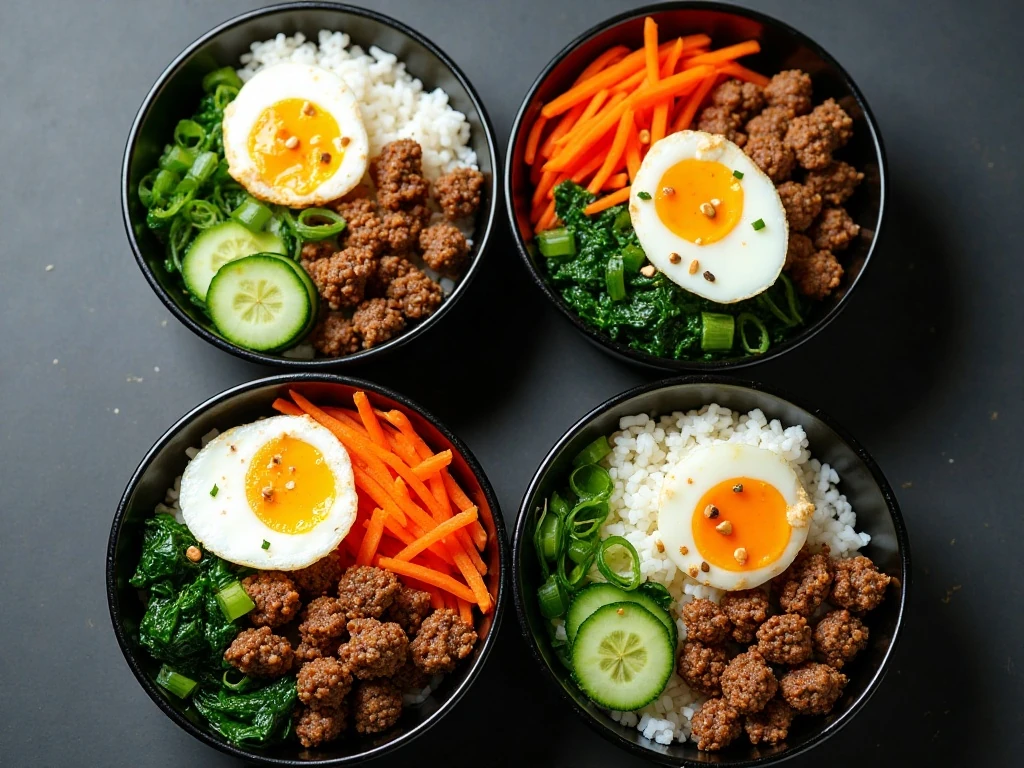
This Korean rice bowl recipe is built for busy evenings. The rice cooks while you mix the sauce, brown the beef, and prepare the vegetables, so the entire meal comes together in about 30–35 minutes.
It also gives you the satisfying structure of bibimbap without requiring every vegetable to be prepared in a separate pan. The beef is richly seasoned, the rice is comforting, and the vegetables bring color, freshness, and crunch.
- Fast: Prep takes about 10–15 minutes, followed by 15–20 minutes of cooking.
- Flexible: Use raw or lightly cooked carrots, and adjust the gochujang to taste.
- Family-friendly: Keep the extra sauce and gochujang on the side for different heat preferences.
- Complete: Rice, protein, vegetables, and an optional egg make a filling one-bowl meal.
If you enjoy simple recipes with familiar ingredients, you may also like our easy air fryer meatballs for another quick ground-meat dinner idea.
Ingredients You’ll Need

Start with 1 cup of uncooked short- or medium-grain white rice and 1 1/2 cups of water, unless your package gives different cooking instructions. You can also use about 4 cups of cooked rice when you need dinner on the table even faster.
For the beef, choose 1 pound of lean ground beef. Garlic, fresh ginger, low-sodium soy sauce, brown sugar, toasted sesame oil, and gochujang create the signature sweet, salty, savory, and gently spicy flavor.
The vegetable topping is simple: one medium carrot, one small cucumber, and two cups of baby spinach. Four eggs are optional, but a fried egg with a runny yolk adds richness and makes the bowl feel more like a bibimbap-inspired meal.
- Use freshly grated ginger for the brightest flavor, or substitute 1 teaspoon ground ginger.
- Use 1–2 teaspoons gochujang, depending on the brand and your preferred heat level.
- Add 1/4 teaspoon crushed red-pepper flakes only if you want extra spice.
- Keep sliced green onions and toasted sesame seeds ready for the final garnish.
How to Make It Step-by-Step

Step 1: Rinse the rice under cool water until the water is mostly clear. Cook it with 1 1/2 cups water in a rice cooker or on the stovetop according to the package directions, then keep the rice covered and warm.
Step 2: While the rice cooks, make the sauce. In a small bowl, whisk together the low-sodium soy sauce, packed brown sugar, toasted sesame oil, gochujang, minced garlic, grated ginger, and optional red-pepper flakes until the sugar begins to dissolve.
Step 3: Heat a large skillet over medium-high heat before adding the ground beef. Cook for about 6–8 minutes, breaking it into small crumbles, until it is browned throughout and no longer pink; drain excess fat if necessary.
Step 4: Pour the prepared sauce over the browned beef. Stir well and let it simmer for 2–3 minutes, allowing the sauce to cling to the meat and become glossy without reducing too far.
Step 5: Quickly sauté the baby spinach in the same skillet after transferring the beef, or use a separate pan. Cook for 1–2 minutes, just until the leaves wilt while retaining some fresh green color.
Step 6: Prepare the carrot and cucumber while the beef finishes. Serve the cucumber raw for a cool, crisp bite, and leave the carrot raw or sauté it separately for 2–3 minutes if you prefer a softer topping.
Step 7: Divide the warm rice among four bowls and arrange the beef, spinach, carrot, and cucumber over the top. Fry four eggs if using, keeping the yolks runny if you enjoy a rich sauce that mixes into the rice.
Step 8: Garnish each bowl with sliced green onion and toasted sesame seeds. Put extra gochujang on the table so each person can add more heat, sweetness, and fermented pepper flavor.
How to Build the Perfect Bowl
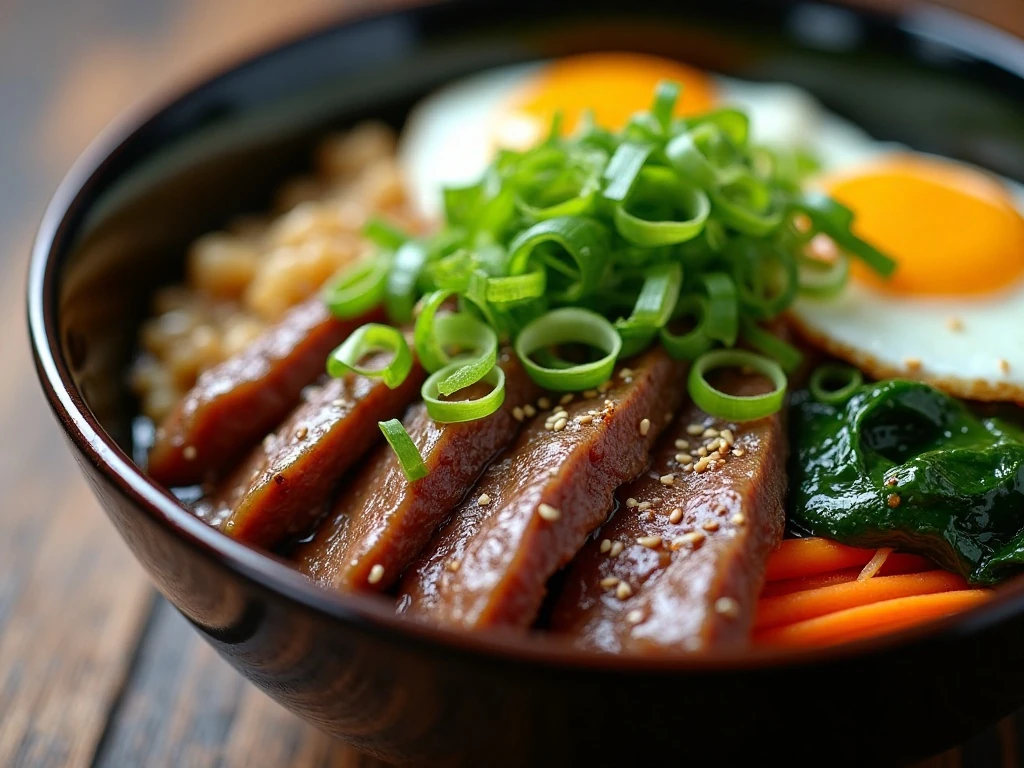
Begin with a generous layer of warm rice. The rice catches the sweet-savory beef sauce and gives every topping a soft, neutral base.
For an attractive presentation, place the beef in one section and arrange the spinach, carrot, and cucumber in separate colorful portions around it. Add the egg in the center, then finish with green onion and sesame seeds.
Before eating, break the egg yolk and mix the components together, or enjoy each topping separately for a clearer contrast of flavors. A small extra spoonful of gochujang adds depth as well as heat, so add it gradually.
For another recipe with a sweet-and-spicy pantry flavor, our hot pepper jelly is a useful companion to keep in mind for appetizers and snacks.
Chef’s Best Tips for Flavor and Texture
- Brown the beef properly: Use medium-high heat and avoid overcrowding the skillet. Browning creates flavorful bits that make the finished sauce taste fuller.
- Control the spice: Start with 1 teaspoon gochujang, taste the cooked sauce, and add more if desired. Gochujang brands can differ noticeably in saltiness and heat.
- Protect the crunch: Keep cucumber raw and add it just before serving. This prevents it from becoming watery and gives the bowl a refreshing contrast to the hot beef.
- Do not overcook spinach: One to two minutes is enough. The leaves should be wilted but still bright and fresh.
- Warm the bowls: Serving the rice and beef hot helps the sauce spread through the bowl and keeps the vegetables pleasant to eat.
- Toast sesame seeds if needed: A short toast in a dry pan brings out their nutty aroma, but watch them closely because they can brown quickly.
This recipe is intentionally Korean-inspired rather than a single standardized traditional dish. Quick versions often use the same sweet soy-based beef, while bibimbap-style bowls may feature separately seasoned vegetables and take longer to prepare.
Easy Variations and Serving Ideas
Use cooked rice from the refrigerator when you are short on time. About 4 cups cooked rice will serve four bowls, and reheating it while the beef cooks keeps the total preparation especially efficient.
You can swap the vegetable arrangement based on what is available. Shredded cabbage works well in place of some of the carrot, while extra spinach can replace cucumber if you prefer a softer bowl.
For a lighter plate, increase the amount of cucumber and spinach while keeping the beef portion modest. For a heartier dinner, include the fried egg and serve the bowls with extra rice.
When planning a meal with a sweet finish, save our chocolate peanut butter rice krispy cups for dessert. Their crisp texture and chocolate-peanut butter flavor make a fun contrast after this savory dinner.
Storage and Reheating
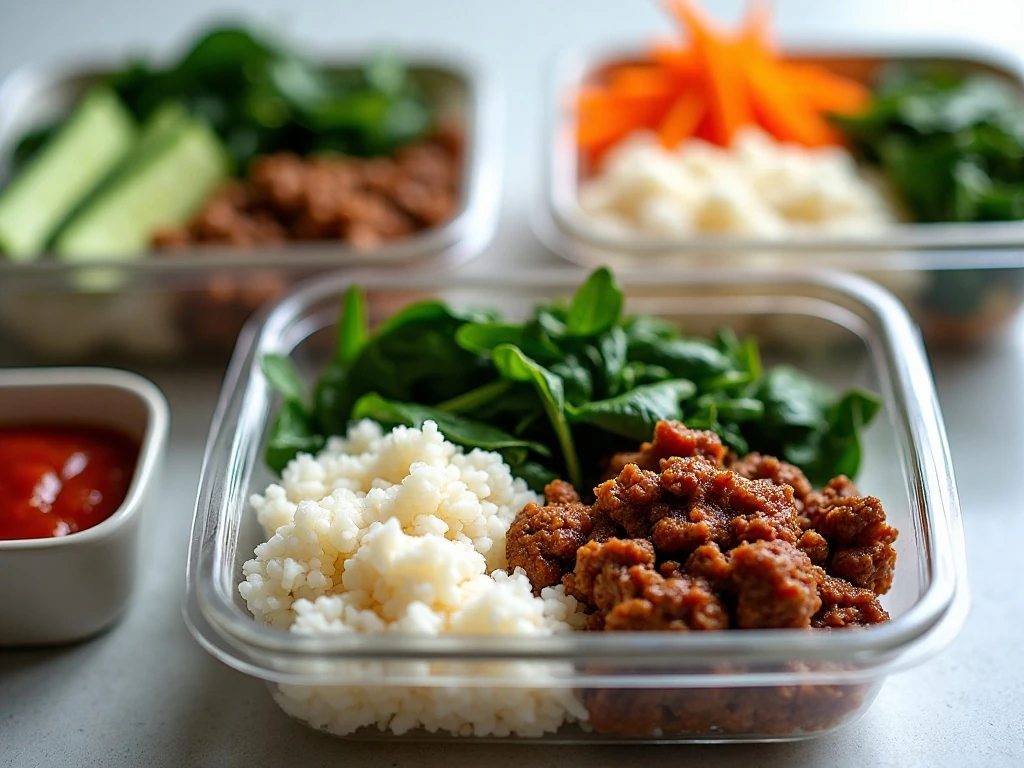
For the best texture, store the cooked beef, rice, spinach, carrot, and cucumber in separate airtight containers. Refrigerate leftovers promptly and use them within 3 days.
Reheat the rice and beef until hot, adding a small splash of water to the rice if it has dried out. Keep the cucumber cold and add it after reheating so it stays crisp.
Fried eggs are best made fresh, though you can prepare them shortly before serving. Store gochujang separately and add it at the table rather than mixing it into every portion.
If you are collecting quick make-ahead recipes for a party spread, our Christmas tree pastries offer a festive option for a completely different occasion.
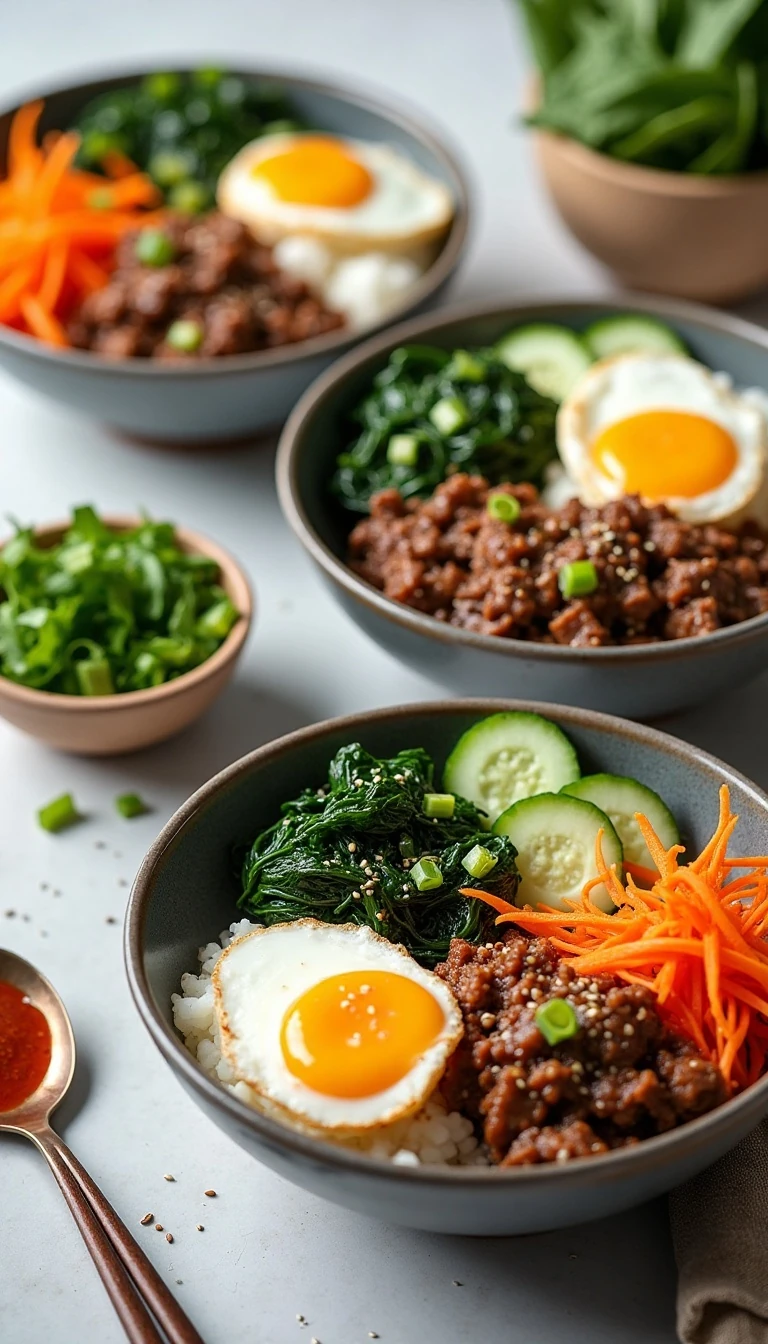
Easy Korean Rice Bowls Recipe
Ingredients
Method
- Rinse the rice until the water is mostly clear. Cook it with 1 1/2 cups water, or according to the rice package directions, then keep it covered and warm.
- In a small bowl, stir together the soy sauce, brown sugar, toasted sesame oil, gochujang, garlic, ginger, and optional red-pepper flakes.
- Heat a large skillet over medium-high heat. Add the ground beef and cook for 6–8 minutes, breaking it apart, until browned and no longer pink; drain excess fat if needed.
- Pour the sauce into the skillet and simmer for 2–3 minutes, stirring often, until the beef is glossy and the sauce has slightly thickened.
- Quickly sauté the spinach in the same or a separate pan for 1–2 minutes. Leave the carrot and cucumber raw, or sauté them separately for 2–3 minutes if preferred.
- Divide the warm rice among four bowls. Add the beef, spinach, carrot, and cucumber, then top with a fried egg if using.
- Finish with sliced green onion and toasted sesame seeds. Serve with extra gochujang so everyone can adjust the heat.
Notes
Final Thoughts
These easy Korean rice bowls prove that a colorful, satisfying dinner does not need a long ingredient list or complicated cooking method. The seasoned ground beef comes together in one skillet, while the rice and fresh toppings create a balanced bowl with plenty of contrast.
Keep the cucumber raw, add the gochujang according to your heat preference, and do not skip the sesame seeds or green onion. If you include a fried egg, let the yolk run into the rice and beef for an extra creamy finish.
For another simple treat to serve after dinner or package for a celebration, try our easy cake batter fudge. Once you make these Korean-inspired bowls, they are easy to repeat, customize, and bring back to the table whenever you need a quick homemade meal.