This authentic Greek tzatziki recipe with Greek yogurt combines thick full-fat Greek yogurt, well-drained cucumber, garlic, extra-virgin olive oil, red-wine vinegar, and salt for a cool, creamy sauce ready in about 15 to 20 minutes of active preparation. The cucumber drains for 20 to 30 minutes, and the finished tzatziki should chill for at least 30 minutes before serving.
Every spoonful is creamy, tangy, garlicky, and refreshing, with just enough olive oil to give the sauce a rounded Mediterranean flavor. Serve it with warm pita, grilled meats, roasted vegetables, sandwiches, or as a dip for a relaxed Greek-inspired appetizer spread.
Jump to RecipeWhy You’ll Love This Recipe
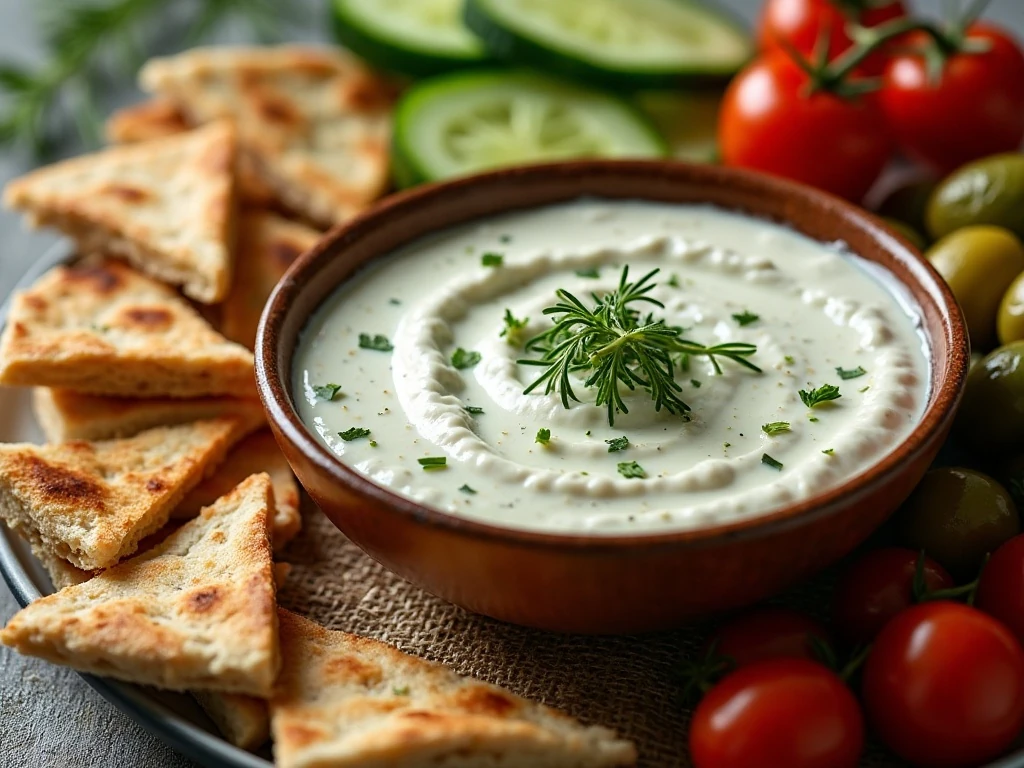
This Greek tzatziki is simple enough for a weeknight meal but flavorful enough to anchor a party platter. The combination of cool yogurt, crisp cucumber, sharp garlic, olive oil, and acidity creates a sauce that tastes fresh without requiring any cooking.
The texture is the real hallmark of excellent tzatziki. Thick full-fat yogurt provides a rich base, while thoroughly drained cucumber adds freshness without turning the sauce watery.
- Makes about 2½ cups, enough for 4 to 6 servings.
- Requires no stove, oven, or special cooking equipment.
- Uses easy-to-find ingredients and takes only 15 to 20 minutes of active work.
- Can be made with red-wine vinegar or lemon juice.
Its cool, creamy character also makes it a welcome contrast to crisp or rich appetizers. For another party-friendly idea, pair the dip with bacon-wrapped mozzarella sticks for a playful mix of creamy, salty, and crunchy bites.
Ingredients You’ll Need

Start with 500 g, or about 2 cups, of full-fat Greek yogurt. Strained yogurt is important because it gives the finished sauce body and keeps the mixture from becoming loose.
Use one medium English cucumber weighing about 200 to 250 g, or substitute two Persian cucumbers. English and Persian cucumbers have tender skins and fewer large seeds, making them especially convenient for grating.
Two finely grated or crushed garlic cloves provide the signature savory bite. If you prefer a gentler garlic flavor, begin with one clove and add more after the sauce rests.
The remaining ingredients are 1½ tablespoons extra-virgin olive oil, 1 tablespoon red-wine vinegar, and ½ teaspoon fine salt, plus more to taste. Add 1 to 2 tablespoons finely chopped fresh dill if desired, or replace the vinegar with 1 tablespoon lemon juice.
- Yogurt: Full-fat Greek yogurt gives the thickest, creamiest result.
- Cucumber: Drain it aggressively to remove excess water.
- Acid: Red-wine vinegar is traditional-style, while lemon gives a bright modern variation.
- Herb: Dill is optional; many Greek households also use mint or no herb at all.
There is no single universally fixed formula for tzatziki. Vinegar versus lemon and dill versus mint varies by household and region, but thick yogurt, cucumber, garlic, olive oil, salt, and acidity form the familiar foundation.
How to Make It Step-by-Step

Step 1: Grate the cucumber using the large holes of a box grater. Toss it with a small pinch of the measured salt, then transfer it to a fine sieve, a piece of cheesecloth, or a clean kitchen towel.
Step 2: Press and squeeze the cucumber firmly to release its liquid. Continue until the cucumber feels noticeably drier, because excess water is the main cause of thin tzatziki.
Step 3: Allow the cucumber to drain for 20 to 30 minutes when possible. You can press it several times during this period, collecting the liquid in a bowl rather than letting it sit in the drained cucumber.
Step 4: Add the Greek yogurt to a mixing bowl, then stir in the garlic, olive oil, red-wine vinegar, and remaining salt. If you prefer lemon juice, use 1 tablespoon in place of the vinegar, not in addition to it.
Step 5: Add the finely chopped dill if using. Stir the yogurt mixture until the garlic, oil, acid, and seasoning are evenly distributed throughout the thick yogurt.
Step 6: Fold in the drained cucumber with a spatula or spoon. Mix thoroughly, but stop once the cucumber is evenly dispersed so the sauce retains a pleasant texture.
Step 7: Taste the tzatziki and adjust it carefully. Add a little more salt for savoriness, a touch more vinegar or lemon for brightness, or additional garlic for a stronger bite.
Step 8: Cover the bowl and refrigerate for at least 30 minutes, or for up to 2 hours before serving. Stir it before bringing it to the table and add a small drizzle of olive oil if desired.
Chef’s Tips for Thick, Flavorful Tzatziki

The two most important details are using strained full-fat Greek yogurt and removing as much cucumber water as possible. Skipping either step can leave you with a sauce that is thinner than the classic version.
For especially dry cucumber, wrap the grated pieces in a clean kitchen towel and twist the towel over the sink. Do not rinse the cucumber after salting, since rinsing removes flavor and makes it harder to season the sauce.
Garlic becomes less harsh and more rounded as the tzatziki chills. For that reason, tasting immediately is useful for balance, but the final seasoning decision is best made after the sauce has rested for at least 30 minutes.
Red-wine vinegar gives the sauce a pleasantly sharp, traditional-style edge. Lemon juice is a lovely alternative when you want a cleaner citrus note, and both choices work with the same quantity specified in the recipe.
Keep the dill optional rather than treating it as a requirement. Fresh dill adds a grassy, aromatic note, but the core sauce remains delicious with no herb or with a small amount of fresh mint.
If you are planning a large snack table, this dip sits beautifully alongside warm savory foods. Consider serving it near creamy stovetop macaroni and cheese as a cool, tangy counterpoint to the rich pasta.
What to Serve with Greek Tzatziki
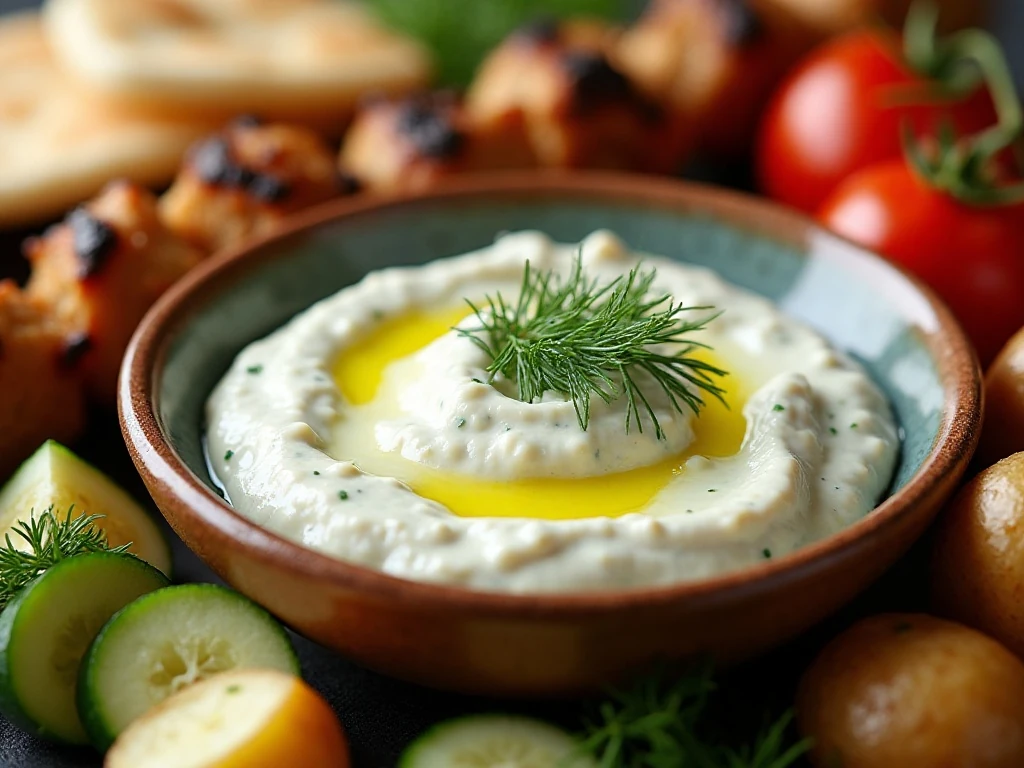
Warm pita is the classic partner, especially when cut into wedges for scooping. You can also serve tzatziki with toasted flatbread, grilled chicken, lamb, beef, shrimp, roasted potatoes, or crisp raw vegetables.
Use it as a spread inside wraps and sandwiches, or spoon it over grilled vegetables for a fresh finish. It is particularly good with tomatoes, cucumbers, olives, red onion, and warm grains in a simple Mediterranean bowl.
For a family dinner, place the tzatziki in the center of the table with grilled meat and salads. It can also refresh hearty dishes such as savory ham loaves, where its acidity helps balance the richness.
When building a dessert-and-appetizer buffet, keep the dip in its own chilled bowl and surround it with pita and vegetables. After the savory course, something sweet such as chocolate chip oatmeal carmelitas makes a satisfying finish.
Storage and Make-Ahead Advice
Store tzatziki covered in the refrigerator and stir it before serving. The flavor improves after chilling because the garlic and acidity have time to blend into the yogurt.
For the best texture, prepare it the same day you plan to serve it. If liquid collects on the surface during storage, simply stir it back in; if the sauce seems looser than expected, the cucumber likely retained extra water.
Do not leave tzatziki at room temperature for an extended period. Set out a small bowl for serving and return the remaining portion to the refrigerator, especially during a long meal or gathering.
Serving Ideas for a Greek-Inspired Spread
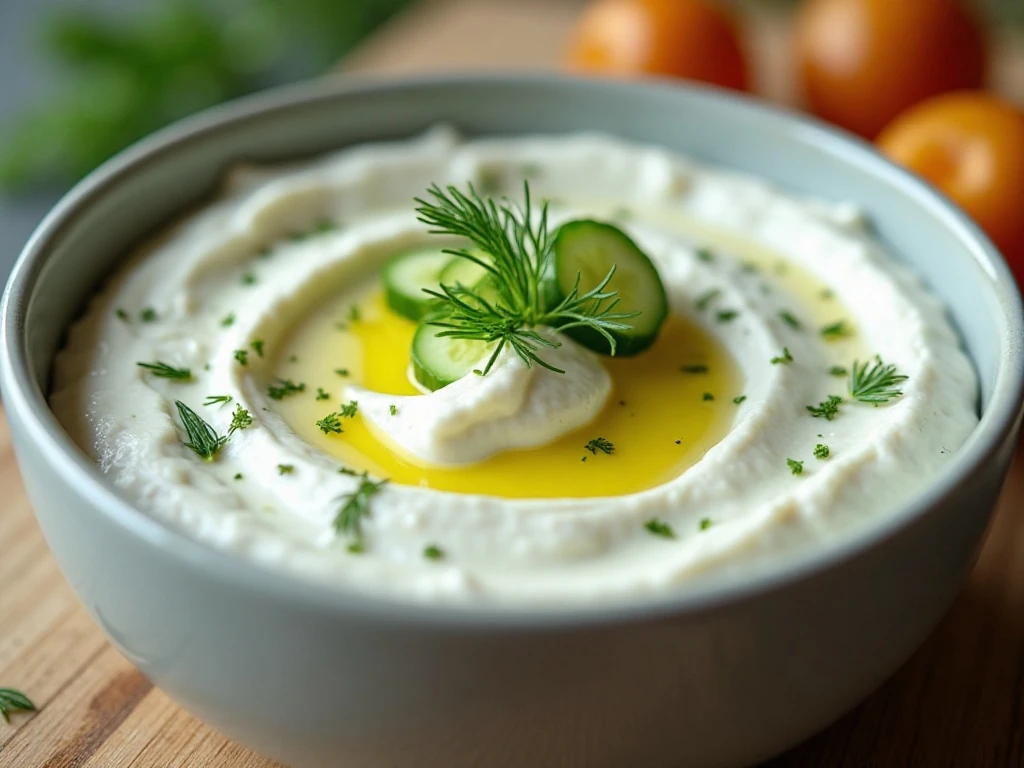
Build a colorful platter with tzatziki, cucumber spears, cherry tomatoes, olives, toasted pita, and grilled vegetables. A small drizzle of olive oil on top and a few flecks of dill make the bowl look inviting without changing its clean, fresh flavor.
For a holiday appetizer table, the cool dip can balance rich pastries and baked bites. Add festive Christmas tree pastries to the spread when you want a sweet or savory centerpiece with a cheerful presentation.
Because the recipe makes about 2½ cups, it is generous enough for 4 to 6 people as a dip or sauce. For a larger gathering, prepare multiple batches rather than stretching one batch with extra cucumber, which can weaken the thick texture.
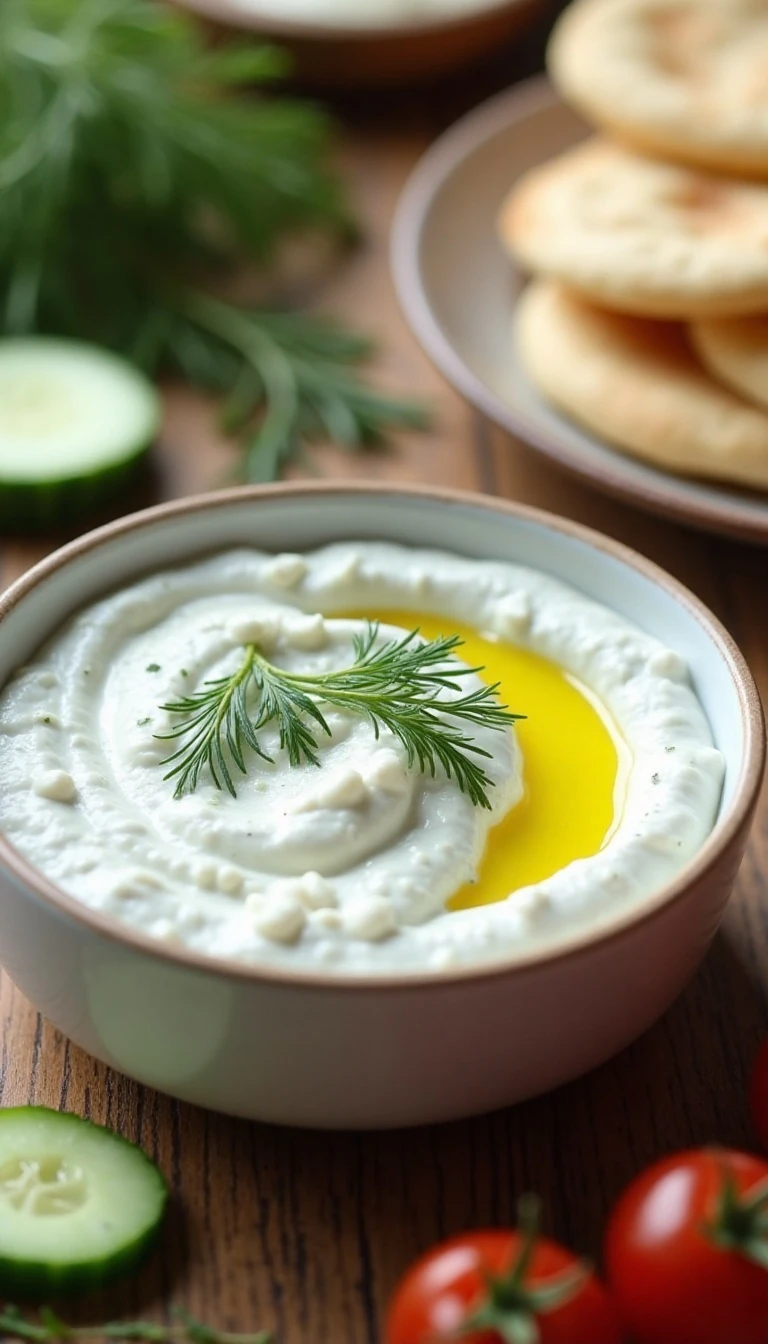
Authentic Greek Tzatziki Recipe with Greek Yogurt
Ingredients
Method
- Grate the cucumber, toss it with a small pinch of the measured salt, and place it in a fine sieve, cheesecloth, or clean kitchen towel.
- Press or squeeze the grated cucumber firmly to remove as much liquid as possible. Let it drain for 20 to 30 minutes if time allows.
- Combine the Greek yogurt, garlic, olive oil, red-wine vinegar or lemon juice, remaining salt, and dill if using.
- Fold the drained cucumber into the yogurt mixture and stir thoroughly until evenly combined.
- Taste and adjust the salt, acidity, or garlic to suit your preference.
- Cover and refrigerate for at least 30 minutes and up to 2 hours before serving. Stir once more and finish with a small drizzle of olive oil if desired.
Notes
Final Thoughts
This authentic Greek tzatziki recipe is all about restraint and careful preparation: thick yogurt, dry cucumber, fresh garlic, good olive oil, and a balanced splash of acidity. Once those elements are combined, a short rest in the refrigerator transforms them into a cool, creamy sauce with a beautifully rounded flavor.
Choose red-wine vinegar for a traditional-style tang or lemon juice for a brighter variation, and add dill only if you enjoy its fresh herbal character. Serve it chilled with pita, grilled foods, vegetables, or your favorite Mediterranean-inspired meal.
Make it ahead, squeeze the cucumber thoroughly, and taste again after chilling. Those small details produce the thick, refreshing tzatziki that belongs on every generous Greek-style table.