This easy 20-minute homemade biscuits recipe makes 8 tender, flaky biscuits with just 2 cups of flour, cold butter, baking powder, salt, sugar, and cold milk or buttermilk. Prep takes 8–10 minutes, baking takes 10–12 minutes at 450°F (230°C), and the biscuits are ready to serve warm in about 20 minutes.
Each biscuit has a lightly golden, crisp top and a soft, buttery center. Cold butter creates little pockets of steam as the dough bakes, while a few gentle folds create the flaky layers that make these biscuits wonderful with butter, honey, jam, sausage gravy, soup, or a hearty breakfast.
Jump to RecipeWhy You’ll Love This Recipe
There is something especially satisfying about pulling a pan of homemade biscuits from the oven when the kitchen smells like warm butter and fresh bread. This recipe keeps the process simple enough for a busy morning while still producing biscuits with delicate layers and a tender center.
The dough comes together in one bowl, and there is no yeast, rising time, or complicated shaping. The most important techniques are keeping the ingredients cold and stopping the mixing as soon as the dough looks shaggy.
These biscuits are also flexible. Serve them with scrambled eggs, fried chicken, sausage gravy, or a bowl of soup, or split them open and add butter, honey, preserves, or cheese.
If you are planning a comforting spread, these biscuits pair beautifully with a savory dip such as our creamy cheeseburger dip. The buttery crumb is ideal for scooping up every warm, cheesy bite.
Ingredients You’ll Need
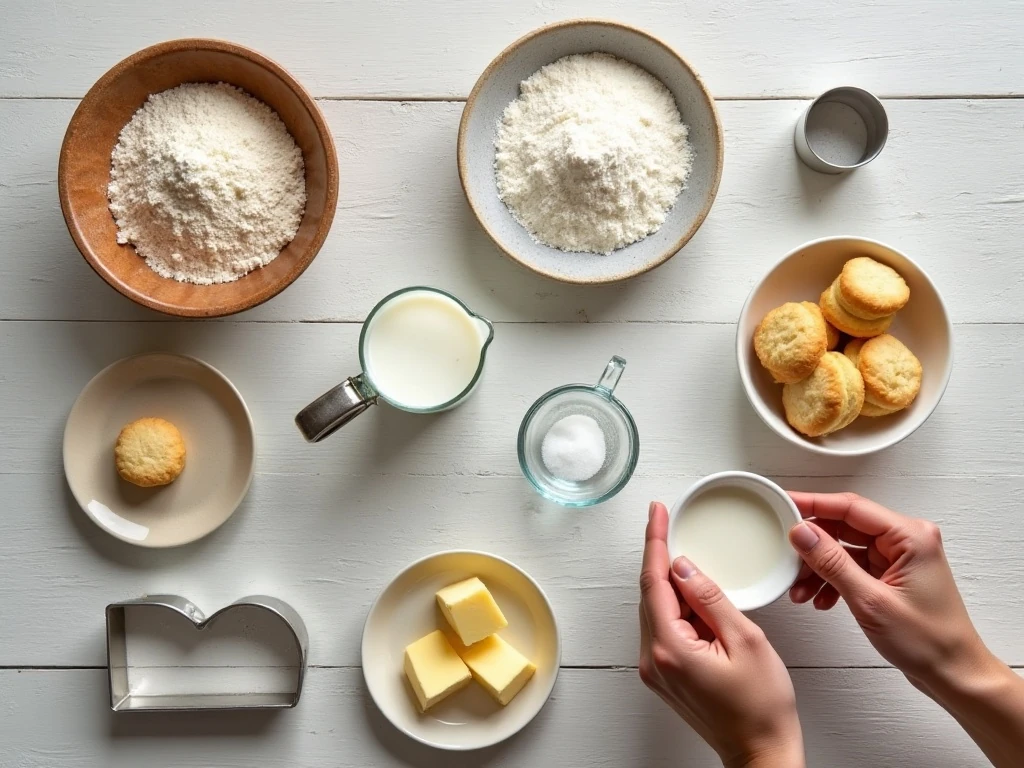
The ingredient list is short, but each item has a specific job. All-purpose flour provides structure, baking powder gives the biscuits their lift, and salt keeps the flavor balanced.
- 2 cups all-purpose flour: Use 250–260 grams if weighing your flour. Spoon it into a measuring cup and level it if measuring by volume.
- 1 tablespoon baking powder: This is the main leavening ingredient and helps the biscuits puff quickly in the hot oven.
- 1 teaspoon fine salt: Fine salt distributes evenly through the dough.
- 1 tablespoon granulated sugar: Sugar is optional, but it adds a subtle sweetness and encourages light browning.
- 6 tablespoons cold unsalted butter: Cut 85 grams into small cubes before mixing. The butter should remain firm, not soft or oily.
- 3/4 cup cold milk or buttermilk: Milk gives a classic biscuit flavor, while buttermilk adds gentle tang and a tender texture.
For a breakfast table, consider serving these beside cinnamon maple muffins for two different kinds of homemade comfort. Keep the milk or buttermilk in the refrigerator until the moment you need it.
How to Make It Step-by-Step
Step 1: Heat the oven to 450°F (230°C) and prepare a baking sheet with parchment paper or a light coating of grease. A fully heated oven is important because the high heat quickly turns the moisture in the butter and dough into steam, helping the biscuits rise.
Step 2: Add the flour, baking powder, salt, and sugar to a large mixing bowl, then whisk until the mixture looks uniform. Breaking up any small baking powder or flour lumps now prevents uneven pockets of seasoning later.
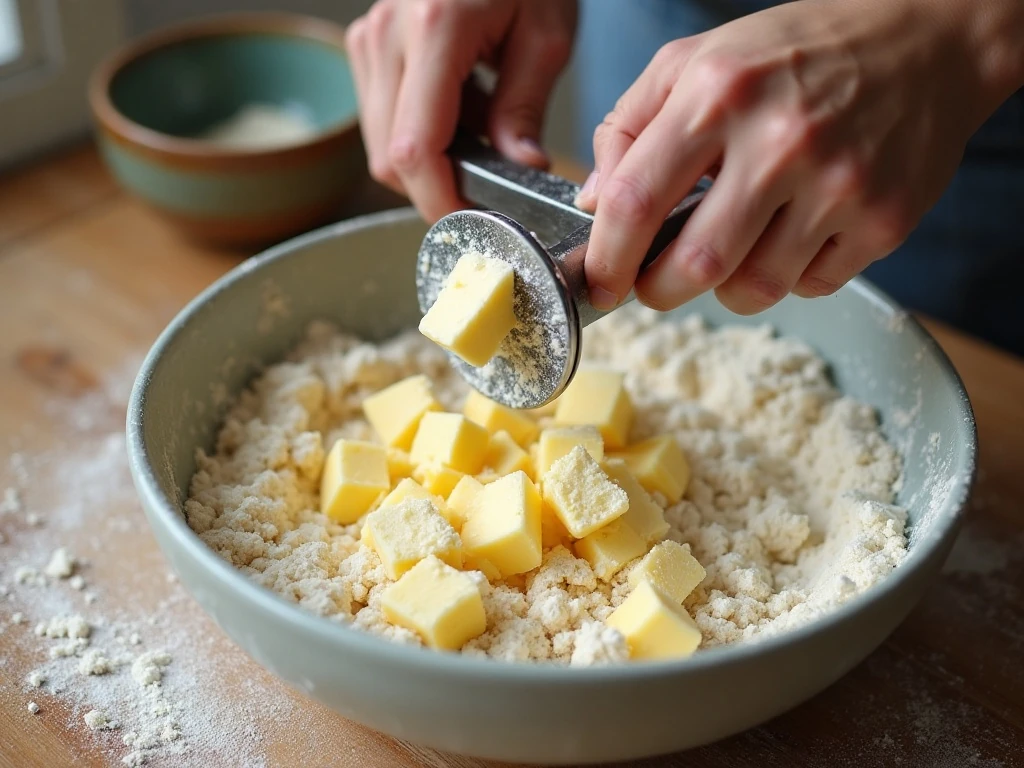
Step 3: Add the cold butter cubes and cut them into the dry ingredients with a pastry cutter or your fingertips. Stop when the mixture resembles coarse crumbs with several pea-sized butter pieces still visible, since those pieces help create flaky layers.
Step 4: Pour the cold milk or buttermilk into the bowl and stir gently with a fork or spatula. Mix only until no large patches of dry flour remain and the dough looks shaggy; a slightly rough dough is better than a smooth, overworked one.
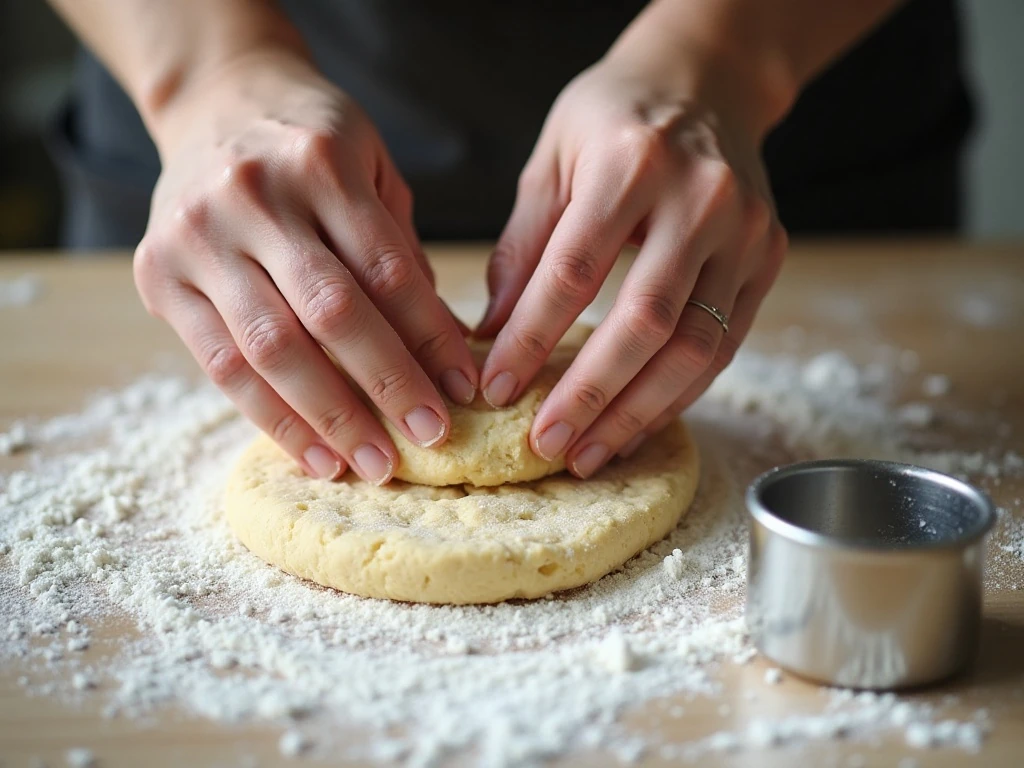
Step 5: Turn the dough onto a lightly floured work surface and gently pat it together. Fold or pat the dough 3–4 times, keeping the motions light, then press it into an even slab about 3/4 inch thick.
Step 6: Dip a 2- to 2 1/2-inch biscuit cutter lightly in flour and cut the rounds. Press straight down and lift the cutter instead of twisting it, because twisting can compress the edges and make the biscuits rise unevenly.
Step 7: Transfer the rounds to the prepared baking sheet. Place them close together if you prefer soft sides and a taller rise, or leave space between them if you like more golden, crisp edges.
Step 8: Bake for 10–12 minutes, watching for puffed tops and light golden coloring. Serve the biscuits warm, ideally within minutes of baking, with butter, honey, jam, or your favorite savory topping.
Pro Tips for Tall, Flaky Biscuits
Cold ingredients are the foundation of good biscuits. Warm butter blends too thoroughly into the flour, while cold butter stays in distinct pieces that melt and release steam in the oven.
Handle the dough with a light touch. Kneading until smooth develops more gluten than you need and can make the biscuits firm instead of tender.
Do not skip the gentle folds. Three or four folds create layers without adding much time, and pressing the dough to an even 3/4-inch thickness helps every biscuit bake at the same rate.
If your kitchen is warm, chill the cubed butter and measuring cup of milk or buttermilk until you are ready to use them. You can also work quickly and avoid placing the bowl near a hot oven or sunny window.
Use a sharp-edged cutter and keep it close to the specified 2- to 2 1/2-inch size. A cutter that is too large changes the yield, while a dull cutter can flatten the edges rather than slicing cleanly.
For another quick baked treat to serve with brunch, try these easy homemade beignets. Their sweet, airy texture contrasts nicely with these buttery, savory-leaning biscuits.
Milk or Buttermilk: Which Should You Choose?
Cold milk creates a familiar, mild biscuit with a clean buttery taste. It is an excellent choice when you want the biscuits to work equally well with sweet toppings and savory meals.
Buttermilk gives the dough a slightly tangy flavor and a tender texture. It is especially good with sausage gravy, fried chicken, sharp cheese, or honey.
For this quick biscuit formula, baking powder is still retained when using buttermilk. Some biscuit recipes also include a small amount of baking soda, but this recipe relies on the specified baking powder and does not require an additional leavener.
These biscuits can also take the place of cornbread alongside chili or beans. For a sweeter, spicier side dish, compare them with our spicy honey cornbread muffins.
Serving Ideas and Pairings
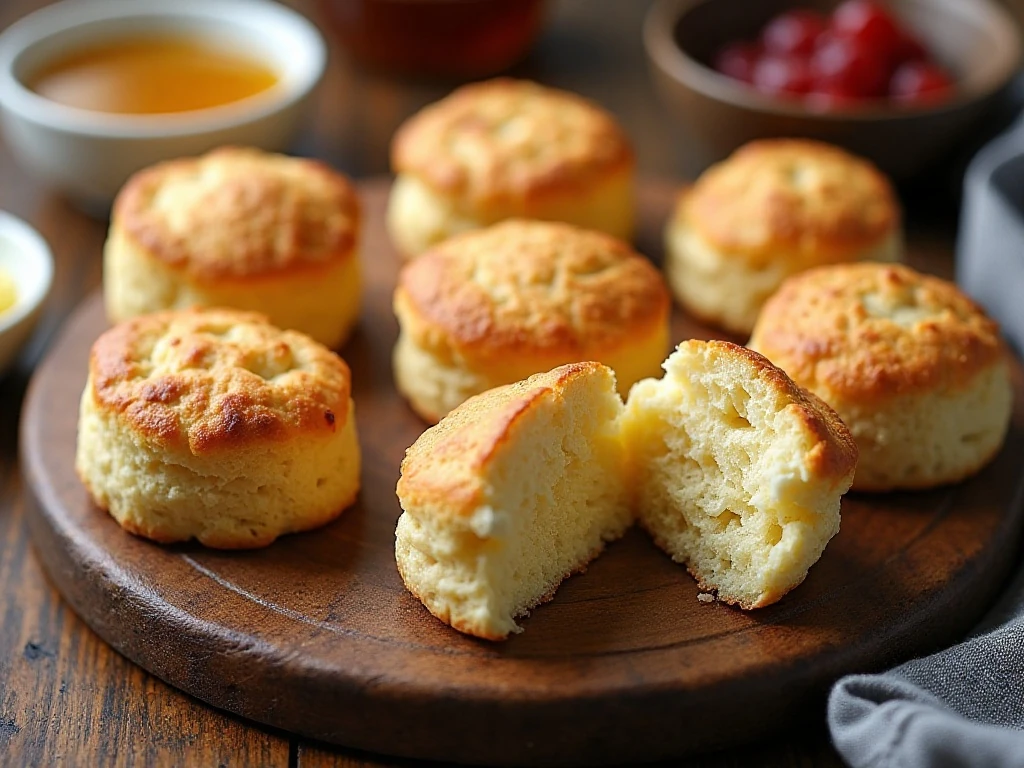
For a simple breakfast, split a warm biscuit and add softened butter, honey, fruit preserves, or scrambled eggs. A fried egg and a little black pepper turn one biscuit into a satisfying handheld meal.
At lunch or dinner, use the biscuits as a side for roasted chicken, vegetable soup, chili, or creamy stew. Place them close together on the pan when you want soft sides that are easy to pull apart at the table.
For crisper edges, space the biscuits apart on the baking sheet. The exposed sides brown more readily, giving you a pleasant contrast between crisp edges and a soft middle.
Save the sweet finish for dessert and serve a warm biscuit with berries and whipped cream. If you want a small candy treat after the meal, our homemade peanut butter cups make a rich pairing with a cup of coffee.
Storage and Reheating

Homemade biscuits are best on the day they are baked, especially while they are still warm. If you have leftovers, let them cool completely, then store them in an airtight container at room temperature for up to 2 days.
To refresh a biscuit, warm it in a 300°F oven until heated through, or microwave it briefly. The oven gives the exterior a better texture, while the microwave is convenient when you need a quick breakfast.
For the best result, avoid storing warm biscuits in a sealed container because trapped steam can soften the tops. Letting them cool first helps preserve their lightly crisp surface.
Common Mistakes to Avoid
The most common mistake is overmixing after the liquid is added. Stir only until the dough comes together, because extra mixing can produce dense biscuits.
Another mistake is using softened butter. The butter should be cold and cut into small cubes so it remains distinct in the flour mixture rather than disappearing completely.
Do not twist the cutter as you cut the rounds. A straight-down motion keeps the edges clean and gives the biscuits a better chance of rising evenly.
Finally, avoid pressing the dough much thinner than 3/4 inch. The specified thickness, combined with a few gentle folds and a hot 450°F oven, supports a fuller, taller biscuit.
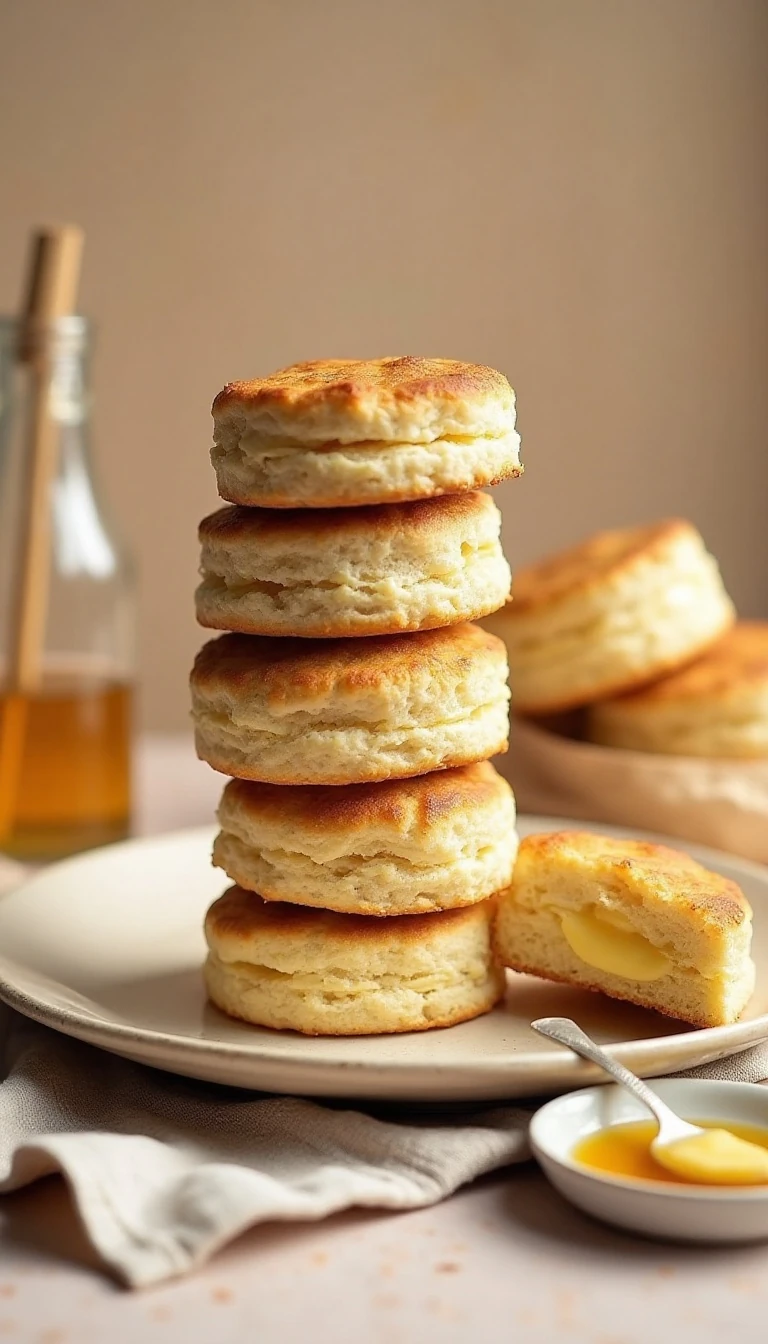
Easy 20-Minute Homemade Biscuits
Ingredients
Method
- Heat the oven to 450°F (230°C), then line a baking sheet with parchment paper or lightly grease it.
- Whisk together the flour, baking powder, salt, and sugar in a large bowl.
- Cut in the cold cubed butter with a pastry cutter or your fingertips until coarse crumbs form, leaving some pea-sized butter pieces.
- Pour in the cold milk or buttermilk and stir only until a shaggy dough forms. Do not overmix.
- Turn the dough onto a lightly floured surface, gently pat or fold it 3–4 times, and press it to about 3/4-inch thickness.
- Cut 8 rounds with a 2- to 2 1/2-inch biscuit cutter, pressing straight down without twisting.
- Arrange the biscuits close together for softer sides or spaced apart for crisper sides.
- Bake for 10–12 minutes, until puffed and lightly golden. Serve warm.
Notes
Final Thoughts
This easy 20-minute homemade biscuits recipe proves that fresh bread does not need to take all morning. With a handful of everyday ingredients, cold butter, a few gentle folds, and a hot oven, you can make 8 golden biscuits with tender centers and flaky layers.
Choose milk for a classic mild flavor or buttermilk for a tangy, tender crumb. Keep the dough shaggy, cut straight down, and serve the biscuits warm for the best texture.
Whether they accompany breakfast, soup, chili, or a celebratory dinner, these quick biscuits are the kind of recipe worth keeping close. Once you taste the buttery layers straight from the oven, you may find yourself making a batch whenever a meal needs something warm and homemade.