These easy homemade beignets are soft, puffy, golden New Orleans-style doughnuts made with yeast, evaporated milk, eggs, and shortening. Roll the rich dough to about 1/4-inch thickness, cut it into squares, fry the pieces at 350–360°F, and cover them generously with confectioners’ sugar while they are still warm.
Each beignet has a lightly crisp exterior and a tender, airy center that practically begs for a cup of coffee. The dough can rise for about 1 hour, or you can refrigerate it overnight for deeper flavor and easier handling the next day.
Jump to RecipeWhy You’ll Love This Recipe

There is something wonderfully festive about serving a basket of warm beignets, especially when a thick snowfall of confectioners’ sugar covers every corner. This Cafe Du Monde-style recipe delivers that familiar New Orleans coffeehouse experience without requiring a special machine or complicated pastry technique.
The dough is rich from evaporated milk, eggs, and shortening, yet it remains soft enough to roll and cut easily. When the squares hit properly heated oil, they puff dramatically, creating a crisp shell and a light, hollow center.
- Makes about 3–4 dozen, depending on the cutter size.
- Requires only 30–40 minutes of active preparation.
- Can be prepared with a one-hour rise or refrigerated overnight.
- Uses simple pantry and refrigerator ingredients.
For a full breakfast spread, pair these sugar-dusted treats with savory dishes such as crispy roasted potatoes. The contrast between buttery, salty potatoes and sweet beignets makes a relaxed weekend brunch feel extra special.
Ingredients You’ll Need
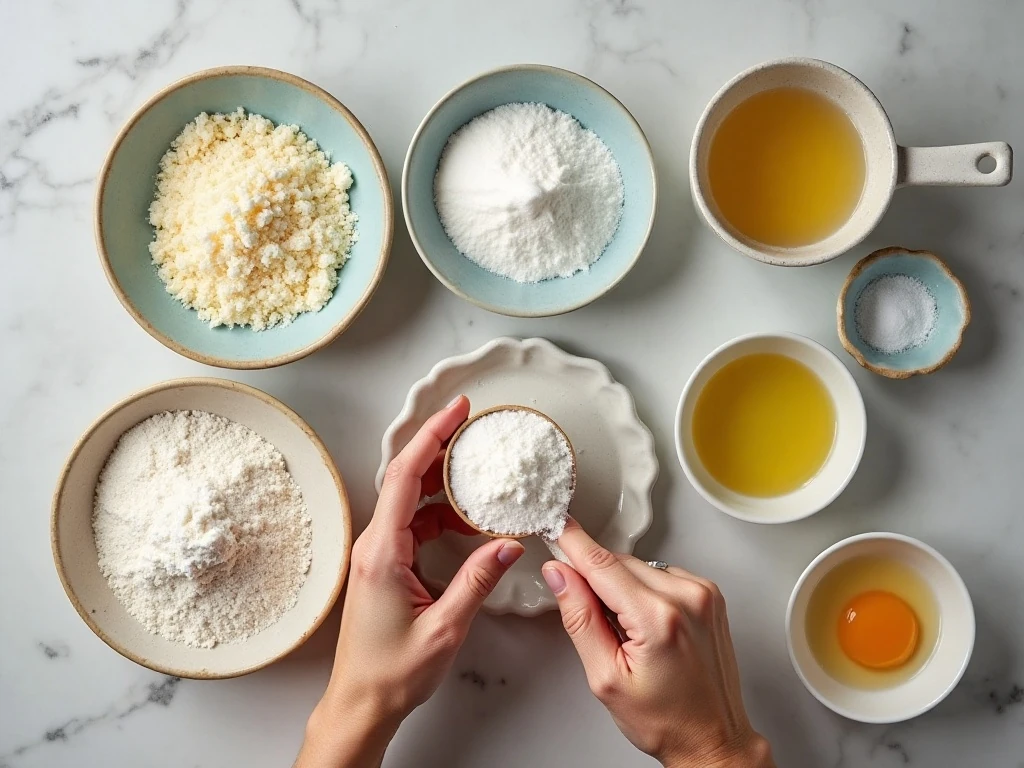
Warm water activates the yeast, while sugar gives the yeast food and adds a gentle sweetness to the dough. The water should be warm but not hot, ideally 105–110°F; water that is too hot can damage the yeast.
Evaporated milk contributes richness without adding the extra water found in regular milk. Eggs provide structure and tenderness, and shortening helps create the soft texture associated with many Cafe Du Monde-style copycat doughs.
- Yeast base: 1 1/2 cups warm water, 1/2 cup granulated sugar, and 1 envelope active dry yeast.
- Rich additions: 2 beaten eggs, 1 1/4 cups evaporated milk, 2 teaspoons fine salt, and 1/4 cup shortening.
- Flour: 7–7 1/2 cups all-purpose flour, added gradually.
- Frying: 2–3 quarts vegetable, canola, or peanut oil.
- Finishing: 1 1/2–2 cups confectioners’ sugar for a generous coating.
Measure the flour carefully, but do not feel obligated to use every cup listed. Humidity, egg size, and the way flour is measured can change the final amount, so let the dough’s texture guide you.
For another sweet recipe that works beautifully on a brunch table, try this soft peach bread alongside the beignets.
How to Make It Step-by-Step
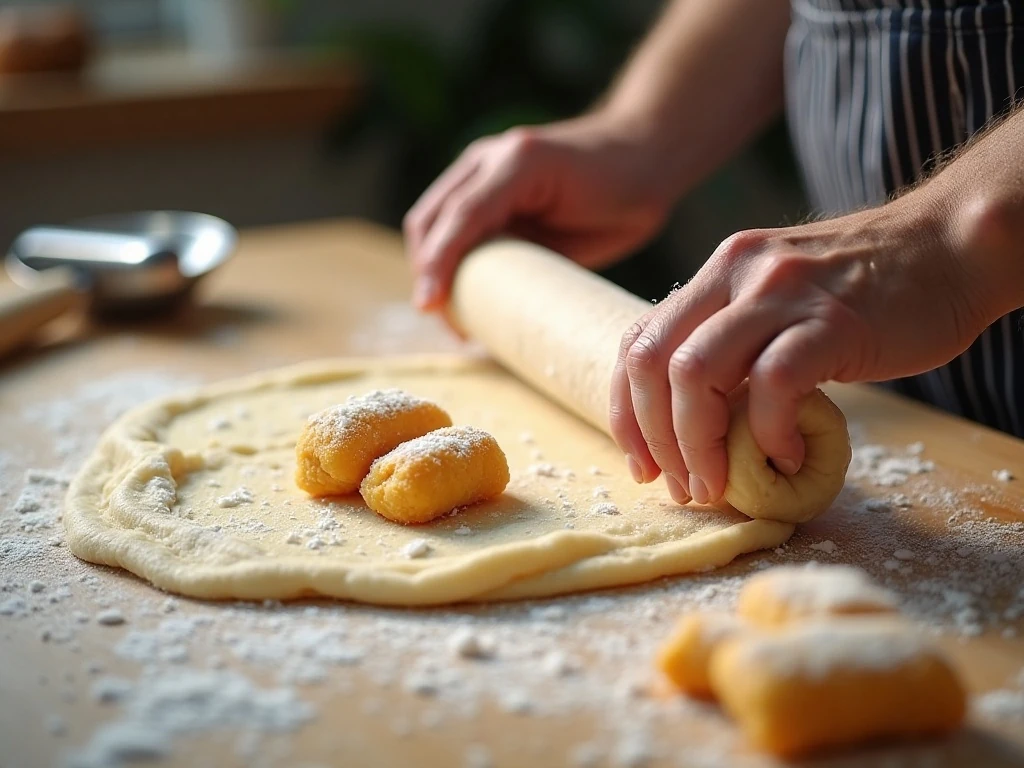
Step 1: Start the yeast by combining the warm water, granulated sugar, and active dry yeast in a large mixing bowl. Let it stand for 5–10 minutes, until a foamy layer appears on top; this is a useful sign that the yeast is active.
Step 2: In a separate bowl, whisk the beaten eggs, evaporated milk, and salt until blended. Pour the mixture into the yeast bowl, then add the softened shortening or shortening that has been melted and cooled slightly.
Step 3: Stir in about 4 cups of flour to form a thick, sticky mixture. Continue adding flour gradually, mixing after each addition, until the dough comes together and feels soft, workable, and only slightly sticky.
Step 4: Knead the dough by hand for about 8–10 minutes, or knead it with a dough hook for approximately 5–7 minutes. It should become smoother and more elastic as you work it, but it does not need to feel dry or firm.
Step 5: Place the dough in a lightly greased bowl and turn it once so the surface is lightly coated. Cover the bowl and let the dough rise for about 1 hour, until doubled in size; for better flavor and easier rolling, refrigerate it overnight instead.
Step 6: Turn the dough onto a well-floured work surface and roll it to approximately 1/4-inch thickness. A thicker sheet is important because it gives the beignets room to puff and form their characteristic airy middle.
Step 7: Cut the dough into 2 1/2- to 3-inch squares using a sharp knife or pizza cutter. Gather scraps, gently press them together, and reroll them once so you can use as much dough as possible without overworking it.
Step 8: Pour the oil into a deep, heavy pot and heat it to 350–360°F (175–182°C). Fry only a few pieces at a time, leaving room for them to move and puff; crowded oil cools quickly and can make the dough greasy.
Step 9: Fry the squares for about 1–1 1/2 minutes on the first side, then turn them and fry for another 1–1 1/2 minutes. Remove them when both sides are puffed and golden brown, adjusting the heat as needed to keep the oil within the target range.
Step 10: Drain each batch briefly on a wire rack or paper towels. While the beignets are still hot, coat them generously with confectioners’ sugar and serve immediately.
Chef’s Tips for Light, Puffy Beignets

The most important tool for frying is a reliable thermometer. Oil near 360°F cooks the outside quickly while allowing the center to finish; oil that falls too cool produces heavy, greasy beignets, while oil that is too hot can brown the outside before the center cooks.
Do not add all of the flour automatically. Begin with the recommended 4 cups, then add the rest in small amounts until the dough is smooth and elastic. A slightly sticky dough is preferable to one that feels dry, because excess flour often leads to dense results.
- Flour the rolling surface generously, but brush away excess flour before frying.
- Keep cut squares lightly covered so they do not develop a dry skin.
- Fry in small batches and allow the oil to return to temperature between batches.
- Turn each beignet once for even browning.
- Dust with sugar immediately, while the surface is still warm enough for the sugar to cling.
For a classic serving ritual, place several warm beignets in a paper bag or large bowl, add confectioners’ sugar, and shake carefully. This distributes the sugar into the creases and gives every bite a generous coating.
If you are planning a larger breakfast or dessert table, a fresh fruit dish such as this light mandarin orange dessert adds a cool, citrusy contrast to the warm fried dough.
Overnight Dough and Make-Ahead Advice
Overnight refrigeration is optional, but it is a popular choice for this style of beignet. After mixing and kneading, cover the dough tightly and refrigerate it rather than leaving it at room temperature for the full rise.
The chilled dough develops more flavor and is easier to manage when rolled. The next day, let it sit briefly if it feels very firm, then roll, cut, and fry as directed.
Because the best texture is fresh from the fryer, prepare only as many beignets as you plan to serve. You can keep the remaining dough covered and chilled while the first batches are being cooked.
For a savory make-ahead companion to a weekend spread, this ham and pineapple salad can be prepared ahead and served cold while the beignets are finished.
Serving, Storing, and Reheating
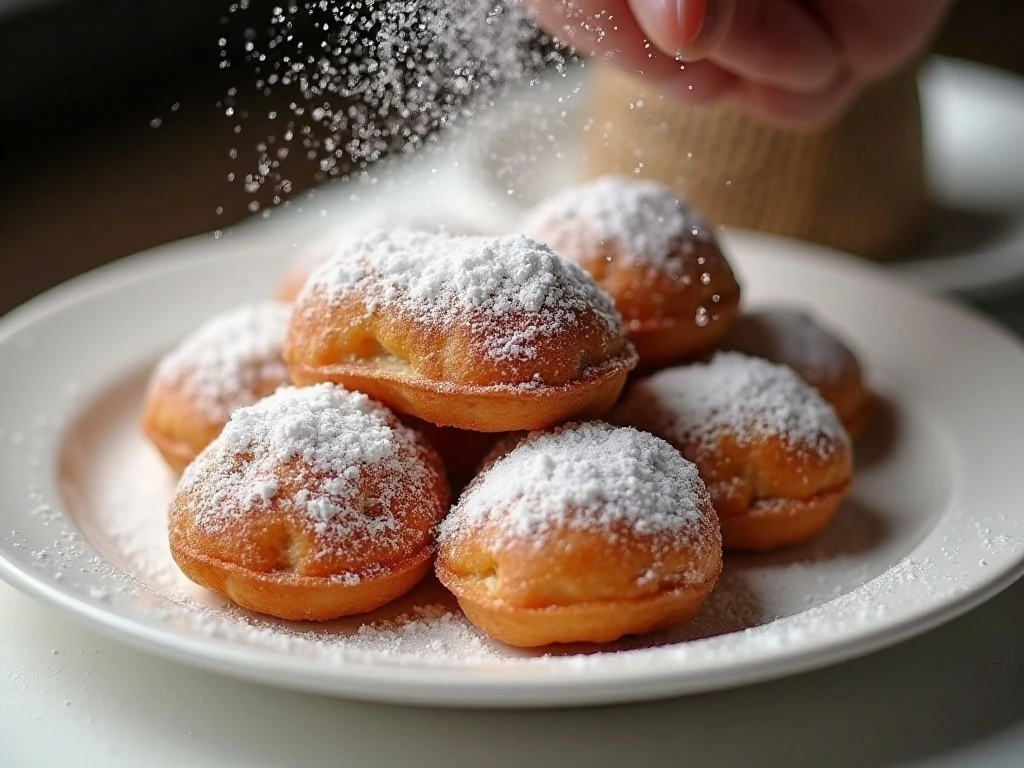
Serve beignets as soon as possible after frying, with coffee, tea, or cold milk. The generous confectioners’ sugar coating is part of the experience, so do not be shy when dusting them.
Leftovers can be stored in an airtight container at room temperature for a short period, although they will gradually lose their crispness. Reheat them briefly in a 300°F oven until warm, then add a fresh dusting of confectioners’ sugar before serving.
- Best serving temperature: Warm, immediately after frying.
- Best topping: A heavy coating of confectioners’ sugar.
- Best beverage pairing: Strong coffee, chicory coffee, or café au lait.
- Best texture tip: Avoid sealing very hot beignets in a container, since trapped steam can make them soggy.
If you enjoy making your own breakfast toppings, a small bowl of homemade everything bagel seasoning is another useful kitchen staple, though keep it for savory toast and bagels rather than these sweet beignets.
Common Questions About Homemade Beignets
Why did my beignets not puff? The dough may have been rolled too thin, the yeast may not have activated, or the oil temperature may have been incorrect. Rolling to about 1/4 inch and maintaining 350–360°F gives the pieces the best chance to puff properly.
Can I use regular milk instead of evaporated milk? Evaporated milk is a key part of the rich, Cafe Du Monde-style formula, so use it when possible. Substituting can change the dough’s richness and texture.
How much flour should I use? The recipe calls for 7–7 1/2 cups, but the correct amount depends on your kitchen conditions. Add it gradually and stop when the dough is soft, smooth, and slightly sticky.
Can I fry all the dough at once? No. Fry a few squares at a time so the pieces have room to puff and the oil temperature remains stable. Overcrowding often results in uneven browning and greasy dough.
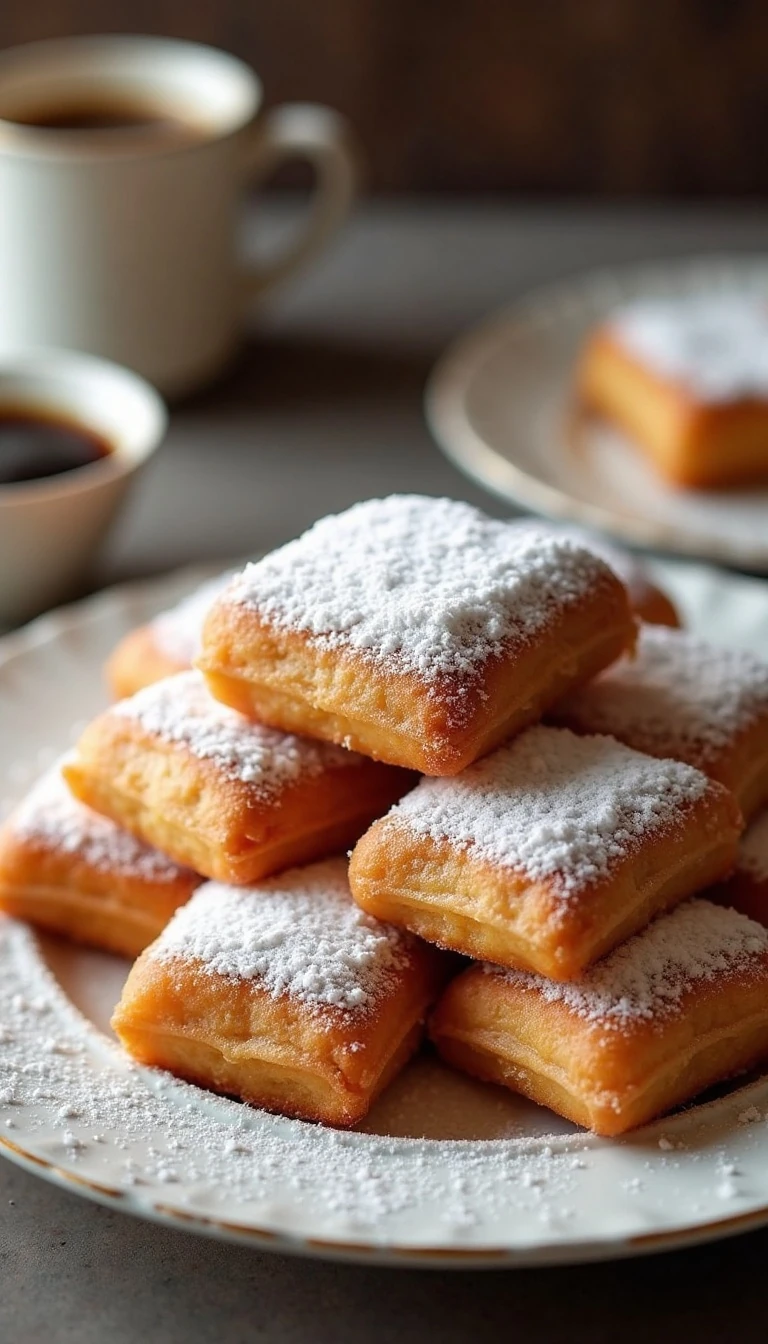
Easy Homemade Beignets Recipe (Cafe Du Monde Style)
Ingredients
Method
- Combine the warm water, granulated sugar, and active dry yeast in a large bowl. Let the mixture stand for 5–10 minutes, until the yeast becomes foamy.
- Whisk the beaten eggs, evaporated milk, and fine salt together in a separate bowl. Add this mixture and the shortening to the foamy yeast mixture.
- Stir in about 4 cups of flour until combined. Add the remaining flour gradually, stopping when the dough is soft, smooth, and slightly sticky rather than stiff.
- Knead the dough by hand for 8–10 minutes, or use a dough hook for approximately 5–7 minutes. Place it in a lightly greased bowl, cover, and let it rise for about 1 hour, until doubled; alternatively, refrigerate it overnight.
- Roll the dough on a well-floured surface to approximately 1/4-inch thickness. Cut it into roughly 2 1/2- to 3-inch squares and keep the cut pieces lightly covered while the oil heats.
- Heat 2–3 quarts of oil in a deep, heavy pot to 350–360°F (175–182°C). Fry a few squares at a time for about 1–1 1/2 minutes per side, turning once, until puffed and golden brown.
- Transfer the hot beignets to a rack or paper towels to drain briefly. Dust them heavily with confectioners’ sugar immediately and serve warm.
Notes
Final Thoughts
These homemade Cafe Du Monde-style beignets turn a handful of everyday ingredients into a memorable New Orleans-inspired treat. The rich yeast dough, careful 1/4-inch rolling, and steady 350–360°F oil temperature are the keys to achieving golden squares with airy centers.
Make the dough the same day when you want beignets on the table quickly, or refrigerate it overnight for a more relaxed morning and deeper flavor. Finish every batch with a generous snowfall of confectioners’ sugar, serve them warm, and enjoy the kind of dessert that disappears almost as quickly as it reaches the table.
11 thoughts on “Easy Homemade Beignets Recipe (Cafe Du Monde Style)”