The quickest way to freeze rhubarb is to wash, dry, and cut fresh stalks into roughly 1/2-inch pieces, then freeze them in a single layer for 2–4 hours before transferring them to airtight freezer bags or containers. The standard method requires no cooking, takes about 10–15 minutes of preparation, and keeps rhubarb at its best for approximately 9–12 months.
Frozen rhubarb becomes tender when thawed, making it especially useful for pies, crisps, sauces, muffins, and jam. You can freeze it plain for maximum versatility or toss it with 1/4–1/2 cup granulated sugar per pound when you already know it is destined for a sweet dessert.
Jump to RecipeWhy You’ll Love This Recipe

Freezing rhubarb is one of the easiest ways to preserve a seasonal harvest without turning on the stove. The raw-freezing method protects the bright, tart character of the stalks while giving you convenient portions for baking and cooking throughout the year.
There is no complicated syrup, special equipment, or lengthy preparation. A pound of fresh rhubarb yields approximately 3–4 cups chopped, which is a useful amount to keep on hand for a small dessert, a batch of muffins, or a fruit sauce.
The most important trick is freezing the pieces individually before packing them. This prevents a solid frozen block and lets you measure only what you need for your next recipe.
Once your rhubarb is ready, fold it into our rhubarb muffins with crumb topping for a tender breakfast treat. The tart pieces make a lovely contrast to buttery crumbs and a soft, lightly sweet muffin.
Ingredients You’ll Need
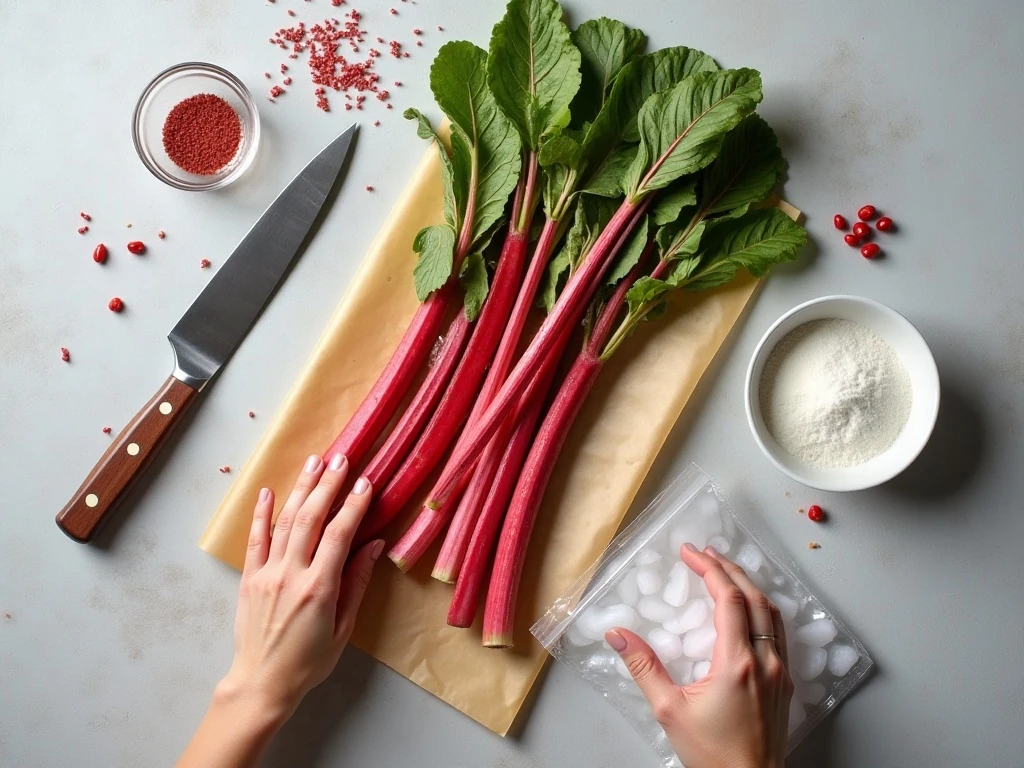
Start with 1 pound of fresh rhubarb, equal to approximately 3–4 cups after chopping. Choose firm, brightly colored stalks without mushy spots, excessive bruising, or shriveled ends.
- 1 pound fresh rhubarb: The leaves must be removed and discarded because they are not edible.
- Optional 1/4–1/2 cup granulated sugar: Use this only when you want sweetened rhubarb ready for desserts.
- Parchment paper: This keeps the chopped pieces from sticking to the baking sheet.
- Freezer bags or airtight containers: Choose sturdy packaging that can be labeled and sealed tightly.
- Water and ice: Keep these available if you choose the optional blanching method.
Unsweetened rhubarb is the most flexible choice because you can control the sweetness later. Sugar-packed rhubarb is convenient for pies, crisps, and sauces, but remember that the added sugar becomes part of the finished recipe.
For another seasonal preserve, use some of your frozen stalks in this flavorful strawberry rhubarb jam. The combination of berries and tart rhubarb makes a beautiful spread for toast, biscuits, or warm pastries.
How to Make It Step-by-Step

Step 1: Remove the leaves and trim the stalks. Cut off and discard all leaves, then slice away the dry stem ends; never freeze the leaves along with the edible stalks.
Step 2: Wash and dry the rhubarb carefully. Rinse away soil and grit under cool water, then pat the stalks dry with clean towels and allow them to air-dry briefly if needed.
Step 3: Chop the stalks into roughly 1/2-inch pieces. Keeping the pieces similar in size helps them freeze evenly and makes it easy to scoop a consistent amount into recipes later.
Step 4: Decide whether to freeze the rhubarb plain or sweetened. For plain rhubarb, move directly to the tray; for sweetened rhubarb, toss the pieces with 1/4–1/2 cup sugar per pound and let them stand briefly until the sugar starts to dissolve.
Step 5: Arrange unsweetened pieces on a parchment-lined baking sheet in one layer. Leave a little space between pieces whenever possible so cold air can circulate and the pieces freeze separately.
Step 6: Freeze the tray for 2–4 hours, or until every piece is firm. Do not rush this stage, since thoroughly firm pieces are much less likely to stick together inside the storage bag.
Step 7: Pack and label the frozen rhubarb. Transfer it to freezer bags or airtight containers, press out excess air, seal tightly, and write the date and quantity on each package before returning it to the freezer.
Step 8: Use the rhubarb frozen or thaw it only when necessary. Frozen pieces can usually go directly into baked recipes, while thawed rhubarb works well when a recipe specifically calls for softened fruit or drained liquid.
Optional Blanching Method

Blanching is not essential for short- or medium-term storage, but it can help maintain rhubarb’s attractive color. It is a useful option when you want the frozen stalks to retain a particularly fresh-looking appearance.
Bring a pot of water to a boil, add the chopped rhubarb, and blanch it for exactly 1 minute. Drain the pieces immediately, then transfer them to an ice-water bath to stop the cooking.
Drain the cooled rhubarb very well and dry it thoroughly before placing it on the parchment-lined tray. Any remaining surface moisture can create ice crystals, so take a moment to blot the pieces carefully.
Blanching softens the rhubarb slightly, so it remains best suited to cooked recipes. It does not turn frozen rhubarb into a good raw snack, since freezing naturally makes the stalks softer after thawing.
For a bright dessert pairing after your freezer project, try our easy lime bars. Their creamy citrus flavor provides a refreshing counterpoint to rhubarb’s tangy fruitiness.
Pro Tips for Better Frozen Rhubarb
Drying is the small detail that makes a major difference. Surface moisture freezes into crystals, and those crystals can encourage freezer burn, dull the texture, and leave the pieces clumped together.
- Use fresh, firm stalks for the best color and flavor.
- Cut pieces evenly so they freeze and cook at a similar rate.
- Freeze in a single layer before packing to keep pieces loose.
- Press excess air from bags without crushing the rhubarb.
- Label every package with both the date and quantity.
- Store smaller portions if you often make individual desserts or sauces.
Do not worry if the frozen rhubarb looks slightly darker or releases juice after thawing. That liquid contains flavor and can usually be included in cooked recipes, although you may need to reduce another liquid slightly if a recipe is very precise.
Keep breakfast and dessert planning easy by storing rhubarb alongside other useful freezer ingredients. If you are preparing a weekend brunch, our guide to fast, perfectly cooked bacon makes a savory companion for rhubarb muffins.
Storage, Thawing, and Best Uses

Properly packaged rhubarb keeps its best quality for about 9–12 months in the freezer. It may remain safe beyond that period when continuously frozen, but its color, texture, and flavor can gradually decline.
Thaw rhubarb in the refrigerator when a recipe calls for thawed fruit. Set it in a bowl to catch the liquid, and drain only if the recipe instructions require it.
For most pies, crisps, cobblers, sauces, and muffins, frozen rhubarb can be added directly to the mixture. Expect it to release extra liquid as it cooks, and follow the recipe’s guidance for thickening or baking time.
Frozen rhubarb is not ideal for eating raw because the stalks soften after freezing. It is at its best transformed into something warm, saucy, jammy, or tender from the oven.
Try the frozen pieces in a breakfast compote, spoon them over oatmeal, or combine them with strawberries for a ruby-red filling. They also bring a pleasantly sharp flavor to cakes and pair beautifully with vanilla, ginger, cinnamon, orange, and lemon.
When you want another tart dessert for the same baking session, our easy lemon squares offer a sunny citrus finish. Their buttery base and bright topping complement the bold flavor of rhubarb without competing with it.
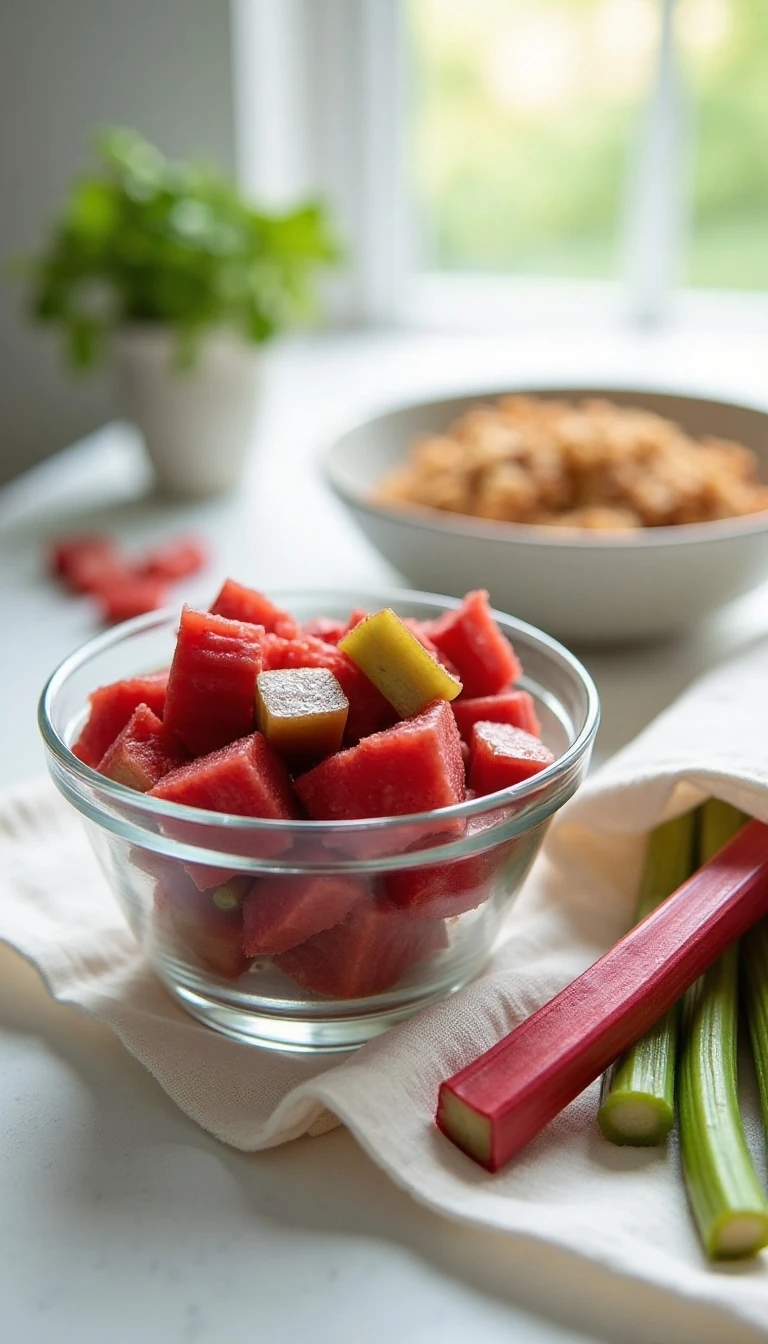
The Quick and Easy Way to Freeze Rhubarb for Storage
Ingredients
Method
- Remove and discard every rhubarb leaf, then trim the stem ends. Wash the stalks thoroughly and dry them very well before cutting.
- Cut the clean rhubarb into roughly 1/2-inch pieces. This practical size works well in pies, crisps, sauces, muffins, and other cooked recipes.
- For unsweetened rhubarb, arrange the pieces in a single layer on a parchment-lined baking sheet. Freeze for 2–4 hours, or until the pieces are firm.
- Transfer the frozen pieces to labeled freezer bags or airtight containers. Press out as much excess air as possible, seal securely, and return the packages to the freezer.
- For sweetened rhubarb, toss the chopped pieces with 1/4–1/2 cup sugar per pound. Let the mixture stand briefly until the sugar begins to dissolve, then package and freeze.
- If you prefer to blanch, place the chopped rhubarb in boiling water for 1 minute. Drain immediately, cool it in ice water, drain again, and dry it thoroughly before tray-freezing.
Notes
Final Thoughts
Freezing rhubarb takes little more than a knife, a baking sheet, and a few minutes of preparation. Remove the leaves, dry the stalks thoroughly, cut them into 1/2-inch pieces, tray-freeze for 2–4 hours, and package the firm pieces in airtight containers or freezer bags.
Choose unsweetened rhubarb when you want maximum flexibility, or add 1/4–1/2 cup sugar per pound for dessert-ready portions. Blanching for 1 minute is optional and may help preserve color, but careful drying and individual tray-freezing are the steps that matter most.
With labeled packages waiting in the freezer, seasonal rhubarb can become muffins, pies, crisps, sauces, or jam long after the fresh stalks disappear from the market. Keep it frozen for the best quality within about 9–12 months, and enjoy a bright taste of the season whenever you need it.