This easy 3-ingredient peanut butter fudge recipe makes rich, creamy candy with just unsalted butter, creamy peanut butter, and sifted confectioners’ sugar. Melt the butter and peanut butter together, stir in the sugar, spread the mixture into a lined 8-inch square pan, and refrigerate it for at least 1 hour until firm.
Each bite has a soft, buttery texture, deep roasted peanut flavor, and just the right amount of sweetness. The recipe yields about twenty-four 1-inch pieces and takes only 5–10 minutes to prepare, 3–5 minutes to melt, and approximately 1 hour 15 minutes to 2 hours from start to finish.
Jump to RecipeWhy You’ll Love This Recipe
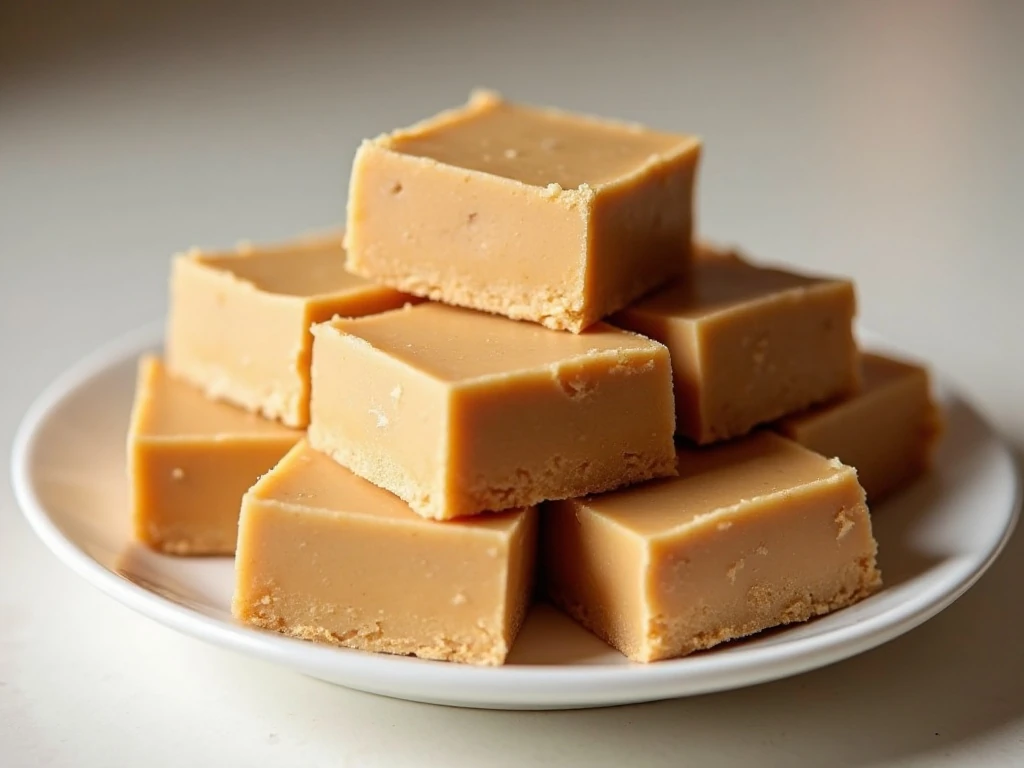
This peanut butter fudge is the kind of homemade candy that looks impressive while requiring very little effort. There is no candy thermometer, complicated sugar syrup, or long stovetop cooking time to manage.
The finished fudge is dense but tender, with a smooth melt-in-your-mouth texture. Butter rounds out the bold peanut flavor, while confectioners’ sugar dissolves into the warm mixture and gives the candy its characteristic creamy finish.
Because the recipe makes one 8-inch square pan, it is a practical choice for cookie trays, holiday gifts, bake sales, and casual family treats. Cut the slab into about twenty-four 1-inch pieces for a generous platter of bite-size candy.
If you enjoy peanut butter desserts with a baked, chewy texture too, you can also try these easy peanut butter cookies alongside the fudge for a varied dessert tray.
Ingredients You’ll Need
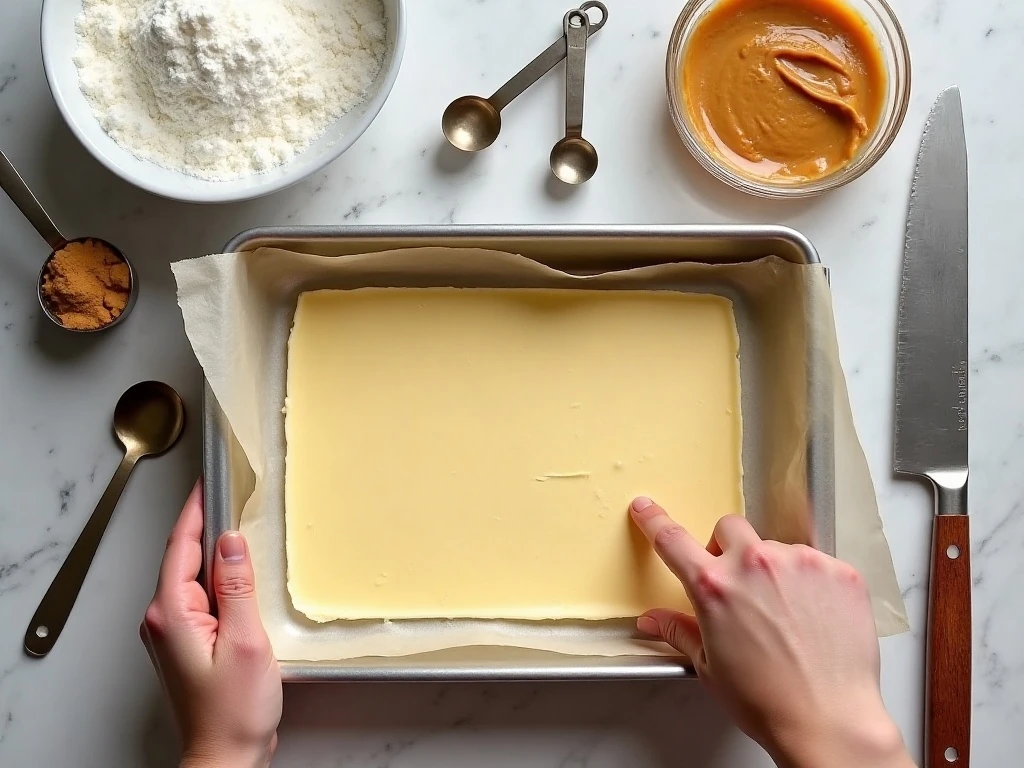
The ingredient list is wonderfully short, but each item matters. Use the measurements below for the texture and yield described in this recipe.
- 1 cup unsalted butter, or 226 g: Butter supplies richness and helps the fudge firm properly as it chills. Unsalted butter keeps the flavor balanced and lets the peanut butter remain the star.
- 1 cup creamy peanut butter, about 255–260 g: Conventional creamy peanut butter gives the most dependable consistency. It blends smoothly with the melted butter and creates a uniform bite without peanut pieces.
- 1 pound confectioners’ sugar, or 454 g, approximately 3 3/4 cups: Sift the sugar before adding it. This removes lumps and makes it much easier to achieve a smooth fudge mixture.
For the strict three-ingredient version, leave out vanilla extract. Some recipes add 1 teaspoon of vanilla, but including it would make this a four-ingredient fudge rather than a true three-ingredient recipe.
Before you begin, gather an 8-inch square pan, parchment paper or foil, a medium saucepan, a heatproof spatula, and a sharp knife. Having everything ready is useful because the mixture should be spread into the pan immediately after the sugar is incorporated.
How to Make It Step-by-Step
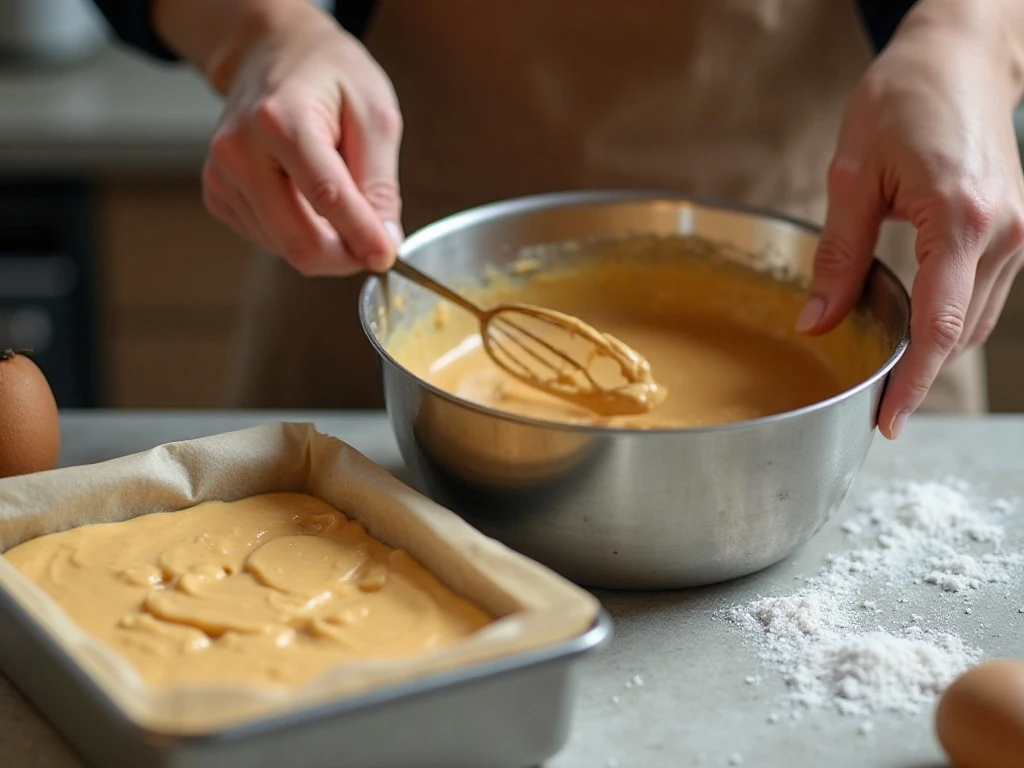
Step 1: Line an 8-inch square baking pan with parchment paper or foil, leaving several inches of overhang on two opposite sides. Press the lining into the corners as neatly as possible so the finished fudge will have straight edges and can be lifted out easily.
Step 2: Place the unsalted butter and creamy peanut butter in a saucepan over low heat. Stir frequently for about 3–5 minutes, just until both ingredients have melted together into a completely smooth mixture; gentle heat is important because boiling can cause separation and a greasy texture.
Step 3: Remove the saucepan from the heat before adding the sugar. Gradually stir in the sifted confectioners’ sugar, adding it in portions if necessary, and continue mixing until the fudge looks smooth with no dry pockets or visible streaks.
Step 4: Immediately transfer the warm mixture to the lined pan. Use a spatula to press and spread it into an even layer, paying attention to the corners so the slab has a consistent thickness from edge to edge.
Step 5: Refrigerate the pan until the fudge is firm, usually at least 1 hour. Depending on your refrigerator and the temperature of the mixture, the full chilling time may take 1–2 hours.
Step 6: Lift the chilled fudge from the pan using the parchment or foil overhang. Place it on a cutting board and slice it into approximately twenty-four 1-inch squares, wiping the knife between cuts if crumbs or sticky bits collect on the blade.
Pro Tips for Smooth Peanut Butter Fudge
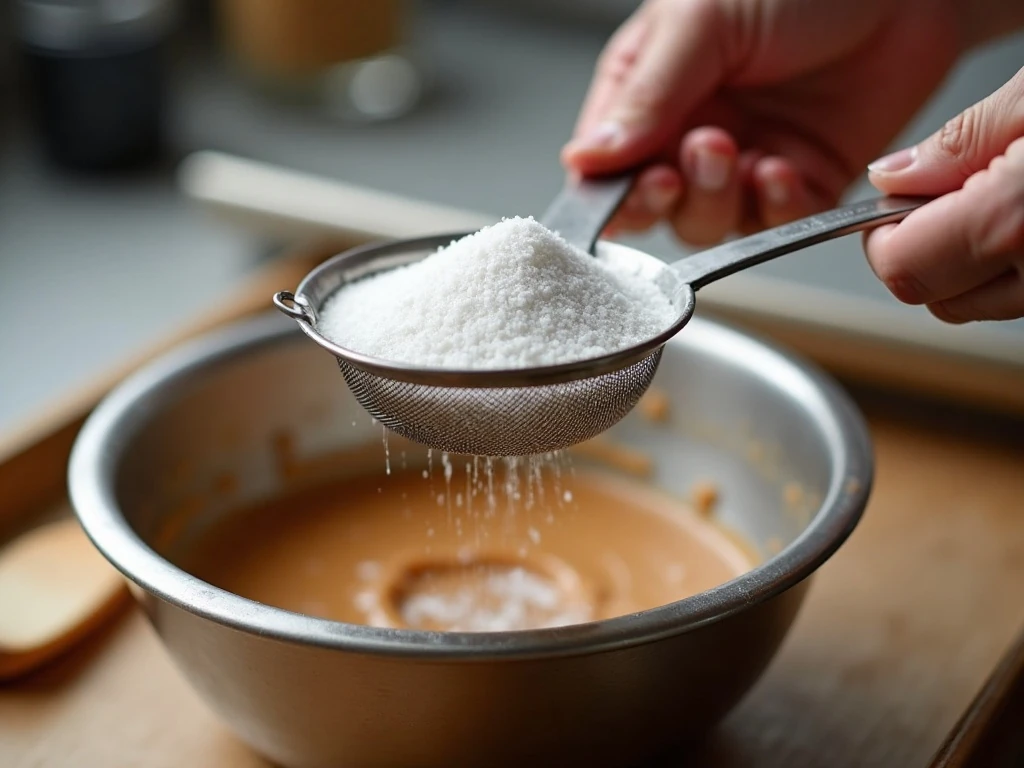
Sifting is the simplest way to improve the final texture. Confectioners’ sugar can compact in its package, and those small lumps may remain in the candy if the sugar is added directly from the bag.
Keep the butter and peanut butter over low heat and stir patiently. The goal is only to melt and combine them, not to cook them; bubbling, boiling, or prolonged heating can make the fats separate.
For a microwave method, place the butter and peanut butter in a microwave-safe bowl and heat in short intervals, stirring thoroughly between each interval. Stop as soon as the mixture is smooth, since residual heat will continue softening the ingredients.
Creamy conventional peanut butter is the safest choice for a firm, sliceable result. Natural peanut butter may work, but it must be thoroughly stirred first, and its separated oil can make the fudge softer or greasy.
Choose butter rather than margarine when possible. Butter offers a fuller flavor and generally gives the fudge better setting quality after refrigeration.
For clean cuts, chill the fudge fully and briefly warm a sharp knife under hot water. Wipe the blade completely dry, make one cut, and repeat the warming and drying process as needed.
For another candy inspired by this classic pairing, serve a few pieces with our homemade peanut butter cups. The contrasting chocolate coating makes a particularly inviting dessert assortment.
Storage, Cutting & Serving
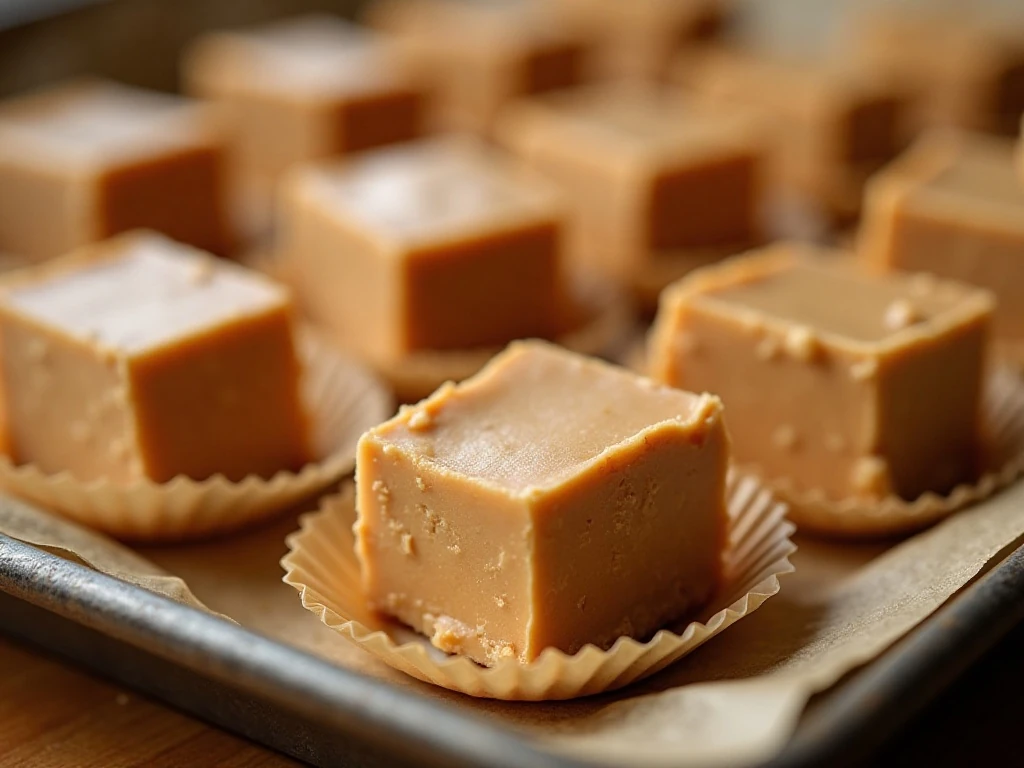
Keep the fudge chilled until you are ready to cut and serve it. Refrigeration helps the butter-based candy stay firm and keeps the pieces neat on a serving plate.
Store cut squares in an airtight container in the refrigerator, arranging them in layers with parchment between the layers if needed. This keeps the pieces from sticking together and protects the smooth surface from refrigerator odors.
Let the fudge sit at room temperature briefly before serving if you prefer a softer, creamier bite. Do not leave the entire pan out for a long period, especially in a warm kitchen, because the texture can become too soft.
For a dessert table, place the squares in small paper candy cups or arrange them on a platter with space between each piece. The simple presentation highlights the golden peanut color and makes the candy easy for guests to pick up.
If you are planning a larger sweets table, balance the rich fudge with something bright and citrusy, such as these easy lime bars. Their tart flavor provides a refreshing contrast to the buttery peanut candy.
Simple Variations and Pairing Ideas
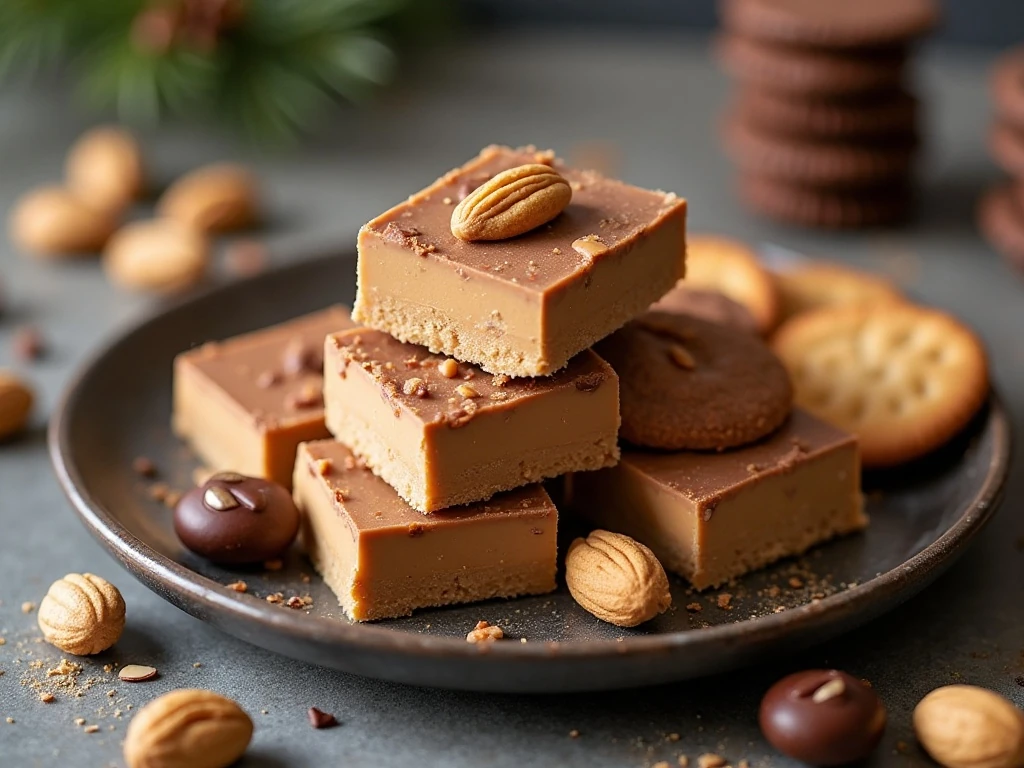
The basic recipe is intentionally plain so the peanut butter flavor stays clear, but you can change the presentation without altering the three-ingredient formula. Cut the fudge into smaller cubes for a candy bowl, or make slightly larger squares for gift boxes.
A light sprinkle of finely chopped roasted peanuts on top can add crunch, but add it immediately after spreading the fudge so the pieces adhere before chilling. This is an optional topping, not part of the strict three-ingredient base recipe.
You can also create a layered dessert plate by pairing the fudge with chocolate candies, crisp cookies, or fresh fruit. Keep portions small because the candy is rich and satisfying.
For seasonal entertaining, peanut butter fudge fits naturally beside caramel treats. A platter that includes easy stovetop caramel apples offers two nostalgic flavors without requiring a complicated candy-making project.
Although this recipe belongs in the candy category, it is also a useful make-ahead option for holiday meals. Prepare it while savory dishes are in progress, then let it chill while you organize the rest of the menu, including an easy bread stuffing for the dinner table.
Troubleshooting Common Problems
If the fudge seems greasy, the butter and peanut butter may have been overheated or the peanut butter may have contained separated oil. Keep the heat low next time and stir natural peanut butter thoroughly before measuring.
If dry sugar pockets remain, the confectioners’ sugar may not have been sifted or the mixture may have cooled before it was fully blended. Stir steadily after removing the pan from the heat, and add the sugar gradually for easier mixing.
If the fudge is too soft to cut, return it to the refrigerator and allow more chilling time. It usually needs at least 1 hour, but a full 1–2 hours may be necessary depending on the pan, refrigerator, and starting temperature.
If the edges look uneven, use the parchment overhang to lift out the slab and trim a very thin strip from each side before cutting the final pieces. A warm, dry knife will help create smooth lines without dragging through the fudge.
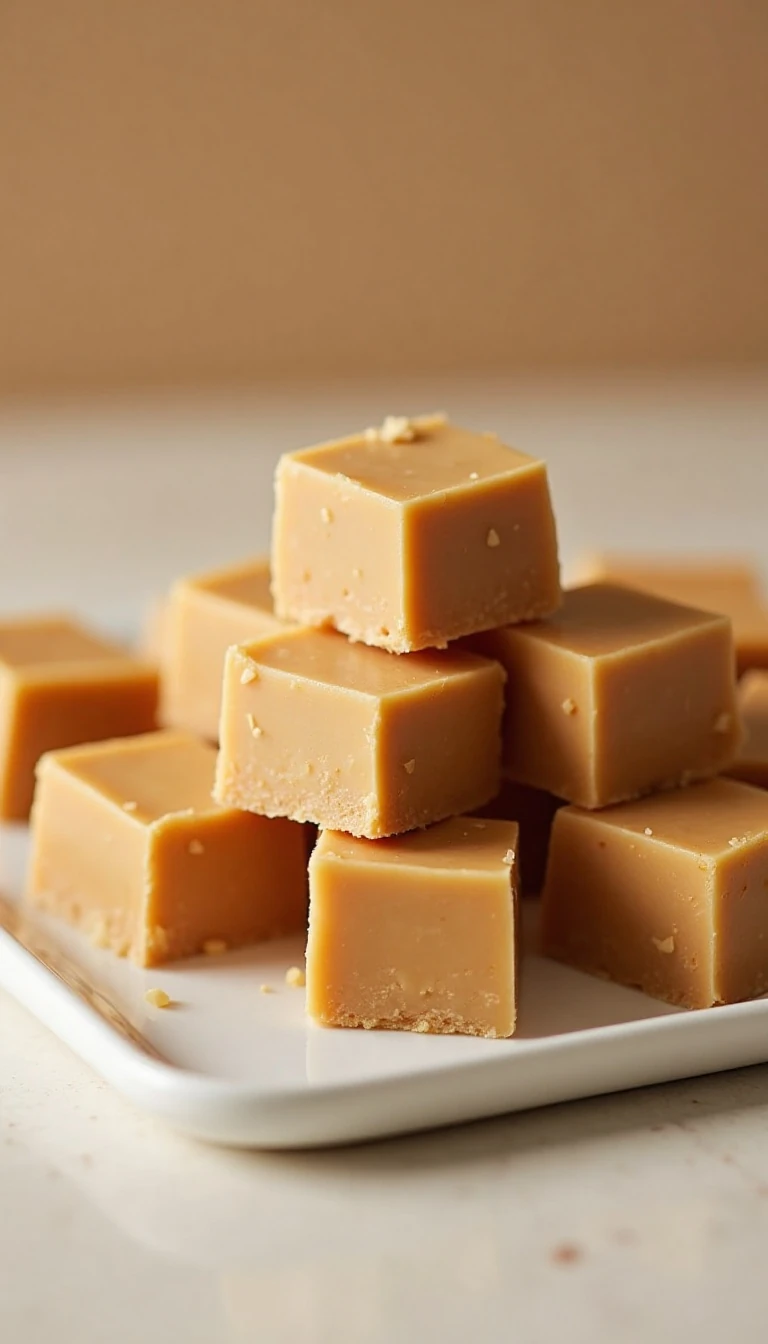
Easy 3-Ingredient Peanut Butter Fudge
Ingredients
Method
- Line an 8-inch square baking pan with parchment paper or foil, leaving enough overhang on two sides to lift out the chilled fudge.
- Melt the butter and creamy peanut butter together in a saucepan over low heat, stirring until completely smooth. Do not boil the mixture.
- Remove the saucepan from the heat and gradually stir in the sifted confectioners’ sugar until the mixture is smooth and no dry pockets remain.
- Immediately spread the fudge mixture evenly into the prepared pan, smoothing the surface with a spatula.
- Refrigerate for at least 1 hour, or until firm. Lift the fudge from the pan using the parchment or foil, then cut it into small squares with a sharp knife.
Notes
Final Thoughts
This easy 3-ingredient peanut butter fudge proves that homemade candy does not need a long ingredient list or advanced equipment. With 1 cup of butter, 1 cup of creamy peanut butter, and 1 pound of sifted confectioners’ sugar, you can make a rich 8-inch pan of smooth, tender squares.
Keep the melting gentle, mix the sugar in thoroughly, and give the fudge enough time to firm in the refrigerator. Those small details make the difference between crumbly, greasy candy and the creamy, sliceable texture everyone wants.
Once cut, the fudge is ready for holiday platters, edible gifts, afternoon treats, or a simple after-dinner bite. Make a batch, chill it well, and enjoy the classic combination of buttery richness and roasted peanut flavor in every square.