Grandma’s old-fashioned apple pie is made with six cups of thinly sliced apples, warm cinnamon and nutmeg, and a traditional all-shortening crust that bakes up exceptionally flaky. This recipe makes one 9-inch double-crust pie, serves about eight people, and requires 15 minutes of baking at 425°F followed by 35 to 45 minutes at 350°F.
Each slice delivers tender apples in a gently spiced, bubbling filling beneath a crisp, golden crust. The secret is keeping the shortening, water, and dough cold, then allowing the baked pie to cool for at least two hours so the juices thicken into a sliceable filling.
Jump to RecipeWhy You’ll Love This Recipe
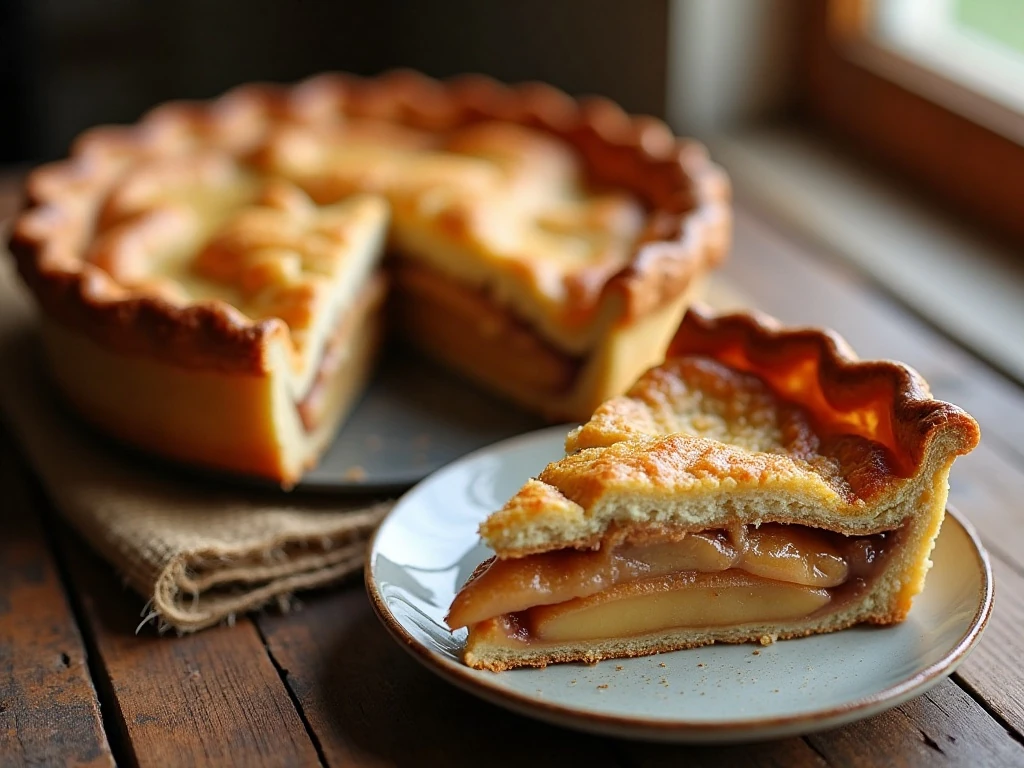
This is the kind of apple pie that makes a kitchen smell like a family celebration. The filling is sweet but warmly balanced by cinnamon, nutmeg, and a small amount of salt, while the shortening-based pastry gives every bite a delicate, crisp crumble.
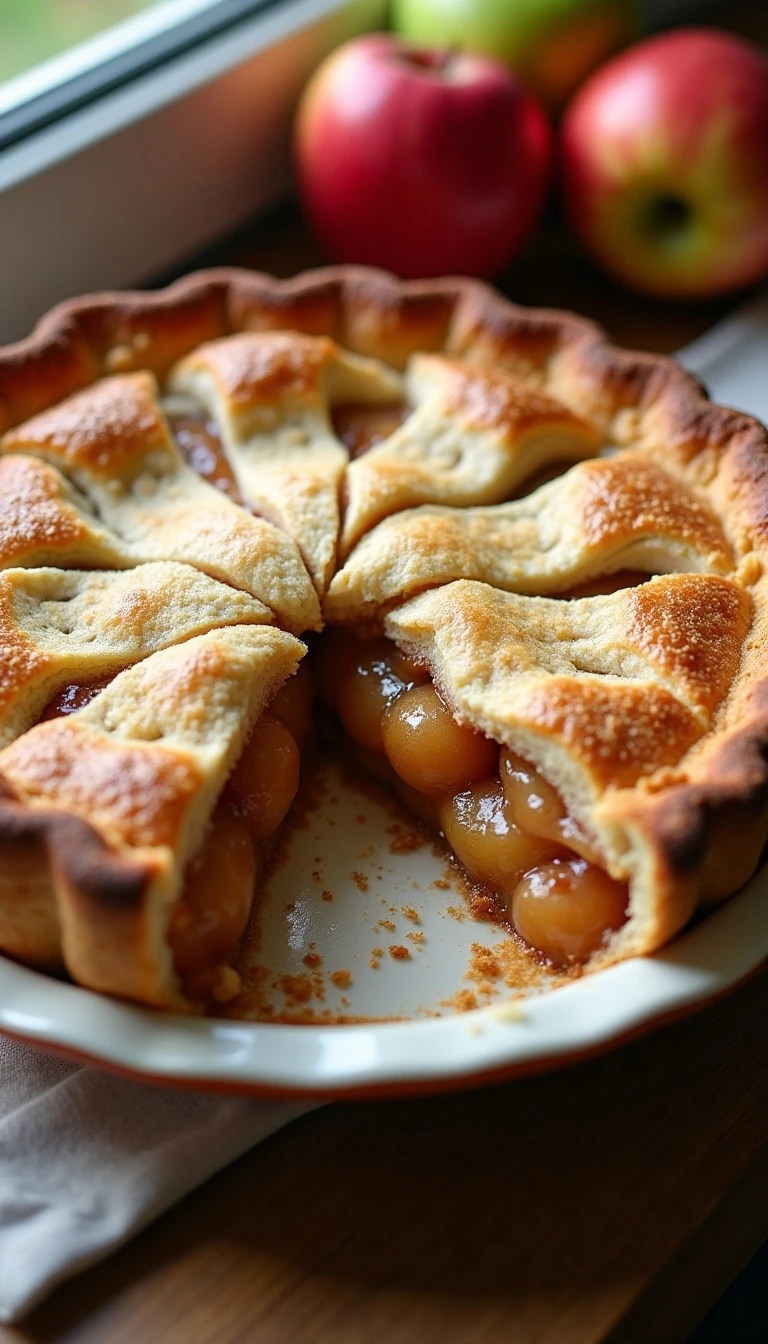
Unlike a pie that is judged only by its browned surface, this one is baked until the juices bubble visibly through the vents. That bubbling tells you the flour has thickened the apple juices, so the filling will be much less runny once the pie has cooled.
The recipe is also wonderfully practical. It uses familiar pantry ingredients, makes one generous 9-inch pie, and welcomes either a single apple variety or a mixture of tart and sweet apples.
For another cozy way to use apples at the table, you may also enjoy these savory apple stuffing muffins alongside a fall dinner.
Ingredients You’ll Need
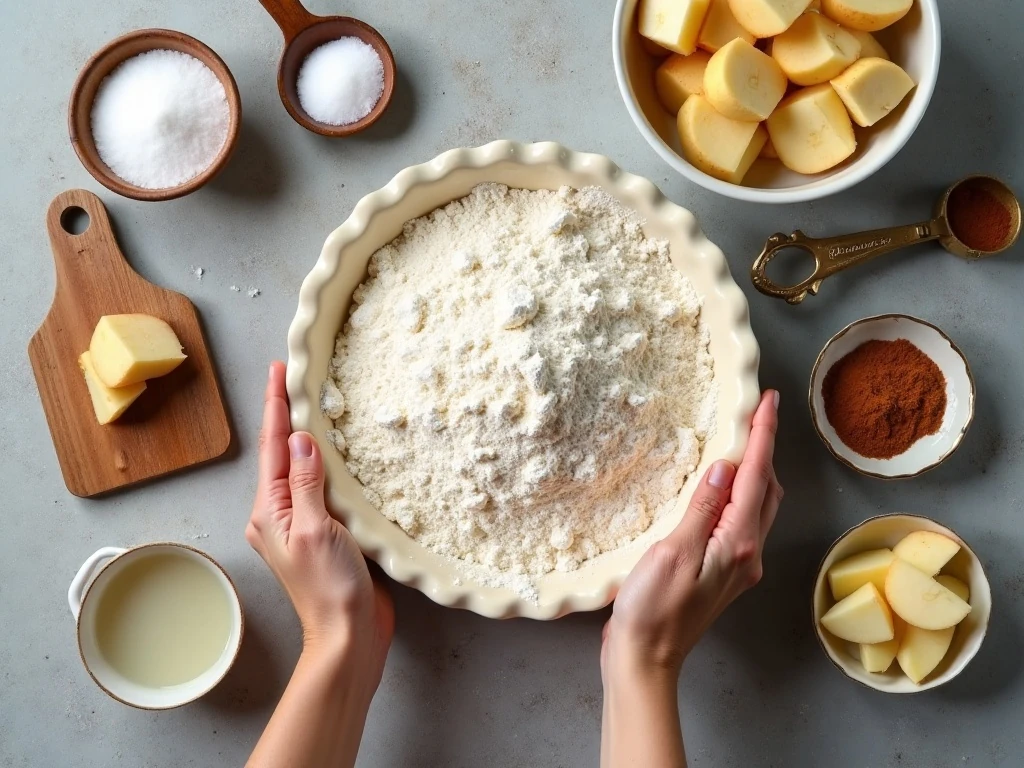
The crust requires 2 1/2 cups of all-purpose flour, 1 teaspoon of salt, 1 cup of chilled vegetable shortening, and 1/2 cup of ice water. Keep an extra 1 to 2 tablespoons of ice water nearby, but add it only if the dough truly needs help coming together.
For the filling, gather six cups of peeled, cored, thinly sliced apples, which is about six medium apples. Granny Smith, Cortland, Jonathan, and Rome apples all work well, and a mixture of tart and sweet varieties gives the pie a fuller flavor.
- 1 cup granulated sugar
- 2 tablespoons all-purpose flour
- 1 teaspoon ground cinnamon
- 1/4 teaspoon ground nutmeg
- 1/4 teaspoon salt
- 2 tablespoons butter, cut into small pieces
Milk or beaten egg and 1 teaspoon of granulated sugar are optional, but brushing and sprinkling the top gives the finished crust a lovely bakery-style shine and sparkle.
How to Make It Step-by-Step
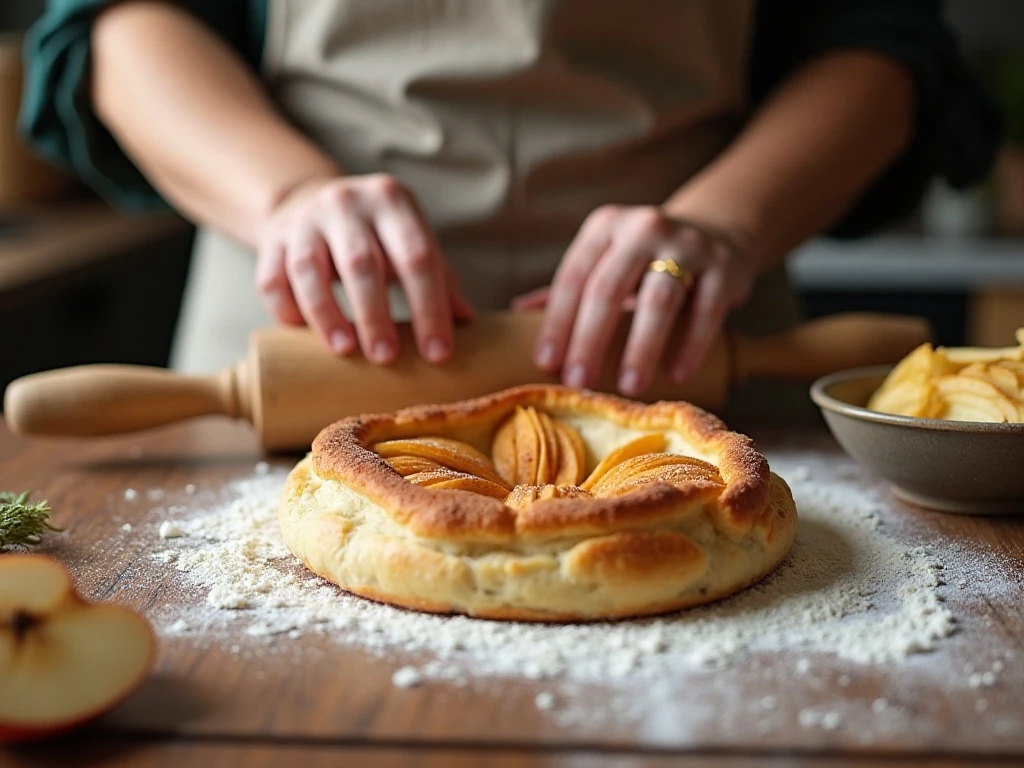
Step 1: Begin by whisking the flour and salt together in a large bowl. Add the chilled shortening and cut it in with a pastry blender or your fingertips until coarse crumbs form, leaving some pea-sized pieces visible for flaky layers.
Step 2: Drizzle in the ice water gradually while tossing the mixture with a fork. Stop as soon as the dough holds together; it should look slightly shaggy rather than smooth, because overmixing can make the crust tough.
Step 3: Turn the dough out and divide it into two equal disks. Wrap each disk and chill for at least 30 minutes, which gives the shortening time to remain firm and makes the dough easier to roll.
Step 4: While the dough chills, peel, core, and thinly slice the apples as evenly as possible. Place them in a bowl and toss with the sugar, flour, cinnamon, nutmeg, and salt, then let the mixture stand for about 10 minutes so the apples begin releasing their juices.
Step 5: Preheat the oven to 425°F (220°C). Roll one chilled dough disk into an approximately 11-inch round, fit it into a 9-inch pie plate, and gently settle it into the corners without stretching it.
Step 6: Spoon the seasoned apples into the crust, including the juices collected in the bowl. Dot the surface evenly with the small pieces of butter so they melt into the filling as the pie bakes.
Step 7: Roll the second dough disk into a round large enough to cover the pie. Place it over the apples, trim the excess pastry, and crimp the edges firmly to seal the two crusts together.
Step 8: Cut several vents in the top crust to allow steam to escape. If desired, brush the surface with milk or beaten egg and sprinkle with 1 teaspoon of granulated sugar for a lightly glossy, crisp finish.
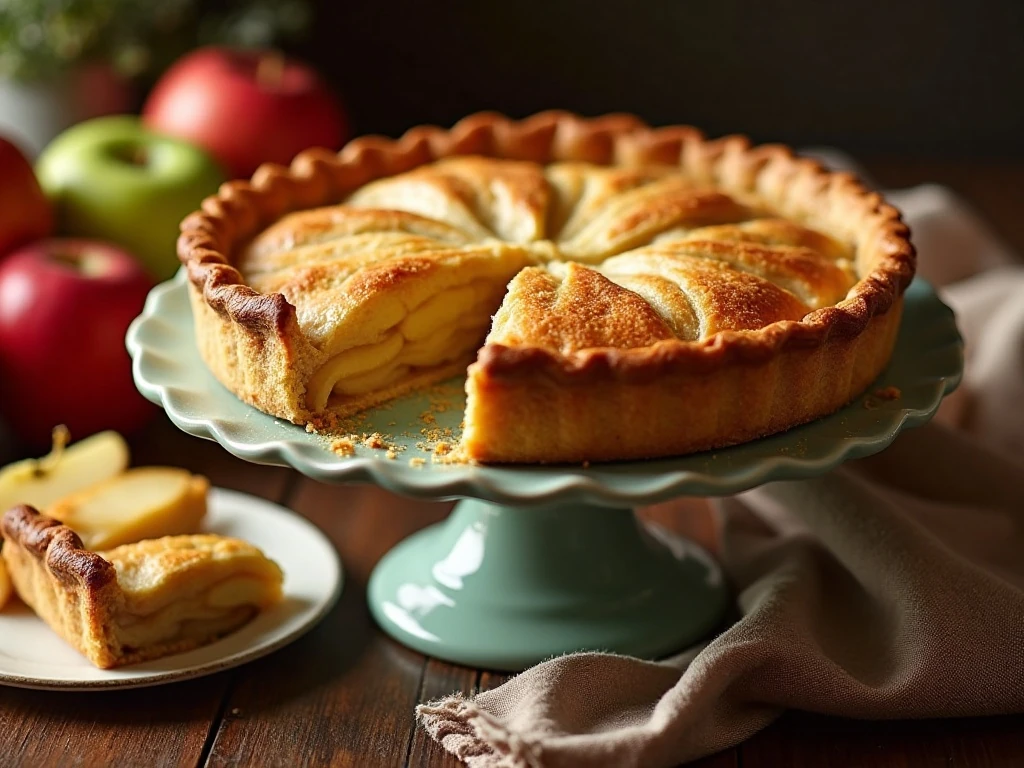
Step 9: Bake at 425°F (220°C) for 15 minutes, then reduce the oven temperature to 350°F (175°C). Continue baking for another 35 to 45 minutes, until the crust is golden and the apple filling is visibly bubbling through the vents.
Step 10: If the edges begin to brown too quickly, cover them loosely with foil while the center continues baking. Transfer the finished pie to a rack and cool for at least two hours before slicing.
How to Keep the Crust Amazingly Flaky
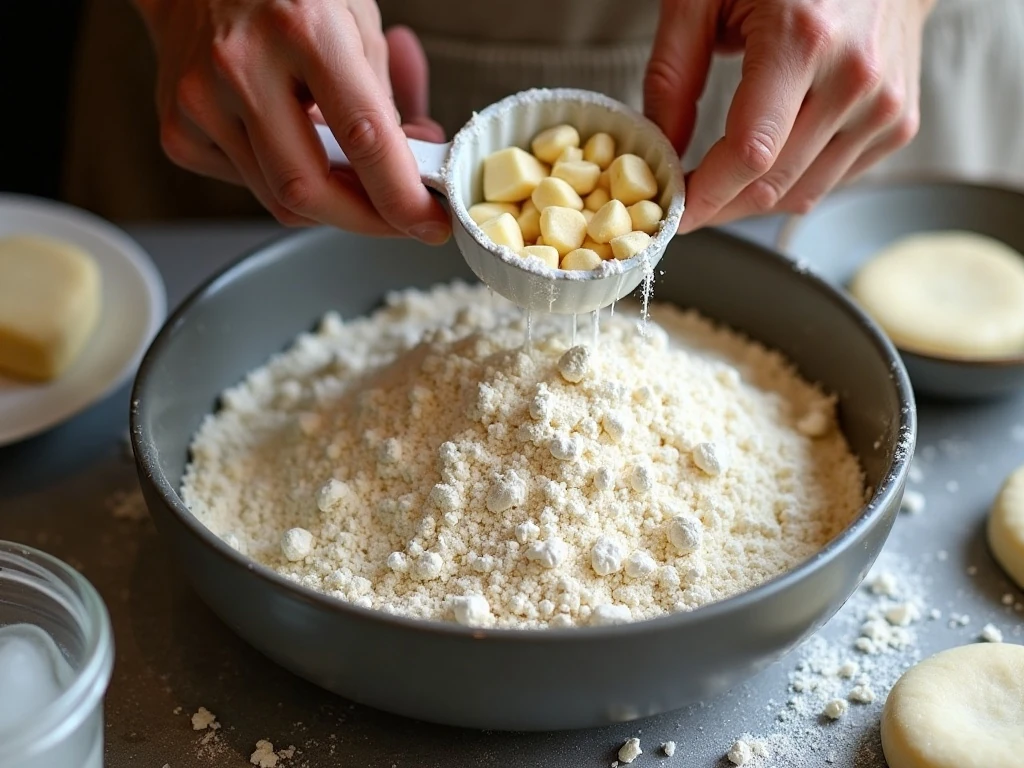
Cold ingredients are the foundation of this pastry. Chilled shortening and ice water prevent the fat from blending completely into the flour, leaving small pieces that create tender, flaky pockets in the baked crust.
Handle the dough as little as possible, especially after the water is added. A few dry-looking crumbs are preferable to a heavily kneaded dough, and the pastry will finish coming together as you divide it into disks.
When rolling, use confident strokes and turn the dough occasionally so it does not stick. If it becomes soft or difficult to work with, return it to the refrigerator rather than adding excessive flour.
The traditional version uses all shortening for an extra-flaky texture. Some bakers replace part of the shortening with cold butter for more buttery flavor, but the formula here follows the classic all-shortening style.
For a crisp top, avoid sealing every opening in the crust. The vents are important because they release steam and let you see when the filling is bubbling properly.
Choosing and Preparing the Apples
Granny Smith apples bring a bright tart flavor and hold their shape well. Cortland, Jonathan, and Rome apples are also suitable, and combining varieties creates more contrast in sweetness and texture.
Slice the apples thinly and evenly so they soften at a similar rate. Thick or uneven pieces can leave some fruit firm while other pieces become very tender.
Allowing the apple mixture to stand for about 10 minutes is a small but useful step. The sugar draws out juice, while the flour begins coating that liquid so it can thicken inside the crust rather than pool beneath it.
Apple season also makes a wonderful time to prepare a batch of crisp homemade apple chips for snacking. They are a simple companion to this pie when you want another fruit-filled treat on the dessert table.
Serving, Storage, and Make-Ahead Tips
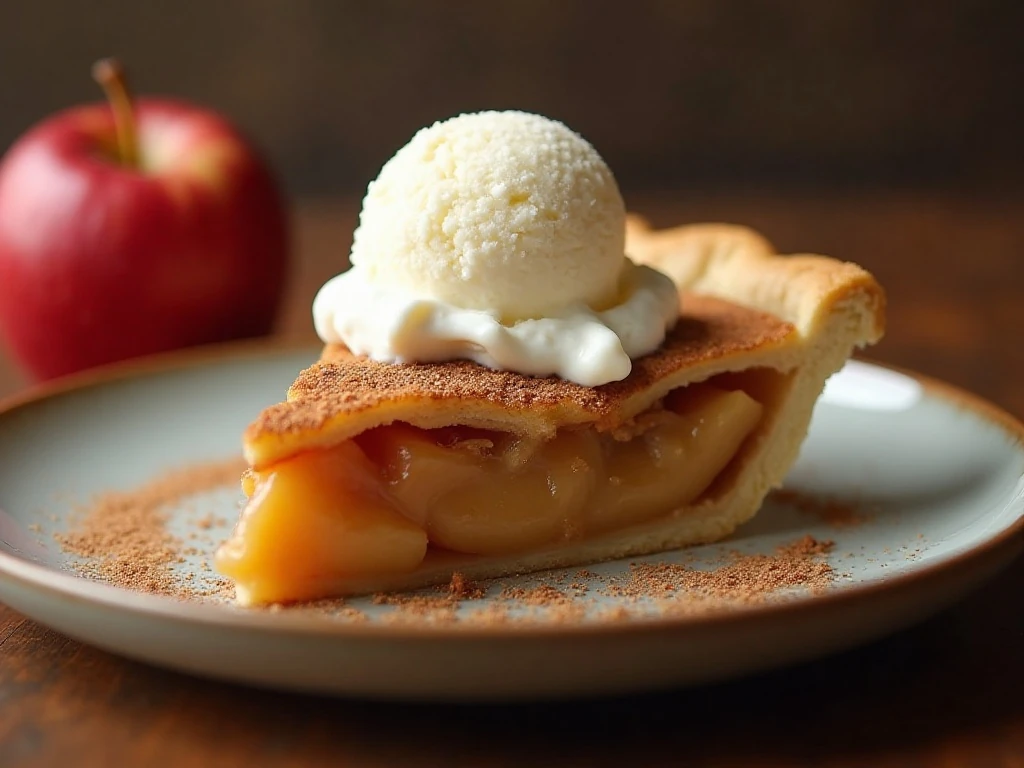
Serve the pie at room temperature or slightly warm, with vanilla ice cream, softly whipped cream, or a small spoonful of custard. The crust has enough flavor to stand on its own, but a cool creamy topping makes the warm spices especially inviting.
Do not rush the cooling period. The pie needs at least two hours on a rack for the flour-thickened juices to settle, and slicing too early can make even a properly baked filling appear loose.
- Store the cooled pie covered at room temperature for a short period or refrigerate it when keeping it longer.
- Rewarm individual slices gently so the crust does not become overly dark.
- For a future dessert, prepare the unbaked dough disks ahead and keep them chilled until ready to roll.
- Keep the pie loosely covered rather than tightly wrapping a warm crust, which can trap moisture.
If you love preserving the flavor of orchard apples, pair a slice with this rich apple butter recipe. For more comforting pie inspiration, a fruit-filled blueberry crumble pie offers a delicious change of pace.
Common Questions and Troubleshooting
Why is my filling runny? The pie may need more baking time, since the filling must bubble through the vents for the flour to thicken the released apple juices. It may also have been sliced before the required two-hour cooling period.
Why is my crust tough? Tough pastry usually comes from adding too much water, mixing too vigorously, or working the dough for too long. Add water gradually and stop mixing as soon as the dough holds together.
Why did the crust edge brown first? The rim is thinner and closer to the heat, so it can color before the center is finished. Cover the edges loosely with foil and continue baking until the filling bubbles.
Can I use one kind of apple? Yes. Granny Smith, Cortland, Jonathan, or Rome apples can each make a delicious pie, although a mixture of tart and sweet apples provides especially appealing flavor.
For a surprising savory pie idea between dessert bakes, take a look at this classic tomato pie. It is a reminder that a flaky homemade crust can be useful far beyond the dessert course.
Grandma's Old-Fashioned Apple Pie with an Amazingly Flaky Crust
Ingredients
Method
- Whisk the flour and salt together. Cut in the chilled shortening until coarse crumbs form, leaving some pea-sized pieces. Add ice water gradually, tossing with a fork just until the dough holds together. Divide into two disks, wrap, and chill for at least 30 minutes.
- Peel, core, and thinly slice about six medium apples to make six cups. Toss with sugar, flour, cinnamon, nutmeg, and salt, then let stand for about 10 minutes.
- Roll one dough disk into an approximately 11-inch round and fit it into a 9-inch pie plate. Add the apple mixture and dot the surface with the butter pieces.
- Roll out the second dough disk and place it over the apples. Trim and crimp the edges, cut several vents in the top, then brush with milk or beaten egg and sprinkle with sugar if desired.
- Bake at 425°F (220°C) for 15 minutes. Reduce the temperature to 350°F (175°C) and bake for another 35 to 45 minutes, until the crust is golden and the filling is visibly bubbling through the vents.
- Cool the pie on a rack for at least two hours before slicing. The filling thickens as it cools and produces cleaner, more generous slices.
Notes
Final Thoughts
Grandma’s old-fashioned apple pie earns its place at the table through simple ingredients and careful timing. Cold shortening creates the flaky crust, seasoned apples provide a fragrant center, and a full cooling period turns bubbling juices into a beautifully thick filling.
Follow the temperature change exactly, watch for bubbling rather than relying only on crust color, and give the pie at least two hours to rest. Then cut generous wedges and serve this comforting dessert with your favorite creamy topping.
It is an enduring recipe for holidays, Sunday dinners, and ordinary afternoons when the best answer is a warm kitchen and a homemade pie.
2 thoughts on “Grandma’s Old-Fashioned Apple Pie with an Amazingly Flaky Crust”