These old-fashioned soft molasses cookies stay chewy because they are baked just until the edges are set while the centers remain slightly soft and puffed. Cream softened butter or shortening with sugar, mix in egg and unsulphured molasses, add the spiced flour mixture, then roll the dough balls in sugar before baking at 350°F (175°C) for 8–12 minutes.
Every bite has deep caramel-like molasses flavor, fragrant cinnamon, warming ginger, and a gentle clove finish beneath a crackled sugar crust. The cookies yield about 30–36 pieces and take approximately 1 hour when optional chilling is included, making them a wonderful choice for holiday trays, cookie exchanges, or an everyday baking project.
Jump to RecipeWhy You’ll Love This Recipe
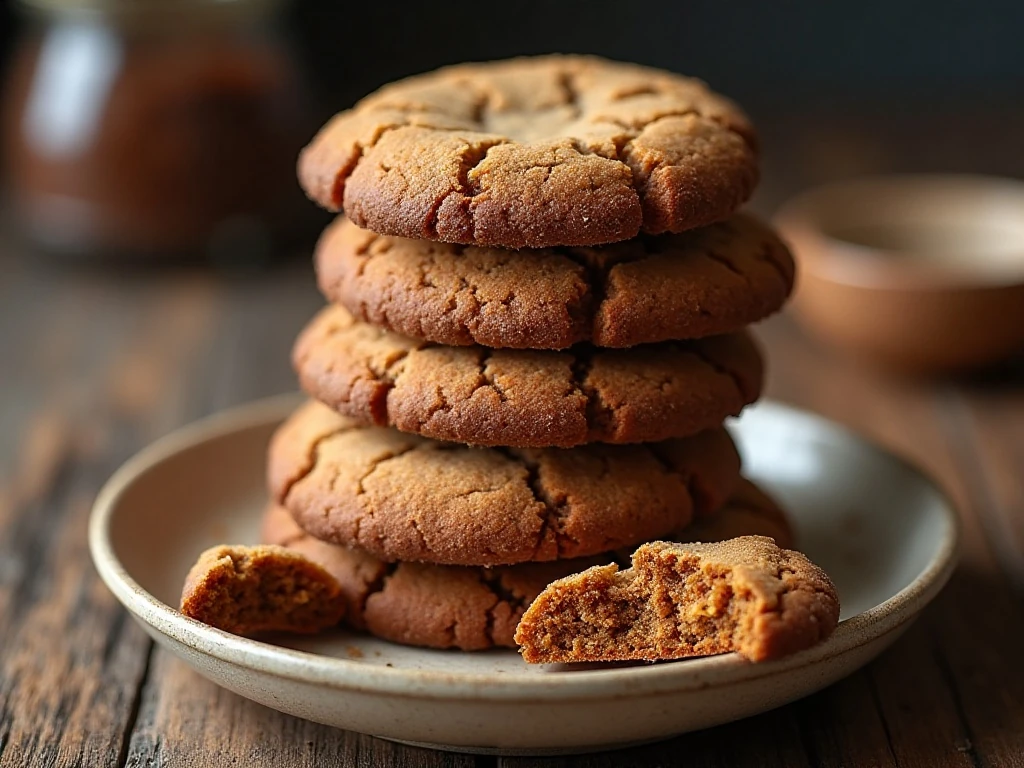
Old-fashioned molasses cookies have the kind of flavor that makes a kitchen feel instantly cozy. They are warmly spiced without being overwhelming, and the sugar coating gives each cookie a delicate crunch before you reach the soft center.
The dough is straightforward and forgiving. Butter provides a rich flavor, while shortening can give the cookies a particularly tender texture; either choice works beautifully when softened before mixing.
These cookies also keep their appealing texture after cooling. The key is to remove them from the oven when the edges look finished but the middle still appears a little underdone.
If you enjoy nostalgic baking projects, pair a plate of these cookies with a spoonful of homemade orange marmalade for a bright, citrusy contrast at breakfast or afternoon tea.
Ingredients You’ll Need
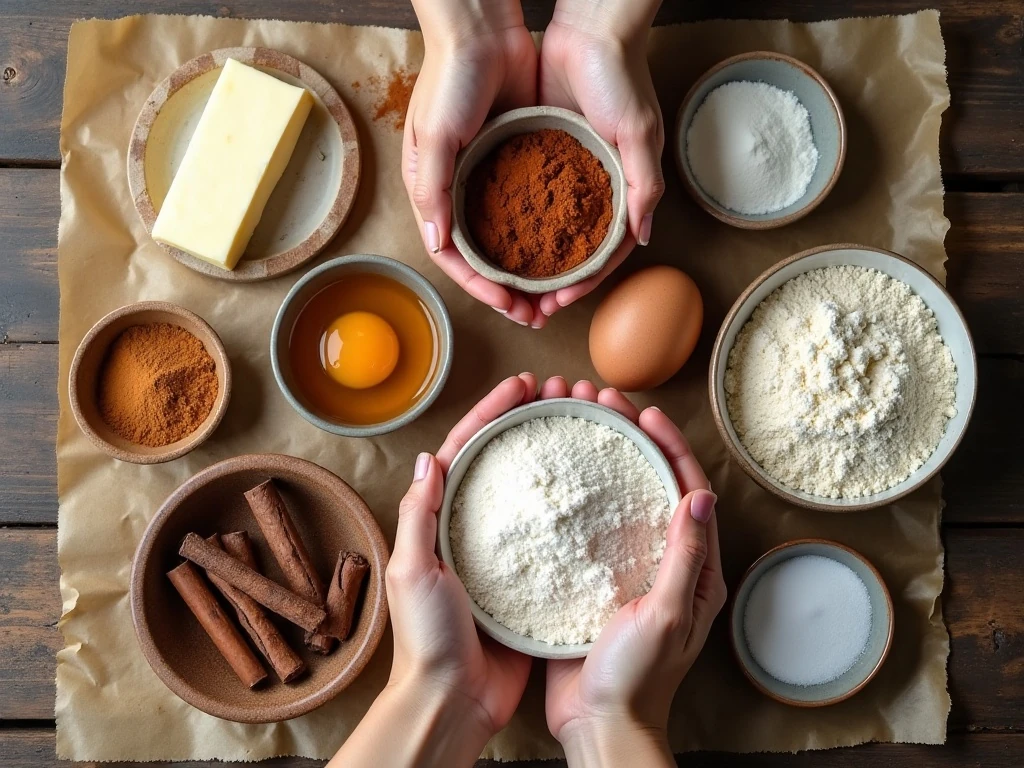
Gather the ingredients before starting so the dough comes together quickly and evenly. Softened fat is especially important because it creams properly with the sugar instead of leaving dense pieces throughout the dough.
- Butter or shortening: Use 3/4 cup, or 170 g, softened. Unsalted butter gives a rich dairy flavor, while shortening creates a very tender cookie.
- Granulated sugar: One cup sweetens the dough, and additional sugar is used to coat the dough balls before baking.
- Egg and molasses: One large egg binds the dough, while 1/2 cup of regular unsulphured molasses supplies moisture, color, and deep flavor.
- Flour and leavening: Use 2 1/4 cups, or 270–285 g, all-purpose flour with 2 teaspoons baking soda.
- Spices and salt: Cinnamon, ginger, cloves, and salt create the classic old-fashioned profile.
Choose regular unsulphured molasses, such as Grandma’s Original. Blackstrap molasses is considerably more bitter and is generally not recommended for this soft cookie style.
For another comforting dessert to serve alongside your cookie platter, try this old-fashioned peanut butter cake. Its nutty flavor is a delicious companion to molasses and warm spices.
How to Make It Step-by-Step
Step 1: Heat the oven to 350°F (175°C), then line your baking sheets with parchment. The parchment helps prevent sticking and makes it easier to move the cookies after their short cooling period.
Step 2: Place the softened butter or shortening and 1 cup of granulated sugar in a large mixing bowl. Cream them until the mixture looks light and smooth, which helps distribute the sugar and creates a pleasant texture.
Step 3: Beat in the large egg until fully incorporated, then mix in the molasses. Scrape the sides and bottom of the bowl so the dark syrup is evenly blended into the creamy mixture.
Step 4: In a separate bowl, whisk together the all-purpose flour, baking soda, cinnamon, ginger, cloves, and salt. Breaking up any pockets of baking soda or spice now prevents concentrated bitter or salty spots later.
Step 5: Gradually add the dry ingredients to the molasses mixture, mixing only until a soft dough forms. Stop as soon as no obvious streaks of flour remain, since overmixing can make the cookies less tender.
Step 6: Check the dough before scooping. If it feels sticky or difficult to handle, cover and chill it for 30–60 minutes; chilling is also helpful when you prefer thicker cookies.
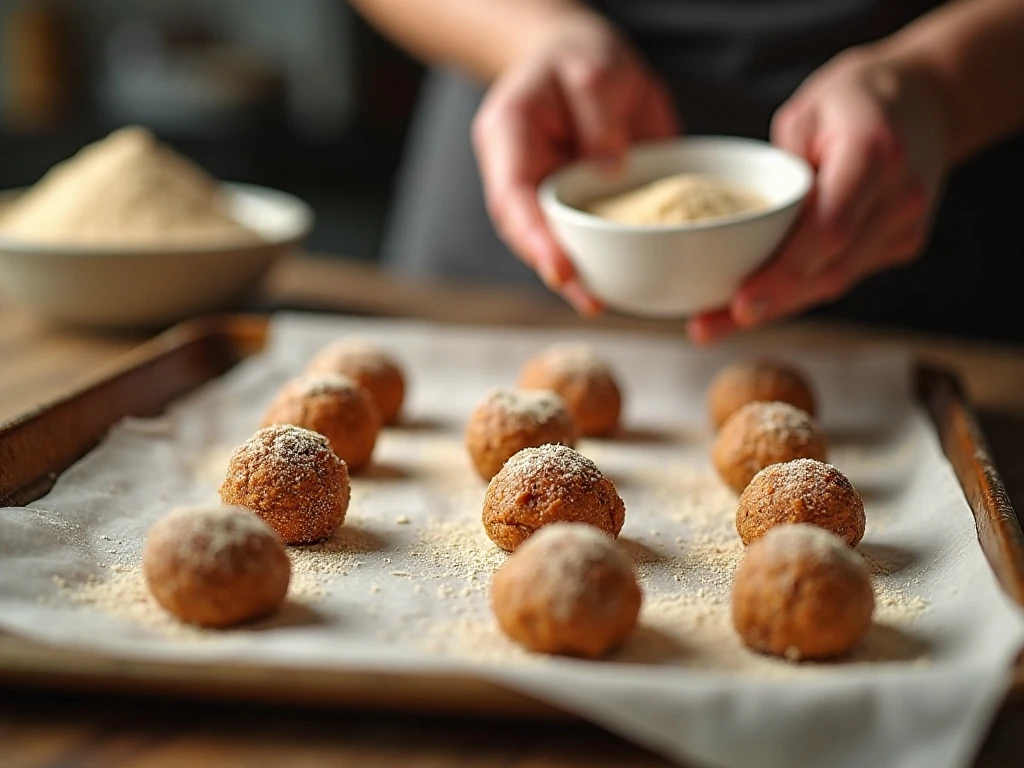
Step 7: Shape the dough into balls measuring 1 to 1 1/2 inches across. Roll each ball in extra granulated sugar until lightly coated, giving the finished cookies their familiar sparkling, crackled surface.
Step 8: Place the sugared dough balls about 2 inches apart on the parchment-lined baking sheets. This spacing allows the cookies to spread without merging into one another.
Step 9: Bake each batch for 8–12 minutes. Look for set edges and centers that remain slightly soft and puffed; do not wait for the middle to look completely dry.
Step 10: Let the cookies cool on the baking sheet for 5 minutes before transferring them to a wire rack. They will firm as they cool while retaining the chewy center that makes this recipe special.
Pro Tips for Soft, Chewy Cookies
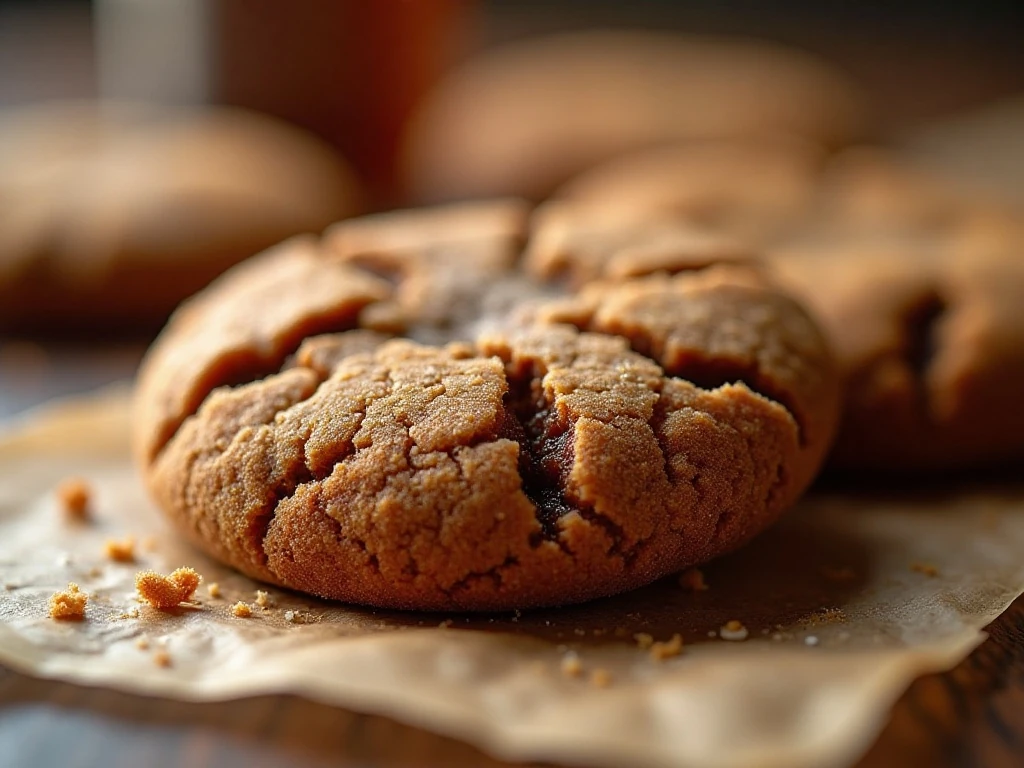
The most important technique is controlling the bake time. Molasses cookies continue cooking from the heat of the baking sheet, so pulling them from the oven while the centers look slightly underdone produces a softer result than waiting for a fully firm middle.
- Measure flour carefully: Too much flour can create a stiff dough and dry cookies. If weighing is not possible, spoon the flour into the measuring cup and level it rather than packing it down.
- Soften, do not melt, the butter: Softened butter should yield gently when pressed but should not look oily or liquid.
- Chill when needed: Sticky dough is easier to portion after 30–60 minutes in the refrigerator, and chilled dough generally produces thicker cookies.
- Use parchment: It supports even browning and makes the delicate, warm cookies easier to lift after their five-minute rest.
- Watch the first batch: Ovens vary, so use the first tray to identify the best point within the 8–12 minute baking range.
For a cookie platter with varied textures, add these molasses cookies beside zucchini walnut chip cookies. The walnuts and chocolate chips bring a different kind of richness while keeping the homemade theme.
Storage and Serving Ideas

Allow the cookies to cool completely before storing them. Place them in an airtight container at room temperature, where their soft texture can be enjoyed over the following days.
Separate layers with parchment if you are stacking them, particularly when the sugar crust is still delicate. If the cookies seem firmer after storage, serving them with tea, coffee, or a glass of milk brings back their inviting tenderness.
These cookies are lovely on a holiday tray, but their warm spices also suit a casual weekend bake. For a festive cookie assortment, include heart-shaped cookies for a colorful contrast in shape and decoration.
Common Questions and Helpful Variations
Can I use shortening instead of butter? Yes. The source recipe style works with either softened unsalted butter or shortening, so choose butter for richer flavor or shortening for a very tender bite.
Why are my cookies flat? Dough that is too warm can spread more quickly, so chilling it for 30–60 minutes may help. Also confirm that the baking soda is fresh and that the flour measurement is accurate.
Why did my cookies turn out dry? The most common cause is overbaking. Remove them when the edges are set and the centers still look slightly soft and puffed, then allow the five-minute cooling period to finish the texture.
Can I make a different cookie for guests with dietary restrictions? Certainly. Keep this molasses dough separate from other mixtures, and consider offering these egg-free, dairy-free chocolate chip cookies as an additional option.
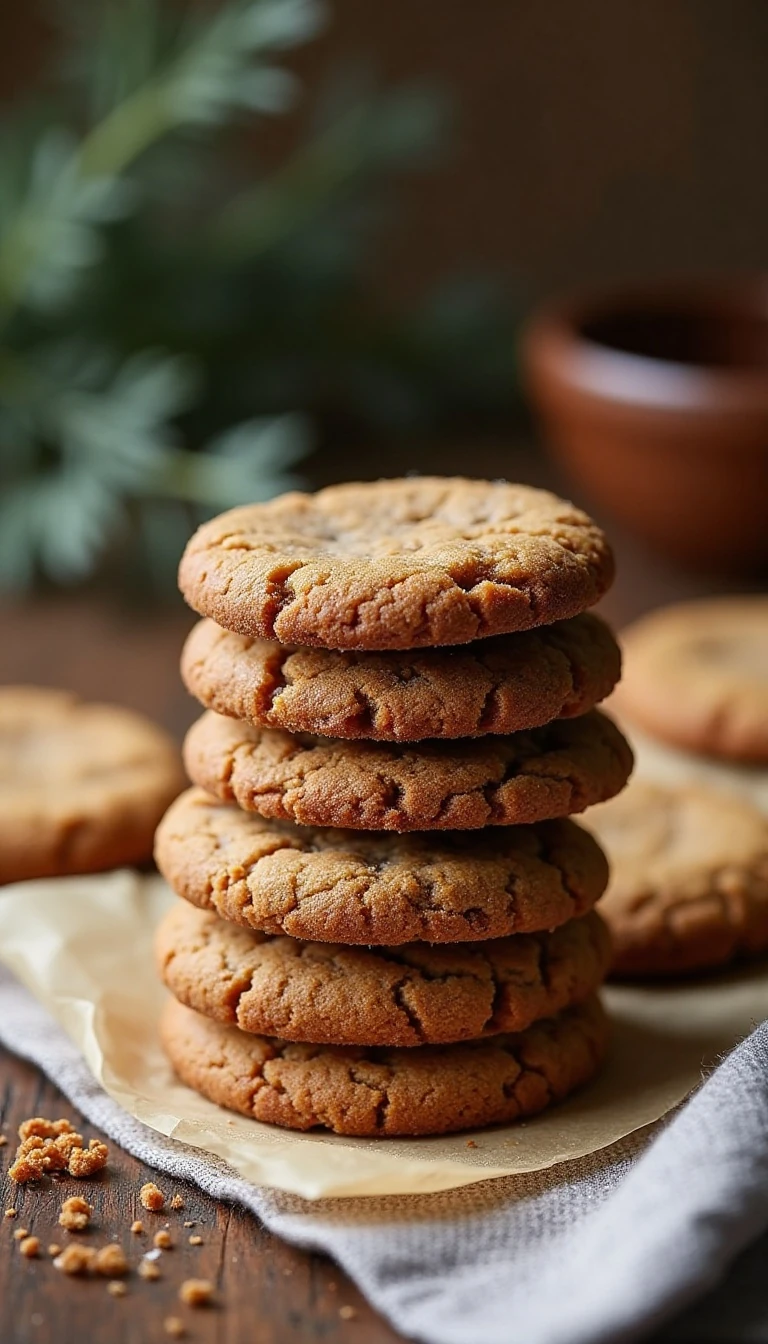
Old-Fashioned Soft Molasses Cookies That Stay Chewy
Ingredients
Method
- Heat the oven to 350°F (175°C) and line baking sheets with parchment.
- Cream the softened butter or shortening with 1 cup sugar until light and smooth. Beat in the egg, then mix in the unsulphured molasses.
- In a separate bowl, whisk together flour, baking soda, cinnamon, ginger, cloves, and salt. Gradually add the dry ingredients to the molasses mixture, mixing only until a soft dough forms.
- Chill the dough for 30–60 minutes if it is sticky or difficult to handle, especially if you want thicker cookies.
- Shape the dough into 1- to 1 1/2-inch balls and roll each one in extra granulated sugar. Arrange them about 2 inches apart on the prepared baking sheets.
- Bake for 8–12 minutes, until the edges are set but the centers still look slightly soft and puffed. Cool on the baking sheet for 5 minutes, then transfer to a rack.
Notes
Final Thoughts
These old-fashioned soft molasses cookies deliver everything a classic homemade cookie should: a crisp sugar-kissed surface, tender edges, and a chewy center filled with cinnamon, ginger, cloves, and rich molasses flavor. The recipe is simple enough for a beginner but rewarding enough to become a regular family favorite.
Remember the three details that matter most: use regular unsulphured molasses, chill sticky dough when necessary, and never overbake. Once the edges are set and the centers still look a little soft, the cookies are ready to cool and transform into the perfect chewy treat.
Make a batch for a holiday gathering, tuck a few into a lunchbox, or serve them warm with your favorite drink. Their nostalgic flavor and tender texture are sure to make the cookie jar feel especially welcoming.