This old-fashioned peanut butter cake recipe makes a tender 9 x 13-inch Southern-style sheet cake covered with warm, creamy peanut butter icing. The cake takes about 15 minutes to prepare and 30–35 minutes to bake, making it a wonderful homemade dessert for family dinners, potlucks, church suppers, and school gatherings.
Every bite has a soft buttermilk crumb, rich peanut butter flavor, and a sweet icing that firms into a delicate fudgy layer as it cools. The hot butter-and-peanut-butter mixture is the secret to the cake’s moist texture, while buttermilk adds a gentle tang that keeps the dessert from tasting heavy.
Jump to RecipeWhy You’ll Love This Recipe
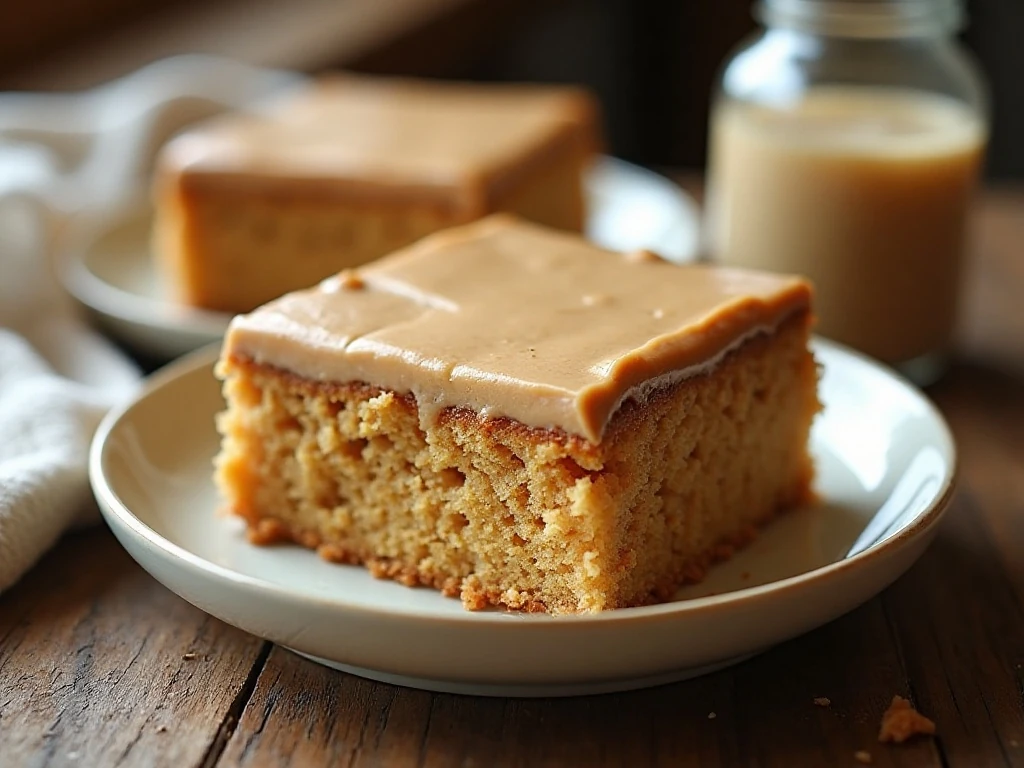
This is the kind of cake that feels familiar from the first bite. It has the easy format of a sheet cake, but the combination of peanut butter, buttermilk, and warm icing gives it the comforting character of a treasured family recipe.
The cake is baked in one 9 x 13-inch pan and serves about 12–16 people. That makes it practical for celebrations, bake sales, holiday dessert tables, or any evening when you want a generous homemade treat without assembling layers.
The icing is the real signature. Rather than waiting for the cake to cool completely, you spread the warm peanut butter mixture over the warm surface, allowing it to settle into a smooth, glossy topping that becomes softly firm as it cools.
If you enjoy rich peanut butter desserts, you may also like these chewy peanut butter blondies for another easy pan-baked favorite.
Ingredients You’ll Need
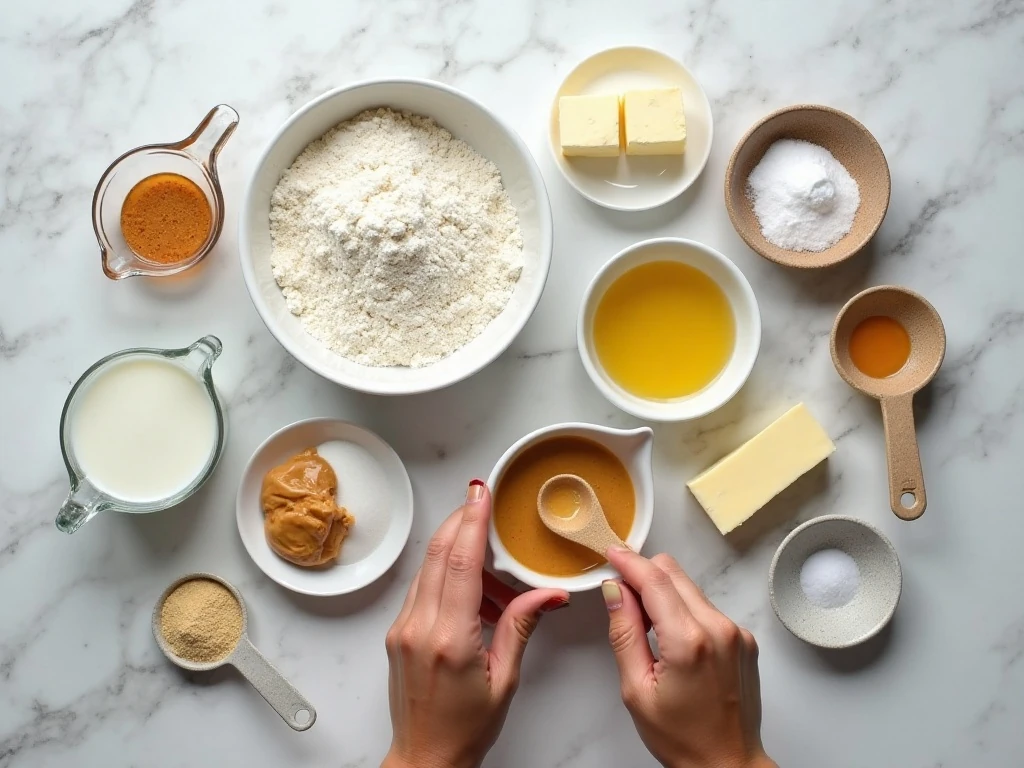
The cake begins with everyday pantry staples: granulated sugar, all-purpose flour, baking soda, salt, water, butter, vegetable oil, eggs, buttermilk, vanilla, and creamy peanut butter. The balance of butter and oil gives the crumb both rich flavor and lasting tenderness.
- All-purpose flour: Provides the sturdy but tender structure needed for a sheet cake.
- Buttermilk: Adds moisture and a slight tang while helping create a delicate crumb.
- Creamy peanut butter: Gives the batter and icing a smooth, familiar peanut flavor.
- Confectioners’ sugar: Creates a spreadable icing with a soft finish rather than a gritty texture.
- Vanilla extract: Rounds out the deep butter and peanut butter flavors.
Choose regular creamy peanut butter, not natural peanut butter that separates in the jar. Consistent texture matters here because the peanut butter is heated into both the cake mixture and the icing.
For a dessert table with several homemade options, a batch of easy vanilla cake pops can sit alongside this sheet cake for guests who prefer a smaller sweet.
How to Make It Step-by-Step
Step 1: Heat the oven to 350°F and grease a 9 x 13-inch baking pan. Greasing the pan thoroughly helps the finished cake release cleanly at the edges while still allowing you to serve it directly from the pan.
Step 2: Whisk the granulated sugar, all-purpose flour, baking soda, and salt together in a large bowl. Mixing the dry ingredients first distributes the baking soda and salt evenly throughout the flour.
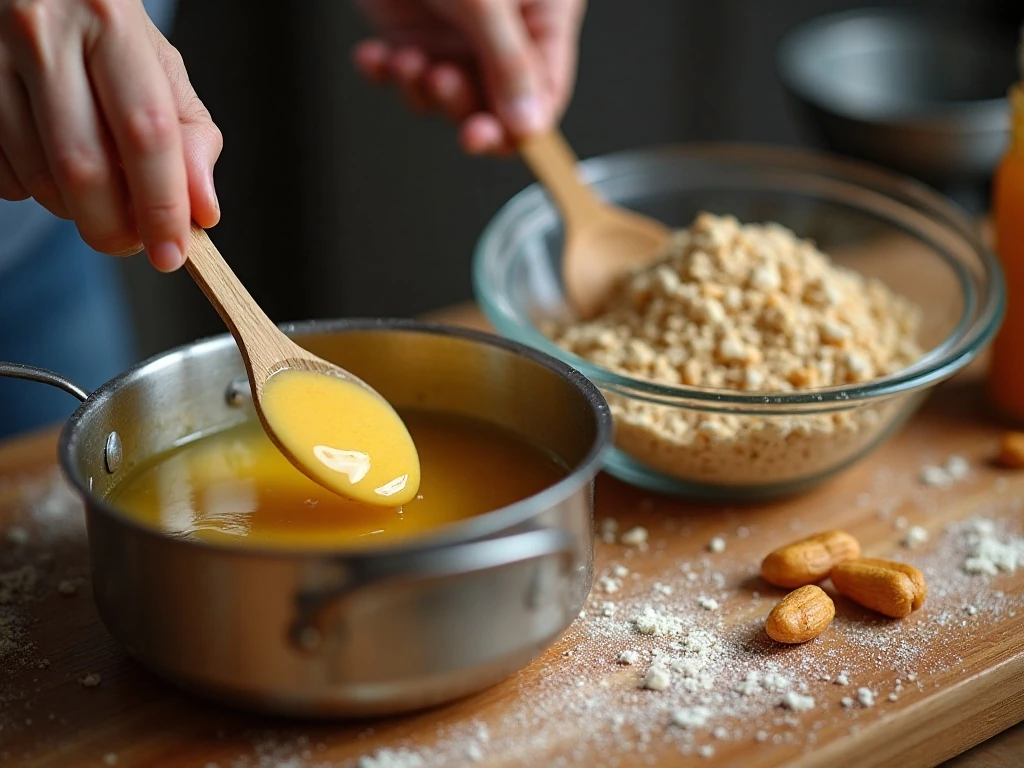
Step 3: Place the water, unsalted butter, creamy peanut butter, and vegetable oil in a saucepan over medium heat. Warm the mixture until the butter and peanut butter melt and everything looks smooth and hot, but do not let it boil vigorously.
Step 4: Pour the hot peanut-butter mixture over the dry ingredients. Stir until the batter is mostly smooth; the heat helps dissolve the sugar and starts creating the soft, moist texture associated with this old-fashioned formula.
Step 5: Add the eggs, buttermilk, and vanilla extract. Mix just until the ingredients are combined, since excessive stirring can make the cake less tender.
Step 6: Pour the batter into the greased baking pan and spread it into an even layer. Bake for 30–35 minutes, checking near the end of the baking time, until the center is set and a toothpick comes out with only a few moist crumbs.
Step 7: Make the icing while the cake bakes or immediately after removing it from the oven. Heat the butter, peanut butter, and milk in a saucepan until melted and smooth, stirring gently so the mixture does not scorch.
Step 8: Remove the icing mixture from the heat and gradually beat in the confectioners’ sugar and vanilla. Add the sugar patiently so the icing stays smooth, thick, and easy to spread.
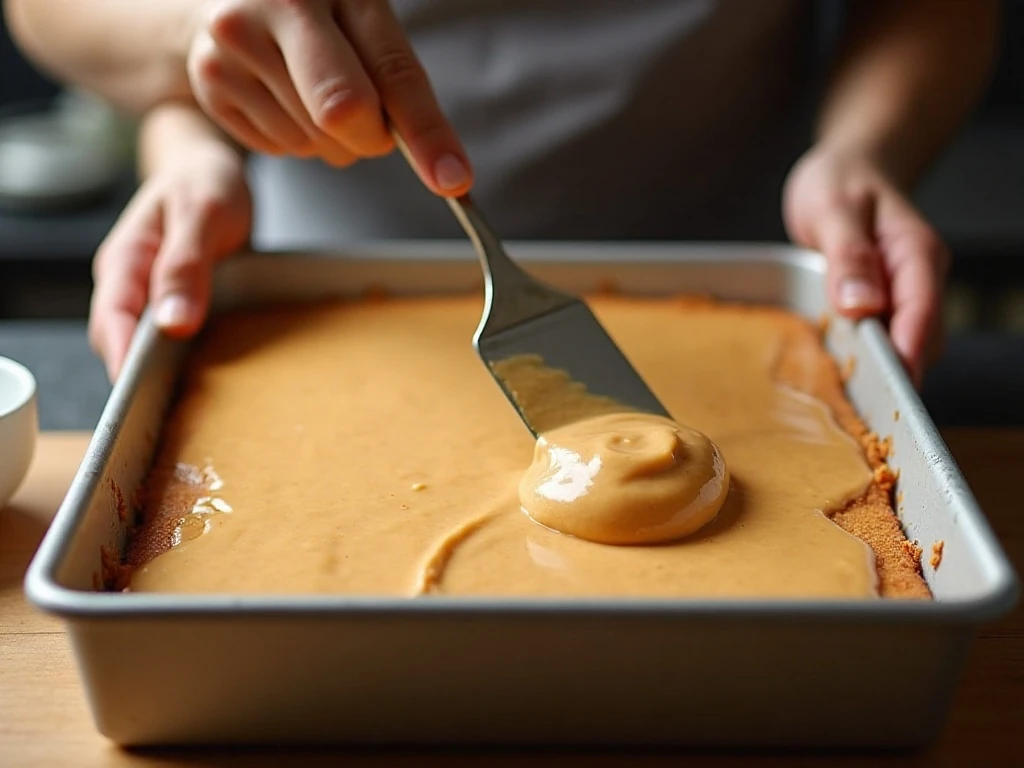
Step 9: Spread the warm icing over the warm cake. Work gently from the center toward the edges, then let the cake cool before slicing so the icing can set and the pieces hold their shape.
Pro Tips for the Best Peanut Butter Cake
The hot mixture is more than a convenience; it is an important part of the method. Heating the butter, peanut butter, oil, and water helps the sugar dissolve when the mixture meets the dry ingredients, producing a notably soft crumb.
Do not wait until the cake is completely cool to frost it. Warm cake and warm icing work together, so the topping spreads with less resistance and adheres without pulling at the tender surface.
Keep a close eye on the cake during the final minutes. A toothpick should show only a few moist crumbs, not wet batter, but the cake should not bake until the tester is completely dry.
If the icing thickens before you finish spreading it, return it to very low heat briefly and stir until it loosens. Avoid overheating, because a very hot icing can become difficult to control and may lose its smooth consistency.
For a neat presentation, use a sharp knife and wipe the blade between cuts. The cake can be served in squares directly from the pan or transferred carefully to a platter once fully cool.
Serving Suggestions
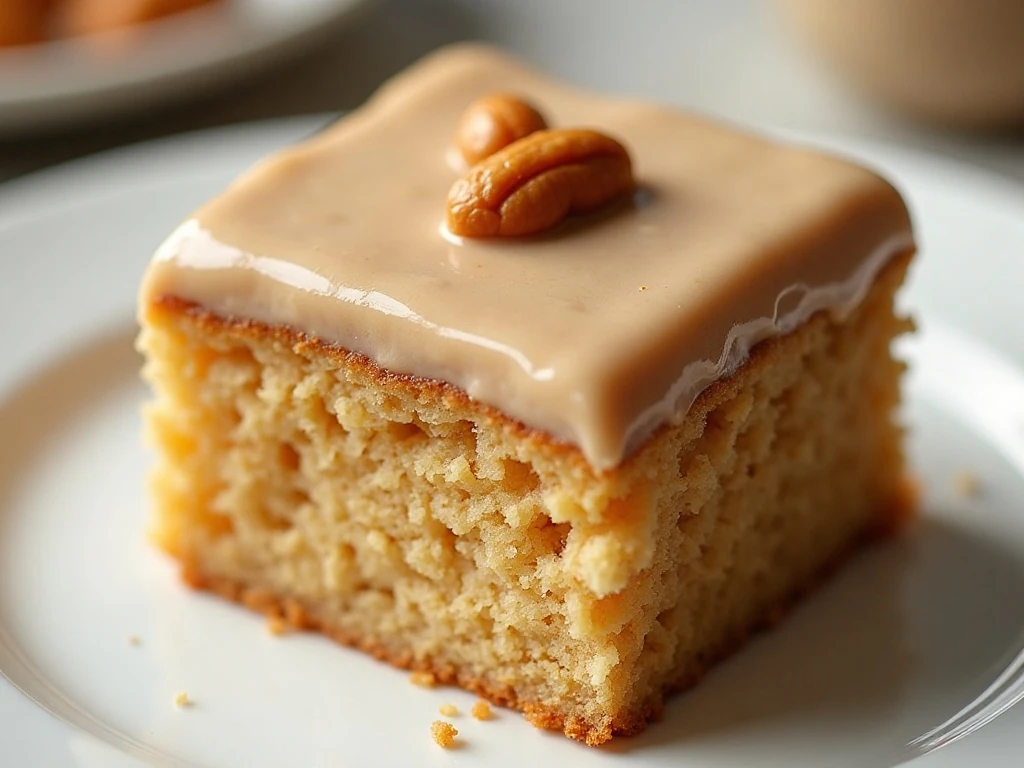
This cake is delicious on its own because the icing supplies plenty of richness and sweetness. For a simple contrast, serve each square with a spoonful of lightly sweetened whipped cream or a small scoop of vanilla ice cream.
A sprinkle of chopped roasted peanuts can add crunch, although it is entirely optional. If you want the smooth traditional finish, leave the icing plain and let its glossy peanut butter surface be the centerpiece.
For a larger Southern-inspired meal, serve dessert after a comforting main course such as this slow cooker lasagna. For a lighter family dinner before dessert, garlic butter shrimp with asparagus offers a fresh savory contrast.
If you are planning a classic cake spread, a slice of red velvet cake makes a colorful companion to the golden peanut butter squares.
Storage and Make-Ahead Advice
Let the cake cool completely before covering it so condensation does not soften the icing. Store it tightly covered at room temperature for a day or two, or refrigerate it when you need to keep it longer.
Refrigeration may firm the icing and crumb, so allow chilled slices to sit at room temperature before serving. This brings back the softer texture and makes the peanut butter flavor more pronounced.
You can prepare the cake earlier in the day and ice it once it is warm from the oven. For the best traditional finish, make the icing close to serving time and spread it while both the cake and topping are warm.
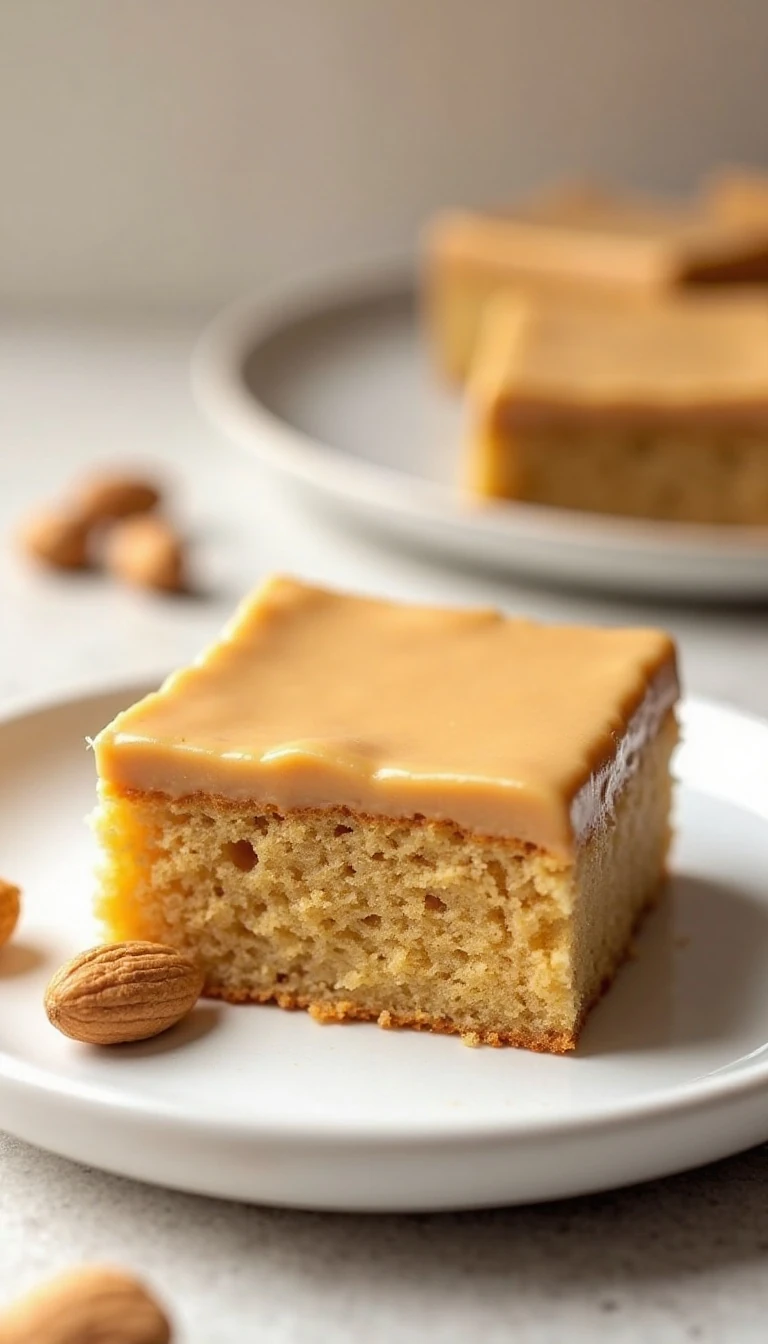
Old-Fashioned Peanut Butter Cake
Ingredients
Method
- Heat the oven to 350°F and grease a 9 x 13-inch baking pan.
- Whisk the sugar, flour, baking soda, and salt together in a large mixing bowl.
- In a saucepan, heat the water, butter, peanut butter, and vegetable oil until the butter and peanut butter melt and the mixture is hot. Do not let it boil vigorously.
- Pour the hot peanut-butter mixture over the dry ingredients and stir until mostly smooth.
- Add the eggs, buttermilk, and vanilla, then mix just until combined.
- Pour the batter into the prepared pan and bake for 30–35 minutes, until the center is set and a toothpick comes out with only a few moist crumbs.
- While the cake bakes or immediately after it comes out, heat the icing butter, peanut butter, and milk in a saucepan until melted and smooth.
- Remove the saucepan from the heat and gradually beat in the confectioners’ sugar and vanilla until the icing is thick but spreadable.
- Spread the warm icing over the warm cake, then let the cake cool before slicing.
Notes
Final Thoughts
This old-fashioned peanut butter cake is a dependable dessert with tremendous comfort-food appeal. The tender buttermilk cake, rich peanut butter flavor, and warm confectioners’ sugar icing come together in a simple pan that is easy to share.
Remember the three details that matter most: use regular creamy peanut butter, avoid vigorous boiling in the saucepan, and do not overbake the cake. Spread the icing while the cake is still warm, then give it time to cool and set before cutting generous squares.
Whether you serve it at a family gathering or keep a few pieces for afternoon coffee, this Southern-style cake is the sort of recipe guests ask you to make again. It is sweet, soft, nostalgic, and wonderfully uncomplicated.