This old-fashioned orange marmalade recipe makes approximately 6 to 8 jars of traditional British-style preserve from Seville oranges, lemons, water, and sugar. The fruit simmers gently for about 2 hours before sugar is added, then the marmalade boils rapidly for 15 to 25 minutes until it reaches a reliable setting point.
The result is bright, bittersweet, fragrant, and filled with tender ribbons of peel. Seville oranges provide the distinctive bitter citrus flavor and natural pectin that help create a firm, glossy set, making this marmalade wonderful on buttered toast, scones, cakes, and breakfast pastries.
Jump to RecipeWhy You’ll Love This Recipe
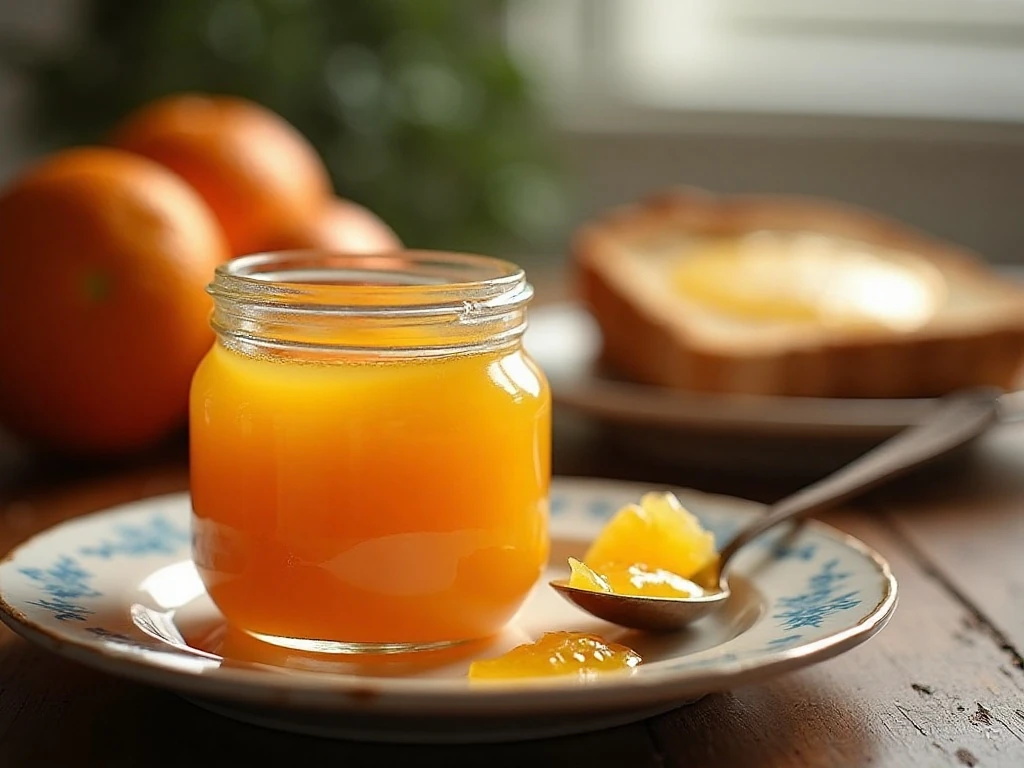
There is something wonderfully old-fashioned about a jar of homemade marmalade. It captures the sharp perfume of winter citrus, the gentle bitterness of Seville orange peel, and the satisfying sparkle of a properly cooked preserve.
This recipe follows the classic British method: fruit, peel, water, and natural pectin simmer together first, and sugar is added only after the peel becomes soft. That order matters because sugar added too early can keep the peel tough.
The finished marmalade has a clear amber appearance and a tender, pleasantly chewy texture. It is sweet enough for breakfast but still has the lively citrus bite that makes traditional marmalade so memorable.
For another citrus-centered treat, you can serve a small spoonful of this marmalade alongside our Mandarin Orange Pie. The bright preserve cuts through a creamy dessert beautifully.
Ingredients You’ll Need

The ingredient list is short, but each item has a specific purpose. Seville oranges supply concentrated citrus flavor, bitter peel, juice, and much of the pectin needed for a firm set.
- 1 kg Seville oranges: This is about 2¼ pounds or usually 4 to 6 oranges. Choose fruit that feels heavy for its size and has fragrant, unblemished skin.
- 2 lemons: Lemon juice adds brightness and acidity, while the seeds and pith contribute additional natural pectin.
- 2.5 liters water: The water extracts flavor and pectin during the long simmer and provides enough liquid for the peel to soften evenly.
- 2 kg granulated or preserving sugar: This amount creates the characteristic sweet-tart balance and helps the marmalade preserve properly.
You will also need a large preserving pan, a sharp knife, muslin or cheesecloth, kitchen string, sterilized jars, and either a chilled saucer or a sugar thermometer. A wide pan is useful because it encourages even evaporation during the final boil.
How to Prepare the Citrus
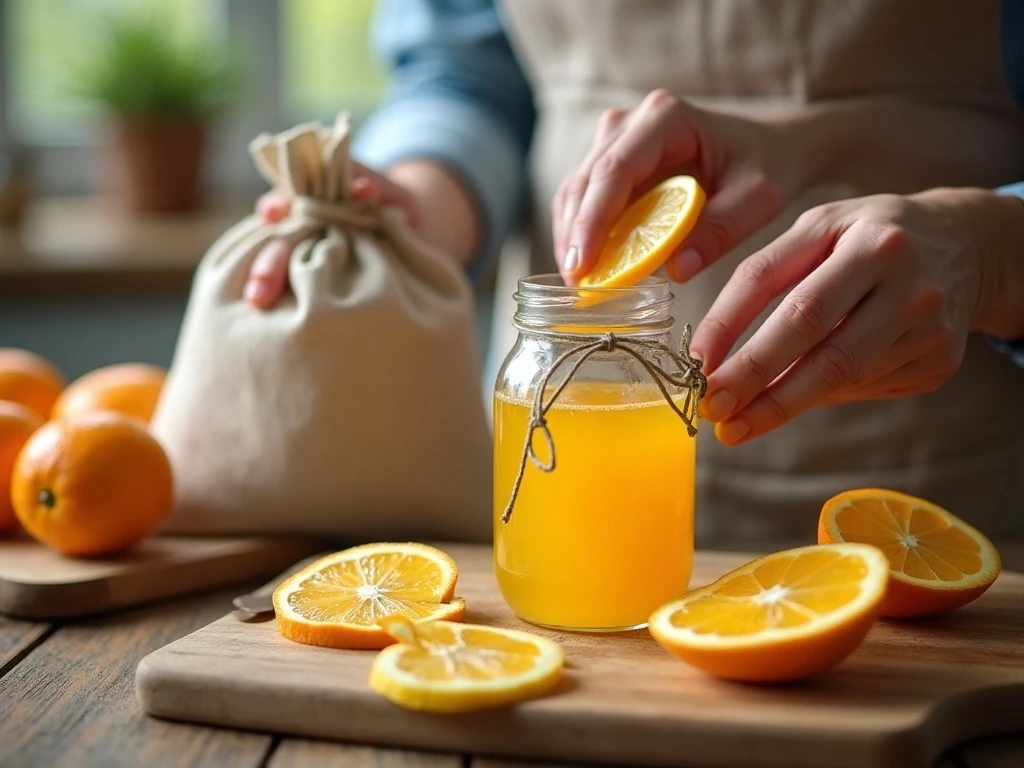
Wash the oranges and lemons thoroughly, especially if the peel will be eaten. Halve each fruit and squeeze the juice directly into the preserving pan, checking the juice for stray seeds as you go.
Use a spoon to scrape the seeds and inner white pith from the fruit. Place them in a small square of muslin or cheesecloth and tie it securely with kitchen string; this little bundle is your natural pectin bag.
Slice the peel into thin, even strips. Consistent slicing gives every piece a similar texture, while very thick strips may remain tough and very thin strips can disappear during the long cooking time.
Add the sliced peel, citrus juice, and 2.5 liters of water to the pan. Drop in the tied pectin bag, making sure it is submerged, and allow the mixture to stand overnight if you want deeper flavor and especially soft peel.
How to Make It Step-by-Step
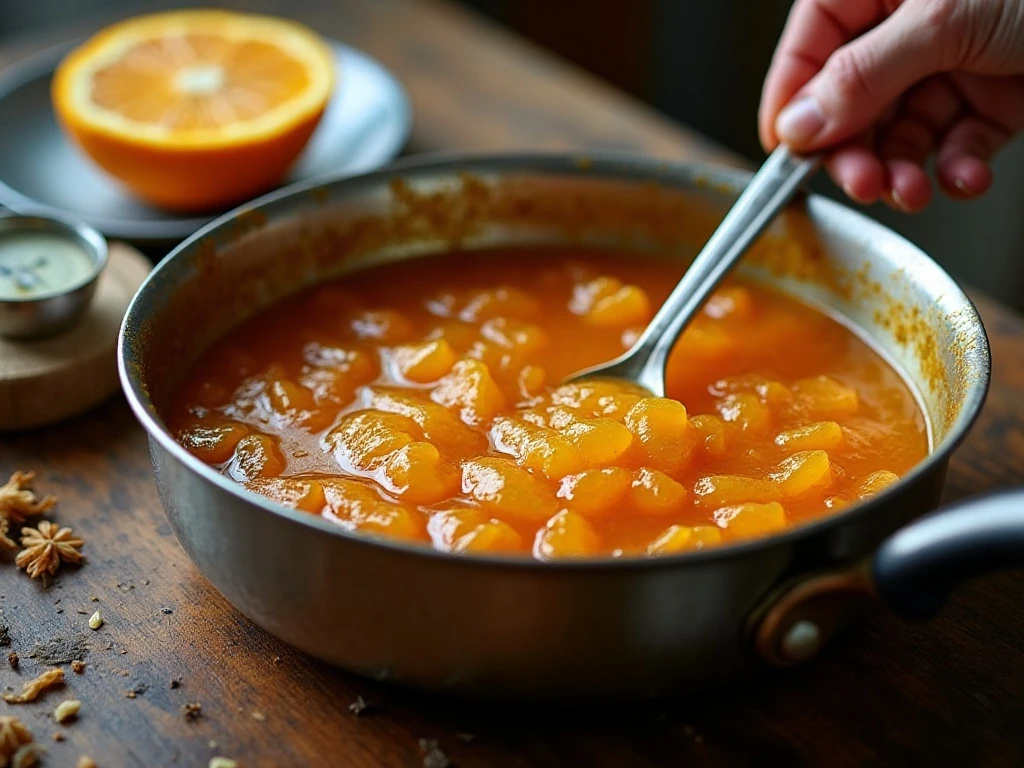
Step 1: Bring the pan of peel, juice, water, and pectin bag to a full boil over medium-high heat. Once boiling, reduce the heat, partially cover the pan, and simmer gently for about 2 hours.
Step 2: Check the peel toward the end of the simmering time by pressing a piece against the side of the pan or tasting it carefully after it cools. It should be completely tender, and the liquid should have reduced noticeably without drying out.
Step 3: Remove the muslin bag with tongs, then hold it over the pan and press or squeeze it firmly to extract the pectin-rich liquid. Discard the bag, taking care because it and its contents will be very hot.
Step 4: Add the sugar to the cooked fruit mixture while the heat is low. Stir patiently until the sugar has fully dissolved; the liquid should feel smooth rather than gritty when tested with a spoon.
Step 5: Increase the heat and bring the mixture to a rapid boil. Boil for 15 to 25 minutes, keeping a close eye on the pan and avoiding prolonged stirring once the marmalade is bubbling vigorously.
Step 6: Test the setting point by placing a spoonful of marmalade on a chilled saucer. Let it cool for about a minute, then push it gently with your finger; a properly set marmalade should wrinkle slightly.
Step 7: If preferred, confirm the setting point with a thermometer reading of approximately 104-105°C, or 219-221°F. Pan size, fruit juiciness, and evaporation all affect the timing, so the test is more dependable than the clock alone.
Step 8: Remove any foam from the surface with a spoon. Let the marmalade stand for 5 to 10 minutes before filling the jars so the peel remains suspended instead of floating at the top.
Step 9: Ladle the hot marmalade into hot, sterilized jars, leaving the rims clean. Seal the jars while hot and allow them to cool undisturbed before labeling and storing.
Pro Tips for the Best Set
Seville oranges are preferred because their bitter peel gives the marmalade its classic character and their natural pectin supports a firm set. If Seville oranges are unavailable and you use sweet oranges, add extra lemon juice and expect a milder, softer result.
Do not rush the first simmer. The peel must be tender before sugar goes into the pan, since sugar can prevent the peel from softening properly.
Use a chilled saucer rather than relying only on cooking time. Put several saucers in the refrigerator or freezer before you begin, then test small spoonfuls as the final boil progresses.
Once the sugar has dissolved, avoid constant stirring during the rapid boil. Excessive stirring can encourage unwanted crystallization and may break the peel into smaller pieces.
If the marmalade looks foamy at the end, skim the surface before jarring. Letting the preserve rest for 5 to 10 minutes is another simple way to keep the peel evenly distributed throughout every jar.
Serving Ideas and Pairings
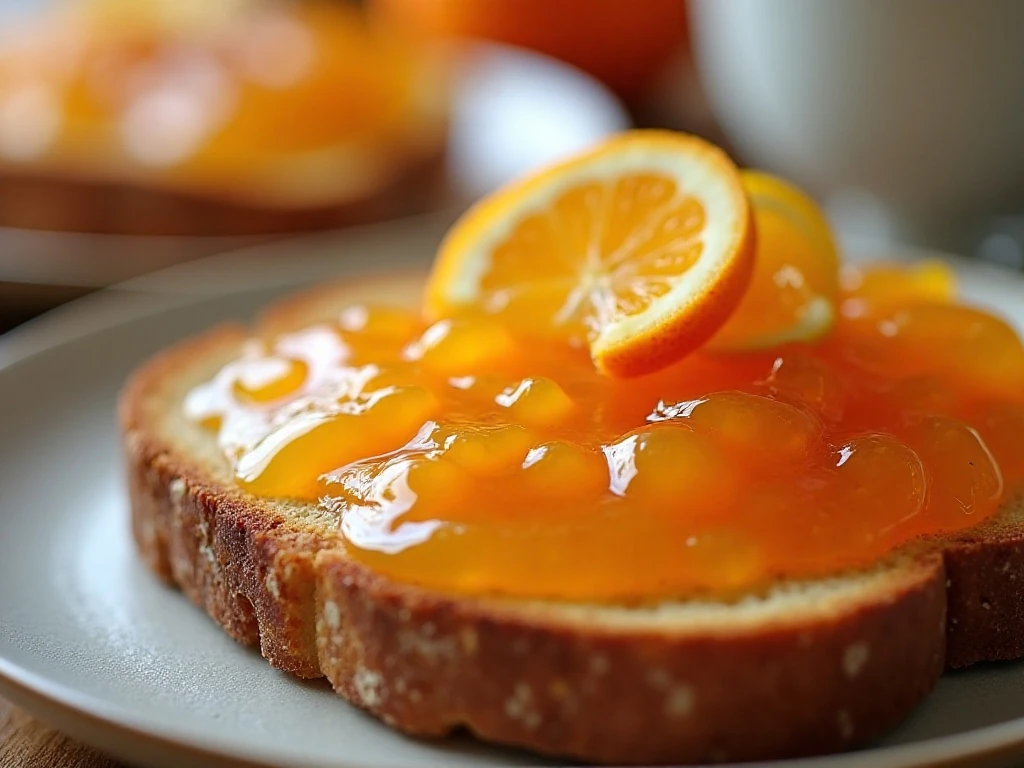
The traditional serving is a generous spoonful spread over hot buttered toast. It is also delicious with warm scones, plain yogurt, oatmeal, pancakes, or a slice of pound cake.
For a pretty afternoon tea plate, pair marmalade toast with a few slices of apple preserve. Our Old Fashioned Spiced Apple Rings bring cinnamon warmth and a soft fruit contrast to the sharp orange flavor.
Marmalade can also be brushed over a plain cake before frosting, stirred into a glaze for roasted vegetables, or spooned beside roast poultry. Its sweet bitterness gives rich foods a clean citrus finish.
For a cozy savory meal after a morning of preserving, try our Spaghetti And Meatball Soup. A simple marmalade toast on the side makes the meal feel homestyle without requiring another complicated recipe.
Storage and Troubleshooting
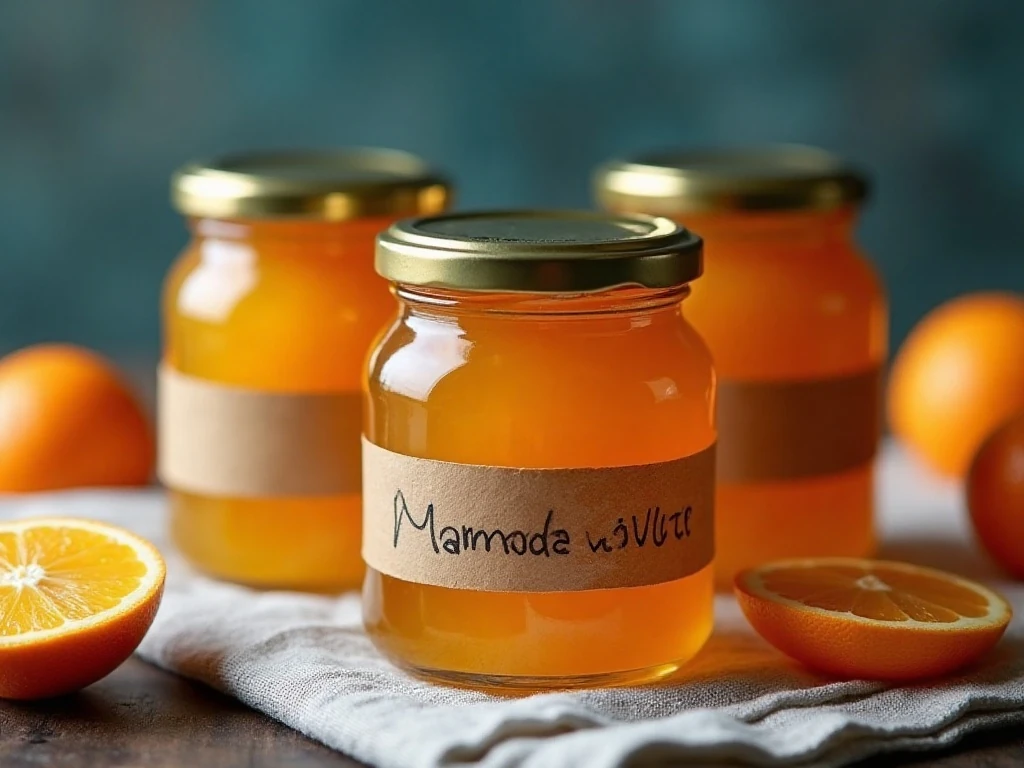
Store sealed jars in a cool, dark cupboard and refrigerate after opening. Always use clean utensils when serving, and inspect the marmalade before use if a jar has been stored for an unusually long time.
If the marmalade seems too soft, return it to the preserving pan and boil it again briefly, testing on a chilled saucer. If it is too firm, gently reheat it with a small amount of water until the texture loosens.
A set can vary because oranges differ in juiciness, pans vary in width, and evaporation happens at different rates. That is why the chilled-saucer test and the 104-105°C thermometer guide are more useful than following a fixed final-boil time alone.
Keep any opened jar refrigerated and use it with breakfast foods, desserts, or baking. For more homemade sweet treats to enjoy with a spoonful of marmalade, see our Homemade Fudgesicles recipe.
Make It Part of a Homemade Pantry
Once you have made one batch, this recipe becomes a rewarding seasonal tradition. The long simmer fills the kitchen with citrus fragrance, and the jars make thoughtful gifts for anyone who appreciates classic preserves.
Label each jar with the date and fruit used, especially if you make both Seville and sweet-orange versions. The difference in bitterness, peel texture, and set is interesting to compare over breakfast.
A well-stocked pantry does not need to be complicated. Along with this marmalade, a batch of Restaurant Style Instant Pot Pinto Beans gives you one bright breakfast staple and one hearty savory staple ready for home cooking.
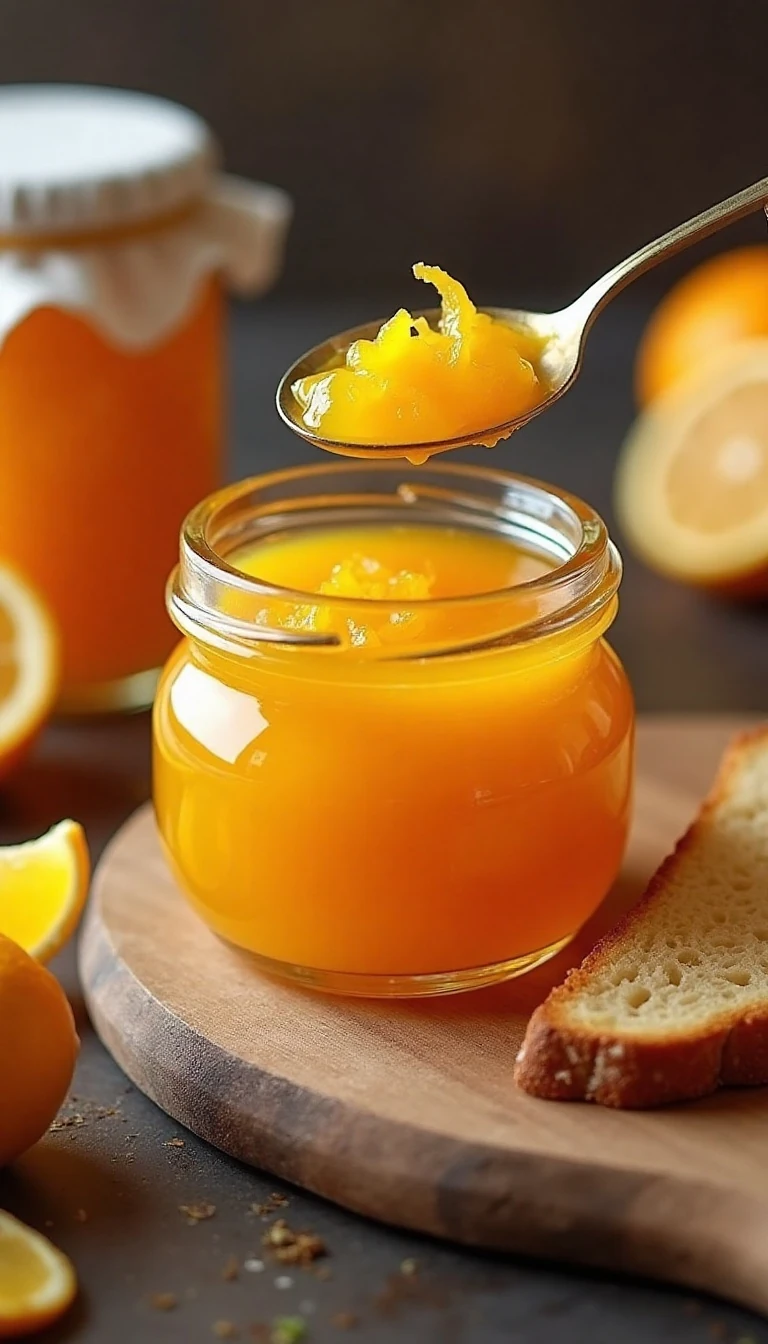
Old-Fashioned Orange Marmalade Recipe
Ingredients
Method
- Wash the oranges and lemons thoroughly. Halve the fruit, squeeze the juice into a large preserving pan, and reserve the seeds and inner white pith.
- Tie the seeds and pith securely in a small piece of muslin or cheesecloth. Slice all the peel into thin, even strips, then add the peel, juice, and water to the preserving pan along with the pectin bag.
- Bring the pan to a boil, partially cover it, and simmer gently for about 2 hours. Continue until the peel is completely tender and the liquid has reduced noticeably.
- Remove the pectin bag and press or squeeze it over the pan to release its liquid. Discard the bag, then stir in the sugar over low heat until every grain has dissolved.
- Increase the heat and boil rapidly for 15 to 25 minutes, avoiding prolonged stirring. Test a spoonful on a chilled saucer or check for approximately 104-105°C, or 219-221°F.
- Remove surface foam and let the marmalade stand for 5 to 10 minutes so the peel stays evenly distributed. Ladle it into hot, sterilized jars and seal while hot.
Notes
Final Thoughts
This old-fashioned orange marmalade recipe rewards patience with a preserve that tastes far more vivid than anything rushed. Tender peel, clear amber jelly, and bittersweet Seville orange flavor make every spoonful feel special.
Remember the essential sequence: soften the peel with the fruit and water first, extract the pectin from the seeds and pith, dissolve the sugar completely, and then use the chilled-saucer test to judge the final set.
Once sealed in hot sterilized jars, this marmalade is ready to brighten toast, cakes, scones, and savory glazes. Make it during Seville orange season, and you will have a beautiful homemade taste of classic British breakfast to enjoy long after the fruit has disappeared from the market.
1 thought on “Old-Fashioned Orange Marmalade Recipe: Classic Seville Orange Preserve”