Make homemade Italian seasoning in just 5 minutes with dried basil, oregano, parsley, rosemary, thyme, marjoram, and optional crushed red pepper flakes. Measure the herbs, lightly crush the coarser pieces, stir everything together, and store the blend in an airtight jar for an easy seasoning mix that yields about 1/2 cup.
This homemade blend brings a fragrant balance of sweet basil, peppery oregano, woodsy rosemary, gentle thyme, fresh-tasting parsley, and soft marjoram to everyday cooking. Use it in sauces, soups, roasted vegetables, marinades, meat mixtures, pizza, and salad dressings whenever you want rich, savory flavor without reaching for several spice jars.
Jump to RecipeWhy You’ll Love This Recipe
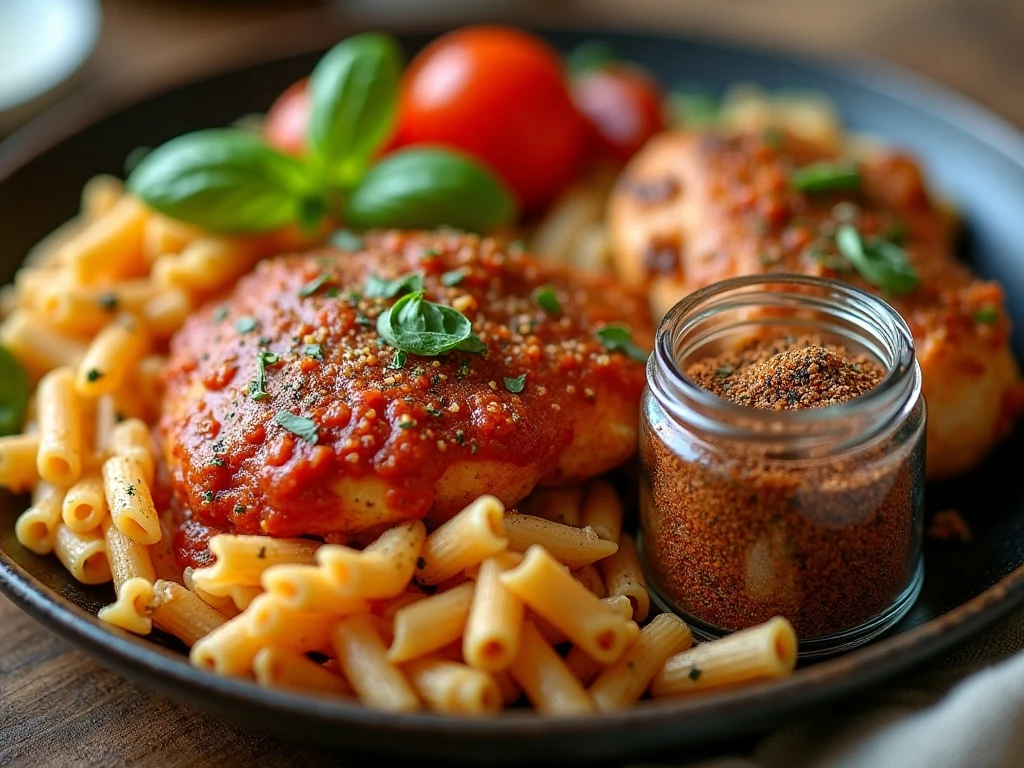
This homemade Italian seasoning is quick, affordable, and far more aromatic than a jar that has been sitting in the pantry for months. The recipe uses familiar dried herbs in proportions that create a balanced blend rather than allowing one strong flavor to dominate.
Basil supplies a softly sweet, leafy note, while oregano gives the mixture its unmistakable peppery character. Parsley keeps the blend fresh-tasting, rosemary contributes a piney fragrance, thyme adds warmth, and marjoram rounds everything out with a delicate floral savoriness.
There is no cooking required, no special equipment, and no added salt. That makes this blend especially useful because you can control the seasoning level in each recipe and account for salty ingredients such as Parmesan, stock, olives, or cured meats.
For another simple homemade flavor project, you can also try this seasoned popcorn idea when you want a crunchy snack with plenty of savory character.
Ingredients You’ll Need
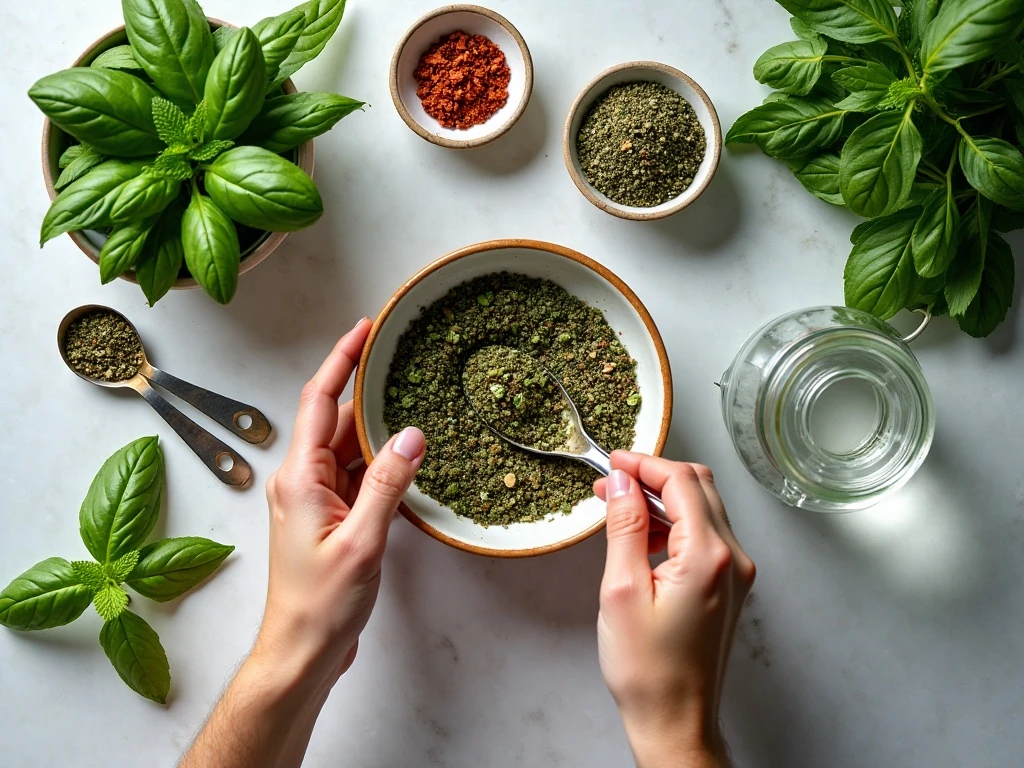
The foundation of this blend is a straightforward group of dried herbs. Choose containers that are well sealed and herbs that still smell lively when you open their jars, since aroma is the best quick indicator of freshness.
- 2 tablespoons dried basil: Adds a sweet, softly peppery herbal base.
- 2 tablespoons dried oregano: Brings bold, warm flavor that reads immediately as Italian-inspired.
- 2 tablespoons dried parsley: Adds a clean green note and helps soften the stronger herbs.
- 1 tablespoon dried rosemary: Contributes a fragrant, woodsy quality.
- 1 tablespoon dried thyme: Gives the blend a gentle earthy warmth.
- 1 teaspoon dried marjoram: Adds a subtle floral and savory finish.
- 1/2 teaspoon crushed red pepper flakes, optional: Provides mild heat and extra energy.
The red pepper flakes are optional, so leave them out for a mild, broadly useful seasoning. If you prefer a more savory American-style pantry blend, some cooks add 1 teaspoon garlic powder or onion powder, but those are optional additions rather than core herbs in this formula.
How to Make It Step-by-Step
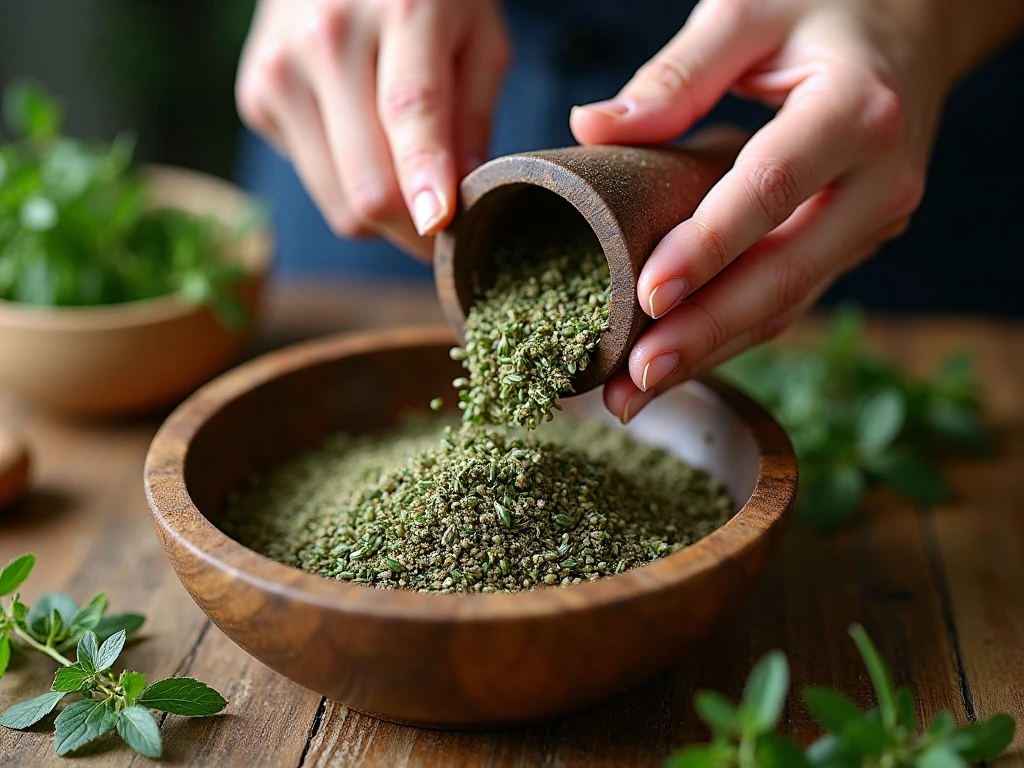
Step 1: Measure all of the dried basil, oregano, parsley, rosemary, thyme, marjoram, and optional red pepper flakes into a small bowl or jar. Measuring before mixing keeps the proportions balanced and makes it easy to scale the process later if you want another batch.
Step 2: Rub the dried herbs lightly between your fingers, using gentle pressure to break up oversized flakes. You can also crush them briefly with a mortar and pestle, especially if the rosemary pieces are coarse, because smaller pieces distribute more evenly through the blend.
Step 3: Stir the herbs with a small spoon or seal the jar and shake it carefully until the colors and textures look evenly distributed. Check the bottom and corners of the bowl, where heavier rosemary and pepper flakes can settle.
Step 4: Transfer the finished seasoning to an airtight jar if you mixed it in a bowl. Label the jar with the date so you can keep track of its age and recognize it easily in a crowded spice cabinet.
Step 5: Let the jar stand for 10 to 15 minutes before using if possible. This short resting period allows the aromas to meld, although the blend can also be added directly to a recipe when you are cooking right away.
How to Use Italian Seasoning
This seasoning is made to work across many types of dishes. Stir 1 to 2 tablespoons into a large pot of tomato sauce, soup, or stew, then taste before adding more so the herbs remain balanced.
For meat, poultry, or vegetables, start with about 1 tablespoon per pound and adjust to taste. Rub it over chicken before roasting, mix it into meatballs or burger mixtures, or toss it with vegetables and oil before they go into the oven.
It is also excellent in pizza sauce, marinades, vinaigrettes, beans, garlic bread, and pasta dishes. Add it early to recipes with liquid so the herbs have time to soften, or sprinkle a small amount near the end when you want a brighter herbal aroma.
When serving a snack board or a casual meal, pair herb-seasoned dishes with homemade pickled peppers for a sharp, tangy contrast. Their acidity can make rich sauces, roasted meats, and cheesy dishes taste more lively.
Pro Tips for the Best Flavor
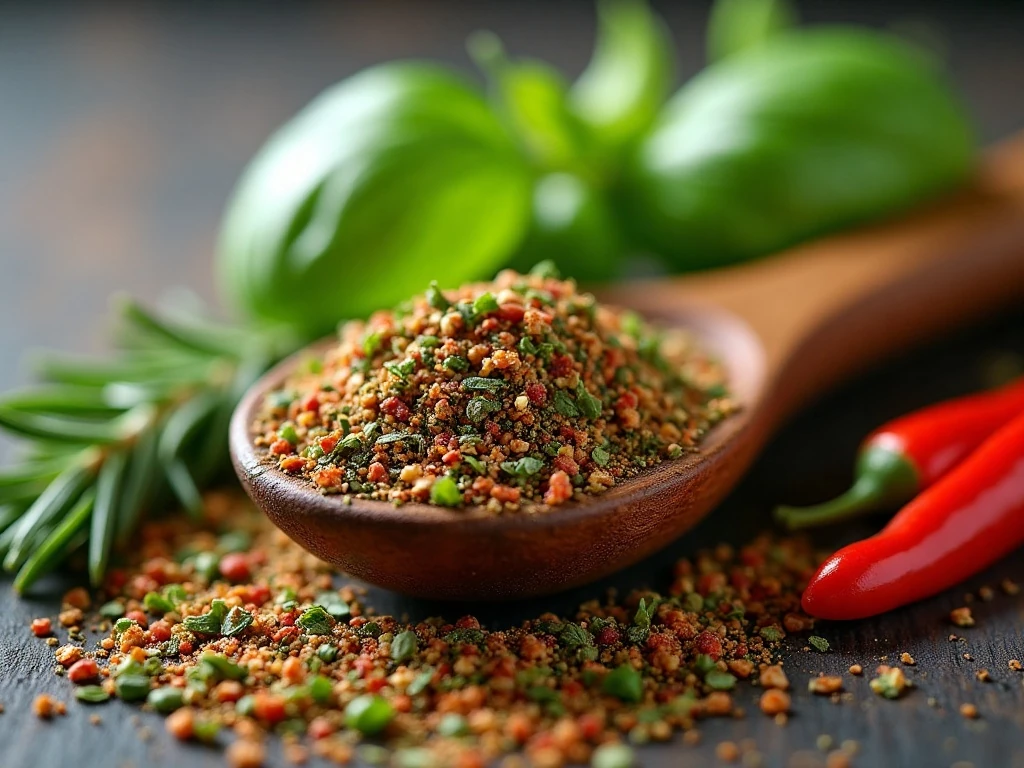
- Crush coarse herbs: Rosemary can remain in large, stiff pieces if it is added straight from the jar. A brief crush releases its aroma and helps every spoonful contain a more even mix.
- Use fresh pantry herbs: Dried herbs lose fragrance over time, so smell each jar before measuring. If the scent is faint or dusty, the final seasoning will also taste muted.
- Keep salt separate: This formula contains no salt, which lets you season dishes according to their other ingredients. Start with less of the blend when cooking with Parmesan, broth, olives, or cured meats.
- Choose your heat level: Include the red pepper flakes for a gentle spicy note, or omit them when making a family-friendly blend for a wide range of recipes.
- Rest before using: Ten to 15 minutes allows the aromas to mingle, especially after the herbs have been lightly crushed.
For a fresh meal pairing, spoon herb-seasoned vegetables or chicken alongside a bright homemade salsa. The contrast between dried herbs and fresh tomato, chile, and acidity creates a satisfying plate.
Storage and Freshness
Store the seasoning in a cool, dark, airtight container away from the stove, dishwasher, and direct sunlight. Heat, light, and moisture gradually weaken dried herbs, while a tight lid helps preserve their fragrance.
The blend is best within about 6 months, but it can remain usable longer if it still smells strongly aromatic. Before using an older batch, open the jar and take a quick smell; if the herbs have little scent, replace them for the best result.
Always use a dry measuring spoon so moisture does not enter the jar. If the mixture ever looks damp, clumps unusually, or develops an off smell, discard it and make a fresh batch.
Serving Ideas for Everyday Meals
Use this blend to turn simple pantry ingredients into a flavorful dinner. Stir it into olive oil for a quick bread dip, whisk it into vinegar and oil for dressing, or combine it with crushed tomatoes for an uncomplicated pasta sauce.
It works beautifully with roasted potatoes, zucchini, mushrooms, bell peppers, cauliflower, and green beans. Toss the vegetables with oil and seasoning before roasting, then taste after cooking and add a final small pinch if needed.
For brunch, mix a little seasoning into eggs, potatoes, or savory fillings for homemade breakfast sandwiches. The herbs are especially good with eggs, sausage, roasted peppers, and melted cheese.
At dessert time, a different homemade staple may be useful, so keep this whipped cream recipe nearby for fruit, cake, or a simple after-dinner treat. A well-stocked kitchen is built from small preparations like these, each ready to make the next meal more enjoyable.
Common Questions
Is Italian seasoning traditionally Italian? The phrase generally refers to an American-style dried herb blend rather than one standardized traditional Italian recipe. This version reflects the ingredients and proportions commonly found in popular published formulas while remaining flexible for home cooking.
Can I grind the herbs into a powder? You can crush them briefly, but a coarse blend is usually more useful because it provides visible flecks and a pleasant texture. Avoid pulverizing the herbs too aggressively, which can make the mixture settle unevenly and lose aroma more quickly.
Can I double the recipe? Yes, keep the same proportions when making a larger batch. Mix thoroughly, divide the seasoning into smaller airtight jars if needed, and label each jar with the preparation date.
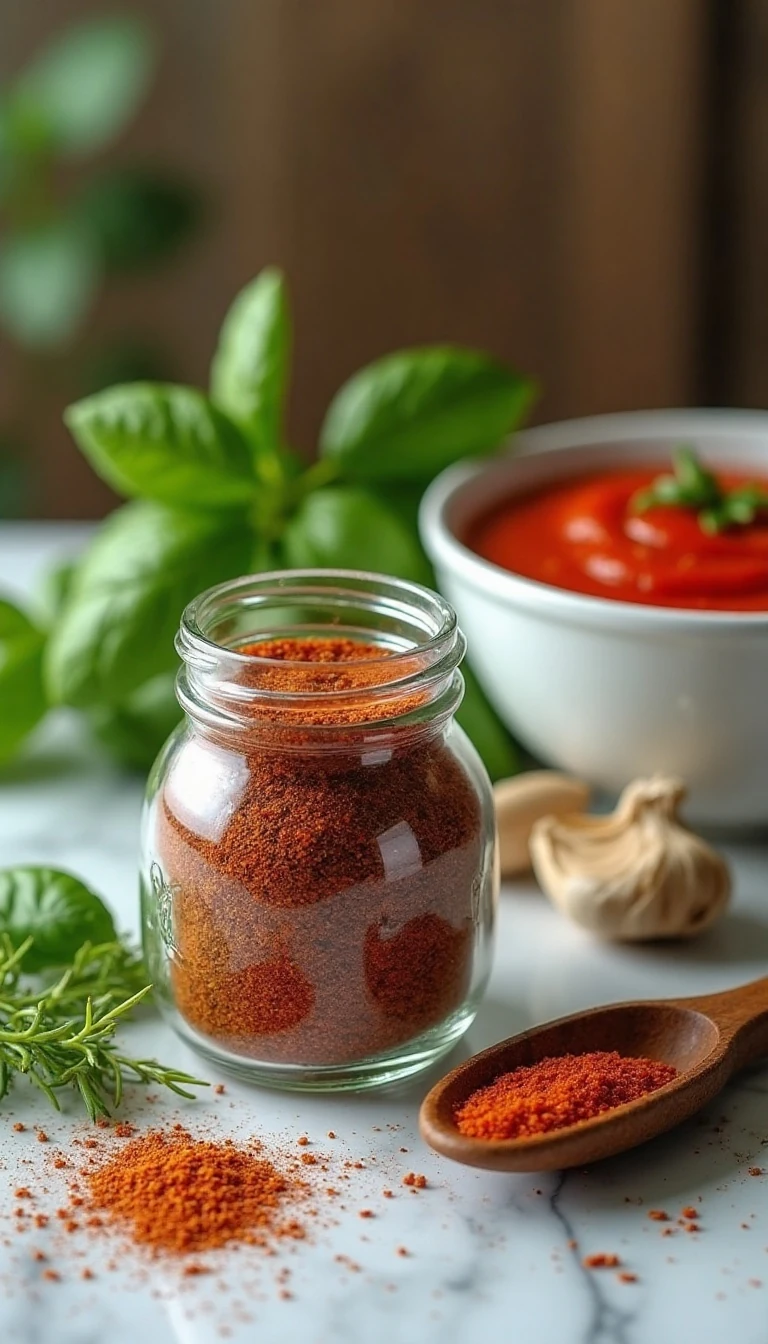
Homemade Italian Seasoning
Ingredients
Method
- Measure the dried basil, oregano, parsley, rosemary, thyme, marjoram, and optional crushed red pepper flakes into a small bowl or clean jar.
- Rub the dried herbs lightly between your fingers, or crush them briefly with a mortar and pestle, paying special attention to the rosemary and other coarse herbs.
- Stir or shake the mixture until the herbs and pepper flakes are evenly combined.
- Transfer the seasoning to an airtight jar, label it with the date, and let it stand for 10 to 15 minutes before using if possible.
Notes
Final Thoughts
Homemade Italian seasoning is one of the easiest ways to keep dependable flavor within reach. In only 5 minutes, a few dried herbs become a fragrant blend that can season everything from tomato sauce and soup to roasted vegetables, pizza, marinades, meat, and salad dressing.
Use the exact blend as written for a balanced herb profile, add the red pepper flakes when you want gentle heat, and crush rosemary before mixing for better distribution. Store the jar in a cool, dark place, use it within about 6 months for peak aroma, and always taste carefully when your dish already includes salty ingredients.
Once this blend becomes part of your pantry routine, it will be easy to reach for whenever dinner needs a warm, savory herbal finish. Make a jar today, label it with the date, and enjoy the convenience of having a versatile seasoning ready for your next homemade meal.