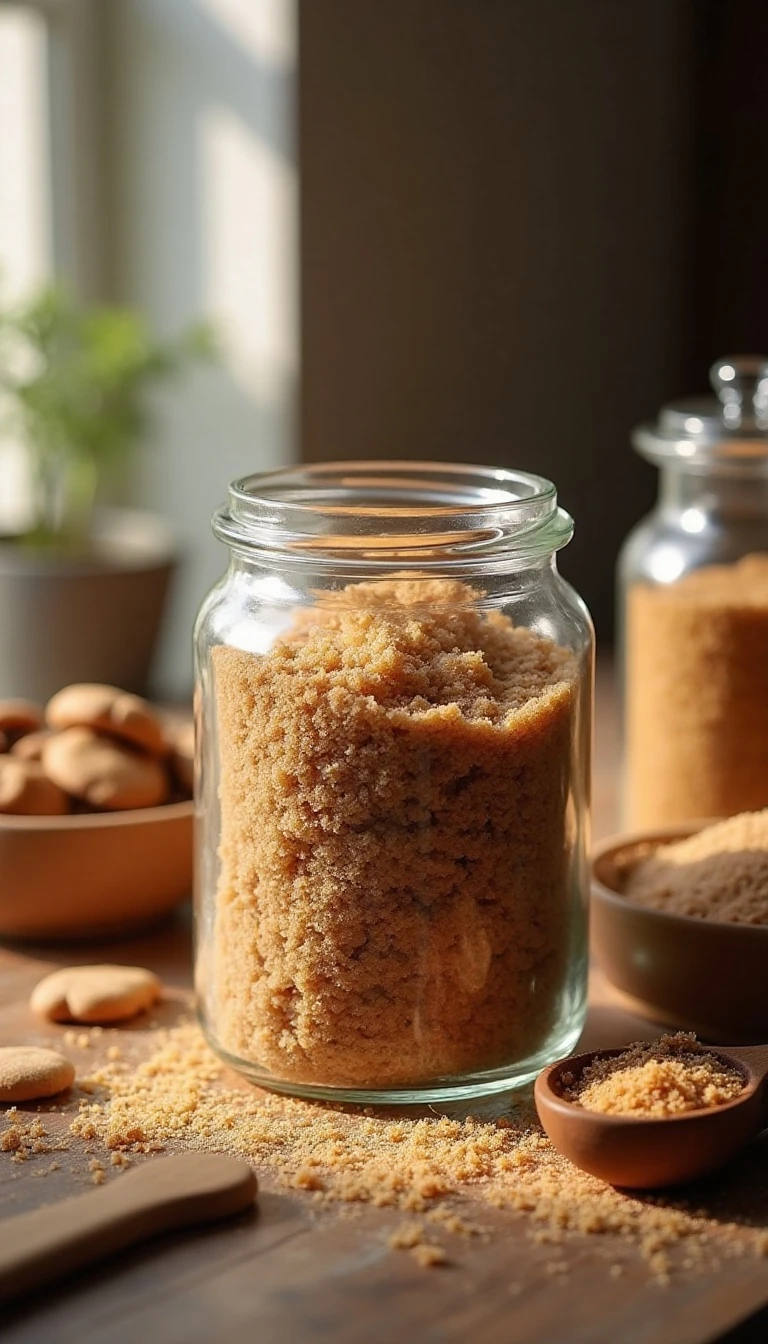
Making homemade brown sugar is incredibly easy: combine 1 cup (200 g) of granulated white sugar with 1 tablespoon (about 20 g) of unsulphured molasses, then mix until the sugar is evenly brown. The entire no-cook process takes about 5 minutes, and the finished sugar can be used right away or stored in an airtight container at room temperature.
This simple two-ingredient recipe gives you soft, fragrant brown sugar with a gentle caramel flavor and just the right amount of moisture for cookies, cakes, muffins, sauces, and more. Use 2 tablespoons (about 40 g) of molasses instead when you need dark brown sugar with a deeper, richer taste.
Jump to RecipeWhy You’ll Love This Recipe
There is no need to make a special grocery-store trip when a baking recipe calls for brown sugar. With ordinary white sugar and a jar of unsulphured molasses, you can make about 1 cup of fresh brown sugar in minutes.
The flavor is wonderfully balanced. Granulated sugar brings clean sweetness, while molasses adds warm caramel notes, a subtle toasted quality, and the soft texture that makes brown sugar so useful in baking.
This recipe is especially handy when you only need a small amount for a batch of cookies, a streusel topping, or a quick sauce. It also lets you choose the intensity: 1 tablespoon creates light brown sugar, and 2 tablespoons creates dark brown sugar.
Because the mixture requires no cooking, melting, or special equipment, it is an excellent pantry shortcut for new bakers and experienced cooks alike. A bowl and fork will do the job, although a food processor or stand mixer makes the texture extra smooth.
If you are planning a cozy baking day, this homemade sugar would be delicious in our brown sugar maple muffins, where its warm flavor pairs beautifully with maple.
Ingredients You’ll Need
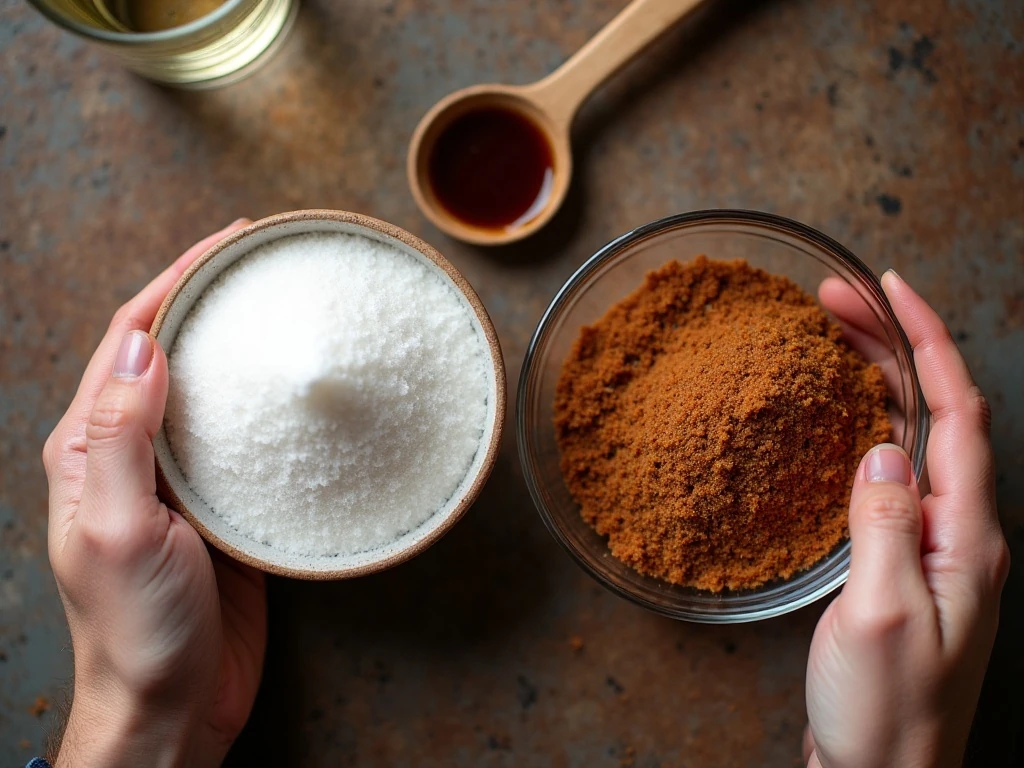
This recipe uses only two ingredients, and each one has an important role in the final texture and flavor.
- 1 cup (200 g) granulated white sugar: Use regular granulated sugar as the base. Its fine, dry crystals blend readily with the molasses.
- 1 tablespoon (about 20 g) unsulphured molasses: This amount makes light brown sugar with a mild molasses flavor and soft, moist texture.
- For dark brown sugar: Use 2 tablespoons (about 40 g) of unsulphured molasses instead of 1 tablespoon. Do not add both amounts; choose the quantity that matches your recipe.
Regular unsulphured molasses is the best choice for everyday baking. Blackstrap molasses is much more bitter, less sweet, and stronger in flavor, so it can overpower cookies, cakes, muffins, and dessert sauces.
A kitchen scale is useful if you prefer precise baking measurements, but standard measuring cups and spoons work perfectly here. Since the recipe is forgiving, you can focus on thoroughly blending the ingredients rather than complicated preparation.
How to Make It Step-by-Step
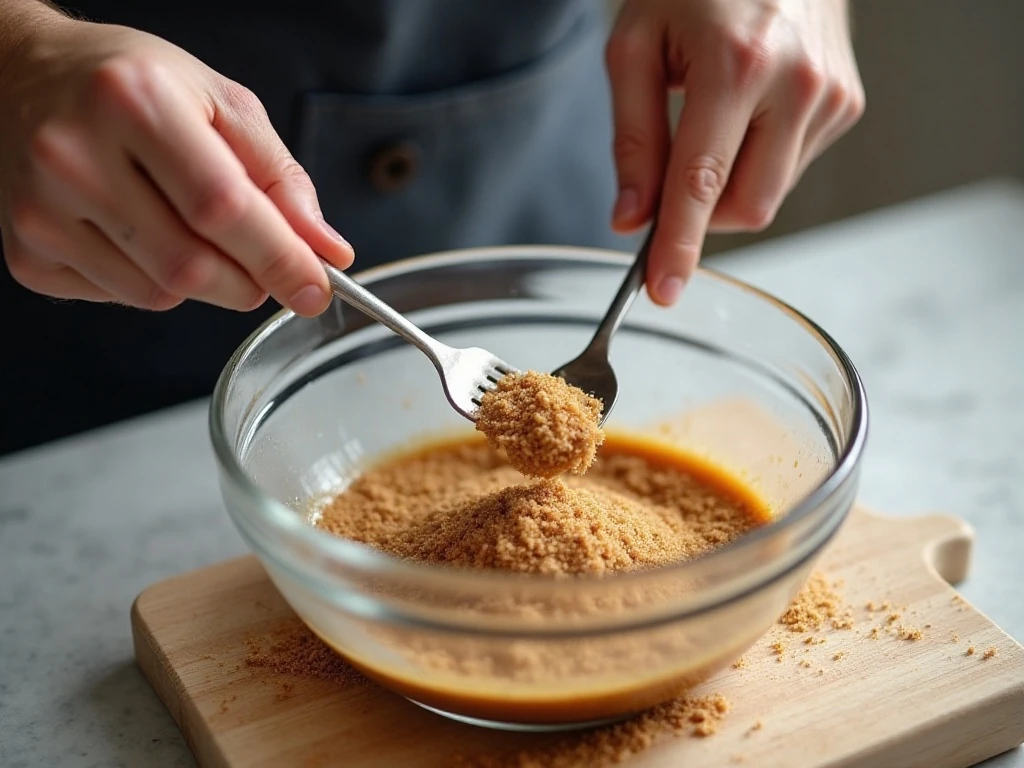
Step 1: Add 1 cup (200 g) of granulated white sugar and 1 tablespoon (about 20 g) of unsulphured molasses to a bowl, food processor, or stand mixer. If you are making dark brown sugar, measure 2 tablespoons (about 40 g) of molasses instead.
Step 2: Mix the sugar and molasses until the color is even from edge to edge. A food processor or stand mixer generally takes about 1 to 2 minutes, while mixing by hand with a fork takes several minutes and requires a little more patience.
Step 3: Pause to scrape the sides and bottom of the bowl if needed. Molasses can cling to the bowl, so check carefully for pale patches of sugar or dark streaks that have not yet been distributed.
Step 4: Break up any remaining clumps with the back of a fork or your fingertips. Continue mixing until the sugar looks uniformly brown and feels soft rather than streaky or damp in isolated spots.
Step 5: Use the homemade brown sugar immediately, or spoon it into an airtight container. If your baking recipe calls for packed brown sugar, press it firmly into the measuring cup so it holds together when turned out.
The finished sugar should look evenly colored, with a soft texture similar to packaged brown sugar. If the mixture seems slightly clumpy right after mixing, that is normal; simply break apart the larger pieces before measuring.
Light Brown vs. Dark Brown Sugar
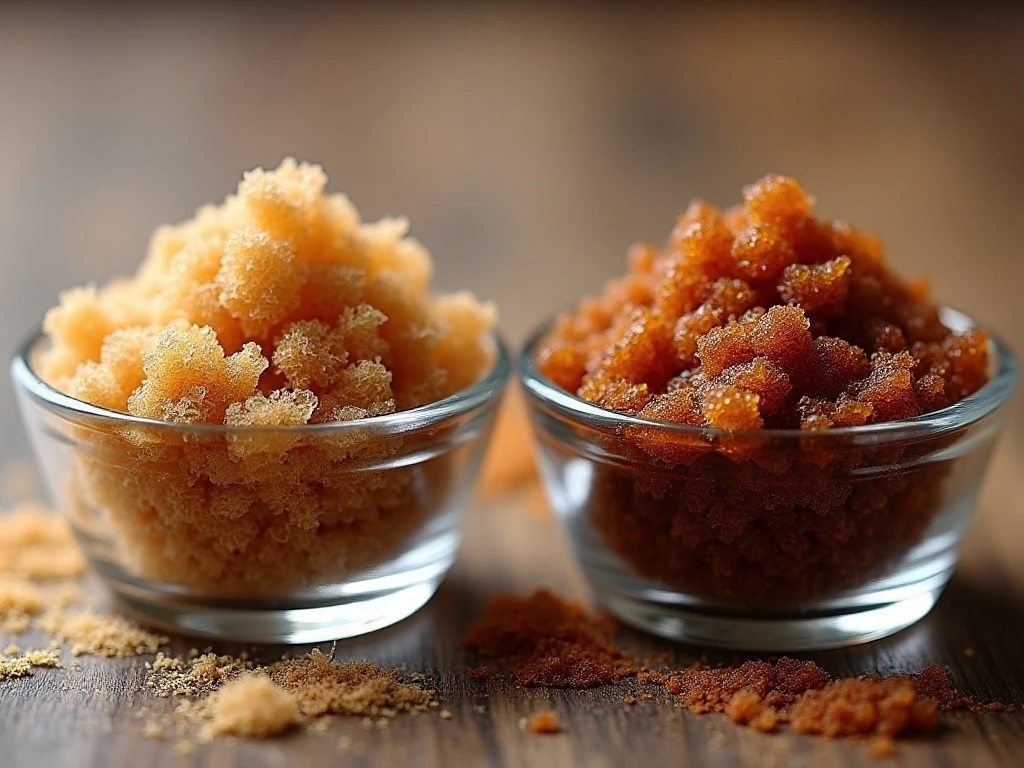
The difference between light and dark brown sugar is the amount of molasses mixed into the white sugar. Light brown sugar uses 1 tablespoon of molasses per cup of sugar, giving it a delicate caramel flavor and a lighter color.
Dark brown sugar uses 2 tablespoons of molasses per cup. It has a deeper color, a more pronounced molasses taste, and slightly more moisture, making it a delicious choice for gingerbread, rich chocolate cookies, barbecue sauces, and boldly flavored desserts.
If a recipe simply says “brown sugar,” light brown sugar is usually a dependable choice. When the recipe specifically calls for dark brown sugar, use the 2-tablespoon version so the final flavor and moisture are closer to the intended result.
You can also make only the amount you need. For example, halve the recipe when you need about 1/2 cup, keeping the same proportion of sugar to molasses. The key is to maintain 1 tablespoon of molasses per cup of sugar for light brown sugar, or 2 tablespoons for dark.
For another baking project that uses pantry-friendly ingredients, try serving these homemade biscuits alongside breakfast or brunch with our quick 7 Up biscuits.
Pro Tips for the Best Texture
Start with a wide bowl if you are mixing by hand. More surface area gives you room to press the molasses into the sugar instead of allowing it to collect in one sticky spot.
A fork is better than a spoon for hand mixing because its tines can scrape, press, and break apart small clumps. Work around the bowl, turning the sugar over repeatedly until no pale sugar remains.
For the smoothest texture, use a food processor or stand mixer. Keep the mixing time around 1 to 2 minutes, then inspect the sugar and stop as soon as the molasses is fully distributed.
Measure the molasses with a lightly greased tablespoon if you find it sticks. A thin coating of neutral oil makes the molasses slide out more easily, while still keeping the recipe simple.
Do not substitute blackstrap molasses unless you specifically want its intense, bitter flavor. Regular unsulphured molasses is milder and better suited to the sweet recipes where brown sugar is most often used.
When a recipe calls for packed brown sugar, fill the measuring cup in layers and press each layer down. The correct method is to pack it firmly enough that the sugar keeps the shape of the cup when released, without leaving loose pockets.
For a savory meal after baking, our herb-marinated chicken over farfalle is a flavorful option that makes good use of everyday pantry ingredients.
Storage and Freshness

Transfer homemade brown sugar to an airtight container as soon as you finish mixing it. A tightly sealed glass jar, plastic storage container, or resealable bag can help keep moisture inside and prevent the sugar from drying out.
Store it at room temperature in a cool, dry cupboard. It does not need to be refrigerated, and keeping it away from heat and humidity helps preserve its soft texture.
Homemade brown sugar is best used while it is fresh and soft, but proper airtight storage helps it remain ready for future baking. Always check for dry, hardened areas before measuring, especially if the container has been opened repeatedly.
If a small amount has firmed up, break it apart with a fork before using it. The most reliable prevention is simple: seal the container immediately after each use rather than leaving the sugar exposed on the counter.
For a completely different homemade pantry project, you can also read about making homemade laundry soap.
Ways to Use Homemade Brown Sugar
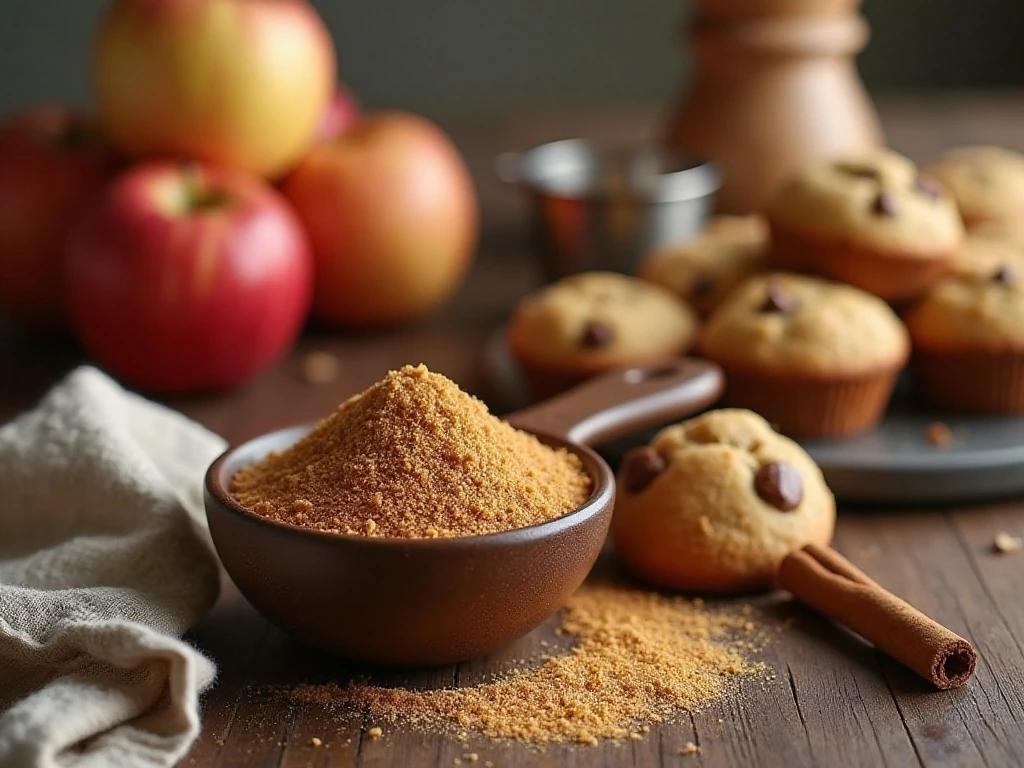
Use this sugar anywhere a recipe calls for light or dark brown sugar. It works in chocolate chip cookies, oatmeal cookies, blondies, banana bread, coffee cake, muffins, crumb toppings, and sweet quick breads.
It is also useful outside the dessert section. Brown sugar can add color and gentle sweetness to glazes, baked ham, roasted vegetables, barbecue sauces, marinades, and stovetop oatmeal.
For an easy dessert, sprinkle a little over sliced apples with cinnamon before baking. The molasses-rich sugar melts into the fruit and creates a fragrant syrup without requiring a separate sauce.
It is wonderful in breakfast recipes, too. Stir a spoonful into oatmeal, use it in pancake batter, or add it to a warm bowl of fruit and yogurt. If you enjoy homemade treats, our easy beignets make a delightful companion for a sweet breakfast table.
Troubleshooting Common Problems
The sugar is streaky: This usually means the molasses has not been mixed thoroughly. Scrape the bowl and continue mixing until the color is consistent throughout.
The sugar has large clumps: Press the clumps against the side of the bowl with a fork, then stir them back into the mixture. A food processor can quickly smooth out stubborn pieces.
The flavor is too strong: Check that you used regular unsulphured molasses rather than blackstrap molasses. Also confirm that you used 1 tablespoon for light brown sugar and 2 tablespoons for dark brown sugar.
The sugar feels dry: It may have been exposed to air for too long. Move it into a truly airtight container and break up any hardened pieces before the next use.
Easy Homemade Brown Sugar
Ingredients
Method
- Add the granulated sugar and the appropriate amount of unsulphured molasses to a mixing bowl, food processor, or stand mixer.
- Mix until the molasses is evenly distributed and the sugar is uniformly brown. This usually takes 1 to 2 minutes in a food processor or stand mixer, while hand mixing with a fork takes several minutes.
- Break up any remaining clumps, then use the brown sugar immediately or transfer it to an airtight container for room-temperature storage.
- When a baking recipe calls for packed brown sugar, firmly press the homemade sugar into the measuring cup before adding it to the recipe.
Notes
Final Thoughts
Homemade brown sugar is one of those wonderfully practical kitchen basics that feels almost too easy to be true. In about 5 minutes, 1 cup of granulated sugar and a spoonful of unsulphured molasses become a soft, fragrant ingredient ready for your favorite recipes.
Choose 1 tablespoon of molasses for light brown sugar or 2 tablespoons for dark brown sugar, then mix until every crystal is evenly coated. The method works by hand with a fork, but a food processor or stand mixer gives you the smoothest result with less effort.
Keep your finished sugar in an airtight container at room temperature, and remember to pack it when a recipe calls for packed brown sugar. Once you try this simple method, you will always have a reliable brown sugar option ready for cookies, muffins, sauces, breakfast treats, and comforting desserts.