This easy muffin tin yeast rolls recipe makes 12 soft, lightly sweet rolls with a tender center and beautifully golden tops. The dough needs about 20 to 25 minutes of active preparation, two short rises, and only 10 to 15 minutes in a 400°F oven, making these homemade rolls practical for breakfast or brunch.
Warm milk, melted butter, sugar, and yeast give every roll a delicate richness without making the dough difficult to handle. Spoon the soft dough directly into a greased muffin tin, then serve the freshly baked rolls with butter, jam, eggs, or a savory breakfast spread.
Jump to RecipeWhy You’ll Love This Recipe

Muffin tin yeast rolls have all the comfort of traditional homemade bread without the need to shape individual dough balls. Instead of kneading and forming a dozen portions, you simply stir down the risen dough and spoon it into the muffin cups.
The muffin tin gives each roll a pretty rounded shape and helps the edges bake into soft, golden ridges. Their mild sweetness makes them especially good for breakfast, but they also fit naturally beside soup, roasted vegetables, or a holiday meal.
- Yield: 12 soft rolls
- Active preparation: 20 to 25 minutes
- First rise: About 30 minutes
- Second rise: About 20 to 30 minutes
- Baking: 10 to 15 minutes at 400°F
For another homemade bread idea with a more savory profile, try these cheesy garlic herb rolls when you want a richer accompaniment.
Ingredients You’ll Need
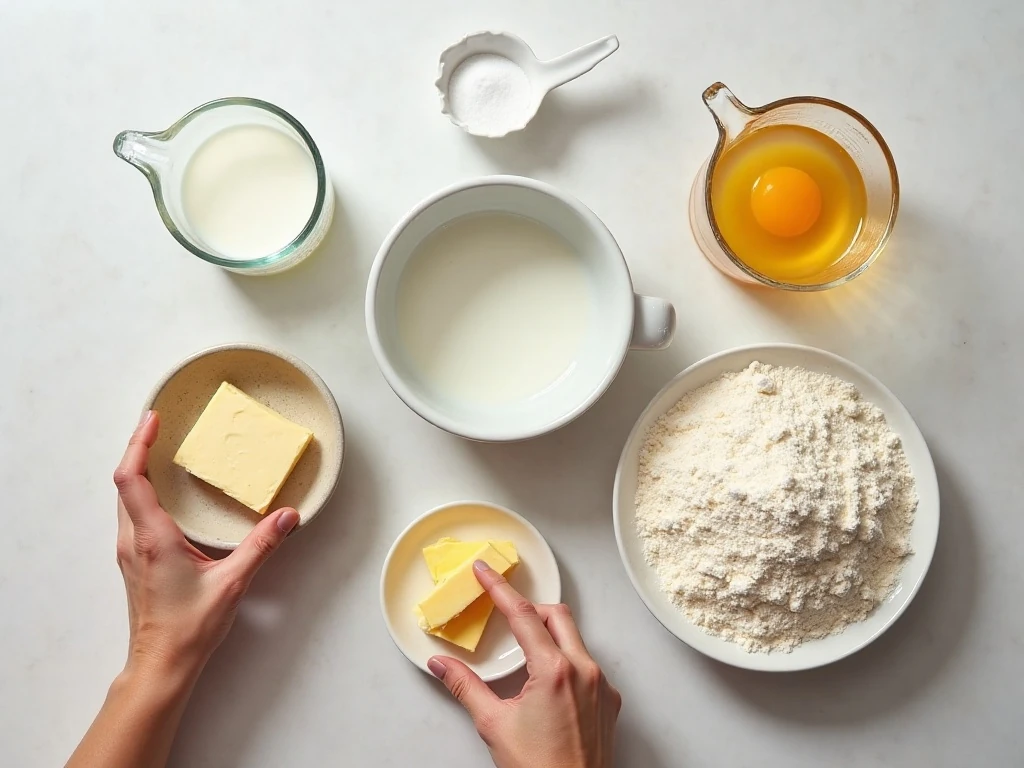
The ingredient list is short, but each item supports the tender texture. Active dry yeast provides the rise, while warm milk, butter, egg, and sugar give the rolls a soft crumb, gentle richness, and lightly sweet flavor.
- 1 package active dry yeast, equal to 2 1/4 teaspoons or 1/4 ounce
- 1/4 cup warm water, about 110°F to 115°F
- 1 cup warm milk, preferably 2%, about 110°F to 115°F
- 1/4 cup melted butter, plus extra for the muffin tin and optional brushing
- 1/4 cup granulated sugar
- 1 large egg, preferably at room temperature
- 1 teaspoon salt
- 3 to 3 1/2 cups all-purpose flour
Have all the ingredients measured before you begin, and allow the melted butter to cool slightly so it is warm rather than piping hot. A room-temperature egg blends more easily into the milk and butter mixture.
If you are planning a breakfast spread, these rolls are lovely beside fruit pastries such as our apple cream cheese Danish.
How to Make It Step-by-Step
Step 1: Begin by checking the temperature of the water and milk. They should feel warm, around 110°F to 115°F, but never hot; temperatures above roughly 120°F may weaken or kill the yeast.
Step 2: Pour the warm water into a large mixing bowl and sprinkle in the active dry yeast. Let the mixture stand for about 5 minutes, until it becomes foamy, which shows that the yeast is active.
Step 3: Add the warm milk, melted butter, sugar, egg, and salt to the foamy yeast. Stir thoroughly so the sugar begins to dissolve and the egg is distributed throughout the liquid.
Step 4: Add 3 cups of flour and stir or beat until the mixture looks smooth. The dough should be soft and slightly sticky, so add the remaining flour gradually, stopping as soon as the dough holds together without becoming stiff.
Step 5: Cover the bowl with a clean towel or plastic wrap and set it in a warm, draft-free place. Let it rise for about 30 minutes, watching for a dough that is noticeably puffy or nearly doubled rather than relying only on the clock.
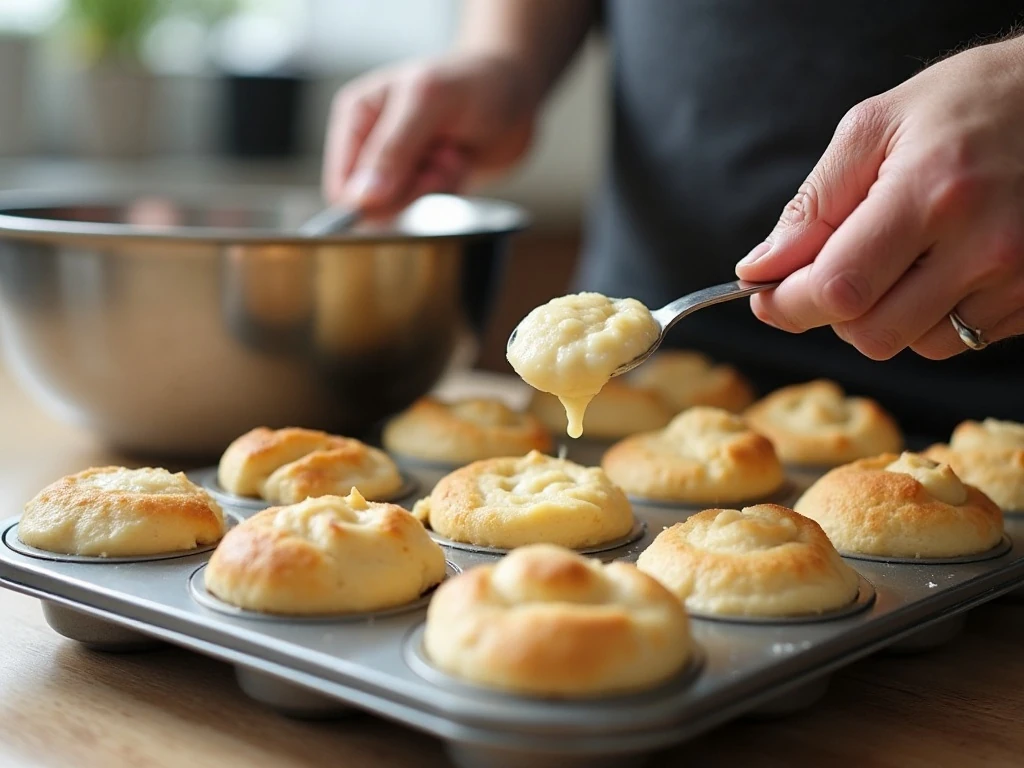
Step 6: Grease all 12 muffin cups with butter, including the sides near the top. Stir the risen dough down gently, then spoon or portion it evenly into the prepared cups.
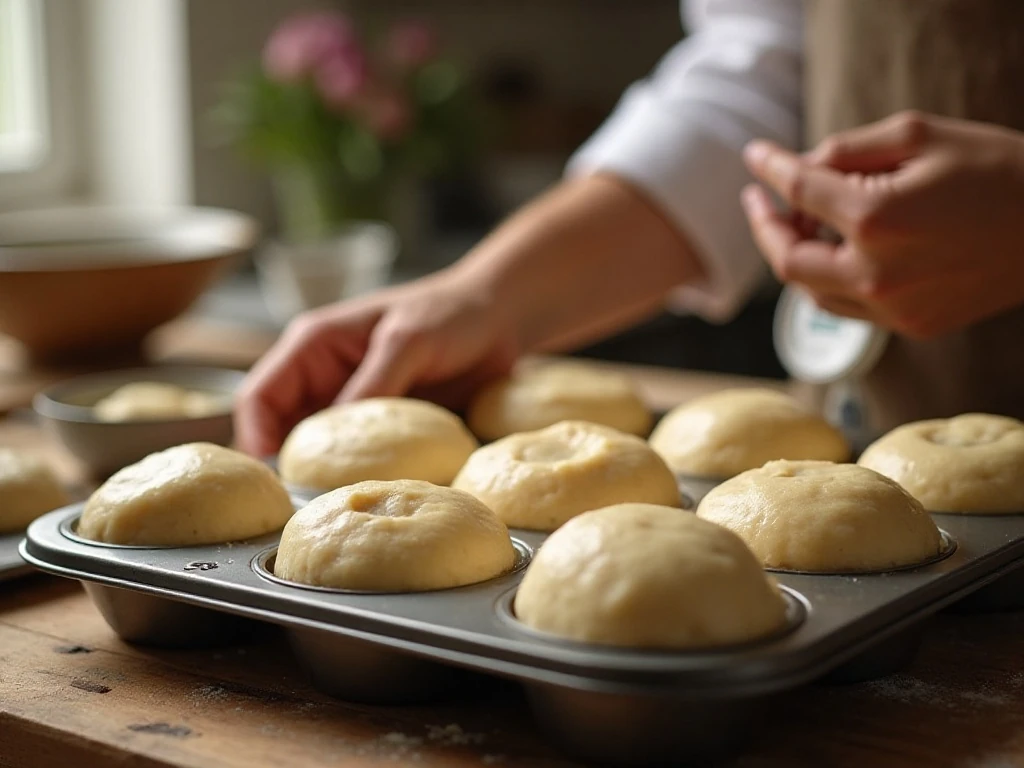
Step 7: Cover the muffin tin and let the dough rise a second time for about 20 to 30 minutes. The portions should look rounded and puffy, with the tops beginning to rise above the center of each cup.
Step 8: Heat the oven to 400°F if it is not already hot. Bake the rolls for 10 to 15 minutes, until the tops are lightly golden and the centers appear set.
Step 9: Remove the tin from the oven and brush the warm rolls with melted butter if you like a glossy, buttery finish. Let them cool briefly before lifting them from the cups and serving.
Pro Tips for Soft, Fluffy Rolls
The most important detail is temperature control. Warm liquid helps yeast activate, while overheated liquid can damage it, so use a thermometer when possible instead of guessing.
Do not automatically use the full 3 1/2 cups of flour. Because this is intentionally soft dough, adding too much flour can produce heavy rolls rather than light, tender ones.
- Watch the dough, not just the timer: A cool kitchen may lengthen both rises.
- Keep the dough covered: This prevents the surface from drying while it rises.
- Grease thoroughly: Butter helps the rolls release cleanly and adds flavor to the edges.
- Portion evenly: Similar amounts in each cup help the rolls finish baking at the same time.
- Serve warm: The crumb is at its softest shortly after baking.
For a sweet brunch menu, serve these rolls with fruit preserves and a slice of our late-summer peach cake. The buttery rolls balance the cake’s bright fruit flavor without competing with it.
Serving Ideas for Breakfast

Split a warm roll and add butter, honey, strawberry jam, or apple butter. They also make a wonderful base for scrambled eggs, soft cheese, or thin slices of ham.
For a relaxed brunch, place the rolls in a lined basket and offer both sweet and savory toppings. A bowl of fresh berries, yogurt, and coffee turns this simple bake into a complete morning table.
These rolls are mild enough to accompany a wide range of dishes. If you are preparing a larger brunch menu, a creamy pasta dish such as this easy salmon pasta can provide a satisfying savory option later in the day.
Storage and Reheating
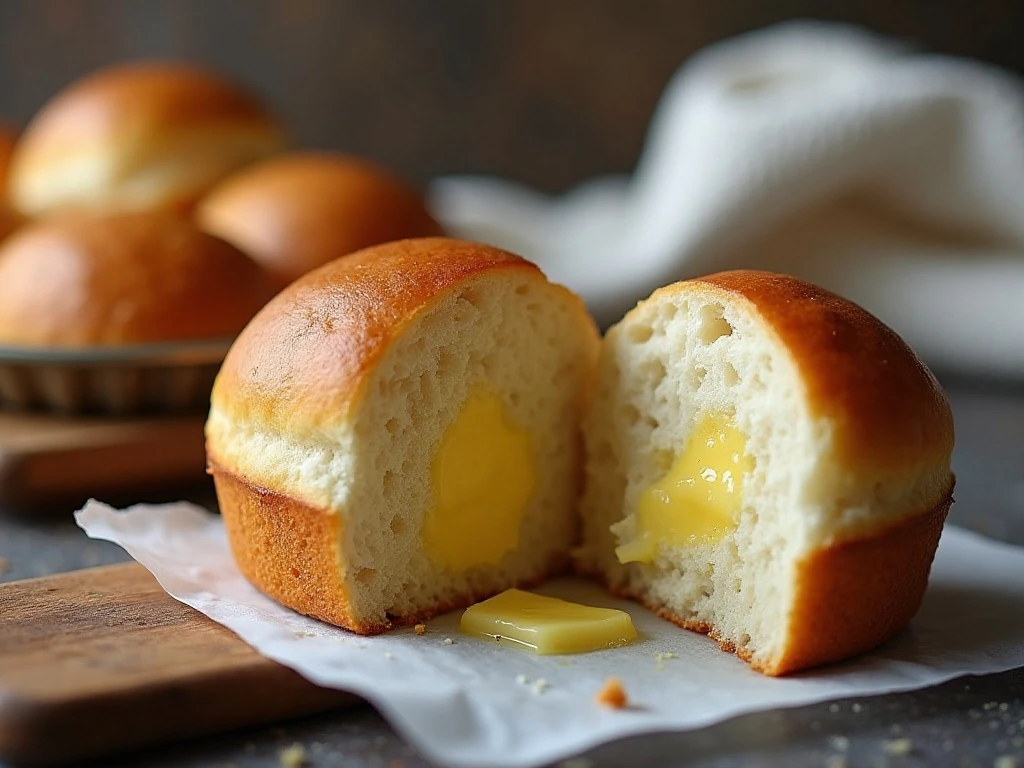
Let leftover rolls cool completely, then store them in an airtight container at room temperature for up to a couple of days. For longer storage, wrap them well and freeze them, placing parchment between layers if needed.
To serve, warm room-temperature rolls briefly until soft and fragrant. Frozen rolls should thaw before reheating so the centers warm without the tops becoming overly dry.
If you plan to serve them the next morning, bake them as directed, cool them, and keep them covered overnight. Brush with a little butter after warming to refresh the tender crust.
Common Questions
Can I make the dough less sticky? Yes, but add flour a tablespoon or two at a time and stop once the dough is soft and manageable. A slightly sticky dough is expected and usually produces lighter rolls.
Why did my dough not double in 30 minutes? Yeast rises more slowly in a cool room. Move the covered bowl to a warmer draft-free place and wait until the dough looks puffy or nearly doubled rather than forcing the recipe to follow the exact minute mark.
Can I skip the second rise? The second rise helps create the soft, airy texture associated with these muffin tin rolls, so it should not be skipped. Give the filled cups about 20 to 30 minutes, or until the dough looks visibly puffy.
What if the yeast does not foam? The water may have been too cool, the yeast may be old, or the liquid may have been too hot. Start again with fresh yeast and carefully warmed water.
Breakfast Pairings and More
These rolls are especially delicious with scrambled eggs, crisp bacon, fresh fruit, or a spoonful of jam. Their lightly sweet flavor also makes them a pleasant alternative to toast alongside oatmeal or a breakfast casserole.
For a dessert-inspired breakfast table, pair them with the crisp, fruity flavors in our apple pie egg rolls. The contrast between flaky pastry and tender yeast bread makes the spread feel abundant without requiring complicated bread shaping.
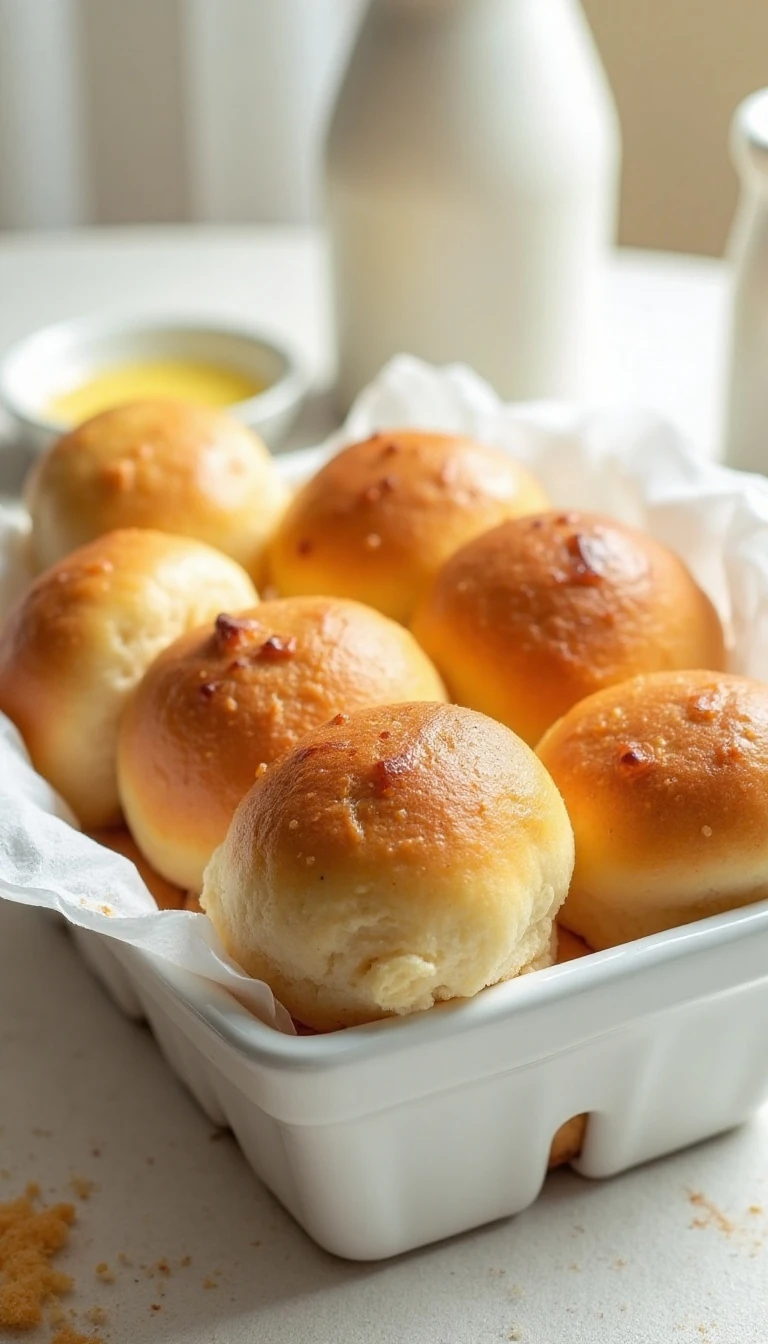
Easy Muffin Tin Yeast Rolls
Ingredients
Method
- Dissolve the active dry yeast in the warm water, about 110°F to 115°F. Let it stand for approximately 5 minutes, until the surface looks foamy.
- Add the warm milk, melted butter, sugar, egg, and salt to the yeast mixture. Stir until the ingredients are well combined.
- Mix in 3 cups of all-purpose flour and stir or beat until smooth. Add only enough of the remaining flour to create a soft, slightly sticky dough.
- Cover the bowl and place it in a warm, draft-free spot. Let the dough rise for about 30 minutes, or until it looks noticeably puffy and nearly doubled.
- Grease 12 muffin cups with butter. Stir the risen dough down, then spoon or portion it evenly into the prepared cups.
- Cover the muffin tin and let the rolls rise again for about 20 to 30 minutes. They should look puffy before they go into the oven.
- Bake at 400°F for 10 to 15 minutes, until the tops are lightly golden. Brush the hot rolls with melted butter, if desired, and serve warm.
Notes
Final Thoughts
This easy muffin tin yeast rolls recipe is a dependable way to bring fresh, homemade bread to the breakfast table. The dough comes together with everyday ingredients, rises twice in a short window, and bakes into 12 soft rolls with golden, buttery tops.
Remember to keep the liquids warm rather than hot, add flour gradually, and let the dough’s appearance guide the rising time. Once you taste one warm from the oven, you will understand why these simple rolls deserve a regular place in your breakfast and brunch rotation.