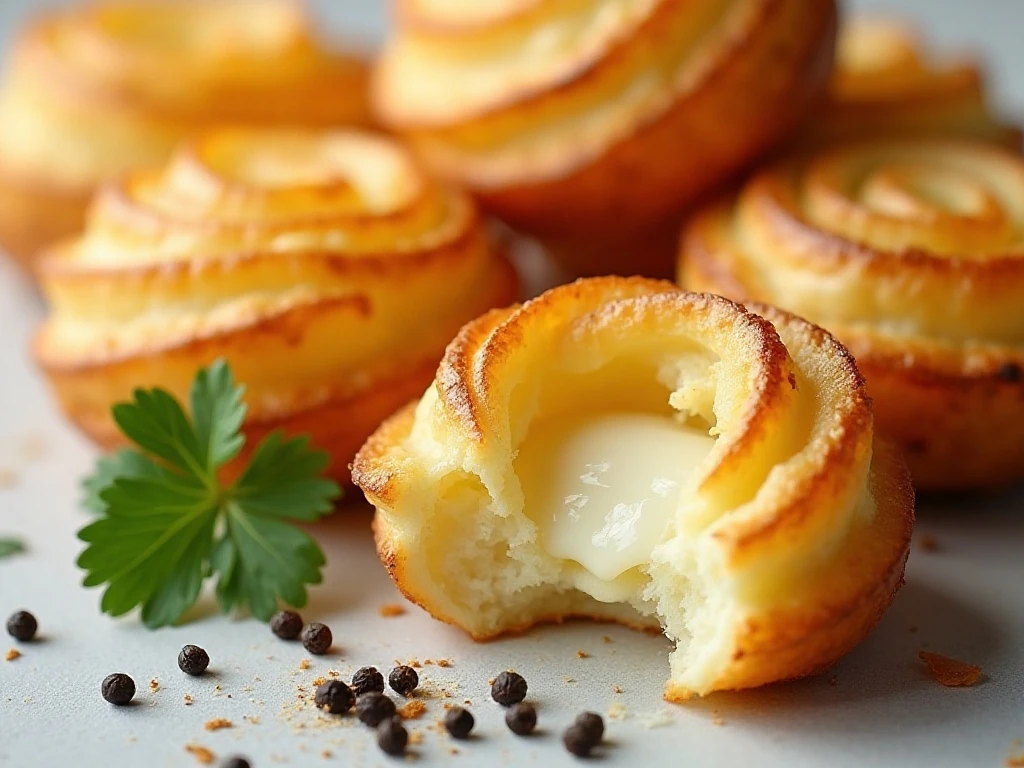
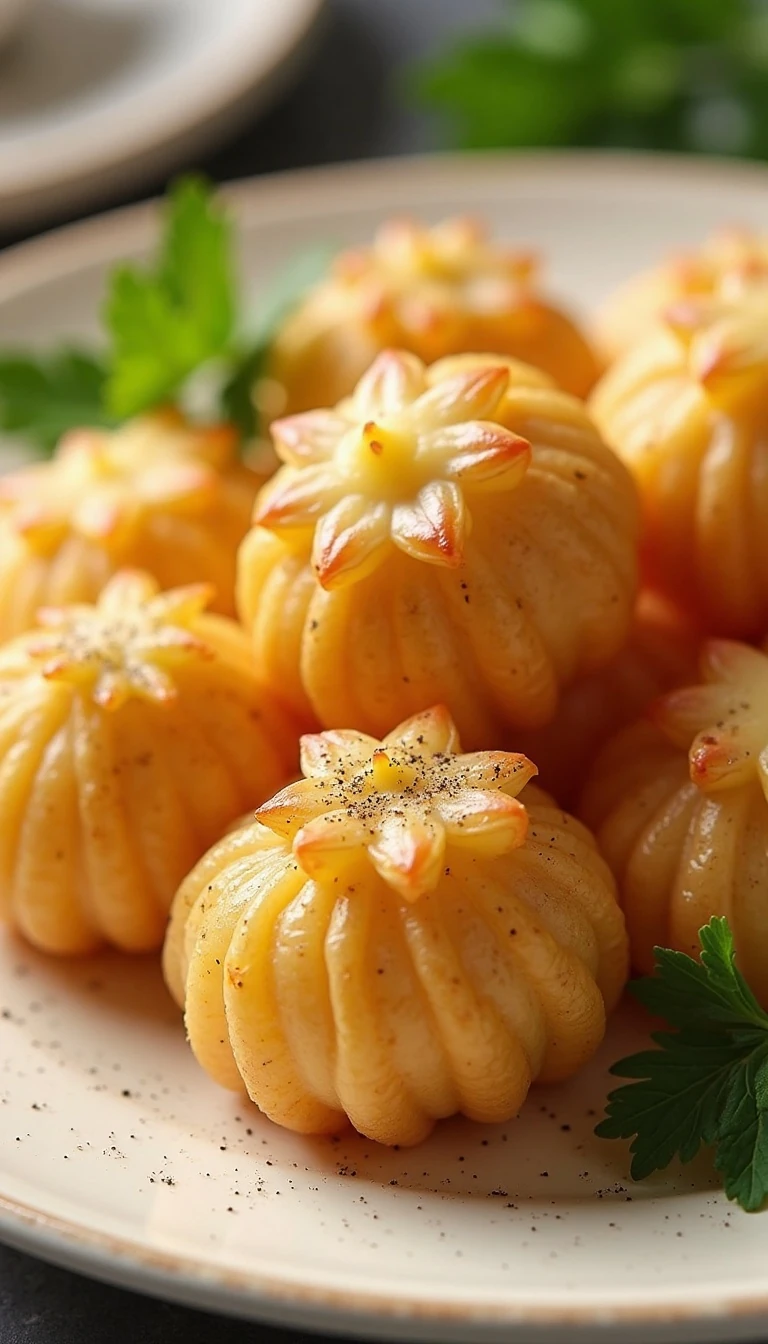
This easy Duchess potatoes recipe transforms simple mashed potatoes into elegant, golden rosettes with crisp ridges and a soft, buttery center. Made with 2 pounds of potatoes, butter, warm cream, and egg yolks, the piped potatoes bake at 425°F (220°C) for 15–20 minutes and serve about 6 people, or 18–24 small rosettes.
Duchess potatoes taste rich without being complicated: the butter and cream create a smooth, luxurious texture, while the egg yolks help each swirl hold its shape and brown beautifully. Serve them hot beside roast chicken, beef, turkey, or a festive vegetable platter whenever ordinary mashed potatoes need a polished presentation.
Jump to RecipeWhy You’ll Love This Recipe
Duchess potatoes look like they belong at a grand dinner, but the method is wonderfully approachable. They begin with familiar mashed potatoes, then become special through a piping bag, a star tip, and a short stay in a hot oven.
Every rosette offers a pleasing contrast. The ridged edges turn lightly crisp and golden, while the center remains tender, creamy, and buttery. Egg yolks give the potato mixture enough structure to hold its pretty shape and add a subtle richness.
This recipe is also easy to prepare around a larger meal. You can pipe the potatoes while the oven is preheating, chill them briefly for better definition, and bake them just before serving so they arrive at the table hot.
For another comforting potato side, you can also browse our easy roasted potato recipe. It has a more rustic texture, while Duchess potatoes bring a refined, dinner-party style to the plate.
Ingredients You’ll Need
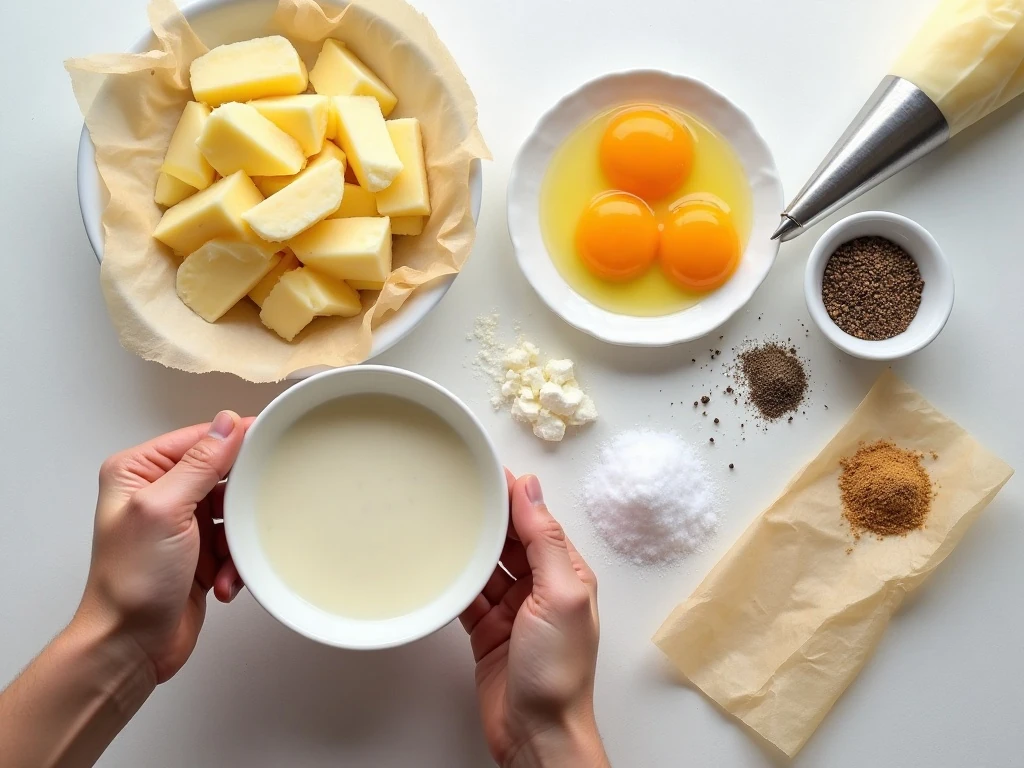
The ingredient list is short, so the quality and handling of each item matter. Yukon Gold potatoes provide a naturally buttery, creamy texture, while russets create a lighter, fluffier result. Either choice works well.
- Potatoes: Use 2 pounds, peeled and cut into even chunks so the pieces cook at the same rate.
- Butter: Four tablespoons add richness and help create a smooth, supple mixture.
- Heavy cream: The 1/2 cup should be warmed before adding it, which keeps the potatoes hot and easy to mix.
- Egg yolks: Three large yolks help the rosettes set as they bake and encourage a golden surface.
- Seasonings: Kosher salt, freshly ground black pepper, and a pinch of freshly grated nutmeg create a balanced, classic flavor.
- Egg wash: One beaten egg mixed with 1 teaspoon water is optional, but it gives the ridges a deeper golden finish.
Have parchment paper or extra butter ready for the baking sheet. You will also need a ricer or food mill and a piping bag fitted with a large star tip.
How to Make It Step-by-Step
Step 1: Heat the oven to 425°F (220°C) and prepare the baking sheet. Line it with parchment paper, or lightly butter the surface so the baked rosettes release easily.
Step 2: Put the peeled potato chunks in a saucepan and cover them with cold salted water. Starting with cold water helps the potatoes cook more evenly from the outside toward the center.
Step 3: Bring the saucepan to a boil and cook the potatoes for 15–20 minutes. They are ready when a fork slides completely through the largest pieces without resistance.
Step 4: Drain the potatoes thoroughly, then return them to the warm pan for 1–2 minutes. Gently shake the pan or leave it uncovered so steam can escape; this drying step is one of the most important parts of the recipe.
Step 5: Pass the hot potatoes through a ricer or food mill into a bowl or back into the saucepan. Avoid a food processor, blender, or vigorous mixing because those methods can release too much starch and make the potatoes gluey.
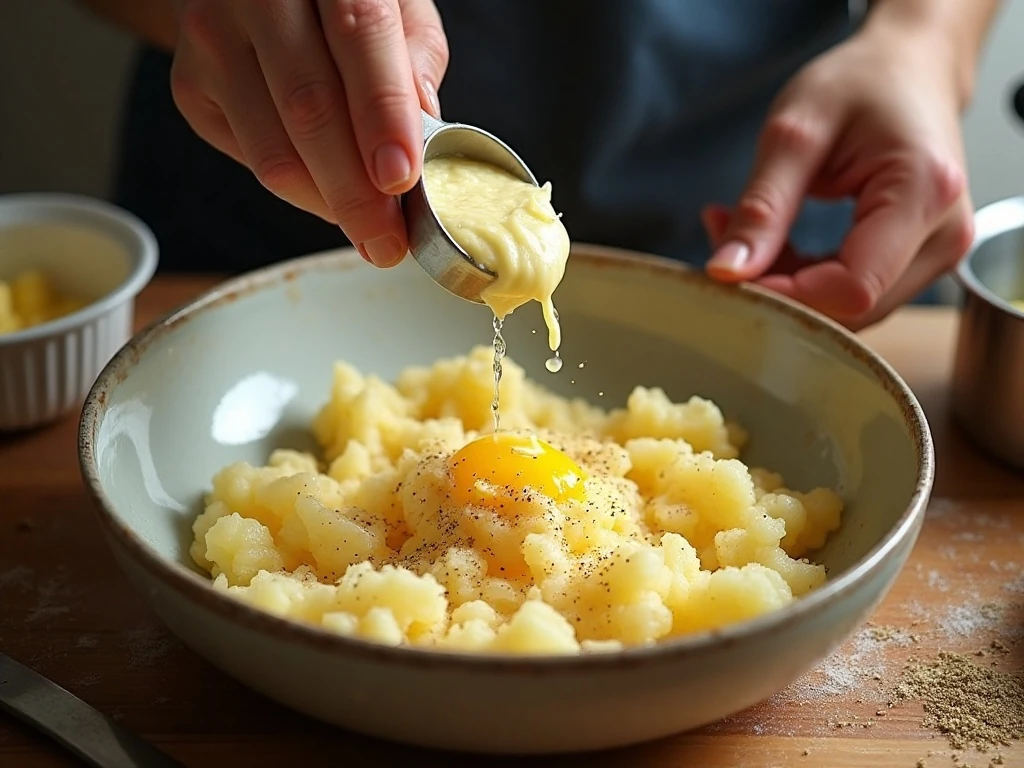
Step 6: Add the butter, warmed cream, egg yolks, salt, pepper, and optional nutmeg. Stir just until the mixture is smooth and cohesive, stopping as soon as no large streaks remain.
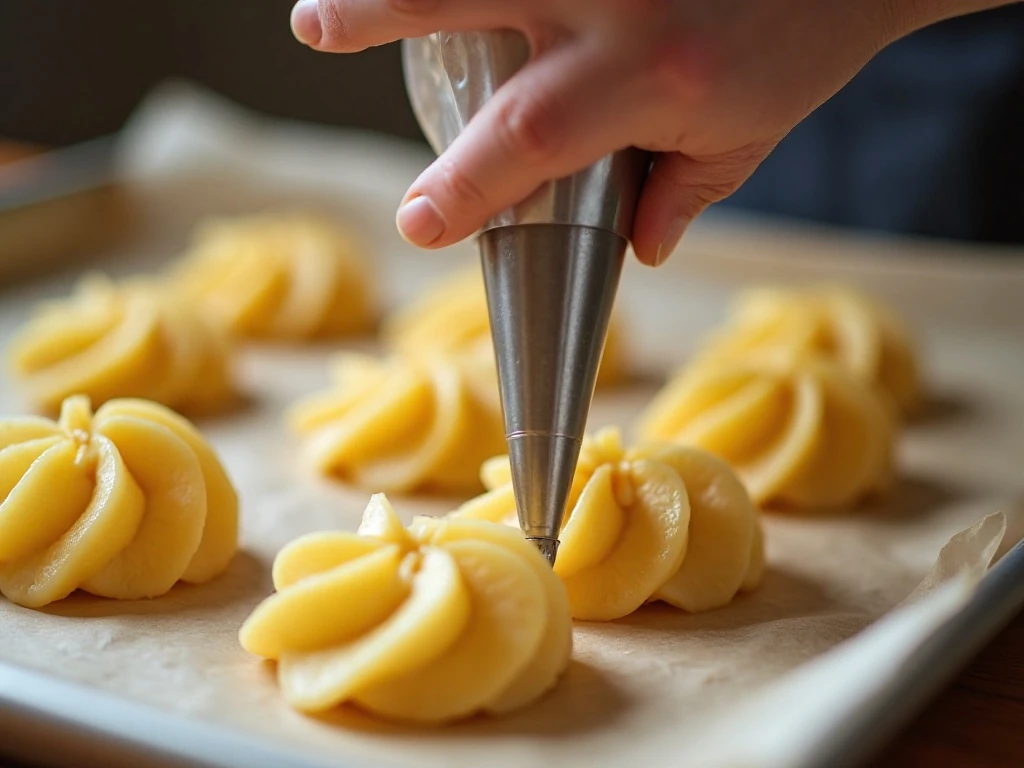
Step 7: Spoon the warm potato mixture into a piping bag fitted with a large star tip. Pipe 2–3-inch swirls or mounds onto the prepared baking sheet, leaving a little space between each one.
Step 8: Brush the tops lightly with the optional egg wash if you want a darker golden color. For sharper ridges and cleaner shapes, chill the piped potatoes for 10–15 minutes before placing them in the oven.
Step 9: Bake the rosettes for 15–20 minutes, watching for golden-brown ridges and lightly crisp edges. Serve them hot, when the contrast between the crisp exterior and creamy center is at its best.
Pro Tips for Perfect Rosettes
Dry potatoes make stronger shapes. Water left clinging to the cooked potatoes thins the mixture and can cause it to spread on the baking sheet. The brief return to the warm pan is simple, but it makes a noticeable difference.
Pipe while the mixture is warm. Warm potato mixture moves more easily through the star tip and creates cleaner ridges. If it cools and becomes difficult to pipe, stir it gently and add warm cream one tablespoon at a time only as needed.
Do not overmix. Once the butter, cream, yolks, and seasonings are incorporated, stop stirring. Too much mixing can make the potatoes heavy and stretchy rather than light and creamy.
Chill for definition. A 10–15 minute chill firms the surface and helps the swirls retain their outlines in the oven. This is especially useful if the potato mixture feels soft or the kitchen is warm.
Use a generous star tip. A large opening allows the mixture to pass through without excessive pressure. The ridges from the tip provide the characteristic Duchess potato appearance and create extra browned edges.
Season thoughtfully. Potatoes need enough salt to taste full and savory, but the exact amount depends on whether you use kosher or fine salt. The supplied measurement is 1 teaspoon kosher salt, or about 3/4 teaspoon fine salt.
Serving Ideas for a Special Meal
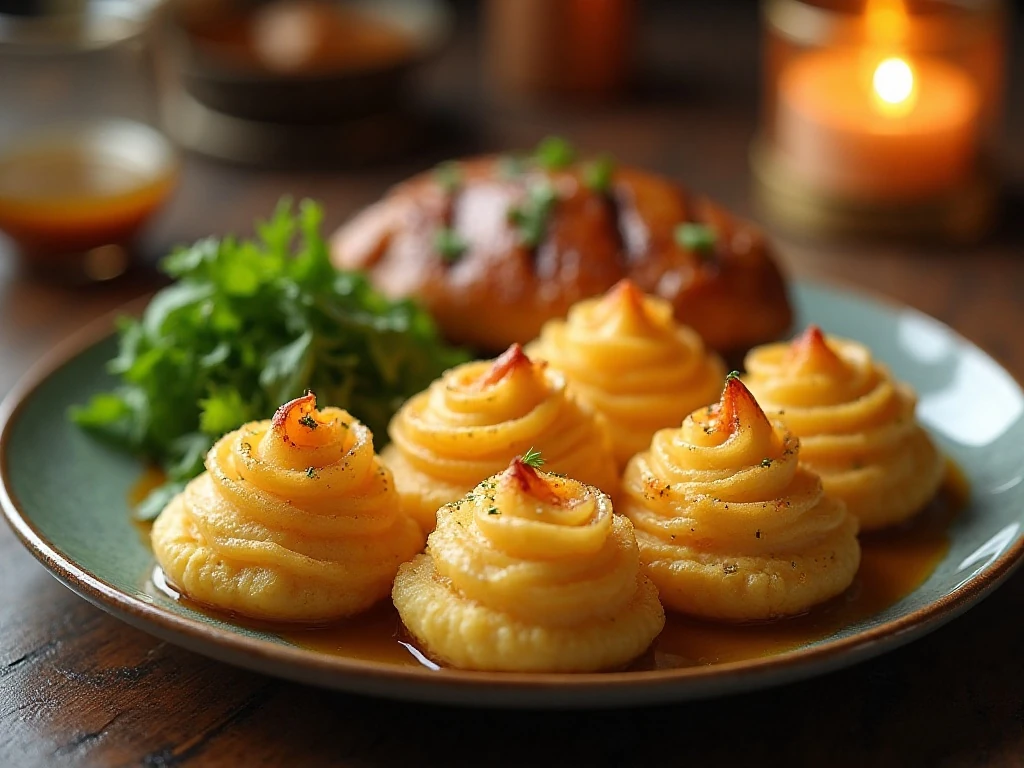
Serve Duchess potatoes as a side dish with roast beef, baked ham, turkey, pork tenderloin, or roast chicken. Their shape makes them especially attractive on a holiday platter, but they are simple enough for a Sunday dinner.
A crisp green salad or roasted seasonal vegetables provide a fresh contrast to the creamy potatoes. For a relaxed luncheon, pair them with our versatile chicken salad ideas and a bright vegetable garnish.
Keep the plate balanced by adding a sauce or gravy alongside rather than over the rosettes. A little sauce at the base lets the golden ridges remain visible and preserves their crisp texture.
If you are planning a complete menu, finish with a small sweet treat such as our light mandarin orange dessert. Its bright citrus flavor makes a refreshing ending after a rich main course.
Storage, Make-Ahead, and Reheating
Duchess potatoes are best served immediately, but they can be prepared ahead through the piping stage. Pipe the rosettes onto the lined baking sheet, chill them for 10–15 minutes or until firm, and bake when you are ready to serve.
For the best texture, avoid leaving the unbaked mixture at room temperature for an extended period because the egg yolks and cream are perishable. If you need to pause, cover the tray and refrigerate it until baking.
Leftover baked rosettes can be refrigerated in a covered container and reheated in a hot oven until warmed through. The exterior may not be quite as crisp as when freshly baked, so serve leftovers with a little extra time in the oven rather than relying on gentle reheating.
Do not freeze the finished potatoes if a freshly crisp surface is your priority. The potato mixture can change texture after freezing and thawing, while freshly piped and baked rosettes have the most delicate ridges.
Troubleshooting Common Problems
The mixture will not pipe: It may be too stiff or too cool. Add warm cream one tablespoon at a time and mix gently, or allow the mixture to sit briefly so it loosens without becoming soft.
The rosettes spread: Excess moisture is usually the cause. Make sure the potatoes were thoroughly drained and dried in the warm pan, then chill the piped shapes for 10–15 minutes before baking.
The potatoes taste gluey: This often happens when a food processor is used or the mixture is overworked. A ricer or food mill creates a lighter texture, and gentle mixing protects that texture.
The color is too pale: Brush the tops lightly with the optional egg wash before baking. Also confirm that the oven has reached 425°F (220°C), since a properly hot oven helps the ridges brown within the 15–20 minute baking time.
The bottoms stick: Use parchment paper or butter the baking sheet before piping. Let the potatoes bake until their exterior is lightly firm, then lift them carefully with a thin spatula.
For a sweet baking project after dinner, our easy beignet recipe is a fun choice. If you prefer a fruit-filled loaf for the next morning, try this simple peach bread.
Easy Duchess Potatoes
Ingredients
Method
- Heat the oven to 425°F (220°C) and line a baking sheet with parchment paper. If preferred, lightly butter the sheet instead.
- Place the peeled, evenly cut potatoes in a saucepan and cover them with cold salted water. Bring the water to a boil, then cook the potatoes for 15–20 minutes, until completely tender.
- Drain the potatoes thoroughly and return them to the warm pan for 1–2 minutes. Letting steam escape at this stage removes excess moisture and helps the rosettes stay firm.
- While the potatoes are still hot, pass them through a ricer or food mill. Do not use a food processor, since aggressive processing can make the potatoes gluey.
- Stir in the butter, warmed cream, egg yolks, salt, pepper, and optional nutmeg. Mix only until the mixture is smooth and cohesive, taking care not to overwork it.
- Transfer the warm potato mixture to a piping bag fitted with a large star tip. Pipe 2–3-inch swirls or mounds onto the prepared baking sheet.
- Brush the rosettes lightly with the beaten egg and water if you want a deeper golden finish. For sharper definition, chill the piped potatoes for 10–15 minutes before baking.
- Bake for 15–20 minutes, until the ridges are golden brown and the outside is lightly crisp. Serve hot.
Notes
Final Thoughts
This easy Duchess potatoes recipe proves that a few everyday ingredients can create a side dish with real visual charm. Once the potatoes are cooked, dried, riced, and gently enriched with butter, cream, egg yolks, and seasonings, piping them into rosettes is the only special step.
Remember the three keys: dry the potatoes thoroughly, avoid overworking them, and bake the rosettes hot until the ridges turn golden. Serve them immediately for the finest contrast of crisp edges and creamy centers.
Whether they accompany a holiday roast or make a weeknight dinner feel more festive, these elegant potato rosettes are practical, flavorful, and welcoming. Prepare a tray for your next gathering, and expect everyone to ask how you made such beautiful potatoes.