The best emergency foods to stock now are shelf-stable ingredients that your household already enjoys, including drinking water, canned beans, canned vegetables, canned fruit, canned protein, peanut butter, rice, pasta, crackers, shelf-stable milk, and dried fruit. Plan for at least 1 gallon of water per person per day for a minimum three-day supply, then adjust food quantities for household size, dietary needs, pets, infants, and the likelihood of cooking without electricity.
This is not a single recipe with one ingredient list or serving size; it is a practical pantry plan for assembling nourishing meals during an outage, storm, or other disruption. With beans, rice, pasta, tuna or chicken, vegetables, fruit, and familiar seasonings on hand, you can create comforting meals that are savory, satisfying, lightly sweet, crunchy, and ready to eat or cook in about 0 to 30 minutes depending on the item.
Jump to RecipeWhy You’ll Love This Emergency Pantry Plan

A well-stocked emergency pantry does more than fill shelves. It gives you flexible ingredients for breakfast, lunch, dinner, snacks, and simple comfort food when grocery shopping, refrigeration, or regular cooking is suddenly unavailable.
The most useful supplies are familiar, nourishing, and easy to prepare. A can of beans can become a quick bowl with rice and vegetables, while tuna, chicken, crackers, and canned fruit can create a satisfying no-cook meal.
Flavor matters during stressful circumstances, so do not forget cooking oil, salt, and basic seasonings. For ideas about making simple eggs more appealing when fresh ingredients are limited, these pantry herbs and spices for scrambled eggs can inspire your seasoning shelf.
10 Essential Foods to Stock Now

1. Drinking water: Water is the first priority. Store at least 1 gallon per person per day for a minimum three-day supply, using food-safe containers or commercially bottled water, and add more if you are preparing for a longer disruption.
2. Canned beans: Beans provide plant protein, fiber, and useful meal-building texture. They can be eaten straight from the can, stirred into rice, folded into pasta, or seasoned with oil, salt, and dried herbs.
3. Canned vegetables: Corn, peas, green beans, carrots, and mixed vegetables add color and nourishment without refrigeration. Drain them for a cold meal, or warm them gently when fuel is available.
4. Canned fruit: Fruit offers sweetness, moisture, and variety when fresh produce is unavailable. Choose options your household enjoys and consider how the fruit can serve as breakfast, a snack, or a simple dessert.
5. Shelf-stable protein: Canned tuna, chicken, and other shelf-stable proteins make meals more filling. Combine them with crackers, pasta, rice, canned vegetables, or mayonnaise if you keep it safely stored and available.
6. Peanut butter or nut butter: Nut butter is ready to eat, calorie-dense, and useful on crackers or cereal. Select an allergy-friendly alternative when needed, and store it according to the package directions.
7. Rice: Rice is versatile and comforting, but it does require water and heat. Depending on the variety and cooking method, allow approximately 15–30 minutes, and reserve it for times when cooking fuel and water are available.
8. Dried pasta: Pasta cooks in approximately 10–20 minutes and pairs with canned beans, vegetables, tuna, chicken, oil, and seasonings. It is especially useful for turning several small pantry items into a hot family meal.
9. Crackers: Crackers need no cooking and work with nut butter, canned protein, beans, or fruit. They also provide crunch, which can make a no-cook meal feel more complete.
10. Shelf-stable milk and dried fruit: Shelf-stable milk supports cereal and drinks, while dried fruit adds sweetness and portability. Granola or cereal can round out this group for quick breakfasts and snacks.
These ten categories cover the foundation, but cooking oil, salt, pepper, and basic seasonings deserve space too. If you have enough room, add foods such as extra cereal, additional dried fruit, and other familiar shelf-stable products.
Read More: simple crock-pot meal ideas
Ingredients and Quantities for Your Household
There is no universal shopping list quantity for emergency food because every household has different needs. Begin with the number of people, the number of days you want to cover, and the amount of food each person normally eats.
- Count every household member, including infants, older adults, and anyone with medical dietary needs.
- Plan separate foods for allergies, diabetes, low-sodium diets, gluten-free diets, and other requirements.
- Include pet food and any feeding supplies your animals depend on.
- Choose more ready-to-eat items if you may lose electricity, cooking fuel, or water.
- Increase the supply beyond three days when your local weather or access conditions call for it.
Think in combinations rather than isolated cans. Beans plus rice create a hearty base, canned chicken plus crackers makes a quick lunch, and cereal with shelf-stable milk and dried fruit provides an easy morning meal.
How to Organize Your Emergency Pantry Step-by-Step

Step 1: Make a household inventory before shopping. Write down the people, pets, allergies, medical diets, favorite foods, and cooking equipment you need to support so the pantry reflects real life rather than an idealized menu.
Step 2: Select commercially canned, dry, or shelf-stable foods that your household already eats. Familiar flavors reduce waste and make it more likely that children and adults will accept the meals during an emergency.
Step 3: Examine every package before it enters storage. Avoid cans with swelling, leaks, severe rust, or damaged seals, and discard questionable items according to local food-safety guidance.
Step 4: Group the foods by use and preparation time. Keep ready-to-eat foods together, place rice and pasta near cooking supplies, and store snacks such as crackers, cereal, nut butter, and dried fruit where they can be reached quickly.
Step 5: Label or arrange products by purchase date. Put the oldest safe items at the front and the newest items behind them, making it simple to use the oldest foods first.
Step 6: Store the supply in a cool, dry, dark location away from chemicals and extreme temperatures. Add a manual can opener, cooking fuel, utensils, and food-safe water containers so the ingredients remain useful during a power outage.
Step 7: Prepare a small meal from the pantry before you need it. This test shows whether you have enough water, seasoning, fuel, equipment, and foods that your household actually enjoys.
Step 8: Inspect the supply periodically and replace expired, damaged, or unwanted products. Rotate emergency foods into normal meals so your stock remains fresh and familiar instead of sitting untouched indefinitely.
Read More: versatile chicken salad ideas
Cooking Without Power or Refrigeration
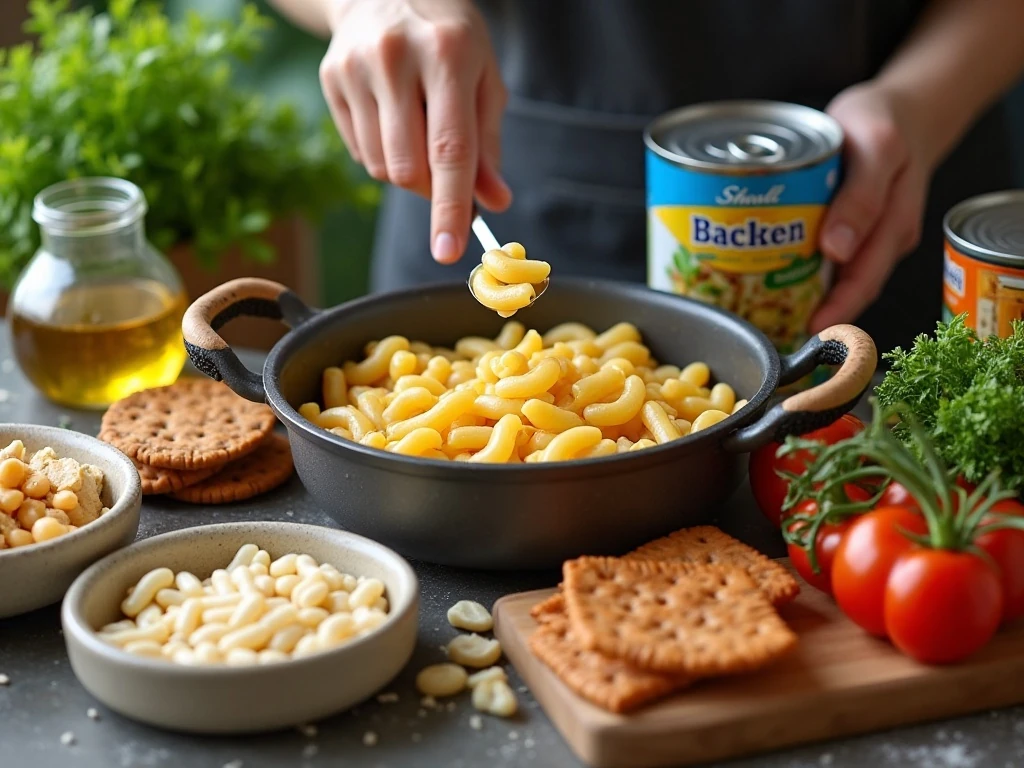
During an outage, favor foods that require little or no water, refrigeration, or cooking. Canned beans, canned vegetables, canned fruit, tuna, chicken, nut butter, crackers, cereal, and dried fruit can all be served directly when they are opened safely.
Unopened commercially canned foods are already cooked, so reheating is optional. If you do warm them, use a safe cooking method and avoid wasting drinking water on recipes that do not need it.
Rice usually takes approximately 15–30 minutes, while pasta generally takes approximately 10–20 minutes. Those times vary by variety and method, and both foods require a reliable heat source plus enough water for safe preparation.
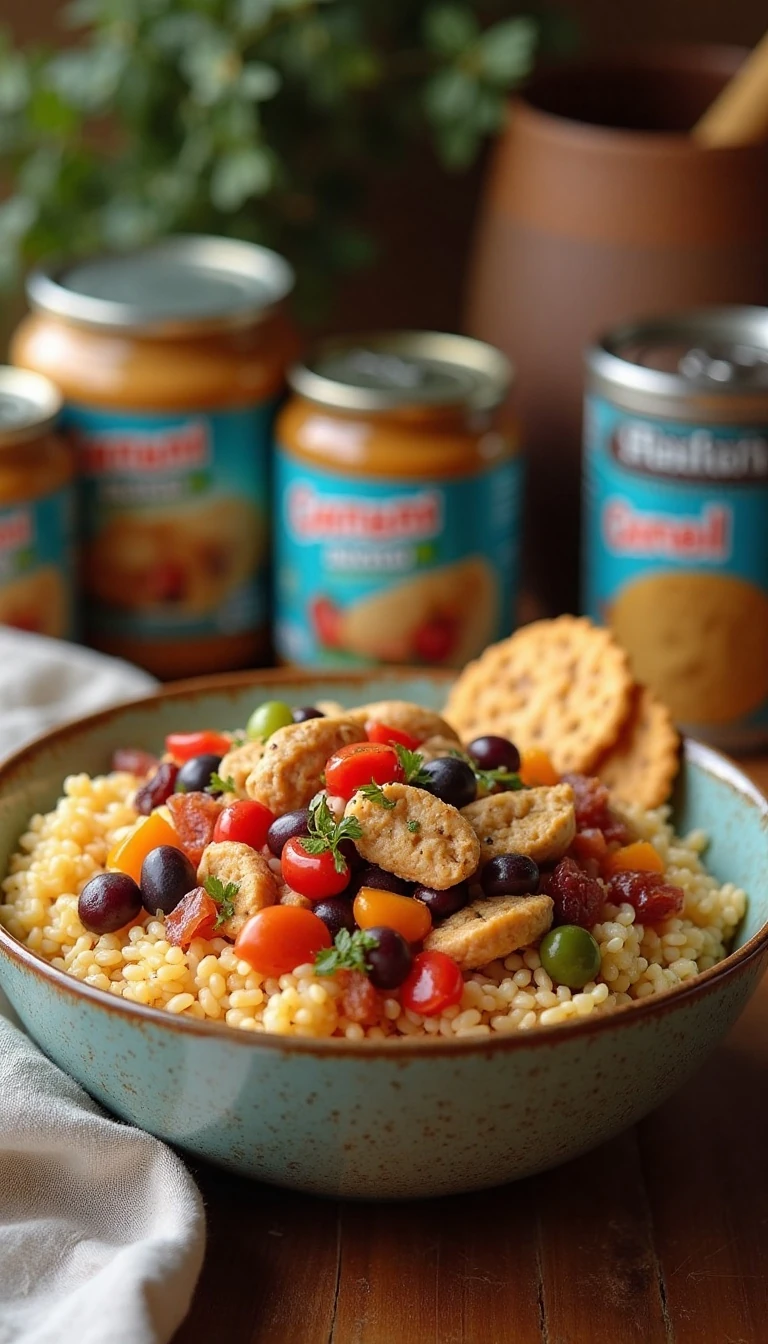
For a hot pantry dinner, combine cooked rice or pasta with canned beans, vegetables, and tuna or chicken. Finish with a small amount of cooking oil, salt, and dried herbs, or serve the mixture as separate components so each person can customize the bowl.
For another familiar pasta direction once normal cooking returns, this herb-marinated chicken over farfalle inspiration shows how pasta and chicken can become a satisfying meal.
Storage, Safety, and Pantry Rotation

Keep food in a cool, dry, dark place and away from cleaning products, fuels, pesticides, and other chemicals. Extreme heat can damage quality, while moisture can harm packaging and encourage spoilage.
Never use cans that are swollen, leaking, badly rusted, or seriously dented near a seam. When opening a can, check its smell and appearance, and throw away anything that seems unsafe rather than tasting it.
Use a written inventory or a simple shelf label to track what you have. Review the supply periodically, replacing expired or damaged items and moving older products into everyday meals.
Rotation is one of the best ways to keep emergency food practical. Serve canned fruit with breakfast, use beans in weekly dinners, pack crackers with lunches, and add dried fruit to cereal so the pantry constantly renews itself.
Store water separately from foods that could contaminate it, and keep enough containers for drinking and basic food preparation. If your household depends on a can opener, camp stove, or other tool, store it beside the food rather than assuming you will find it later.
Read More: creative home and garden projects
Emergency Pantry Food Stocking Plan
Ingredients
Method
- Choose commercially canned, dry, and shelf-stable foods that the people in your household already eat. Include alternatives for allergies, medical diets, infants, pets, and any cultural or personal food preferences.
- Check every can and package for leaks, swelling, severe rust, broken seals, or other damage before storing it. Set aside anything questionable rather than placing it with the usable supply.
- Organize foods in a cool, dry, dark location away from cleaning chemicals, direct sunlight, flooding, and extreme temperatures. Keep water containers stable and easy to access.
- Label or arrange foods by purchase date so the oldest items are used first. Keep a manual can opener, food-safe utensils, cooking fuel, and suitable water containers with the emergency supply.
- Use ready-to-eat foods when fuel or water is limited, and cook rice or pasta only when you have enough water and a safe heat source. Reheat canned foods only if desired because commercially canned foods are already cooked.
- Inspect the pantry periodically and replace expired, damaged, or unwanted items. Rotate the foods into ordinary breakfasts, lunches, and dinners so the supply stays familiar and fresh.
Notes
Final Thoughts
The smartest emergency pantry is not built around one elaborate recipe. It is built around water, dependable shelf-stable foods, familiar flavors, and enough flexibility to serve meals whether you have a full kitchen, limited fuel, or no electricity at all.
Start with at least 1 gallon of water per person per day for three days, then add canned beans, vegetables, fruit, protein, nut butter, rice, pasta, crackers, shelf-stable milk, dried fruit, cereal, oil, and seasonings according to your household. Check packages, store everything correctly, keep essential tools nearby, and rotate the food into ordinary meals.
With a little organization, your pantry can provide more than survival basics. It can deliver warm rice bowls, savory pasta, crunchy cracker meals, quick breakfasts, and sweet fruit snacks when regular shopping is not possible.