This easy cranberry orange bread loaf recipe makes one tender 9 x 5-inch quick bread in about an hour of baking. Made with fresh cranberries, orange zest, orange juice, butter, and buttermilk, it is a simple no-yeast loaf that needs only 15–20 minutes of preparation and bakes at 350°F (175°C) for 55–65 minutes.
Every slice has a soft, buttery crumb, bright citrus fragrance, and juicy bursts of tart cranberry. Serve it plain for breakfast, add the optional orange glaze for a sweet finish, or enjoy it with coffee, tea, or a festive brunch spread.
Jump to RecipeWhy You’ll Love This Recipe
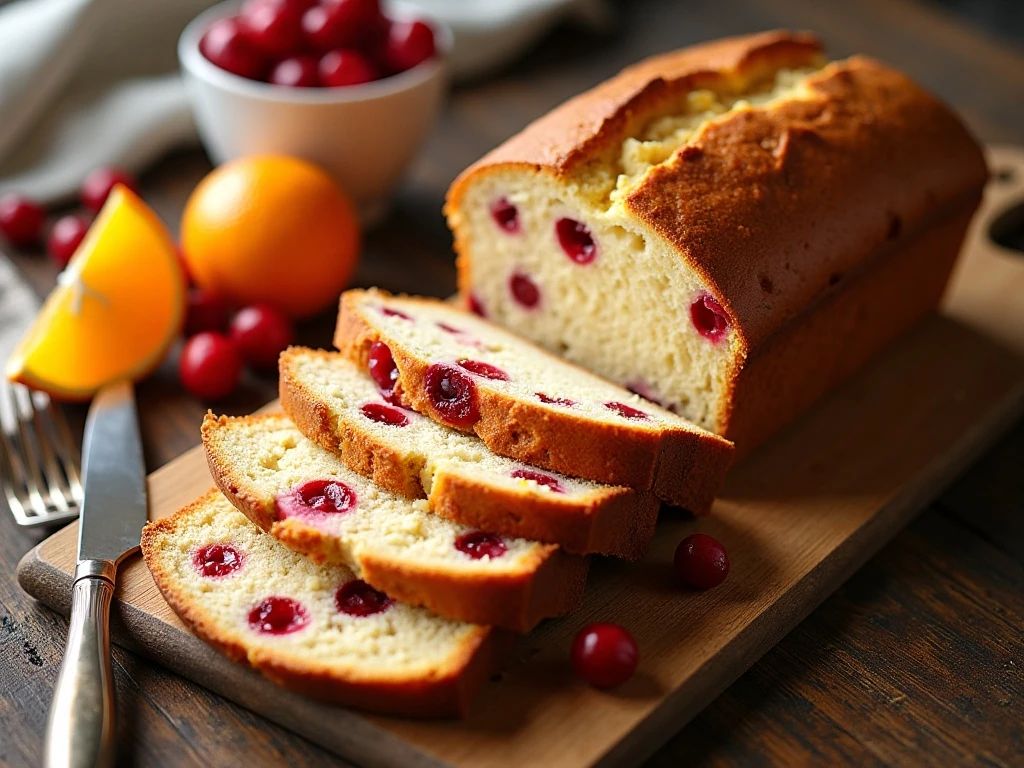
This cranberry orange bread is the kind of quick bread that looks special but comes together without complicated techniques. There is no yeast, kneading, or rise time, so you can have the batter in the oven shortly after zesting one orange and measuring the ingredients.
The flavor balance is especially appealing. Sweet, buttery batter softens the tartness of fresh cranberries, while orange zest and juice bring a clear citrus note to every bite. Buttermilk keeps the crumb moist and tender, and the optional glaze adds a delicate sweetness without covering up the fruit.
The loaf makes about 10 slices, making it a practical choice for a weekend breakfast or a small holiday gathering. If you enjoy baking different kinds of loaves, you may also like this colorful fun patterned bread for another memorable baking project.
Ingredients You’ll Need

The ingredient list is straightforward, but each item has an important role in the texture and flavor of the bread. Use fresh orange juice when possible, since bottled juice usually lacks the same fragrant quality as juice squeezed just before mixing.
- All-purpose flour: Provides the structure for the loaf. Measuring 2 cups, or 250 grams, gives the most consistent result.
- Leaveners: Baking powder and baking soda help the batter rise and create a soft crumb.
- Butter and sugar: These form the rich, sweet base of the bread. The butter may be softened or melted and slightly cooled.
- Egg and vanilla: The egg binds the batter, while vanilla rounds out the citrus and berry flavors.
- Orange zest and juice: The zest supplies concentrated orange oils, and the juice adds fresh acidity and flavor.
- Buttermilk: Its gentle tang works with the baking soda and helps the loaf stay moist.
- Fresh cranberries: Rinse and dry them well before folding them into the batter. A little excess water can loosen the mixture.
For a finishing touch, whisk confectioners’ sugar with 1–2 tablespoons of orange juice to create a quick glaze. Chopped pecans or walnuts are also a common variation; use about 1/2 cup if you want added crunch.
How to Make It Step-by-Step
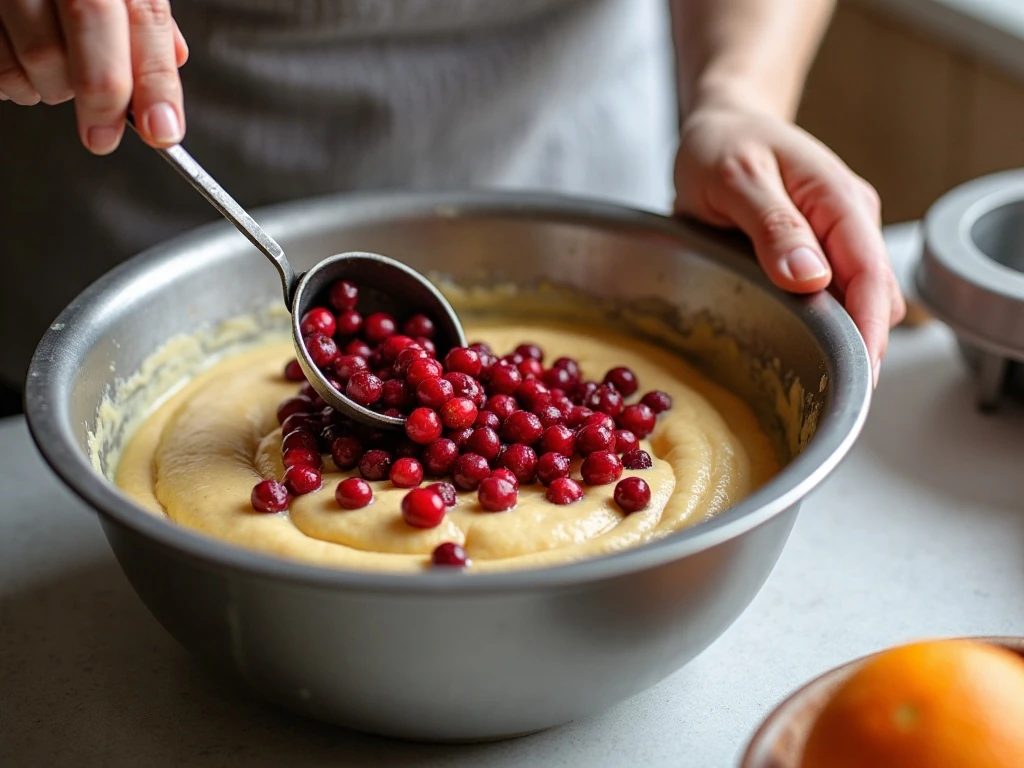
Step 1: Heat the oven to 350°F (175°C), then grease a 9 x 5-inch loaf pan. Line it with parchment paper, leaving some paper hanging over the sides to act as handles when the loaf is ready to remove.
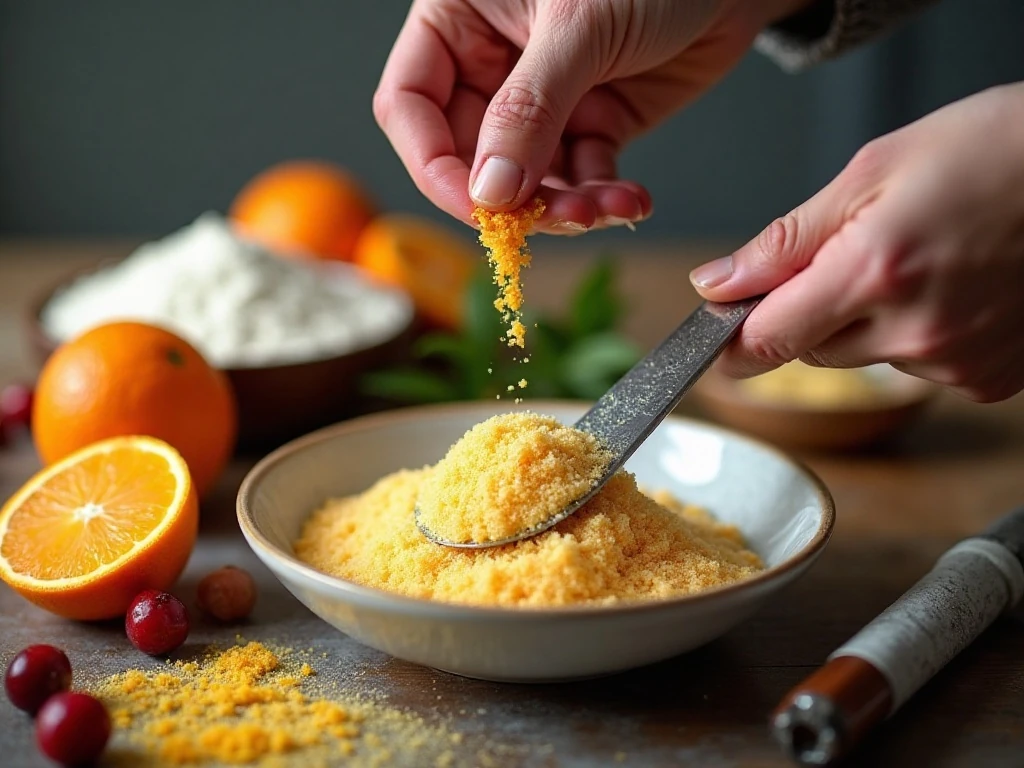
Step 2: Zest the orange before juicing it, taking only the bright outer peel and avoiding the bitter white pith. Place the zest in the sugar and rub them together with your fingers for a few seconds; this releases the orange oils and gives the bread a more pronounced citrus aroma.
Step 3: Whisk the flour, baking powder, baking soda, and salt in a medium bowl until evenly distributed. In another bowl, beat the softened butter and sugar until smooth, or stir the melted, slightly cooled butter with the sugar until well blended.
Step 4: Add the egg, vanilla, and orange zest mixture to the butter and sugar. Stir until the egg is incorporated and the mixture looks creamy, with the fragrant orange zest spread throughout.
Step 5: Stir in the freshly squeezed orange juice and buttermilk. The mixture may appear slightly curdled because of the acidic juice and buttermilk, but this is expected and will smooth out when the flour is added.
Step 6: Add the dry ingredients to the wet ingredients and stir only until nearly combined. A few faint streaks of flour are fine at this point; overmixing can make the finished loaf dense or tough.
Step 7: If you want particularly even cranberry distribution, toss the rinsed, dried cranberries with 1 tablespoon of the measured flour before adding them. Fold the berries into the batter gently, using as few strokes as possible to avoid crushing them.
Step 8: Scrape the batter into the prepared pan and smooth the surface with a spatula. Bake for 55–65 minutes, or until a toothpick inserted into the center comes out clean or with a few moist crumbs attached.
Step 9: Watch the loaf near the end of baking, since the sugar and cranberries can encourage browning on top. If the surface darkens too quickly, loosely cover it with foil for the final 15–20 minutes.
Step 10: Let the bread cool in the pan for about 30 minutes before lifting it onto a wire rack. Allow it to cool completely before slicing, and wait until then to drizzle on the optional orange glaze.
Pro Tips for a Tender Loaf
Accurate flour measurement is one of the easiest ways to protect the texture. Spoon flour into a measuring cup and level it, or use the listed 250-gram weight if you have a kitchen scale. Too much flour can make a quick bread dry and heavy.
Do not skip drying the cranberries after rinsing them. Wet berries can add unnecessary moisture to the batter, while flour-tossed berries stay distributed more evenly instead of sinking toward the bottom.
Fresh cranberries are pleasantly tart, but frozen cranberries work well too. Add frozen berries directly to the batter without thawing, and extend the baking time slightly if the center needs longer to set.
For the best orange flavor, rub the zest into the sugar rather than simply dropping it into the bowl. This small step spreads the citrus oils throughout the sugar and makes the aroma noticeable before the loaf even reaches the oven.
Try to avoid opening the oven during the first portion of baking. A sudden temperature change can affect the rise, and the center should be given time to set before the loaf is checked.
For another comforting loaf with a soft texture, keep this moist pumpkin bread idea on your seasonal baking list. It uses a different flavor profile but is just as welcoming with coffee.
Serving, Storage, and Variations

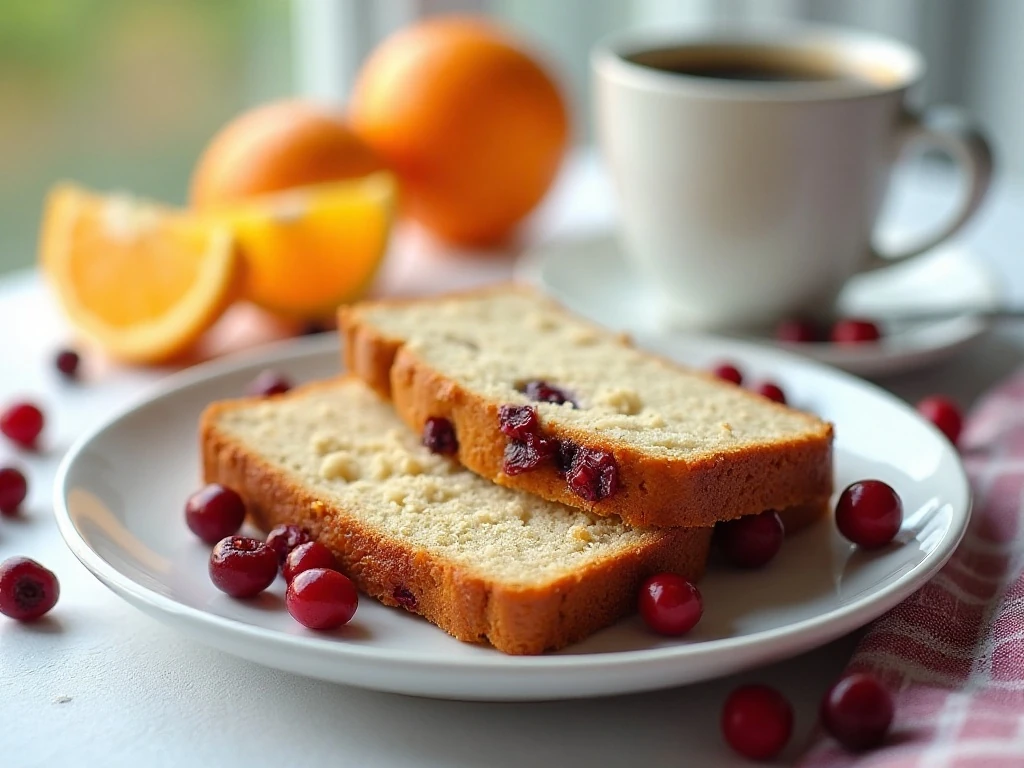
Serve slices at room temperature, either plain or with a thin orange glaze. The loaf is lovely for breakfast, afternoon tea, a holiday dessert table, or a hostess gift wrapped in parchment and tied with kitchen twine.
To make the glaze, place 1 cup of confectioners’ sugar in a small bowl and whisk in 1 tablespoon of orange juice. Add the second tablespoon only if needed to reach a pourable consistency, then drizzle over the completely cooled bread.
Store the cooled loaf tightly wrapped at room temperature for a few days. For longer storage, wrap it well and refrigerate it, or freeze individual slices so they can be thawed as needed. Let chilled slices come close to room temperature before serving for the softest texture.
Chopped pecans or walnuts add a pleasant contrast to the juicy berries; use about 1/2 cup. Some bakers use two eggs for a richer, slightly more cake-like loaf, but this recipe is written for one large egg and should be prepared as listed for the stated texture.
If you are planning a full brunch or gathering, pair the sweet loaf with a savory dish. Our all-purpose buffalo chicken marinade can help you prepare a flavorful main course for guests who want something beyond sweets.
How to Get Clean, Beautiful Slices
Cooling is part of the recipe, not an optional pause. Cutting while the loaf is hot can compress the crumb and cause the slices to crumble, especially around the cranberries.
Once fully cool, use a sharp serrated knife and saw gently through the crust rather than pressing straight down. Wipe the blade between slices if you have added glaze and want each piece to look neat.
A simple platter, a few orange wedges, and a scattering of fresh cranberries make the loaf look ready for guests. If you are serving several breads, contrast this soft quick bread with a savory homemade focaccia for a beautiful breakfast or buffet spread.
For a more indulgent presentation, warm one slice very briefly and serve it with butter. The heat releases the orange aroma, while the cranberry pockets become especially fragrant and tender.
When gifting the loaf, cool it completely first, then wrap it securely so condensation does not collect against the crust. Add the glaze after cooling and allow it to set before wrapping for a cleaner presentation.
For a playful sweet bread centerpiece, you can also browse this easy chocolate chip monkey bread. It is a fun option when you want a pull-apart treat alongside the more traditional cranberry loaf.

Easy Cranberry Orange Bread Loaf
Ingredients
Method
- Heat the oven to 350°F (175°C). Grease a 9 x 5-inch loaf pan and line it with parchment paper, leaving overhang on the long sides so the baked loaf can be lifted out easily.
- Whisk the flour, baking powder, baking soda, and fine salt together in a medium bowl. In a separate bowl, beat the butter and sugar until smooth, then mix in the egg, vanilla, and orange zest.
- Stir the orange juice and buttermilk into the butter mixture. It may look slightly curdled at this stage, which is normal and will not harm the finished bread.
- Add the dry ingredients to the wet mixture and stir only until nearly combined. Fold in the cranberries gently, stopping as soon as no large streaks of flour remain.
- Transfer the batter to the prepared pan and smooth the top. Bake for 55–65 minutes, checking with a toothpick in the center; it should come out clean or with a few moist crumbs.
- If the top browns too quickly, loosely cover the loaf with foil during the final 15–20 minutes of baking. Cool in the pan for about 30 minutes, then transfer to a rack and cool completely before slicing or glazing.
Notes
Final Thoughts
This easy cranberry orange bread loaf is a dependable recipe for anyone who wants a homemade bread with bright seasonal flavor and very little fuss. Fresh cranberries provide tart, colorful pockets, orange zest and juice make the loaf fragrant, and buttermilk keeps each slice moist.
Remember the details that matter most: zest the orange before juicing it, rub the zest into the sugar, stir the batter gently, and let the loaf cool completely before slicing. Whether you leave it plain or finish it with orange glaze, this tender quick bread is sure to make breakfast, brunch, and holiday gatherings feel a little more special.
1 thought on “Easy Cranberry Orange Bread Loaf Recipe”