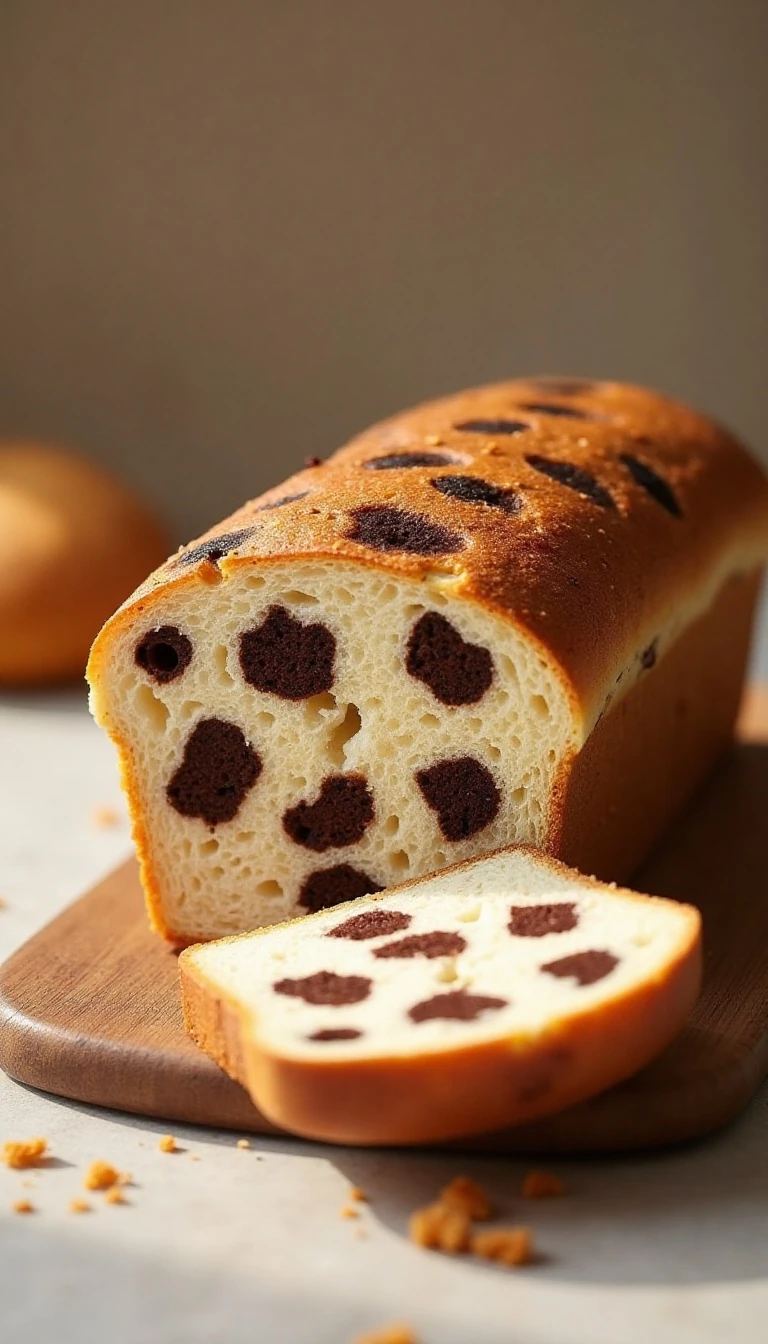
Leopard bread is a soft, lightly sweet enriched loaf made from one yeast dough divided into plain, light-cocoa, and dark-cocoa portions. To make it, knead the dough until smooth, let it rise, form irregular cocoa-filled ropes, arrange them in a loaf pan, proof again, and bake at 180°C/350°F for 35–40 minutes.
Each slice reveals a playful leopard-print pattern surrounded by tender, buttery bread. The cocoa adds a gentle chocolate aroma without making the loaf dessert-sweet, so it is wonderful toasted for breakfast, served with butter, or placed on a brunch table beside a savory spread such as our easy fiesta dip.
Jump to RecipeWhy You’ll Love This Recipe
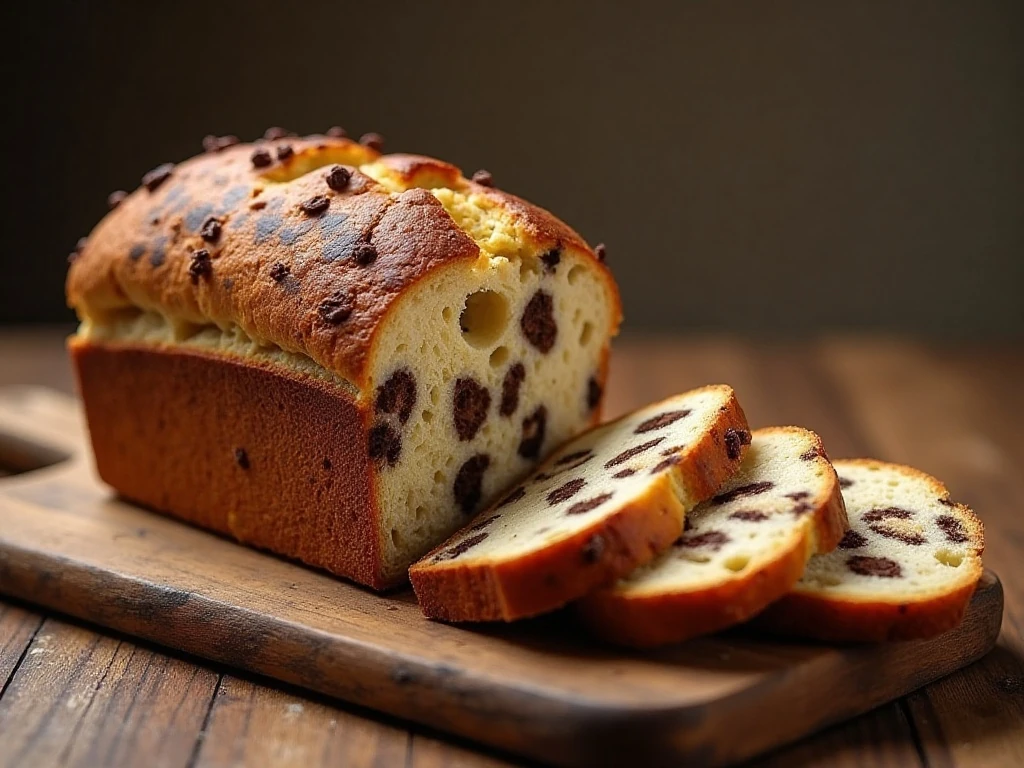
Leopard bread looks like it came from a specialty bakery, but the pattern is created with a straightforward shaping technique. You do not need a decorative cutter, special pan, or complicated filling; the spots come from irregular ropes of three colors of the same soft dough.
The loaf has a tender, lightly sweet crumb with a mellow cocoa flavor. It is soft enough for sandwiches but distinctive enough to serve as a centerpiece for breakfast, afternoon tea, or a weekend brunch.
This recipe makes one standard loaf for an 8 1/2 x 4 1/2-inch or 9 x 5-inch pan. Plan on 30–40 minutes of active preparation, two rises, and a total elapsed time of about 3–4 hours.
If you enjoy homemade yeast bread with a beautiful rustic appearance, you may also like this classic focaccia bread recipe for another satisfying baking project.
Ingredients You’ll Need

The foundation is a soft enriched dough made with bread flour, milk, egg, butter, sugar, salt, and instant yeast. Bread flour gives the loaf enough strength to hold its shape while still producing a pleasantly tender interior.
- 500 g bread flour: approximately 4 cups, preferably weighed for accuracy.
- 60 g granulated sugar: about 1/4 cup plus 1 tablespoon for gentle sweetness.
- 8 g fine salt: about 1 1/4 teaspoons to balance the flavor.
- 7 g instant yeast: 2 1/4 teaspoons for the two rises.
- 250 g lukewarm whole milk: approximately 1 cup plus 2 teaspoons.
- 1 large egg: lightly beaten before mixing.
- 50 g unsalted butter: softened so it blends smoothly into the dough.
- 10 g unsweetened cocoa powder: about 1 tablespoon for the light-brown dough.
- 20 g unsweetened cocoa powder: about 2 tablespoons for the dark-brown dough.
- 1–2 tablespoons extra milk: used only if the cocoa portions feel dry.
An optional egg wash made with one beaten egg and 1 tablespoon milk gives the crust a glossy, deeply golden finish. The loaf is also attractive without it, so feel free to skip this step if you prefer a softer matte crust.
How to Make It Step-by-Step

Step 1: In a large mixing bowl, combine the bread flour, sugar, salt, and instant yeast. Add the lukewarm milk and beaten egg, then stir or mix until no large dry patches remain and a rough dough forms.
Step 2: Knead the rough dough for several minutes to begin developing its structure. Add the softened butter gradually, allowing each addition to blend in before adding more, and continue kneading until the dough is smooth, elastic, and only slightly tacky.
Step 3: Shape the dough into a neat ball and place it in a lightly greased bowl. Cover the bowl and let the dough rise in a warm place for 60–90 minutes, or until it has doubled in size.
Step 4: Gently deflate the risen dough to remove excess gas. Weigh the dough and divide it into three portions, using about one-half for the plain portion and about one-quarter each for the light-cocoa and dark-cocoa portions.
Step 5: Knead 10 g cocoa powder into the smaller light portion and 20 g cocoa powder into the other smaller portion. Cocoa absorbs moisture, so add a little milk, preferably one teaspoon at a time, whenever either brown dough becomes noticeably firmer or drier than the plain dough.
Step 6: Divide both brown doughs into several pieces of varied size. Roll the dark pieces into uneven ropes, loosely surround them with pieces of light-brown dough, and then roll some of those sections inside plain dough.
Step 7: Keep the ropes irregular rather than perfectly cylindrical. Some should be thin, some thick, and some slightly bent, because natural variation creates spots that look more like leopard markings than a repeated geometric design.
Step 8: Cut the combined ropes into shorter pieces and arrange them loosely in a greased loaf pan. Do not pack the pieces tightly; they need open spaces around them so the dough can expand during the second rise.
Step 9: Cover the pan and let the shaped loaf rise for 30–60 minutes. It should look visibly puffy before baking, since an under-proofed loaf can produce dense spots and split unevenly in the oven.
Step 10: Heat the oven to 180°C/350°F and brush the loaf with the optional egg wash. Bake for approximately 35–40 minutes, until the crust is deeply golden and the center reaches about 93°C/200°F.
Step 11: Let the baked bread cool in the pan for 10–15 minutes before transferring it to a wire rack. Cool completely before slicing so the crumb finishes setting and the leopard pattern remains clean and defined.
How to Create Natural Leopard Spots

The most important shaping rule is to avoid uniformity. If every rope is the same length and thickness, the finished slices may look striped or repetitive rather than spotted.
Make the brown pieces uneven, and wrap them loosely instead of sealing them into perfectly centered tubes. Some dark cocoa should sit close to the light cocoa, while other pieces can have a larger plain border.
Use a light touch when arranging the pieces in the pan. The dough will join during proofing and baking, so there is no need to press everything together.
Weighing helps keep the three colors balanced, but the pieces within each color do not need to match. Unequal small sections are helpful because they make the pattern feel organic.
For another meal idea while the loaf cools, pair slices with a warm bowl of vegetarian ramen with savory broth for a cozy bread-and-soup dinner.
Pro Tips for Soft, Beautiful Bread
- Use lukewarm milk: Milk that is comfortably warm helps the yeast begin working without overheating it.
- Soften the butter: Soft butter incorporates gradually and prevents the dough from becoming greasy or difficult to knead.
- Watch the texture: The plain and cocoa doughs should feel similarly soft. Add extra milk sparingly because too much can make shaping difficult.
- Proof by appearance: Dough responds to room temperature, so use doubling and visible puffiness as your guides rather than relying only on the clock.
- Check the center: A thermometer reading near 93°C/200°F is a dependable way to confirm that the loaf is baked through.
- Cool before cutting: Slicing hot bread can compress the crumb and blur the pattern.
A tangzhong or a small amount of milk powder appears in some versions of leopard bread, but neither is necessary here. The recognizable pattern depends on the three-color dough method, careful shaping, and a complete second rise.
Serving Suggestions

Leopard bread is delicious with salted butter, cream cheese, fruit preserves, honey, or a thin spread of chocolate hazelnut spread. Its mild cocoa flavor also works well with sharp cheddar, roasted nuts, or a breakfast plate of eggs and fresh fruit.
Toast slices until the edges are crisp and the spots become fragrant. For a savory snack board, serve it beside a creamy dip, or use it as a whimsical base for small tea sandwiches.
Because the loaf is lightly sweet rather than sugary, it can move easily from breakfast to lunch. If you are planning a party menu, pair it with our all-purpose buffalo chicken marinade in a separate savory dish for a lively contrast.
Storage and Slicing Advice
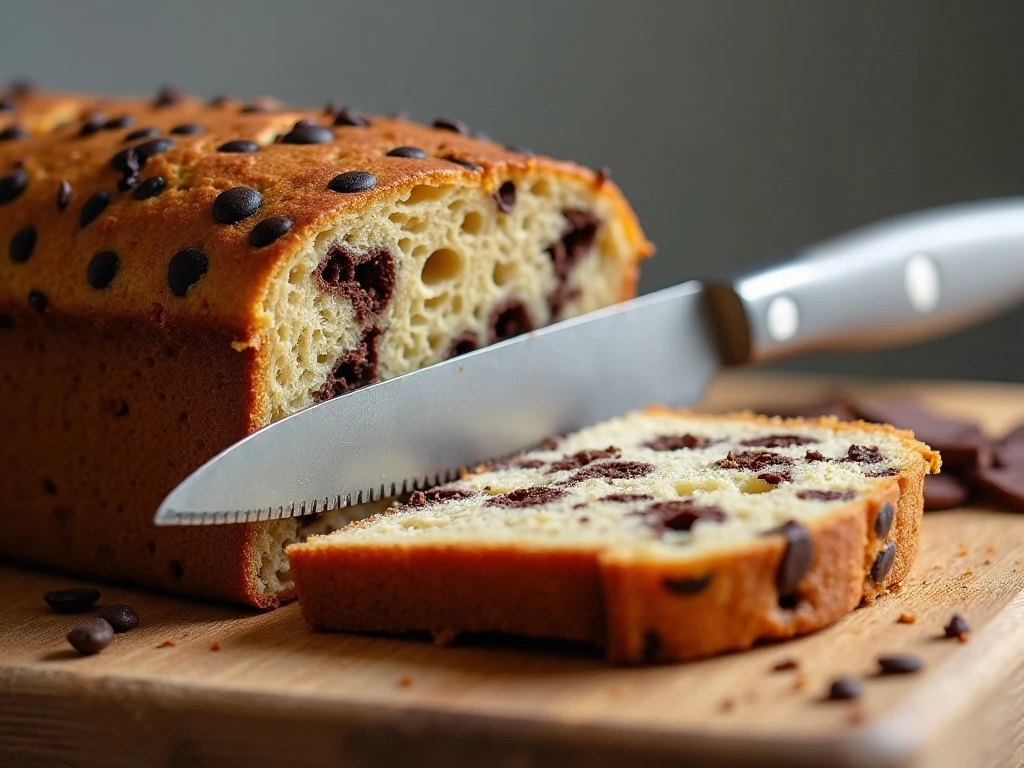
Once completely cool, keep the loaf in an airtight container or tightly wrapped at room temperature. It is best enjoyed within a few days, when the crumb is at its softest.
For longer storage, slice the cooled bread and freeze the slices in a freezer-safe bag with parchment between them. Toast slices directly from frozen, or let them thaw at room temperature before serving.
Always use a serrated knife and a gentle sawing motion. A sharp straight-down cut can flatten the tender loaf and make the contrasting cocoa rings less distinct.
If you are serving several spreads, this classic buffalo chicken marinade can also inspire a spicy filling for a separate sandwich platter.
Leopard Print Bread
Ingredients
Method
- Combine the bread flour, sugar, salt, and instant yeast. Add the lukewarm whole milk and lightly beaten egg, then mix until a rough dough forms.
- Knead the dough for several minutes, then add the softened butter gradually. Continue kneading until the dough is smooth, elastic, and only slightly tacky.
- Shape the dough into a ball, cover it, and let it rise in a warm place for 60–90 minutes, or until doubled in size.
- Deflate the risen dough and divide it by weight into three portions: about one-half plain, one-quarter for the light-cocoa dough, and one-quarter for the dark-cocoa dough.
- Knead 10 g cocoa powder into the light portion and 20 g cocoa powder into the dark portion. Add milk a teaspoon at a time if either cocoa dough becomes dry or stiff.
- Divide the brown doughs into several uneven pieces and roll them into irregular ropes. Loosely wrap the dark ropes with light-brown dough, then wrap some sections with plain dough.
- Cut the combined ropes into shorter pieces and arrange them loosely in a greased 8 1/2 x 4 1/2-inch or 9 x 5-inch loaf pan. Leave space between pieces so the dough can expand.
- Cover the shaped loaf and let it rise for 30–60 minutes, until visibly puffy. If desired, brush the surface with the egg wash.
- Bake at 180°C/350°F for 35–40 minutes, until deeply golden and the center reaches approximately 93°C/200°F.
- Cool the loaf in the pan for 10–15 minutes, then transfer it to a rack. Cool completely before slicing so the crumb sets cleanly.
Notes
Final Thoughts
Making leopard bread is a rewarding way to turn a familiar enriched yeast dough into something memorable. The key is to keep every portion soft, shape the ropes with relaxed irregularity, and allow both rises enough time to develop a light crumb.
Once the loaf is completely cool, slice it to reveal the cocoa-colored spots and serve it with sweet or savory toppings. It is a charming homemade bread that looks special without requiring advanced decorating skills.
For the best result, weigh the dough portions, add milk gradually to the cocoa doughs, avoid tight wrapping, and bake until the center reaches about 93°C/200°F. With those simple details in place, your loaf will be tender, fragrant, beautifully golden, and full of eye-catching leopard markings.
1 thought on “How to Make Leopard Bread: Easy Leopard Print Bread Recipe”