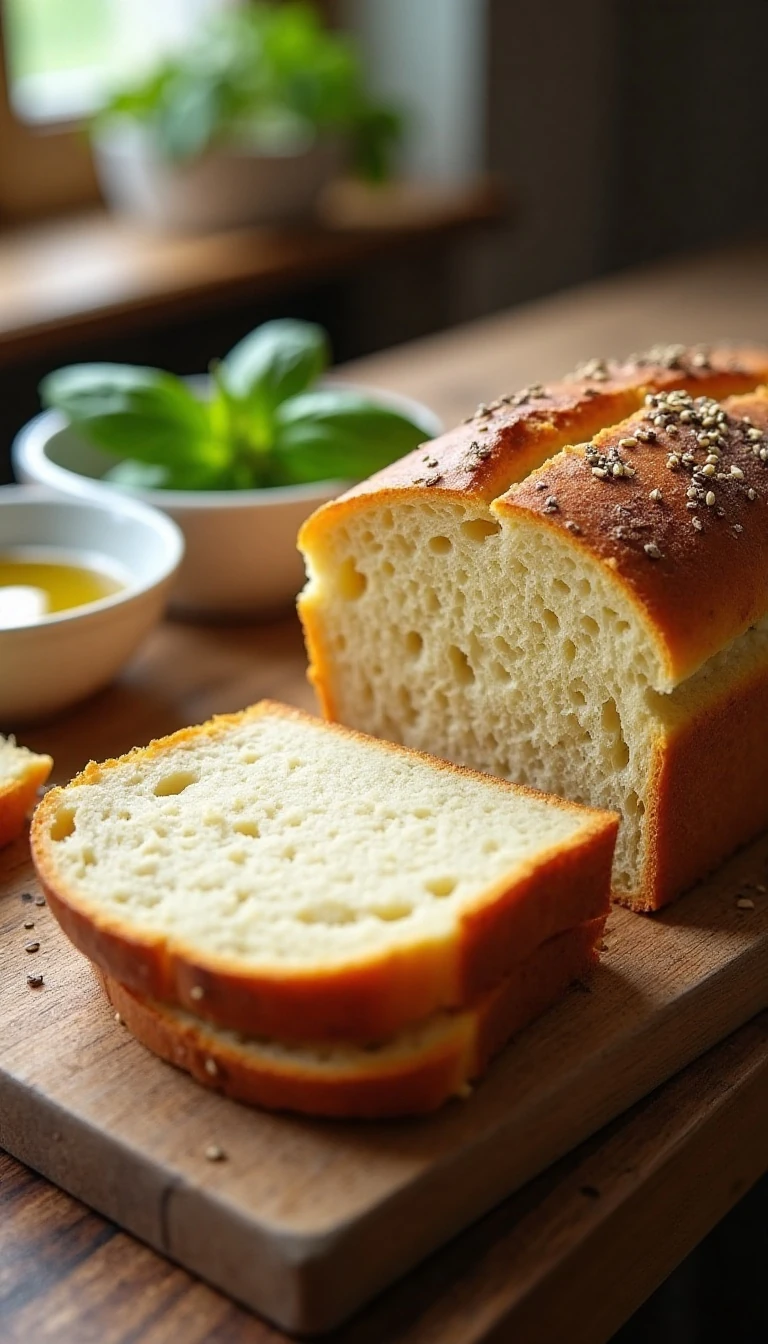
This easy bread machine Italian bread recipe makes a tender, chewy 2-pound loaf with a golden crust and classic bakery-style flavor. Add lukewarm water, olive oil, sugar, salt, bread flour, and yeast to the bread-machine pan, select the Basic or White cycle, and let the machine handle the kneading, rising, and baking.
The finished bread has a mild sweetness, gentle olive-oil richness, and a soft interior that is perfect for sandwiches, toast, dipping, or serving alongside soup and pasta. You can also use the Dough cycle and finish the loaf in the oven for a more traditional oval shape and deeply golden crust.
Jump to RecipeWhy You’ll Love This Recipe
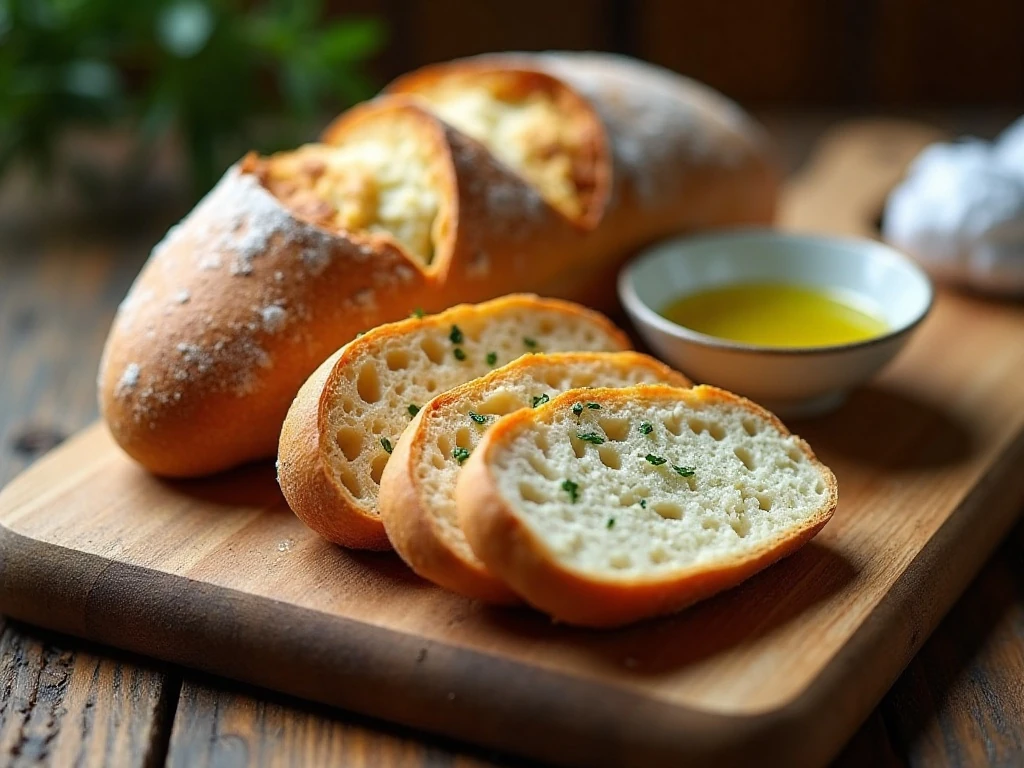
This bread machine Italian bread is one of those dependable recipes that gives you homemade bread without requiring advanced baking skills. The machine mixes and kneads the dough, manages the rise, and bakes the loaf while you take care of the rest of your day.
Olive oil gives the bread a pleasantly supple texture and a subtle savory note, while a small amount of sugar supports the yeast and adds gentle sweetness. Bread flour provides enough structure for a satisfying chew without making the crumb heavy.
The recipe is also flexible. Bake it directly in the machine for convenience, or choose the Dough cycle when you want to shape an oval loaf with a more rustic appearance. If you enjoy making bread in other appliances, our quick crockpot bread is another useful recipe to keep nearby.
Ingredients You’ll Need
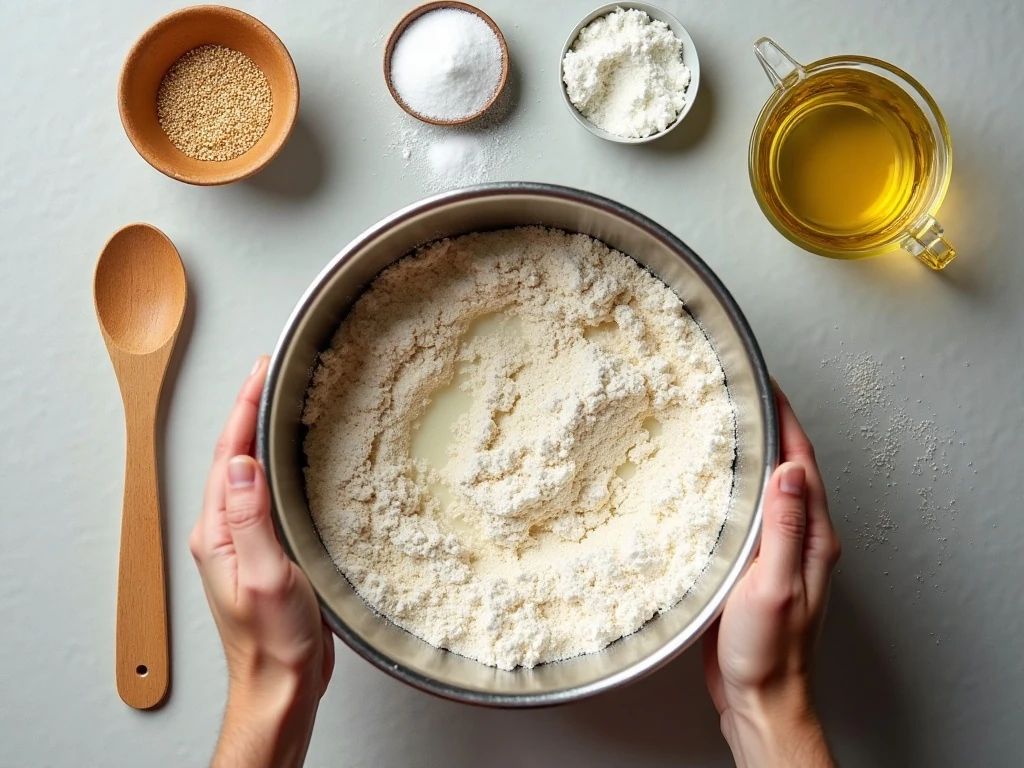
The ingredient list is short, but each item has an important job. For the best result, use fresh yeast and bread flour, and make sure the water feels lukewarm rather than hot.
- Water: Use 1 1/2 cups of lukewarm water to hydrate the flour and activate the yeast.
- Olive oil: Two tablespoons add flavor and help keep the crumb tender.
- Sugar: One tablespoon supports yeast activity and rounds out the flavor.
- Salt: Salt balances the sweetness and keeps the loaf from tasting flat.
- Bread flour: Four cups, or approximately 480-500 grams, create better structure and chew than typical all-purpose flour.
- Yeast: Use 2 1/4 teaspoons of active dry yeast or bread-machine yeast.
For the optional oven finish, keep one beaten egg ready for brushing. Sesame seeds add a delicate nutty topping, while cornmeal can be used to dust the baking sheet and help prevent sticking.
How to Make It Step-by-Step
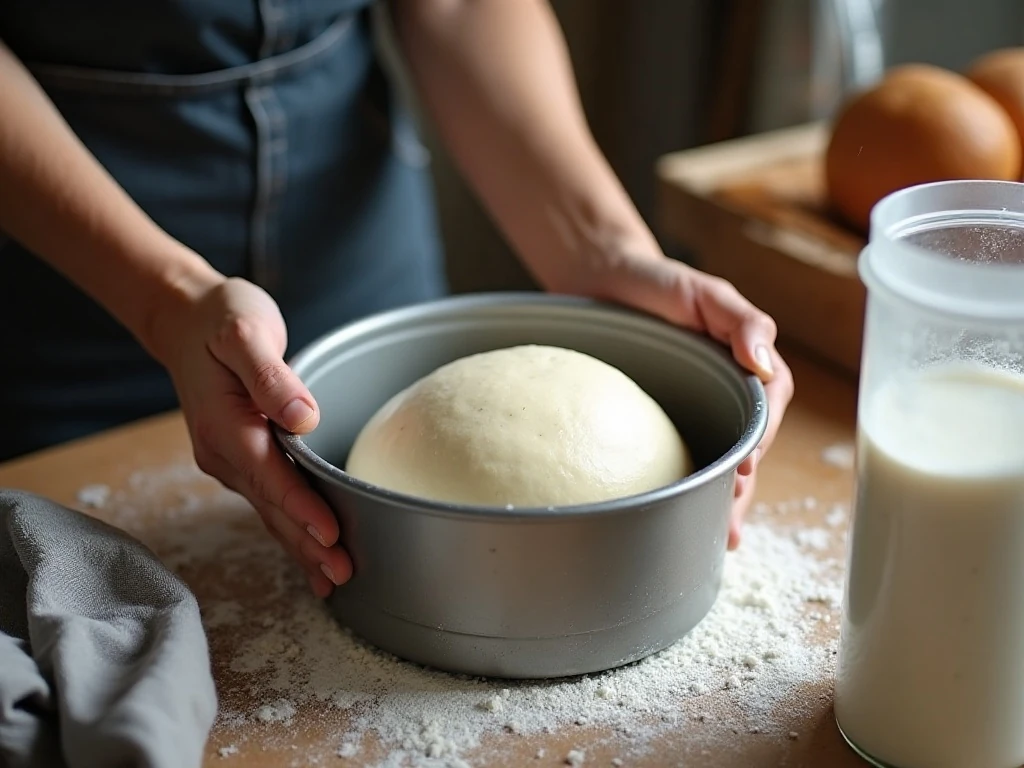
Step 1: Prepare the bread-machine pan and check the manufacturer’s instructions for ingredient order. A common order is lukewarm water, olive oil, sugar, salt, bread flour, and yeast sprinkled on top.
Step 2: Add the water, olive oil, sugar, and salt to the pan. Spoon in the bread flour so it covers the liquids, then place the yeast on top where it will stay separate until the machine begins mixing.
Step 3: Select the Basic or White Bread cycle, choose the 2-pound loaf setting, and select a medium crust. The complete cycle generally takes about 3 to 3 1/2 hours, depending on the model.
Step 4: Watch the dough during the first 5 to 10 minutes of kneading. It should become a soft, smooth ball; if it looks wet and sticky, add flour 1 tablespoon at a time, or add water 1 teaspoon at a time if it looks dry and rough.
Step 5: Close the lid and allow the machine to finish kneading, rising, and baking without interruption. Avoid opening the machine during the rising or baking stages because a sudden temperature change can affect the loaf’s height.
Step 6: Remove the pan promptly when the cycle ends, taking care because both the pan and loaf will be hot. Turn the bread onto a wire rack and let it cool for at least 30 minutes before slicing so the crumb can finish setting.
How to Make an Oven-Finished Italian Loaf
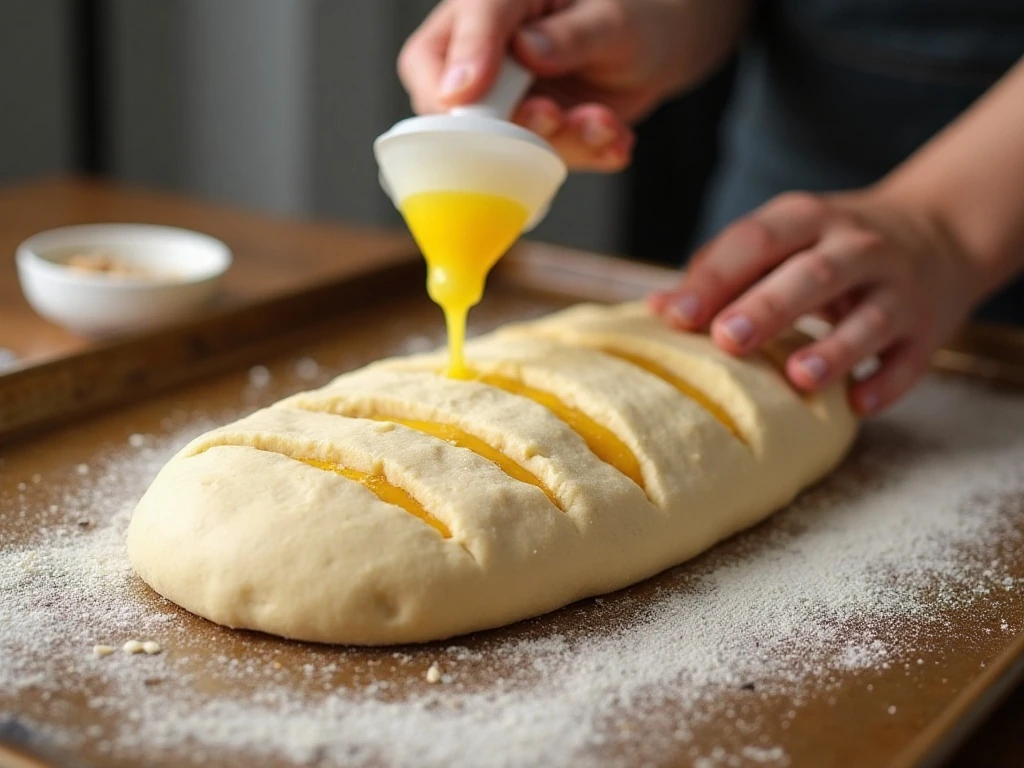
The Dough cycle is a great choice when you want a loaf that looks more like bread from an Italian bakery. The bread machine still does the mixing and first rise, but you shape and bake the dough separately.
Select the Dough cycle and let the machine complete its mixing and rising process. When the cycle ends, remove the risen dough and gently shape it into one oval loaf, taking care not to press out every bit of air.
Place the shaped dough on a greased or cornmeal-dusted baking sheet. Cover it loosely and let it rise for about 30 to 45 minutes, until it looks puffy and holds a slight indentation when gently touched.
Brush the top with beaten egg if desired, slash the surface with a sharp knife, and sprinkle on sesame seeds. Bake at 375°F for approximately 25 to 35 minutes, until deeply golden and the center reaches about 190-200°F.
For another tender homemade loaf with a touch of sweetness, try this buttermilk bread with honey. It makes a lovely comparison when you want to explore a softer sandwich-style bread.
Pro Tips for the Best Bread Machine Loaf
Flour absorption changes with humidity, brand, and measuring technique, so the dough itself is the best guide. Checking the dough during the initial knead is more reliable than assuming the listed flour and water will behave exactly the same every time.
- Measure carefully: Spoon flour into measuring cups and level it, or weigh about 480-500 grams for the four cups.
- Check water temperature: Lukewarm water should feel comfortably warm, not hot. Excessively hot water can damage the yeast.
- Make small adjustments: Add flour one tablespoon at a time when the dough is wet, or water one teaspoon at a time when it is dry.
- Use the correct cycle: The Basic or White cycle is designed for the fully baked machine loaf, while the Dough cycle is best for shaping and oven baking.
- Cool before cutting: Slicing too soon can compress the soft interior and make the crumb appear gummy.
Keep the yeast dry and separate from the liquid until mixing begins, especially if you are using a delayed-start feature. Always follow your particular bread machine’s instructions if its recommended ingredient order differs from the common order listed here.
Serving Ideas
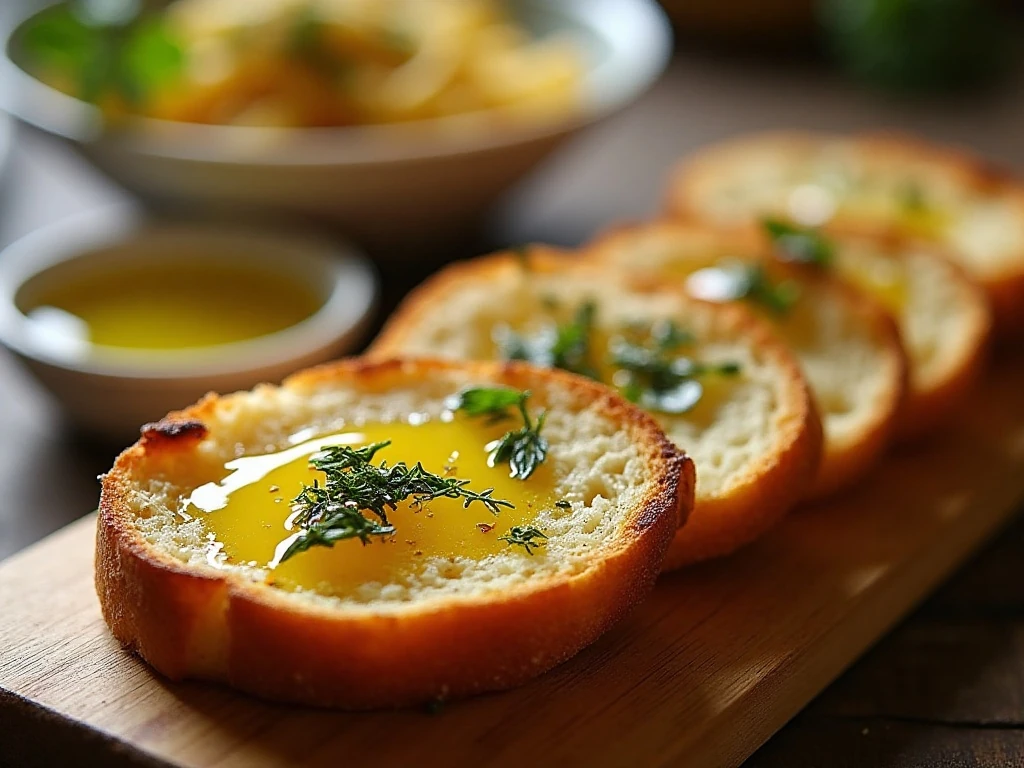
Serve thick slices with olive oil, balsamic vinegar, softened butter, or a bowl of marinara sauce for dipping. The bread is also excellent with pasta, roasted vegetables, grilled chicken, or a simple green salad.
For breakfast or brunch, toast slices and top them with eggs, tomatoes, or melted cheese. This cheesy omelet recipe pairs especially well with warm Italian bread because the crisp toast provides a nice contrast to the tender eggs.
At lunch, use the loaf for Italian-style sandwiches with sliced meats, provolone, roasted peppers, and lettuce. You can also cube day-old slices for croutons or toast them with garlic and olive oil for a quick appetizer.
Storage and Slicing Advice
Let the loaf cool completely before storing it, because trapped steam can soften the crust and create excess moisture. Keep it in a paper bag or loosely wrapped at room temperature for up to a few days.
For longer storage, slice the cooled bread and freeze the slices in an airtight freezer bag. Remove only what you need and thaw at room temperature or toast directly from frozen.
Do not refrigerate the loaf unless necessary, since refrigerator temperatures can make bread stale more quickly. If the crust softens, refresh slices briefly in a toaster or warm oven before serving.
Easy Ways to Use Leftover Bread
Leftover Italian bread is useful well beyond sandwiches. Turn it into crisp garlic toast, buttery breadcrumbs, bruschetta, bread pudding, or a warm panini.
The mild flavor also works with sweet toppings. Toast slices with butter and serve them beside fruit, yogurt, or our mandarin orange dessert for a simple meal that uses every crumb.
If the loaf has become slightly firm, slice it thinly and toast it rather than discarding it. A little olive oil, garlic, and flaky salt can transform day-old bread into a savory snack.
What to Serve Alongside Italian Bread
This loaf is a natural companion for hearty soups, pasta dinners, and casual family meals. Its sturdy crumb can hold flavorful sauces without falling apart, while the olive-oil flavor remains subtle enough to complement many dishes.
For a cold lunch or picnic, serve slices with an easy ham and pineapple salad. The sweet-tart salad adds freshness and makes the bread feel like part of a complete meal.
When serving guests, place the bread in a basket lined with a clean towel and offer a small bowl of seasoned olive oil. Slice only what you expect to eat right away so the remaining loaf stays moist inside.
Easy Bread Machine Italian Bread
Ingredients
Method
- Add the lukewarm water, olive oil, sugar, and salt to the bread-machine pan. Add the bread flour, then sprinkle the yeast over the top, following your machine manufacturer's recommended loading order.
- Select the Basic or White Bread cycle, choose the 2-pound loaf size, and set the crust to medium. Watch the dough during the first 5 to 10 minutes of kneading and adjust with flour or water only if needed.
- Let the machine complete the kneading, rising, and baking cycle, which usually takes about 3 to 3 1/2 hours. Remove the loaf promptly when finished and cool it on a rack for at least 30 minutes before slicing.
Notes
Final Thoughts
This easy bread machine Italian bread recipe delivers a dependable homemade loaf with very little hands-on work. The key is to use bread flour, watch the dough during the first 5 to 10 minutes of kneading, and make small hydration adjustments when necessary.
Choose the Basic or White cycle for the simplest approach, or use the Dough cycle when you want an oval loaf with an egg-brushed crust and sesame seed topping. Either method produces bread that is tender enough for sandwiches, chewy enough for dipping, and flavorful enough to serve proudly at the dinner table.
Once you taste the difference fresh bread makes, this recipe is easy to repeat throughout the week. Cool it properly, store it thoughtfully, and enjoy every slice with soup, eggs, salads, pasta, or a drizzle of olive oil.