This easy homemade butterscotch sauce recipe comes together in about 10–12 minutes with five simple ingredients: butter, packed light brown sugar, heavy cream, salt, and vanilla. Melt the butter, gently simmer the ingredients for 4–5 minutes, then stir in the vanilla off the heat for a quick, creamy sauce that yields about 1 1/4 cups.
The finished sauce is silky, rich, buttery, and warmly sweet, with a gentle salty finish that keeps every spoonful balanced. Serve it warm over ice cream, cheesecake, brownies, apples, pancakes, waffles, bread pudding, or stir a little into a coffee drink for an instant butterscotch treat.
Jump to RecipeWhy You’ll Love This Recipe
There is no candy thermometer, complicated technique, or long ingredient list required for this homemade butterscotch sauce. The butter melts directly in the saucepan, and the brown sugar, cream, and salt join it for a short, gentle simmer.
Unlike a thin dessert syrup, this sauce has a creamy body that clings to ice cream and cakes. It is pourable when warm and becomes thicker as it cools, so you can serve it at exactly the consistency you want.
The flavor is especially satisfying because brown sugar brings a soft molasses note, butter adds richness, and vanilla rounds out the sauce with a fragrant finish. A measured amount of salt keeps the sweetness from tasting flat.
For another fruit-forward topping to keep in your dessert rotation, try this quick strawberry sauce alongside the butterscotch for a beautiful two-sauce sundae.
Ingredients You’ll Need
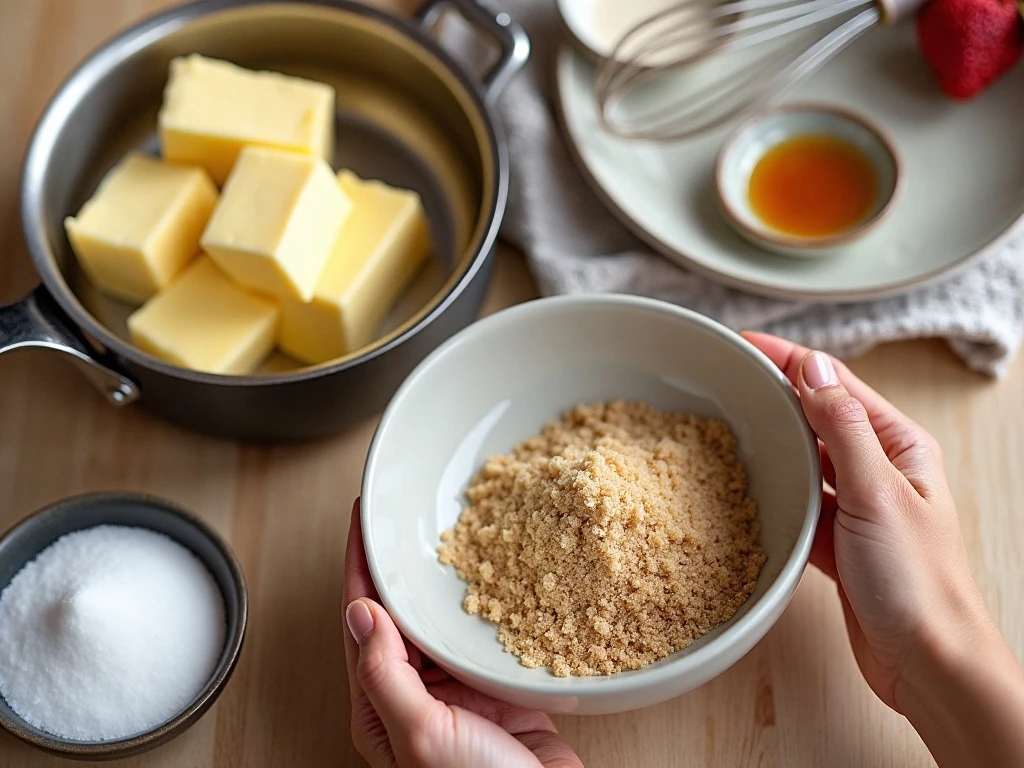
This recipe uses everyday ingredients, but each one has an important job. Choose good-quality butter and pure vanilla when possible, since their flavors remain noticeable in the finished sauce.
- Unsalted butter: Six tablespoons create the rich, buttery foundation and allow you to control the salt yourself.
- Light brown sugar: One packed cup supplies sweetness, moisture, and the characteristic warm butterscotch flavor.
- Heavy cream: One-half cup gives the sauce its smooth, creamy texture and helps loosen the cooked sugar.
- Fine salt: One-half teaspoon balances the sweetness and makes the butter flavor taste fuller.
- Pure vanilla extract: One teaspoon is stirred in after cooking to preserve its aroma.
Pack the brown sugar firmly into the measuring cup so you get the intended amount. If you prefer a more pronounced molasses taste and a darker sauce, dark brown sugar can replace the light brown sugar.
This sweet sauce is also wonderful spooned over slices of homemade buttermilk bread for a simple snack or breakfast-inspired dessert.
How to Make It Step-by-Step
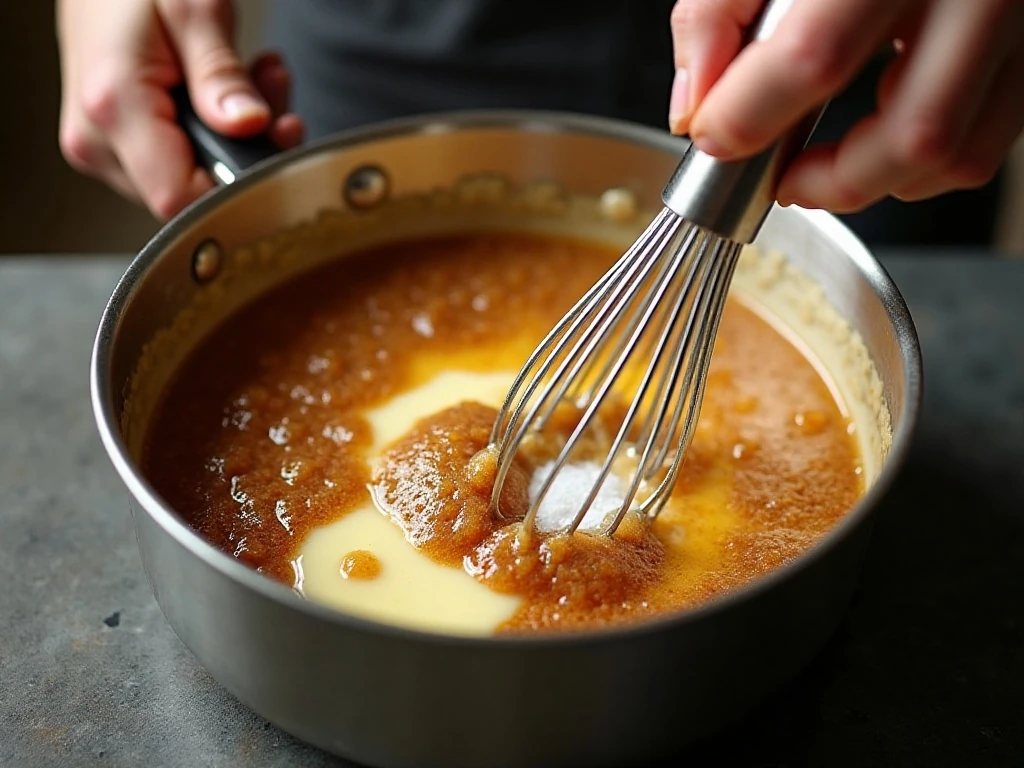
Step 1: Melt the butter in a medium, heavy-bottomed saucepan over medium heat. Let it melt gently rather than letting it brown, and choose a pan with enough room for the sauce to bubble without spilling.
Step 2: Add the packed brown sugar, heavy cream, and fine salt to the melted butter. Whisk steadily until the sugar is moistened and the mixture looks smooth, with no dry pockets of brown sugar remaining.
Step 3: Bring the mixture to a gentle boil over medium heat. Once it begins bubbling, cook for 4–5 minutes, stirring or whisking occasionally so the bottom does not scorch and the sauce cooks evenly.
Step 4: Watch the bubbles and keep the boil controlled rather than aggressive. The sauce will look glossy and somewhat loose while hot, so do not keep boiling it in an attempt to make it look fully thickened in the pan.
Step 5: Remove the pan from the heat and stir in the vanilla extract. Adding vanilla after cooking protects its delicate aroma and gives the sauce a fresher, more noticeable flavor.
Step 6: Serve the butterscotch sauce warm, or let it cool for a thicker consistency. If you are pouring it over ice cream, allow it to cool briefly so it remains warm and fluid without melting the dessert too quickly.
Pro Tips for Smooth Butterscotch Sauce
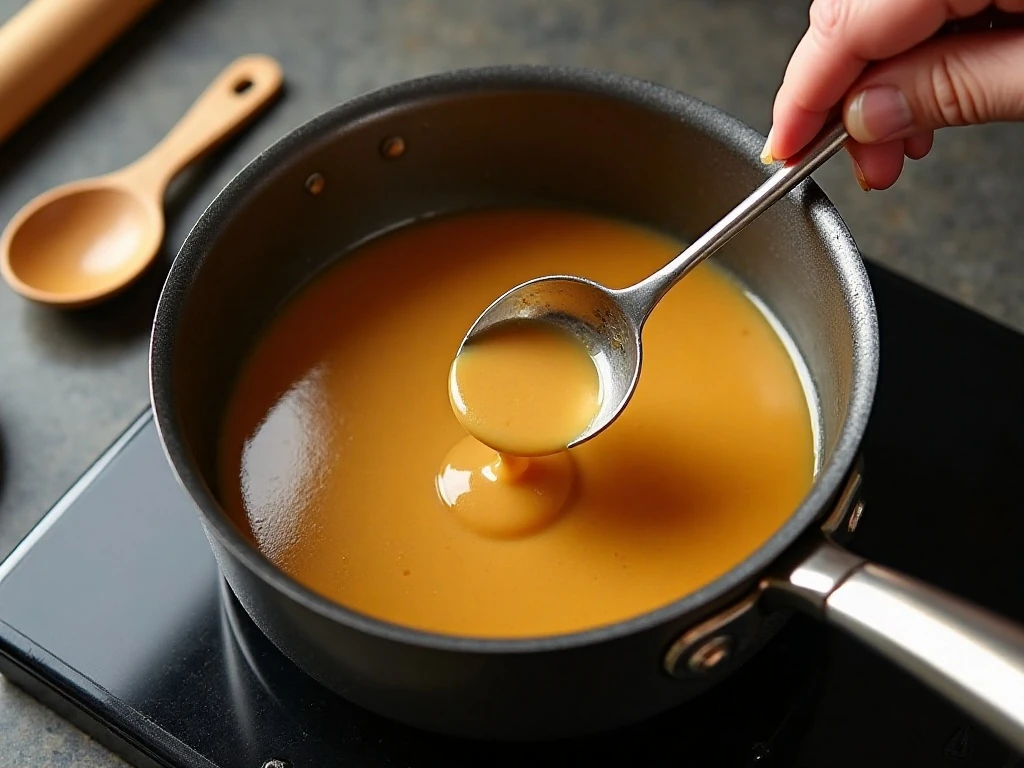
A heavy-bottomed saucepan is one of the best tools for this recipe because it distributes heat more evenly. Thin pans can create hot spots that scorch the butter or sugar before the cream has fully blended in.
Medium heat is important from start to finish. The mixture should bubble gently, but an intense boil can cause rapid evaporation and may leave you with a sauce that is too thick, sticky, or grainy.
Stir occasionally during the 4–5 minute simmer, paying particular attention to the corners and bottom of the pan. Constant vigorous whisking is not necessary, but a few deliberate stirs help keep the texture even.
Remember that the sauce continues to thicken as it cools. It is better to stop cooking when the sauce is glossy and pourable than to wait for it to become thick in the saucepan.
For a darker, deeper flavor, choose dark brown sugar. The recipe remains quick and creamy, but the extra molasses flavor gives the sauce a more intense butterscotch character.
If you are serving a dessert buffet, pair this sauce with a chilled fruit dessert such as an easy no-bake pineapple pie. The cool, tangy filling contrasts wonderfully with the warm buttery topping.
Delicious Ways to Serve It
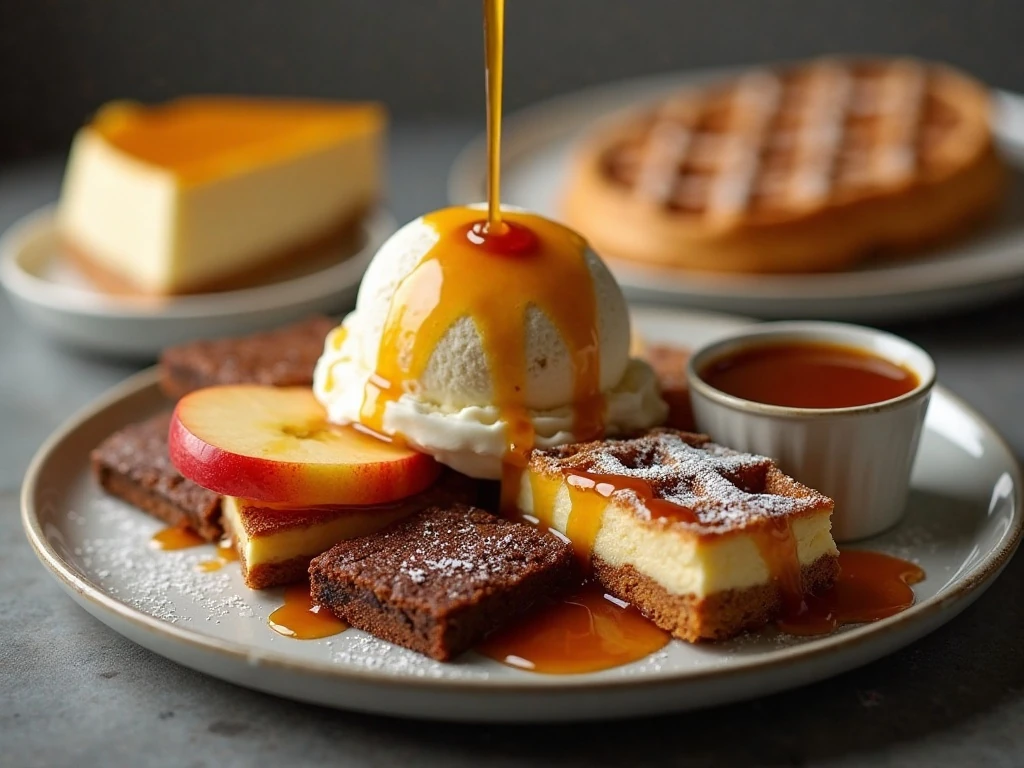
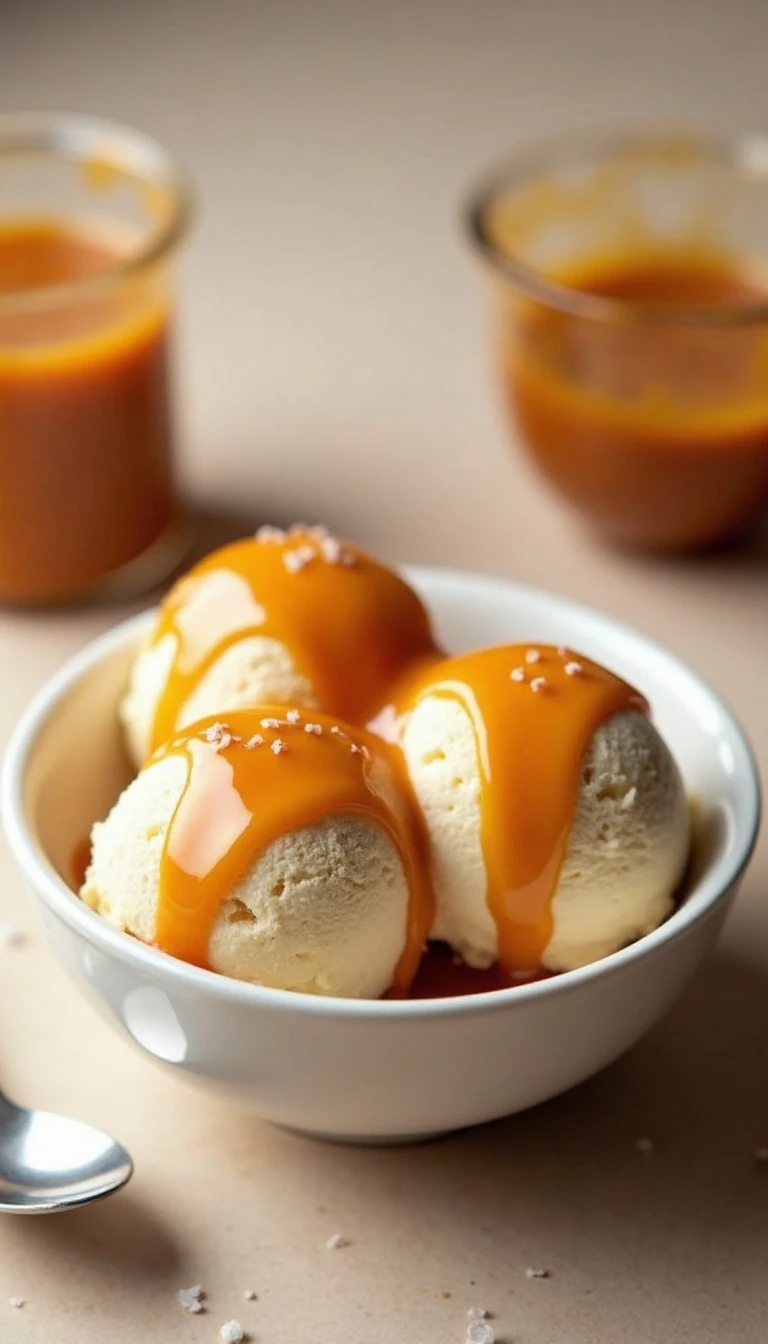
The classic pairing is vanilla ice cream, but this sauce can make many simple desserts feel special. Spoon it over brownies, cheesecake, apple slices, baked apples, pancakes, waffles, or bread pudding.
- Drizzle warm sauce over ice cream and add chopped nuts for a sundae.
- Pour a little over cheesecake for a rich bakery-style finish.
- Use it as a topping for pancakes or waffles instead of maple syrup.
- Layer it with sliced apples and yogurt for a quick dessert parfait.
- Stir a spoonful into hot coffee for a creamy butterscotch drink.
- Serve it with warm bread pudding so the sauce melts into every tender bite.
You can also make a dessert board with fruit, brownies, cookies, and a small bowl of warm sauce for dipping. Keep the flavor pairing in mind: apples, pears, vanilla, cinnamon, chocolate, and toasted nuts all work particularly well with butterscotch.
For a savory dinner idea before dessert, browse this easy skillet lasagna, then finish the meal with warm brownies and a generous spoonful of sauce.
Storage and Reheating
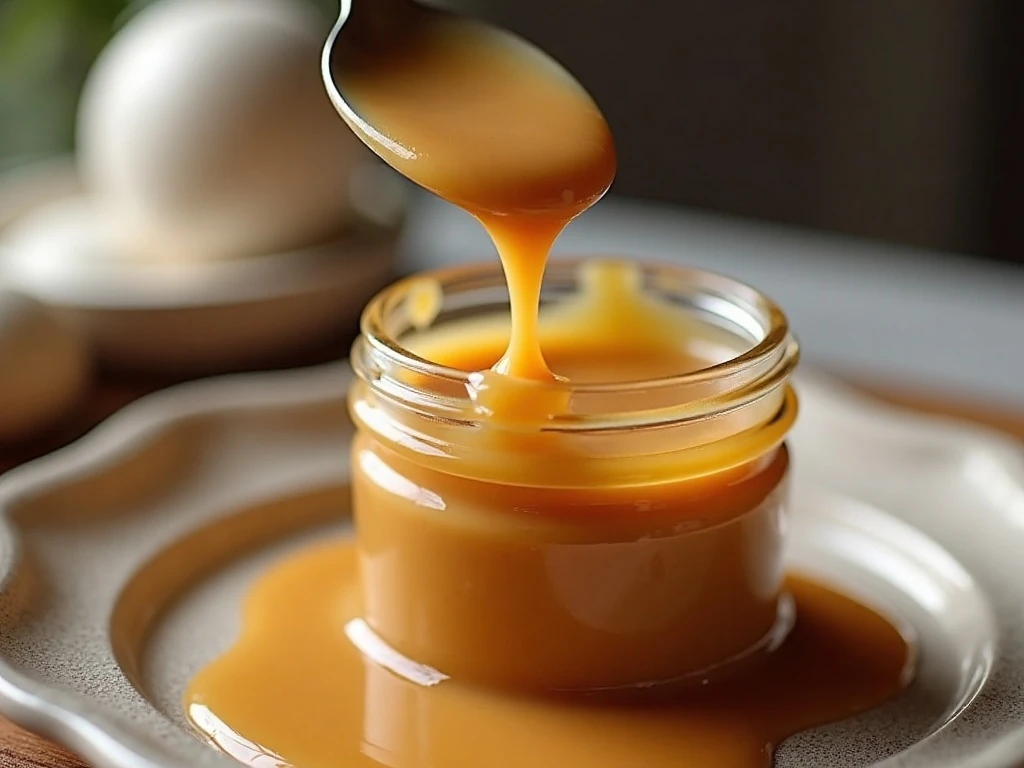
Let leftover sauce cool, then transfer it to a clean, covered container and refrigerate it. Chilling makes the sauce considerably thicker, so do not judge its final texture straight from the refrigerator.
To rewarm it, heat gently in a saucepan over low heat, stirring until smooth and pourable. You can also warm small portions carefully, stopping to stir so the edges do not become too hot.
If the chilled sauce seems thicker than you prefer, warm it slowly and stir thoroughly before serving. Avoid prolonged boiling during reheating, since excess cooking can affect the smooth texture.
Make only the amount you expect to use within a reasonable refrigerated storage period, and always use a clean spoon when serving. The sauce is at its best when warmed gently and used as a fresh dessert topping.
How to Fix Common Texture Problems
If the sauce seems thin while hot, give it a few minutes to cool before making any adjustments. Butterscotch thickens naturally as its temperature drops, and extra boiling may make it too firm once chilled.
If it becomes too thick after cooling, gently rewarm it until it loosens. Stirring during reheating helps restore a smooth, glossy consistency without forcing the sauce to cook longer.
A grainy texture can result from prolonged boiling or overheating. The safest approach is to use medium heat, keep the simmer gentle, follow the controlled cooking time, and remove the pan from the heat before stirring in the vanilla.
If the flavor tastes overly sweet, serve the sauce with a slightly tart or neutral dessert, such as apples, cheesecake, plain ice cream, or bread pudding. The salt in the recipe already provides balance, while contrasting toppings can make the sweetness feel more rounded.
For a savory recipe collection to explore another day, see our caramelized French onion dip. It is a completely different flavor direction, but a useful addition to a party menu that includes both snacks and sweets.
Easy Homemade Butterscotch Sauce Recipe
Ingredients
Method
- Melt the butter in a medium, heavy-bottomed saucepan over medium heat.
- Add the packed brown sugar, heavy cream, and salt. Whisk until the sugar is moistened and the mixture looks smooth.
- Bring the mixture to a gentle boil, then cook for 4–5 minutes, stirring or whisking occasionally. Keep the heat moderate and do not allow the sauce to boil aggressively.
- Remove the saucepan from the heat and stir in the vanilla extract.
- Serve the sauce warm for a pourable consistency, or let it cool to make it thicker.
Notes
Final Thoughts
This easy homemade butterscotch sauce is proof that an impressive dessert topping does not need a long recipe or specialized equipment. In roughly 10–12 minutes, butter, brown sugar, cream, salt, and vanilla become a glossy sauce with a creamy texture and rich, cozy flavor.
Keep the heat at medium, simmer gently for 4–5 minutes, and remember that the sauce thickens as it cools. Once you make it, you will find plenty of reasons to keep a jar ready for ice cream, cheesecake, fruit, breakfast treats, and warm coffee drinks.
Serve it warm for the most fluid drizzle, or let it cool until it reaches a thicker spoonable consistency. Either way, this small-batch recipe brings homemade comfort and bakery-style flavor to almost any dessert.