This Traditional Newfoundland Raisin Buns Recipe makes about 12 to 15 tender, lightly sweet tea buns in just 35 to 45 minutes. Made without yeast, the buns combine all-purpose flour, butter, sugar, raisins, milk, one egg, baking powder, and salt, then bake at 375°F (190°C) for 20 to 25 minutes.
Each bun has a rich buttery flavor, soft crumb, lightly crisp golden exterior, and sweet pockets of raisins throughout. They are wonderful warm from the oven with butter, alongside tea or coffee, or packed for a comforting afternoon snack.
Jump to RecipeWhy You’ll Love This Recipe
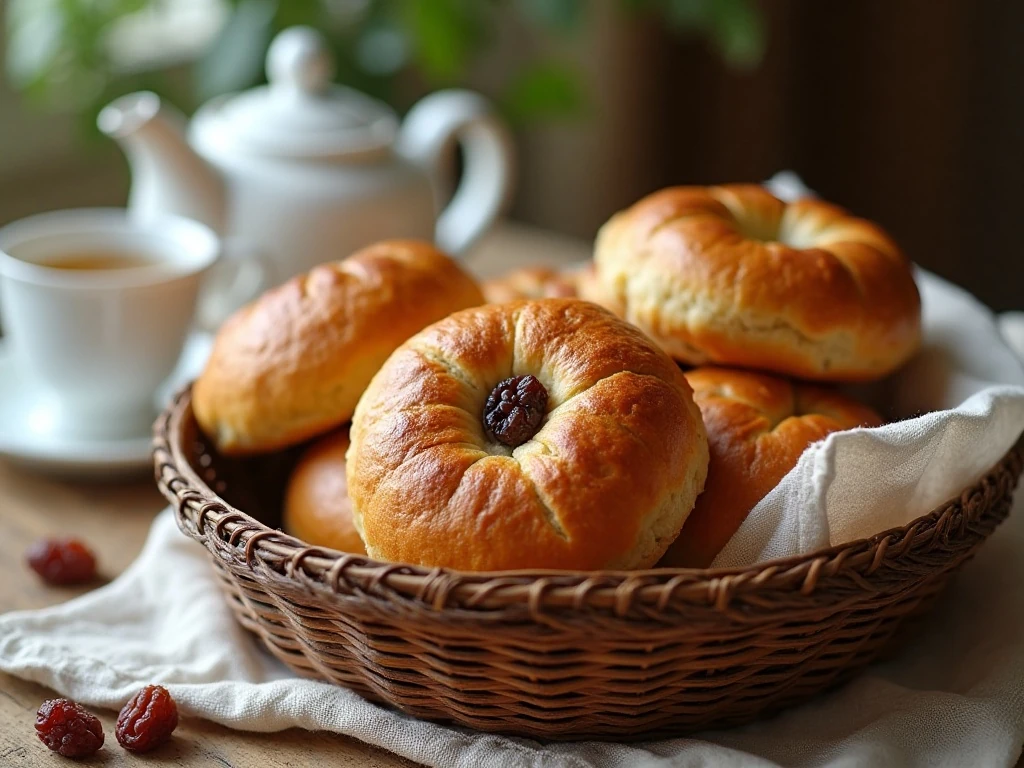
Newfoundland raisin buns are the kind of baking that feels both practical and deeply comforting. There is no yeast, no rising time, and no complicated shaping, yet the finished buns have the satisfying richness of a traditional bakery treat.
The generous amount of butter gives the crumb a delicate, almost biscuit-like tenderness, while sugar brings a gentle sweetness rather than a dessert-like intensity. Raisins add chewy fruitiness in every bite, making these buns ideal for a morning break or a generous afternoon tea table.
They are also wonderfully forgiving when you keep the central technique in mind: mix lightly and stop as soon as the dough comes together. That simple habit protects the soft texture that makes this classic recipe so memorable.
For another cozy homemade accompaniment, serve a warm bun beside a bowl of creamy rice pudding for a nostalgic dessert spread.
Ingredients You’ll Need
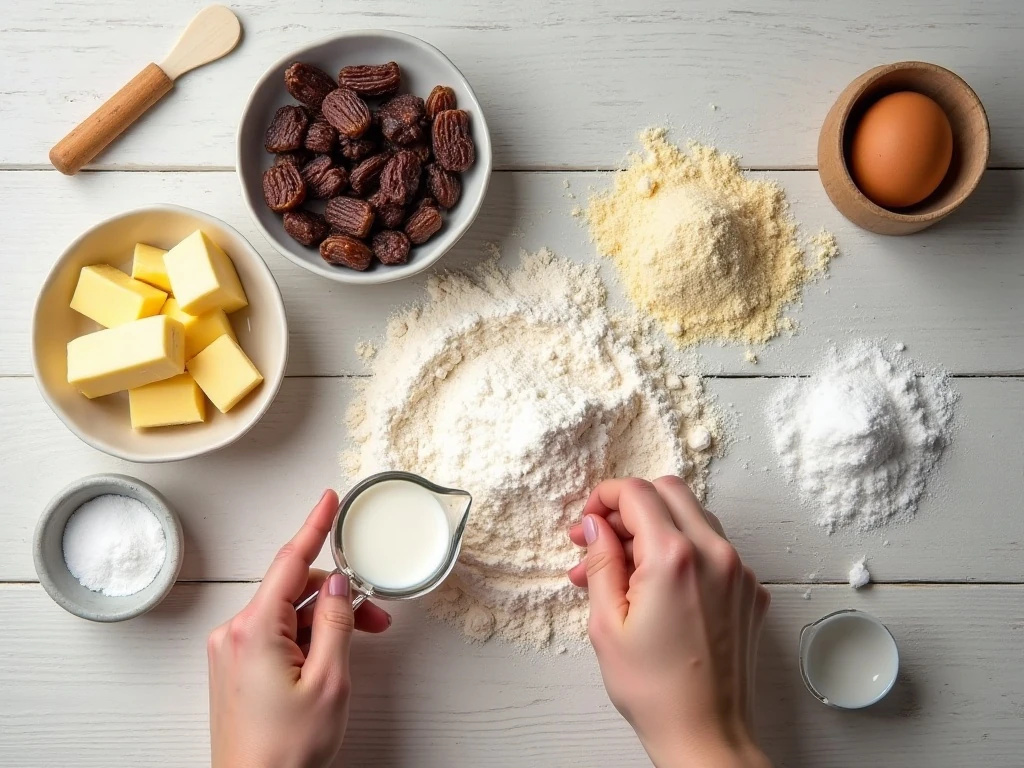
The ingredient list is short, but every component has an important job. Use the following traditional proportions for a rich batch of approximately 12 to 15 medium buns.
- 3 cups all-purpose flour: This forms the structure of the buns and weighs approximately 375 grams.
- 1 cup butter: Use 225 grams of butter, either softened for a creamed method or cold and cut into pieces for a crumb-style method.
- 1 cup granulated sugar: The 200 grams of sugar creates the characteristic lightly sweet flavor.
- 1 cup raisins: Use approximately 150 to 170 grams of raisins, depending on their size and how generously you fill the cup.
- 4 teaspoons baking powder: This provides the lift in this yeast-free bun recipe.
- 1/2 teaspoon salt: Salt balances the sugar and brings out the buttery flavor.
- 1 large egg: The egg contributes richness, color, and structure.
- 1 cup milk: Use 240 mL of milk to bring the dough together.
For the best texture, measure flour carefully rather than packing it firmly into the measuring cup. If your raisins look especially dry, you can soak them briefly in hot water, drain them well, and pat them dry before mixing.
How to Make It Step-by-Step
Step 1: Begin by heating the oven to 375°F (190°C). Grease a baking sheet or cover it with parchment paper so the buns release easily after baking.
Step 2: Add the flour, baking powder, and salt to a large mixing bowl. Stir in the granulated sugar until the dry ingredients look evenly blended and no pockets of baking powder remain.
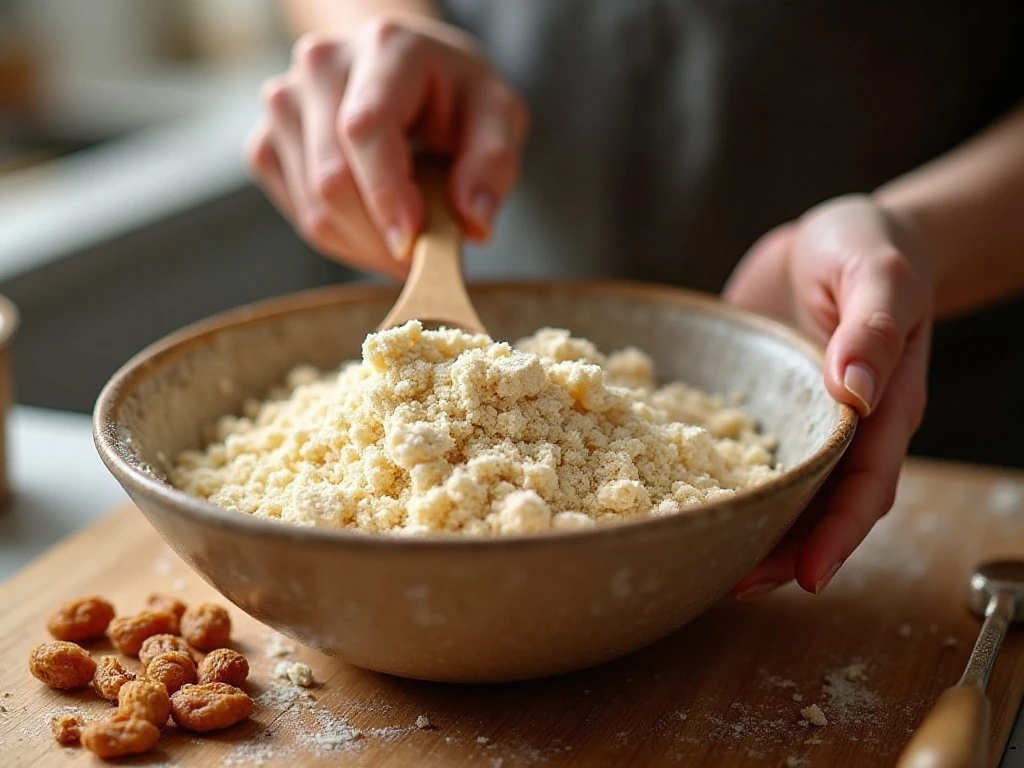
Step 3: Work the butter into the flour mixture until it resembles coarse crumbs with some small buttery pieces still visible. You can use a pastry blender, two knives, or your fingertips, working quickly if the butter is cold.
Step 4: Stir the raisins through the flour mixture before adding any milk. Coating the raisins with flour helps spread them throughout the dough and helps prevent them from collecting at the bottom of the buns.
Step 5: Beat the egg and milk together in a small bowl until combined. Pour this mixture into the bowl of dry ingredients, distributing it across the surface rather than pouring it into just one spot.
Step 6: Stir gently with a wooden spoon or spatula until a soft, slightly sticky dough forms. Do not knead the dough or keep stirring once the flour has disappeared, because overmixing can produce dense buns.
Step 7: Use a large spoon or cookie scoop to drop rounded portions onto the prepared baking sheet. Leave space between each one, and keep the portions rounded rather than pressing them flat for taller, rustic-looking buns.
Step 8: Bake the buns for 20 to 25 minutes, until the tops are lightly golden and firm. Remove them from the oven and let them cool briefly before serving so the crumb can settle while remaining warm.
Pro Tips for Tender Raisin Buns
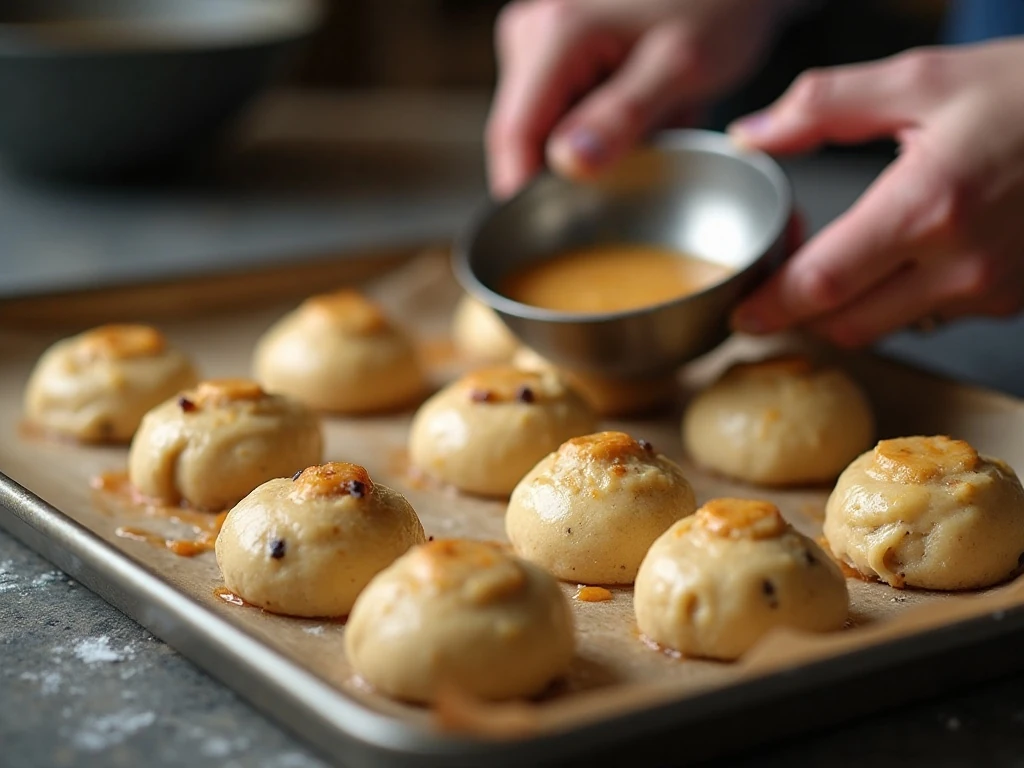
The biggest secret is to treat the dough gently. These buns depend on baking powder rather than yeast, so there is no reason to knead them or develop gluten through extended mixing.
- Keep raisins evenly distributed: Always toss them with the flour mixture before adding the milk and egg.
- Choose your butter method: Cold butter cut into the flour gives a crumbly, tender texture. Softened butter creamed with sugar creates a slightly more uniform, rich dough.
- Do not flatten the scoops: Rounded spoonfuls give the buns more height and a charming homemade appearance.
- Watch the dough consistency: It should be soft and slightly sticky, not thin like batter and not stiff like kneaded bread dough.
- Soak only when needed: A brief hot-water soak can soften very dry raisins, but the standard recipe works perfectly without soaking.
- Measure portions consistently: Similar-sized buns bake at the same rate, making it easier to achieve a golden top and tender center throughout the batch.
Newfoundland baking is often associated with generous, homestyle portions, so do not worry if the buns look a little irregular before baking. Their rustic shape is part of their appeal, and the aroma of butter and raisins will make the kitchen feel instantly welcoming.
If you are planning a larger comfort-food gathering, these buns can sit beautifully beside savory dishes such as our favorite chicken Parmesan.
Serving Suggestions
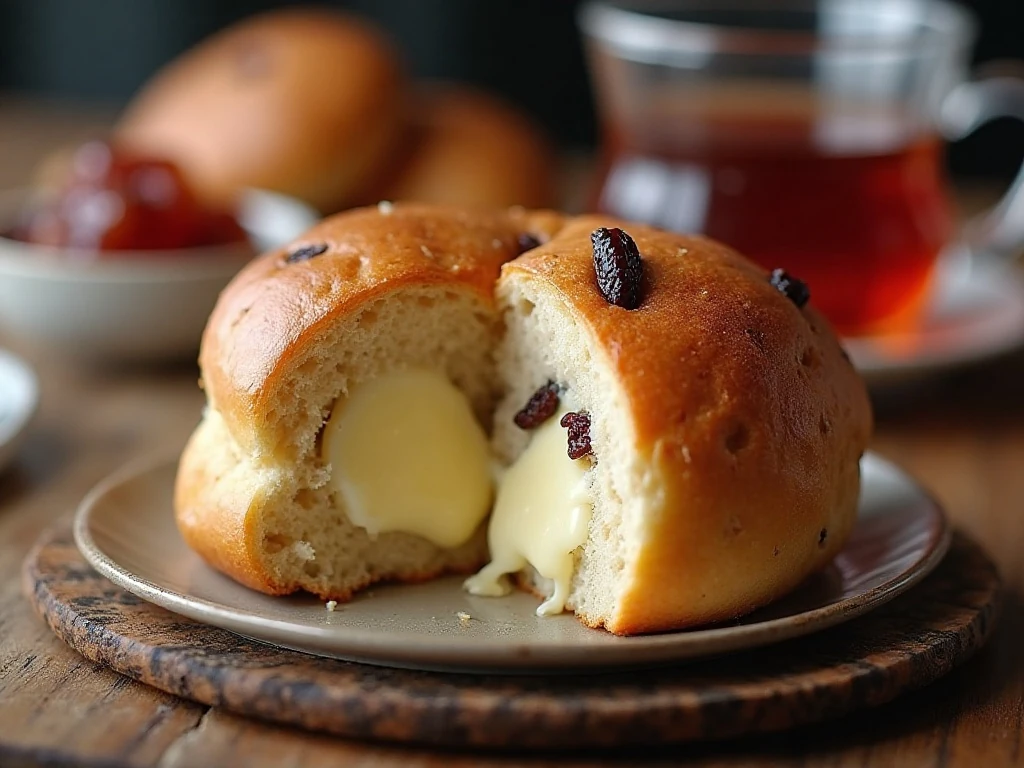
Serve these raisin buns warm or at room temperature with butter, clotted cream, or your favorite fruit preserves. A cup of black tea is the classic partner, but coffee, hot chocolate, and chai are equally inviting with the buttery sweetness.
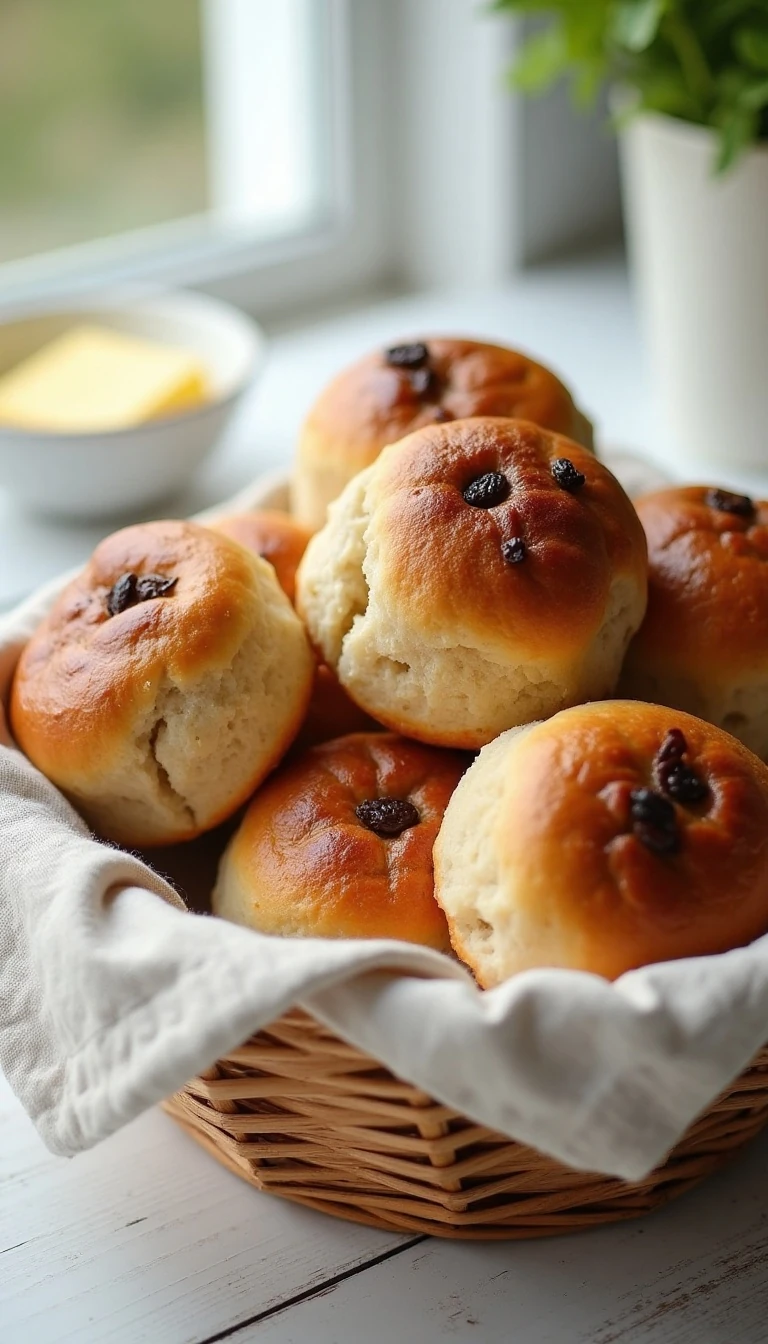
For a traditional tea table, arrange the buns in a lined basket and provide small dishes of butter and jam. Their moderate sweetness also makes them a useful companion to savory foods, balancing a hearty soup, stew, or salad without competing with the main dish.
Try splitting a warm bun and adding a thin spread of butter while the interior is still tender. If you enjoy contrasting flavors, a little sharp cheddar alongside the raisins creates a satisfying sweet-and-savory bite.
A casual brunch can include these buns with fruit, yogurt, and a fresh salad such as this chickpea salad with feta. For a party platter, a bowl of caramelized French onion dip offers a savory option for guests who prefer something less sweet.
Storage and Reheating
Allow the buns to cool before storing them in an airtight container at room temperature. They are best enjoyed within a few days, when the crumb remains soft and the raisins retain their pleasant chew.
To refresh a bun, warm it gently in the oven or microwave until just heated through. Avoid overheating, as too much heat can dry the crumb and make the edges firm.
These buns are at their finest on the day they are baked, particularly after a brief cooling period. If you are serving them to guests, prepare them close to teatime so the buttery aroma and warm texture can take center stage.
For another make-ahead sweet treat, keep our no-bake Butterfinger cream pie in mind for dessert after the tea table is cleared.
Traditional Newfoundland Raisin Buns Recipe
Ingredients
Method
- Heat the oven to 375°F (190°C). Grease a baking sheet or line it with parchment paper, leaving enough room between portions for the buns to spread slightly.
- Combine the flour, baking powder, and salt in a large bowl, then stir in the sugar. This distributes the leavening and seasoning before the butter and liquid are added.
- Cut in the butter with a pastry blender or your fingertips until the mixture resembles coarse crumbs. If using softened butter, you may cream it with the sugar first, then add the dry ingredients.
- Stir the raisins through the flour mixture before adding the liquid. This helps distribute them evenly and reduces the chance of the raisins sinking toward the bottom.
- Beat the egg with the milk in a separate bowl. Pour the liquid into the dry mixture and stir only until a soft, slightly sticky dough forms.
- Drop the dough in rounded spoonfuls or use a large cookie scoop to portion 12 to 15 buns onto the prepared baking sheet. Keep the dough rustic and avoid flattening it if you want taller buns.
- Bake for 20 to 25 minutes, or until the tops are lightly golden and feel firm. Begin checking near the 20-minute mark because bun size and individual ovens can affect the final baking time.
- Let the buns cool briefly on the baking sheet before serving. They are especially delicious while warm, when the buttery crumb is soft and the raisins are pleasantly chewy.
Notes
Final Thoughts
This Traditional Newfoundland Raisin Buns Recipe is proof that a short ingredient list can create something truly special. With 3 cups of flour, a generous cup of butter, sugar, raisins, milk, one egg, baking powder, and salt, you get tender, golden buns that taste homemade in every bite.
Remember the three details that matter most: coat the raisins in the flour mixture, mix only until the dough comes together, and bake the rounded portions at 375°F (190°C) for 20 to 25 minutes. Those steps keep the buns light, rustic, and beautifully tender.
Make a batch for a quiet weekend breakfast, a Newfoundland-inspired afternoon tea, or a welcoming kitchen snack. Served warm with butter and a steaming cup of tea, these raisin buns offer the simple, satisfying comfort that keeps traditional recipes in family kitchens for generations.