This melt-in-your-mouth melting moments cookies recipe makes about 20–24 delicate sandwich cookies with a tender shortbread-like texture and a smooth lemon buttercream filling. The dough combines softened butter, icing sugar, vanilla, plain flour, and cornflour, then the cookies are baked at a low temperature until set but still beautifully pale.
Each bite is light, crumbly, buttery, and gently sweet, with the lemon filling adding a bright contrast. The recipe takes approximately 1 hour from mixing to filling, including a short chilling period if the dough becomes too soft, and it is simple enough for everyday baking yet pretty enough for afternoon tea.
Jump to RecipeWhy You’ll Love This Recipe

Melting moments are loved for their almost weightless texture. Cornflour reduces the sense of heaviness that can come from an all-flour shortbread, while plenty of butter gives the cookies their rich, delicate crumb.
The finished cookies are small, elegant, and wonderfully balanced. The biscuit itself is buttery and vanilla-scented, while the lemon buttercream brings enough citrus tang to keep every bite fresh rather than overly sweet.
They are also naturally suited to gifting because two cookies become one attractive sandwich with a creamy center. If you enjoy soft, tender cookie recipes, you may also like these soft cream cheese cookies for another delicate dessert option.
Ingredients You’ll Need
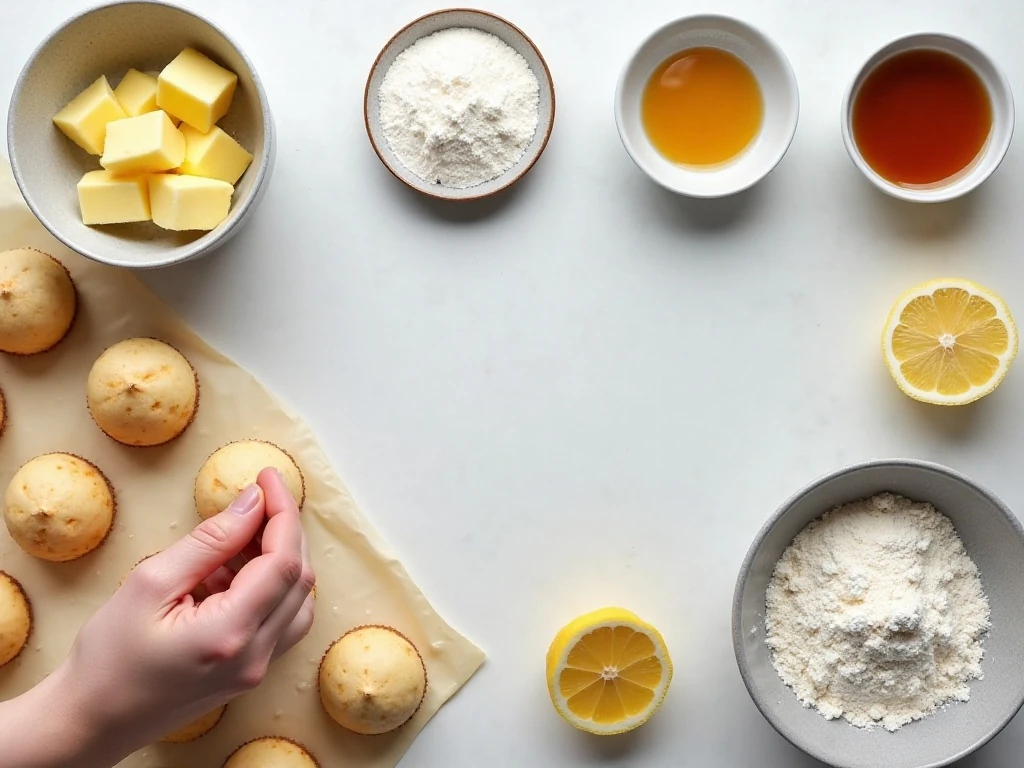
Use accurate measurements and good-quality butter for the most consistent result. The ingredient list is short, so each component has an important role in the final texture.
- Unsalted butter: Use 250 g softened butter for the cookies and another 60 g for the filling. Softened means cool and pliable, not glossy, oily, or partially melted.
- Icing sugar: The fine texture dissolves easily into the butter and keeps the dough smooth. It is used in both the cookies and the buttercream.
- Vanilla extract: One teaspoon adds warmth to the cookie dough. You may also add 1/2 teaspoon vanilla to the filling if you prefer a less citrus-forward flavor.
- Plain flour and cornflour: The recipe uses 225 g plain flour and 60 g cornflour/cornstarch. Sifting them together helps remove lumps and distributes the cornflour evenly.
- Lemon juice: Add 1–2 tablespoons to the filling, using just enough to make it thick and spreadable. Optional finely grated lemon zest intensifies the fresh citrus note.
For a savory idea to make after your cookie baking session, keep this lemon caper butter recipe in mind. Its bright lemon flavor is completely different from the sweet filling, but it is a useful way to enjoy the same fresh citrus character in dinner.
How to Make It Step-by-Step

Step 1: Heat the oven to 160°C fan-forced/320°F, or 170°C conventional/340°F. Line two baking trays with parchment so the cookies release easily and the bottoms do not become overly dark.
Step 2: Place the softened butter, 75 g icing sugar, and vanilla in a large mixing bowl. Beat until the mixture is pale, creamy, and smooth, scraping down the sides once or twice so the ingredients combine evenly.
Step 3: Sift the plain flour and cornflour together over a separate bowl or directly into the butter mixture. Add the dry ingredients gradually and mix only until no obvious streaks of flour remain; stop as soon as a soft dough forms.
Step 4: Shape the dough into small portions of approximately 2 teaspoons each, then roll them into balls and place them on the lined trays. Flatten each one lightly with a fork, or pipe the dough through a fluted star nozzle for the classic ridged appearance.
Step 5: Look at the dough before baking and chill the trays for 15–30 minutes if it feels warm, sticky, or difficult to shape. Chilling firms the butter and helps the cookies hold their ridges instead of spreading.
Step 6: Bake for 10–15 minutes, rotating the trays if your oven has hot spots. The cookies should be set and only very lightly golden around the edges, while the centers and tops should remain pale.
Step 7: Leave the baked cookies on the trays for several minutes because they will be fragile when hot. Transfer them carefully to a wire rack and allow them to cool completely before adding the filling.
Step 8: Beat the 60 g softened butter for the filling until smooth, then gradually beat in the 180 g icing sugar. Add 1 tablespoon lemon juice first, beat well, and add the second tablespoon only if needed to reach a thick, spreadable consistency.
Step 9: Match the cooled cookies in pairs according to size and shape. Pipe or spread buttercream onto the flat side of one cookie, place another cookie on top, and press very gently so the filling reaches the edge without cracking the biscuit.
Pro Tips for Delicate Cookies
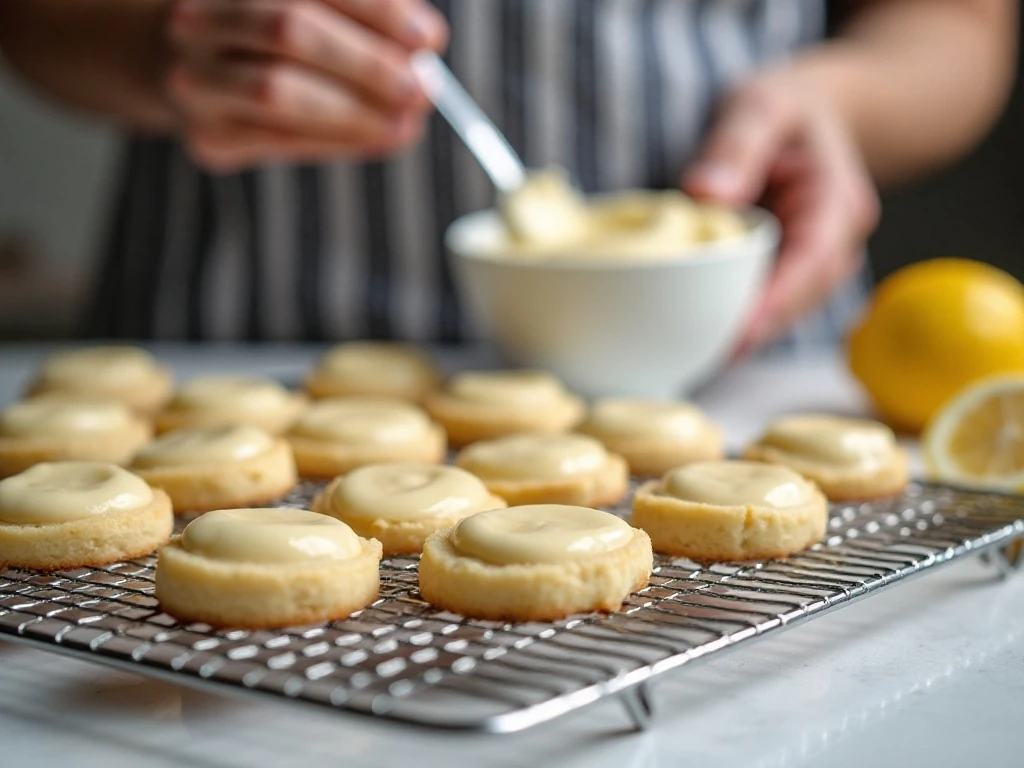
The temperature of the butter is one of the most important details. Properly softened butter should yield when pressed but should not look melted or greasy; overly warm butter can make piped cookies lose their shape during baking.
Once the flour and cornflour are added, mix with a light hand. Overmixing develops the flour and can produce cookies that are firm instead of tender and crumbly.
For the neatest results, pipe every cookie to the same size. Uniform portions bake at the same rate, making it easier to pair cookies into attractive sandwiches.
- Use two baking trays so the dough is not crowded and air can circulate around each cookie.
- Keep the cookies pale; excessive browning is a sign they may have baked too long.
- Cool completely before filling, or the buttercream may soften and slide.
- If the icing is too loose, add a little more icing sugar; if it is too stiff, add lemon juice a few drops at a time.
Do not be concerned if the cookies seem fragile when first removed from the oven. They firm as they cool, but their finished texture should remain delicate rather than crunchy or hard.
Serving Ideas and Pairings

Serve melting moments with tea, coffee, or a glass of cold milk. They are especially lovely arranged on a tiered stand for afternoon tea, baby showers, holiday gatherings, or a simple weekend dessert.
A light dusting of icing sugar gives the sandwiches a pretty finish, while a small amount of finely grated lemon zest in the filling makes the citrus aroma more noticeable. Keep the decoration restrained so the pale ridges and creamy center remain the focus.
For a fuller dessert table, pair these cookies with cherry cheesecake bars. The creamy fruit bars offer a richer, tangier contrast to the airy shortbread cookies.
If you are preparing a complete party menu, you can balance sweet treats with savory favorites such as easy air fryer meatballs. The cookies can then arrive at the end of the meal with coffee and tea.
Storage and Make-Ahead Advice

Store filled melting moments in an airtight container for 3–5 days. Keep them in a cool, dry place and arrange them in a single layer when possible so the ridged tops do not become marked.
Unfilled baked cookies can generally be kept for about 1 week. This is a useful make-ahead method: bake the cookies in advance, cool them completely, store them airtight, and add the filling before serving.
Always let the cookies cool fully before sealing them in a container. Trapped warmth can create condensation, which softens the crumb and reduces the crisp, delicate surface.
For a menu-planning idea that moves from a savory main to a sweet finish, consider serving grilled Hawaiian chicken sandwiches first and these lemon-filled cookies with tea afterward.
Common Questions About Melting Moments
Why did my cookies spread? The butter may have been too warm, or the shaped dough may have needed chilling. Chill the piped or rolled cookies for 15–30 minutes when they feel soft before placing them in the oven.
Why are my cookies brown? They may have baked too long or at an oven temperature that runs hot. These cookies should be set but remain pale, with only a very light golden color at the edges.
Can I pipe the dough? Yes. A fluted or star nozzle creates traditional ridges and gives the cookies a polished appearance. If the dough is difficult to pipe, check that the butter is softened and that the mixture has been fully combined without becoming warm.
How thick should the filling be? It should be thick enough to hold its shape between the cookies but soft enough to spread without cracking the biscuit. Add lemon juice gradually, because the amount needed can vary slightly depending on the butter and sugar.

Melt-in-Your-Mouth Melting Moments Cookies
Ingredients
Method
- Heat the oven to 160°C fan-forced/320°F, or 170°C conventional/340°F. Line two baking trays with parchment paper.
- Beat the softened butter, icing sugar, and vanilla until pale, smooth, and creamy.
- Sift the plain flour and cornflour together. Add the dry ingredients to the butter mixture and mix only until a soft dough forms.
- Pipe the dough with a star or fluted nozzle, or roll it into small balls of approximately 2 teaspoons each. Arrange on the prepared trays and flatten lightly with a fork.
- If the dough feels very soft, chill the shaped cookies for 15–30 minutes. Bake for 10–15 minutes, removing them while they remain pale and only very lightly golden at the edges.
- Cool the cookies on the trays for several minutes, then transfer them to a wire rack and cool completely.
- For the filling, beat the softened butter until smooth. Gradually add the icing sugar, then beat in enough lemon juice to create a thick, spreadable icing; add optional lemon zest or vanilla.
- Spread or pipe the filling onto the flat side of half the cookies. Top with the remaining cookies and dust with extra icing sugar if desired.
Notes
Final Thoughts
These melt-in-your-mouth melting moments cookies are proof that a short ingredient list can produce an exceptionally special treat. The cornflour gives the biscuits their fragile, tender crumb, while the lemon buttercream creates a bright, creamy center in every sandwich.
For the best result, use softened rather than melted butter, avoid overmixing, chill soft dough briefly, and remove the cookies while they are still pale. Once completely cool, fill them generously, dust them with icing sugar, and serve them with your favorite hot drink.
Whether you pipe elegant ridges or shape the dough with a fork, this classic cookie recipe is well worth making. Prepare a batch for guests, gifting, or a quiet afternoon when only a buttery, lemon-filled bite will do.
2 thoughts on “Melt-in-Your-Mouth Melting Moments Cookies Recipe”