This light and creamy peanut butter cupcakes recipe makes 12 tender cupcakes in about 20 minutes of preparation, with an 18–21 minute bake time at 350°F (175°C). The cupcakes use creamy peanut butter, buttermilk, butter, and two kinds of sugar for a soft crumb, then receive a pale, fluffy peanut-butter frosting that is rich without feeling heavy.
Every bite brings the familiar flavor of a peanut butter cup in a delicate cake form: nutty, buttery, lightly caramel-like, and finished with a smooth frosting that melts on the tongue. Add chopped peanut-butter cups, roasted peanuts, or a small chocolate drizzle for a bakery-style dessert that is perfect for birthdays, bake sales, holidays, or an everyday sweet craving.
Jump to RecipeWhy You’ll Love This Recipe
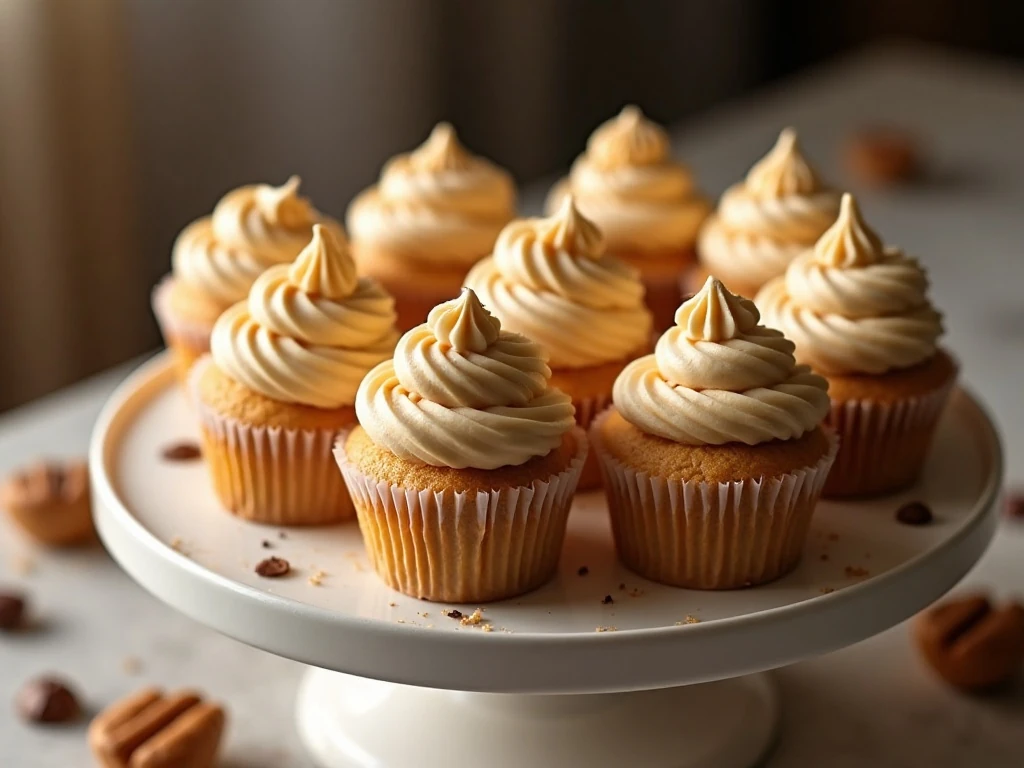
These cupcakes are made for peanut butter fans who want a dessert with plenty of flavor but a soft, airy finish. The cake is tender rather than dense because the butter is creamed with the sugars, the eggs are incorporated gradually, and buttermilk keeps the crumb moist.
The frosting is especially inviting. Peanut butter and butter provide a rich base, while sifted confectioners’ sugar and a small amount of cream create a smooth mixture that becomes pale and fluffy after several minutes of beating.
They are also easy to customize. Keep the tops simple for an elegant dessert, or add a chocolate drizzle and peanut-butter cup pieces when you want a familiar candy-shop finish.
If you love the candy combination used here, our homemade peanut butter cups make a wonderful companion dessert or garnish inspiration.
Ingredients You’ll Need
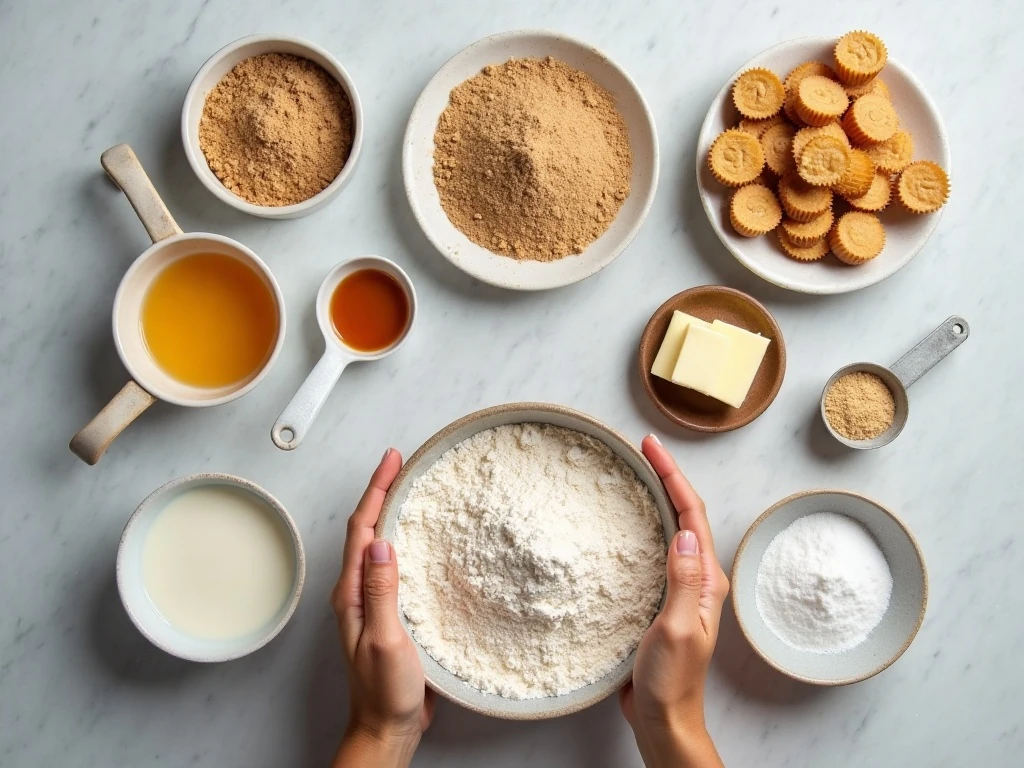
The cupcake batter begins with 1 3/4 cups (219 g) all-purpose flour, 1/2 teaspoon baking soda, and 1/2 teaspoon salt. These dry ingredients provide structure and balance the sweetness while allowing the cupcakes to rise gently.
For the creamy base, use 1/2 cup (113 g) softened unsalted butter, 1/2 cup (100 g) granulated sugar, and 1/2 cup (100 g) packed light brown sugar. The combination gives the cupcakes clean sweetness with a subtle molasses note.
You will also need two room-temperature large eggs, 3/4 cup (about 190 g) creamy peanut butter, 1 teaspoon vanilla extract, and 1/2 cup (120 ml) buttermilk. Regular creamy peanut butter is the best choice because natural varieties that separate can make the batter or frosting oily and unstable.
For the frosting, gather 1/2 cup (113 g) softened unsalted butter, 3/4 cup (about 190 g) creamy peanut butter, 2 cups (240 g) sifted confectioners’ sugar, 2–3 tablespoons heavy cream or milk, and 1 teaspoon vanilla extract. Add a pinch of salt if your peanut butter is unsalted and needs a little more contrast.
For decoration, set aside mini peanut-butter cups or chopped peanut-butter cups, melted chocolate, and chopped roasted peanuts. You can use one topping or combine all three for a dramatic finish.
How to Make It Step-by-Step
Step 1: Heat the oven to 350°F (175°C), then line a 12-cup muffin pan with paper liners. Preparing the pan first means the batter can go straight into the oven once it is mixed, which helps preserve its light texture.
Step 2: Whisk the flour, baking soda, and salt together in a medium bowl. Breaking up any small lumps now distributes the leavening and salt evenly through the batter.
Step 3: Place the softened butter, granulated sugar, and packed brown sugar in a large mixing bowl. Beat for 2–3 minutes, until the mixture looks lighter in color and noticeably fluffy; this step helps create a tender crumb.
Step 4: Beat in the creamy peanut butter until smooth, then add the eggs one at a time. Let the first egg blend in before adding the second, and finish by mixing in the vanilla extract.
Step 5: Add the dry ingredients in two or three additions, alternating with the buttermilk. Begin and finish with the dry ingredients, mixing only until no visible streaks remain so the cupcakes stay soft instead of chewy.
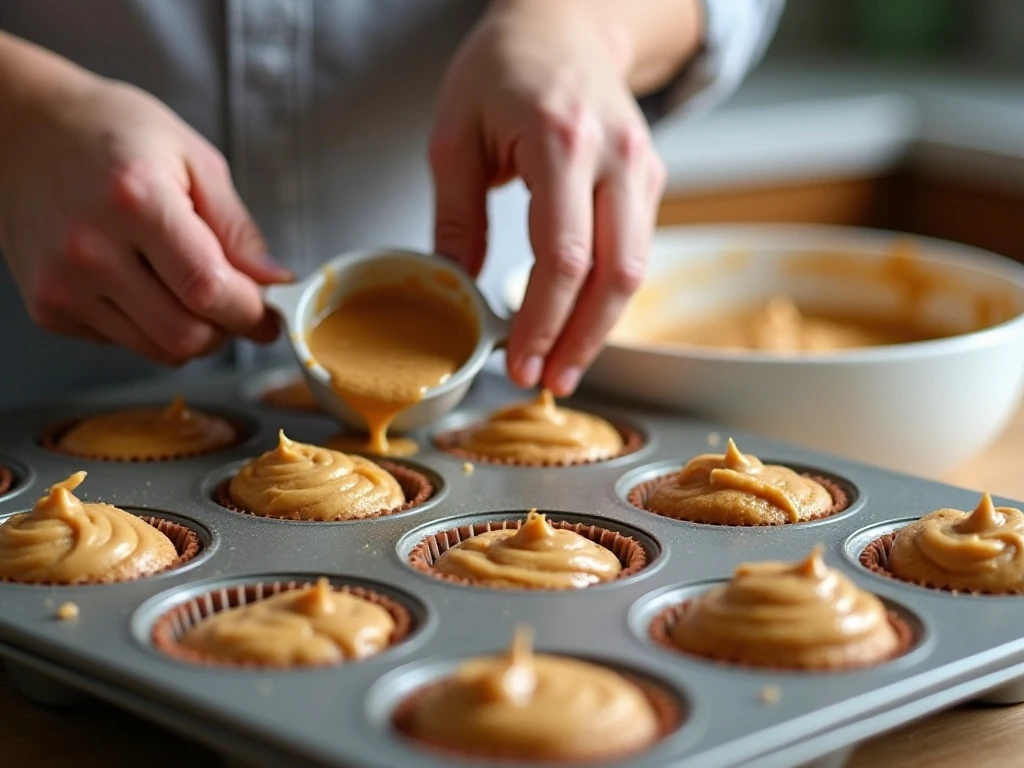
Step 6: Divide the batter evenly among the prepared liners, filling each about two-thirds full. An even portion in every cup helps the batch bake at the same rate and gives you twelve matching cupcakes.
Step 7: Bake for 18–21 minutes. The tops should spring back lightly when touched, and a toothpick inserted in the center should come out with a few moist crumbs rather than wet batter.
Step 8: Let the cupcakes cool in the pan for about 5 minutes, then transfer them to a wire rack. Allow them to cool completely before frosting, since even slightly warm cake can soften or melt the buttercream.
Step 9: To make the frosting, beat the softened butter and peanut butter together until completely smooth. Gradually beat in the sifted confectioners’ sugar, vanilla, and salt, scraping the bowl as needed.
Step 10: Add the heavy cream or milk a little at a time, then beat the frosting for 2–3 minutes until pale, fluffy, and spreadable. Pipe or spread it over the fully cooled cupcakes, then finish with your chosen decorations.
Pro Tips for Soft Cupcakes and Fluffy Frosting
Start with room-temperature butter, eggs, and buttermilk. Cold ingredients can resist blending, while ingredients at a similar temperature produce a smoother batter and help the butter-and-sugar mixture hold the air needed for a lighter cake.
Do not overmix after the flour is added. A few small, moist-looking streaks may disappear with the final folds, and stopping as soon as the batter is combined protects the delicate texture.
Watch the cupcakes closely near the end of baking. Peanut-butter cakes can dry out quickly, so remove them as soon as the tops spring back lightly and the tester shows moist crumbs.
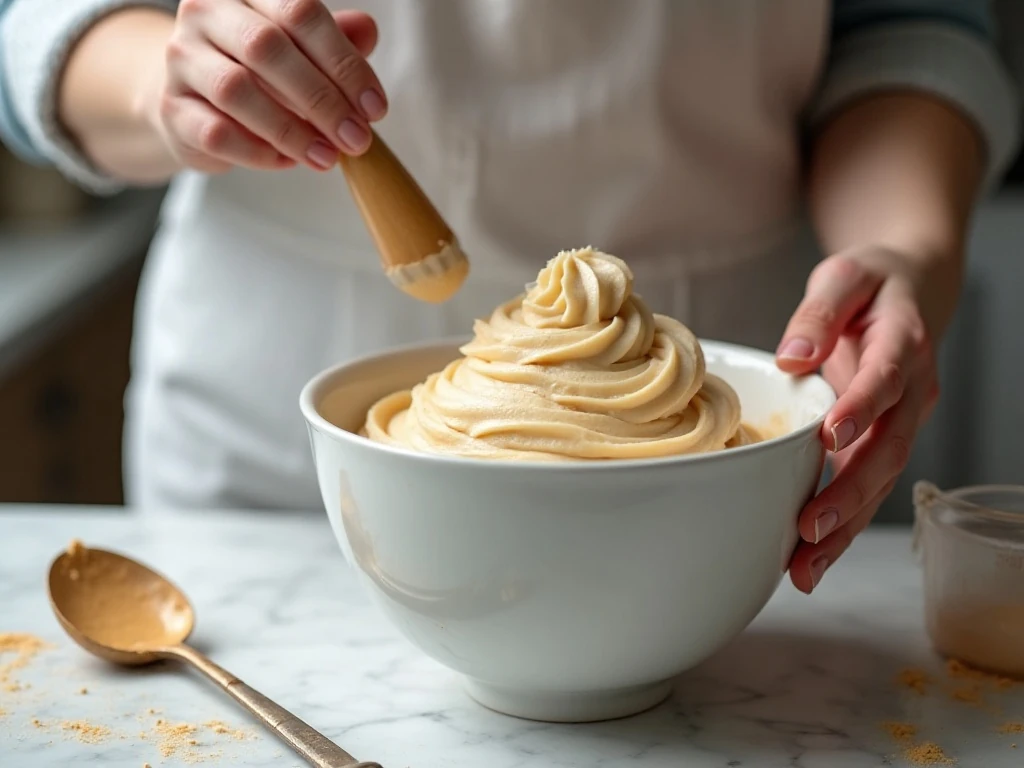
For the frosting, sift the confectioners’ sugar before adding it. Beat for the full 2–3 minutes after adding the cream or milk; that extra mixing time is what gives the frosting its characteristic light, creamy appearance.
If the frosting seems too thick, add the liquid gradually rather than all at once. If it becomes softer than you prefer, a little additional sifted confectioners’ sugar can help it reach a spreadable consistency.
For another peanut butter dessert idea with a crisp, chewy texture, take a look at these easy peanut butter cookies. They are also excellent alongside cupcakes on a dessert tray.
Decorating and Serving Ideas
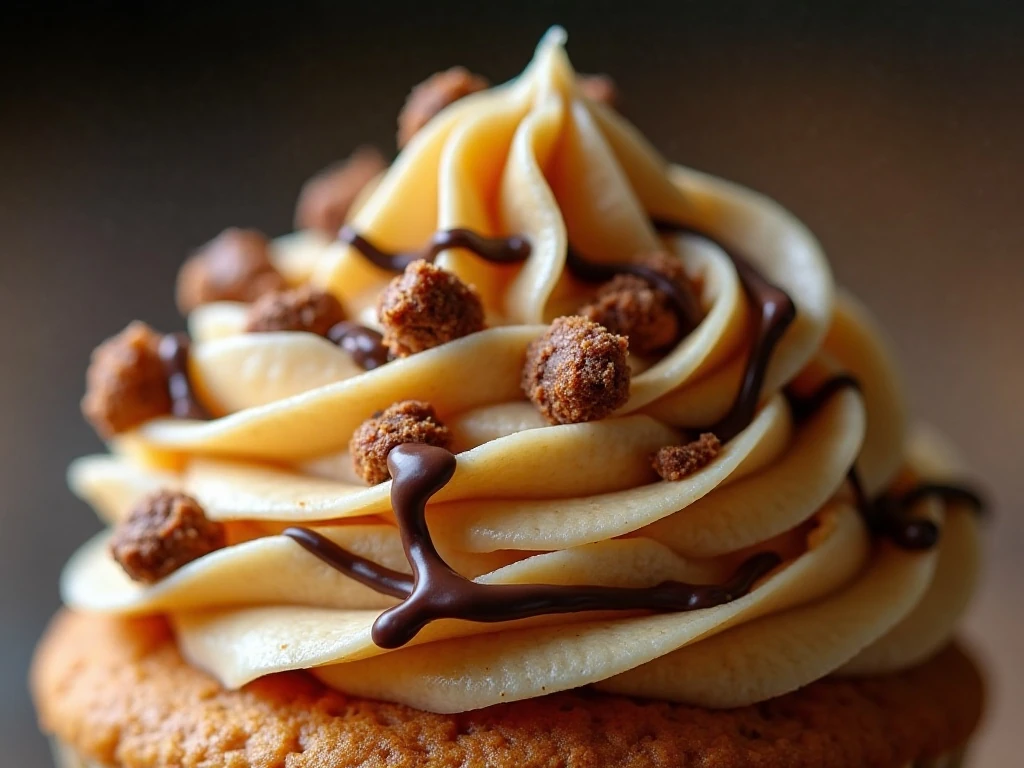
A generous swirl of peanut-butter frosting is enough to make these cupcakes look special. Use a piping bag with a star tip for ridged peaks, or spread the frosting with a small offset spatula for a relaxed homemade finish.
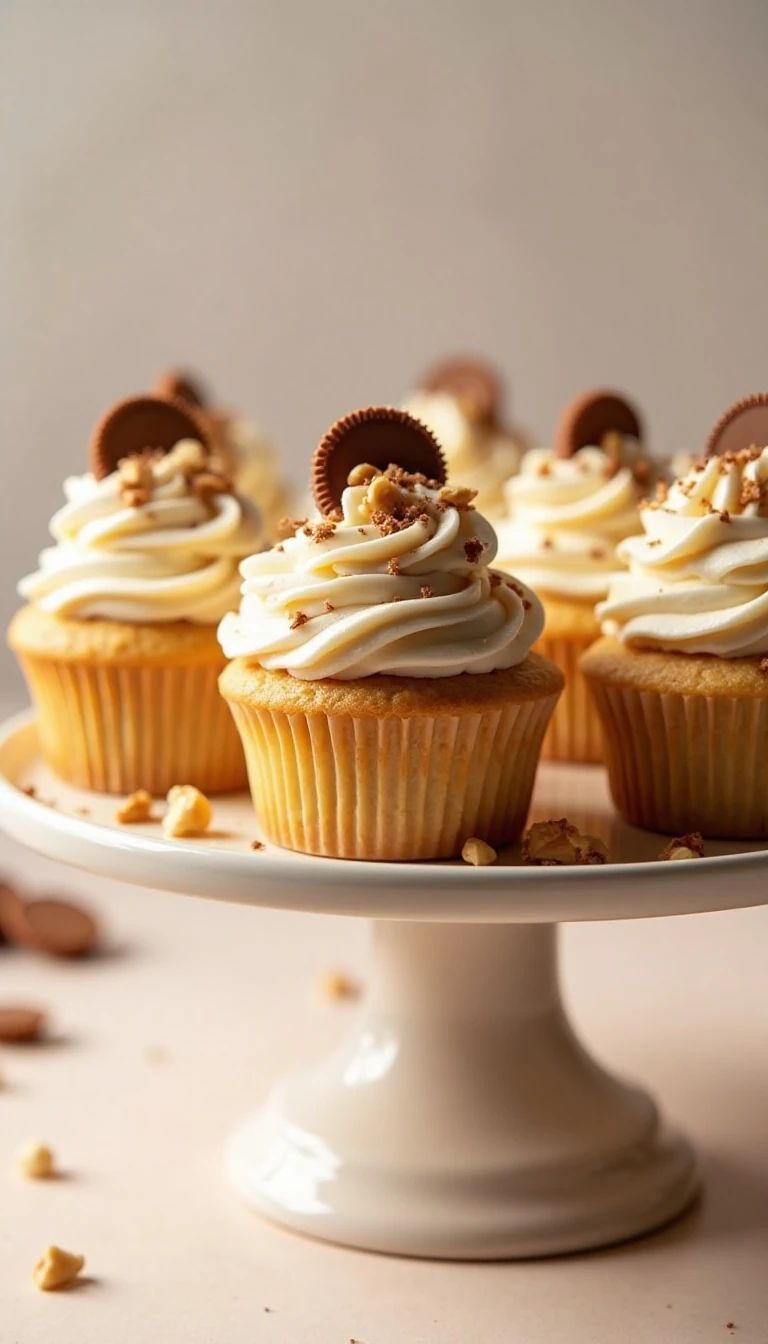
For a peanut-butter cup effect, place a mini peanut-butter cup on each frosting swirl or scatter chopped pieces over the top. A thin drizzle of melted chocolate adds color and a gentle bittersweet note without overwhelming the peanut butter.
Chopped roasted peanuts bring a pleasant crunch and make the creamy frosting feel even more indulgent. Add them immediately after drizzling the chocolate so they stick before it sets.
These cupcakes pair nicely with coffee, cold milk, or a scoop of vanilla ice cream. If you are building a larger cookie-and-cake spread, our peanut butter sandwich cookies offer a lovely contrast in shape and texture.
Storage and Make-Ahead Advice
Store frosted cupcakes in an airtight container at room temperature for a short serving window, provided your kitchen is comfortably cool. For longer storage, refrigerate them in a covered container, then let them sit at room temperature before serving so the frosting softens.
The unfrosted cupcakes can be prepared ahead and kept tightly covered until you are ready to decorate. The frosting can also be made in advance; bring it to a workable temperature and beat it briefly before piping if it has become firm.
Do not frost warm cupcakes, and avoid leaving the finished cakes uncovered. Exposure to air can dry the peanut-butter crumb and form a crust on the buttercream.
For a different chocolate-and-cupcake idea, you can also browse this chocolate bark cupcake recipe. It brings a contrasting style to a dessert table while keeping cupcakes at the center.
Troubleshooting Common Problems
If the cupcakes sink, the batter may have been overmixed, the oven may not have been fully heated, or the cakes may have been removed before the center was set. Use the spring-back test and a toothpick with a few moist crumbs as your guide.
If the crumb feels dry, the most likely cause is overbaking. Peanut butter absorbs moisture, so begin checking near the 18-minute mark and remove the cupcakes promptly when they are ready.
If the frosting looks greasy, check that you used regular creamy peanut butter rather than a separated natural variety. Also make sure the butter was softened but not melted, and beat the mixture thoroughly after adding the liquid.
If you would like a fruit-forward spread to serve with your peanut butter desserts, our apple butter recipe offers a warmly spiced option for toast, pastries, and snack boards.
Light and Creamy Peanut Butter Cupcakes
Ingredients
Method
- Heat the oven to 350°F (175°C) and line a 12-cup muffin pan with paper liners.
- Whisk the flour, baking soda, and salt together in a medium bowl.
- Beat the softened butter, granulated sugar, and brown sugar for 2–3 minutes, until light and fluffy.
- Beat in the peanut butter, add the eggs one at a time, and mix in the vanilla extract.
- Add the dry ingredients in two or three additions, alternating with the buttermilk. Mix only until combined.
- Divide the batter evenly among the liners, filling each about two-thirds full.
- Bake for 18–21 minutes, until the tops spring back lightly and a toothpick comes out with a few moist crumbs.
- Cool the cupcakes in the pan for about 5 minutes, then transfer them to a rack to cool completely.
- Beat the frosting butter and peanut butter until smooth. Gradually add the confectioners’ sugar, vanilla, and salt.
- Add the cream or milk a little at a time and beat for 2–3 minutes, until pale, fluffy, and spreadable. Frost only completely cooled cupcakes.
Notes
Final Thoughts
These light and creamy peanut butter cupcakes deliver everything that makes the classic peanut butter-and-chocolate pairing so appealing, while keeping the cake soft and the frosting airy. The buttermilk crumb is tender, the peanut butter flavor is clear, and the whipped frosting adds a smooth finish that feels special without requiring difficult techniques.
For the best result, measure carefully, use room-temperature ingredients, choose regular creamy peanut butter, and resist the urge to overbake. Once the cupcakes are fully cool, decorate them with peanut-butter cups, chocolate, roasted peanuts, or a simple frosting swirl.
Make a batch for your next celebration, or keep the recipe nearby whenever you want a reliable homemade dessert with nostalgic flavor. Twelve cupcakes disappear quickly, so do not be surprised if everyone asks for one more.
1 thought on “Light and Creamy Peanut Butter Cupcakes Recipe”