This homemade marinara recipe tastes like Italy because it keeps the ingredient list simple and lets each component shine. Extra-virgin olive oil, sweet softened onion, gently cooked garlic, quality canned tomatoes, oregano, and fresh basil simmer together in just 25 to 35 minutes for about 4 cups of rich, bright sauce—enough for approximately 1 pound of pasta.
The result is silky but pleasantly rustic, with balanced tomato acidity, fragrant garlic, a gentle herbal finish, and just enough heat if you choose to add red pepper flakes. Serve it with spaghetti, penne, meatballs, chicken, vegetables, or crusty bread, and you will have a dependable Italian-American classic ready for a weeknight dinner or a relaxed Sunday meal.
Jump to RecipeWhy You’ll Love This Recipe
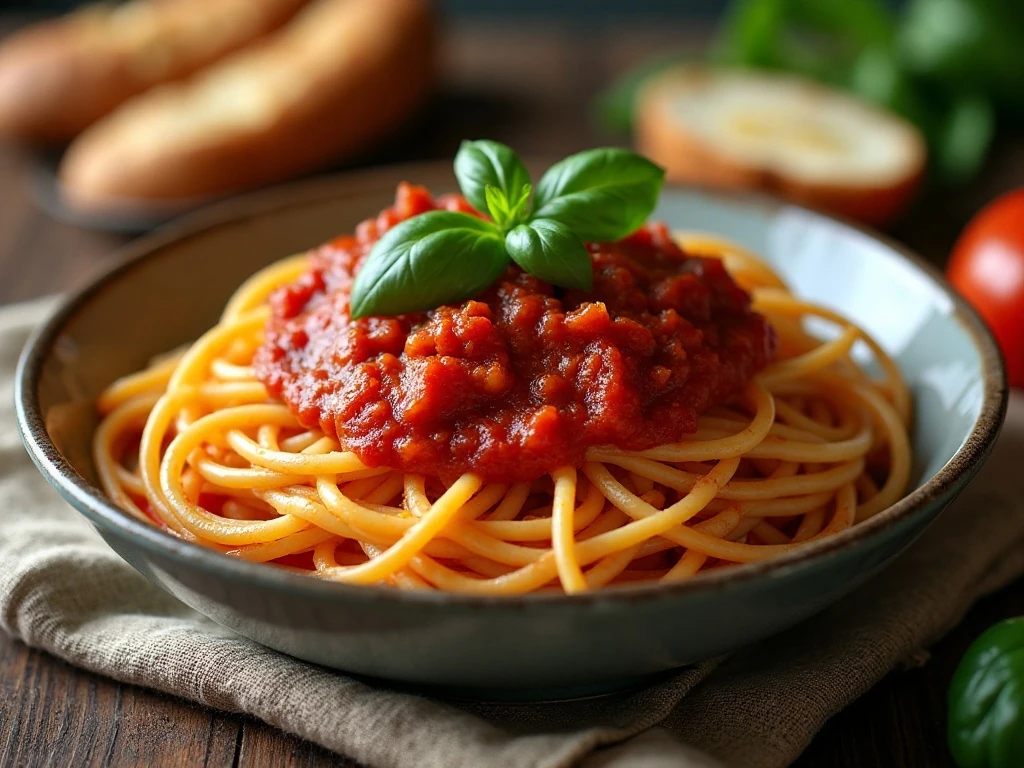
There is a special pleasure in making marinara from scratch, especially when the recipe is uncomplicated enough for a busy evening. This version uses pantry staples and a short cooking time, yet it tastes far more rounded and aromatic than many jarred sauces.
The flavor comes from technique rather than a long ingredient list. The onion is cooked slowly until tender, the garlic is added late so it stays sweet and fragrant, and the tomatoes simmer uncovered until their natural juices become a concentrated sauce.
- Fast: Prep takes 10 minutes, and the sauce cooks in 25 to 35 minutes.
- Flexible: Keep it chunky, blend it smooth, or adjust the heat with red pepper flakes.
- Practical: One batch makes about 4 cups, enough for approximately 1 pound of pasta.
- Freezer-friendly: Store extra sauce for a future dinner when you need something comforting quickly.
For an easy meal-planning pairing, serve this marinara with pasta and a simple salad. If you enjoy quick comfort-food recipes, you may also like our fast macaroni and cheese for another cozy dinner idea.
Ingredients You’ll Need
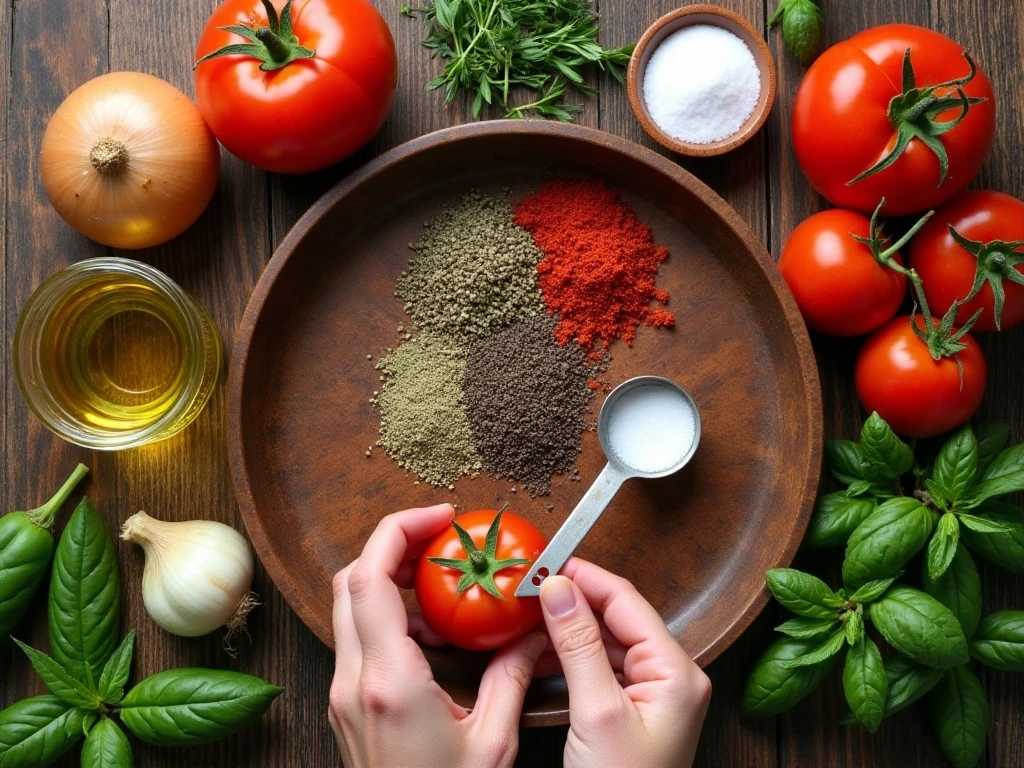
Choose the best tomatoes you can find. San Marzano tomatoes are a popular choice because they often have a pleasing balance of sweetness and acidity, but any good-quality whole peeled or crushed canned tomatoes will work well.
Whole tomatoes give you control over the final texture. Crush them by hand or with a potato masher while keeping their juices; crushed tomatoes are convenient when you want to skip that step.
- Olive oil: Use 1/4 cup of extra-virgin olive oil for a fruity foundation.
- Aromatics: One small yellow onion and four garlic cloves create depth without overpowering the tomatoes.
- Herbs: Dried oregano adds background warmth, while fresh basil gives the finished sauce its unmistakable Italian fragrance.
- Seasoning: Kosher salt and freshly ground black pepper sharpen the tomato flavor. Red pepper flakes are optional.
- Balancing ingredient: Add 1 teaspoon sugar only when the tomatoes taste noticeably acidic or sharp.
Fresh Italian parsley is optional, but 2 tablespoons stirred in at the end can add a fresh green note. Avoid adding too many dried herbs; the tomatoes, olive oil, garlic, and basil should remain the dominant flavors.
How to Make It Step-by-Step
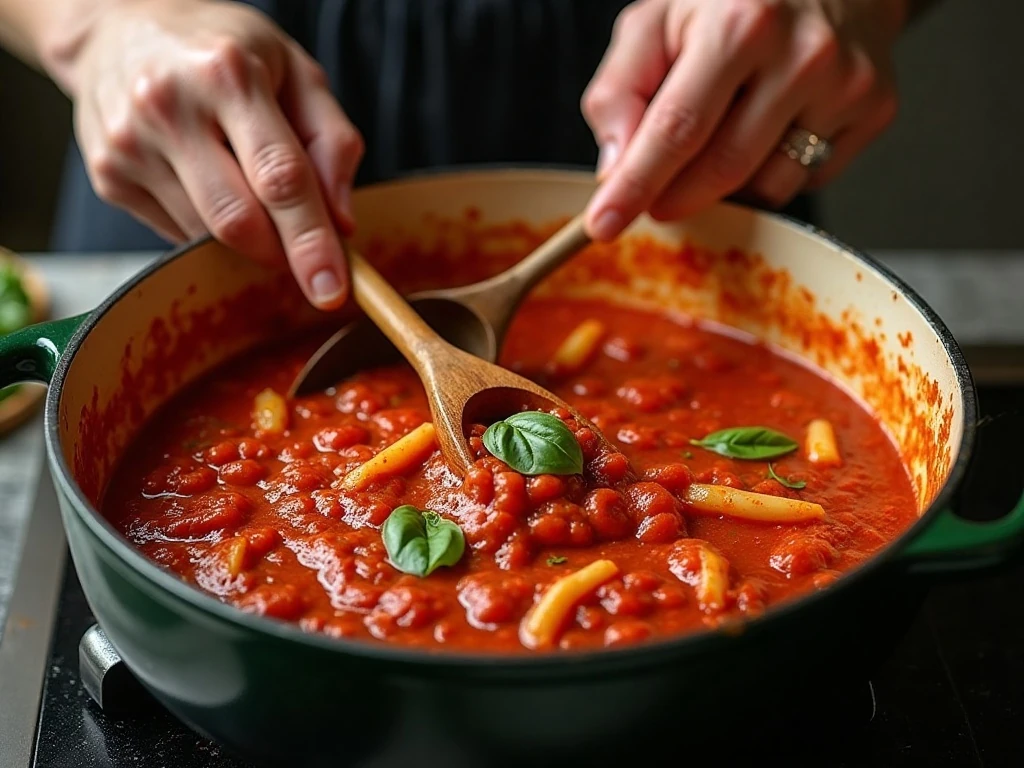
Step 1: Prepare the tomatoes before turning on the stove. If you are using whole peeled tomatoes, place them in a bowl and crush them by hand or with a potato masher, keeping every drop of juice for the saucepan.
Step 2: Warm the extra-virgin olive oil in a medium saucepan or Dutch oven over medium heat. Add the finely diced onion and cook for 5 to 7 minutes, stirring occasionally, until it becomes soft and translucent; it should not brown.
Step 3: Add the sliced or minced garlic after the onion has softened. Cook for only 30 to 60 seconds, stirring constantly, until fragrant, because darkened garlic can make the entire sauce bitter.
Step 4: Pour in the tomatoes and their juices, then stir in the kosher salt, dried oregano, freshly ground black pepper, and optional red pepper flakes. Scrape the bottom of the pan gently so the aromatic olive oil is incorporated into the tomatoes.
Step 5: Bring the mixture to a gentle simmer, then reduce the heat to low. Cook uncovered for 20 to 30 minutes, stirring occasionally, until the sauce thickens and the flavor tastes fuller and more tomato-forward.
Step 6: Add the basil during the final 5 minutes of cooking so its aroma remains lively. Alternatively, remove the pan from the heat and stir in fresh torn basil at the end; add dried basil instead if fresh is unavailable.
Step 7: Taste the sauce carefully and adjust the salt. If it still tastes noticeably sharp or acidic, stir in the optional 1 teaspoon sugar, but do not add it automatically because well-balanced tomatoes may not need it.
Step 8: Decide on the texture you want. Leave the marinara chunky for a rustic sauce, or use an immersion blender briefly for a smoother finish; blend cautiously to avoid splashing hot sauce.
Step 9: Toss the sauce with cooked pasta instead of simply spooning it on top. Add a small amount of pasta water as you toss, allowing the sauce to loosen and cling to every noodle.
Pro Tips for Rich, Balanced Marinara
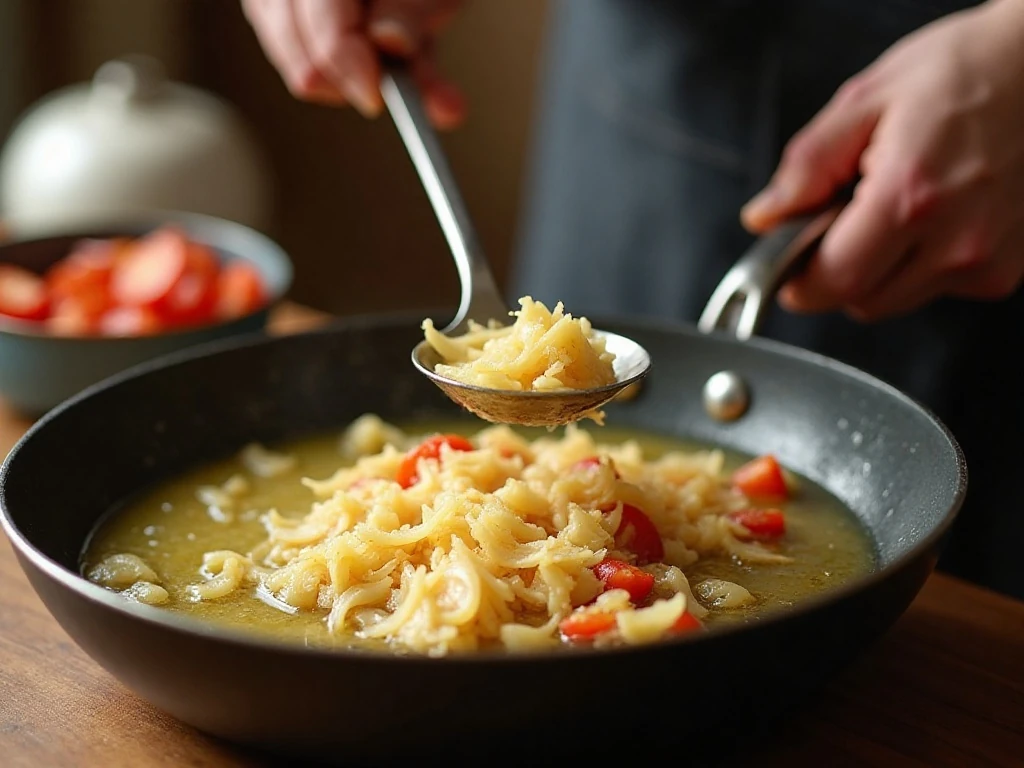
The most important detail is gentle garlic cooking. Adding garlic after the onion means it spends less time in the pan, so it perfumes the oil without turning harsh or bitter.
A wide pan is useful because it gives the tomatoes more surface area. Simmering uncovered lets excess moisture evaporate and concentrates the flavor without requiring a long cooking session.
- Keep the heat low once the sauce reaches a simmer; aggressive boiling can make the sauce splatter and cook unevenly.
- Stir every few minutes, especially around the edges and bottom of the pan.
- Do not over-season at the beginning. Taste near the end, when the sauce has reduced and the flavors are easier to judge.
- Finish with fresh basil for fragrance, and add optional parsley only if you want a brighter herbal note.
- Use pasta water sparingly. A splash is helpful, but too much can make the sauce thin.
Some cooks add 1 tablespoon of tomato paste for a deeper, more concentrated flavor. That is a welcome variation, but this standard recipe does not require it; the quality of the canned tomatoes and the uncovered simmer provide plenty of character.
Serving Ideas for Homemade Marinara
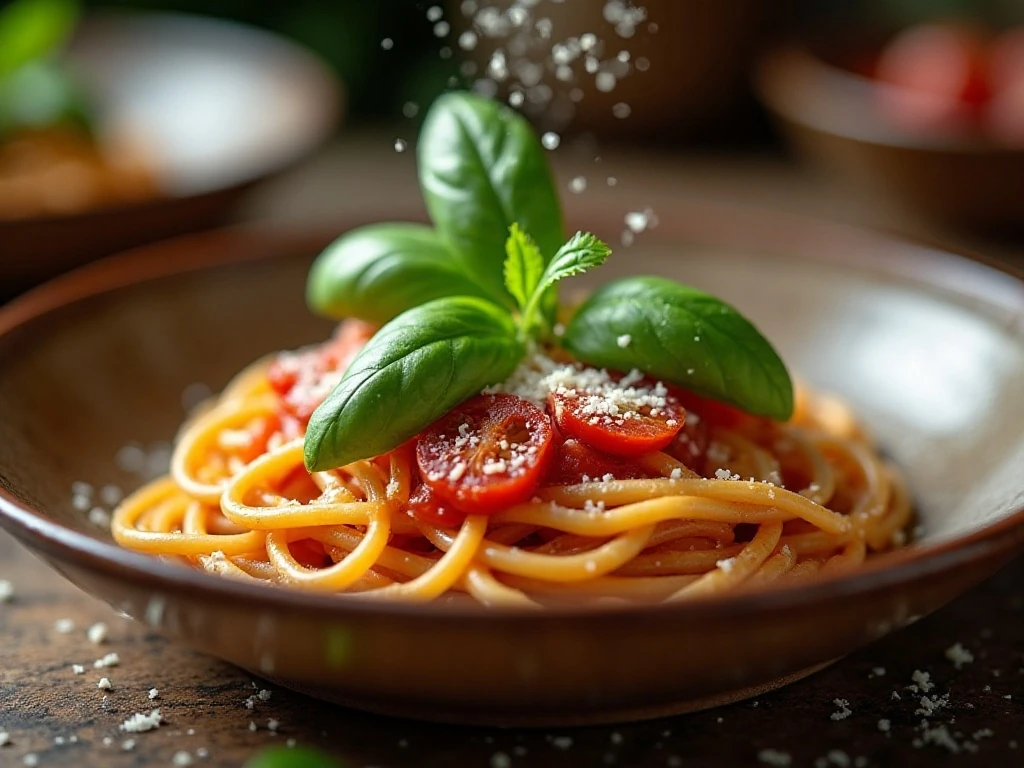
Classic spaghetti is the obvious partner, but this sauce is equally good with penne, rigatoni, linguine, or tender cheese ravioli. It also makes a flavorful base for meatballs, baked pasta, eggplant, chicken, or roasted vegetables.
For the best pasta texture, cook the noodles until just shy of fully tender, then transfer them to the saucepan. Toss over low heat with a splash of pasta water until the sauce coats the pasta rather than pooling beneath it.
Finish each bowl with torn basil, a drizzle of olive oil, or freshly grated Parmesan if desired. A piece of warm crusty bread is ideal for catching every last spoonful.
After a savory Italian dinner, a small sweet treat can round out the table. Try our quick homemade chocolate sauce over fruit or ice cream, or make a single-serving chocolate mug cake when you want dessert without a long baking project.
Storage, Freezing, and Reheating
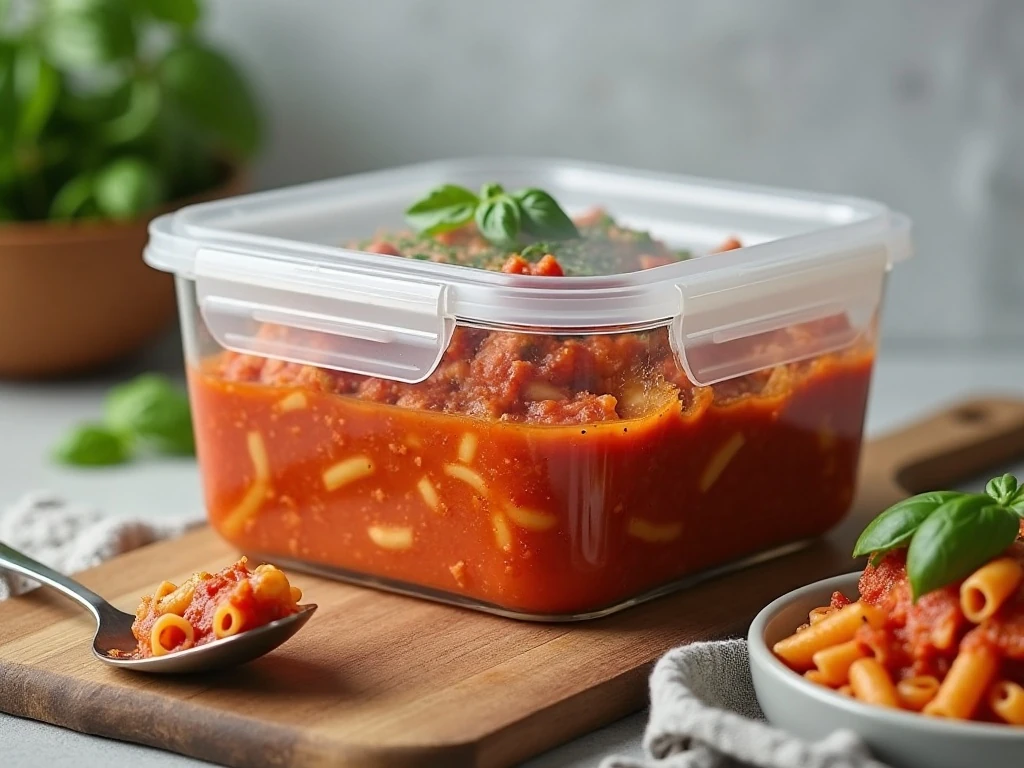
Cool leftover marinara promptly, then transfer it to a covered container and refrigerate for up to 4 days. The sauce may thicken as it chills, so reheat it gently in a saucepan with a small splash of water if needed.
To freeze the sauce, let it cool completely before placing it in a freezer-safe container, leaving a little room for expansion. It can be frozen for up to 3 months; thaw it in the refrigerator overnight or warm it slowly from frozen in a saucepan.
When reheating, use low to medium-low heat and stir occasionally. If the sauce tastes flat after storage, refresh it with a little fresh basil, a drizzle of olive oil, or a small adjustment of salt rather than adding many new seasonings.
Related Homemade Treats
This marinara is a savory staple worth keeping in rotation, and a well-stocked recipe collection also needs a few easy sweets for weekends and holidays. Our homemade pumpkin fudge is a rich seasonal option, while these pumpkin cinnamon rolls make a welcoming breakfast or brunch bake.
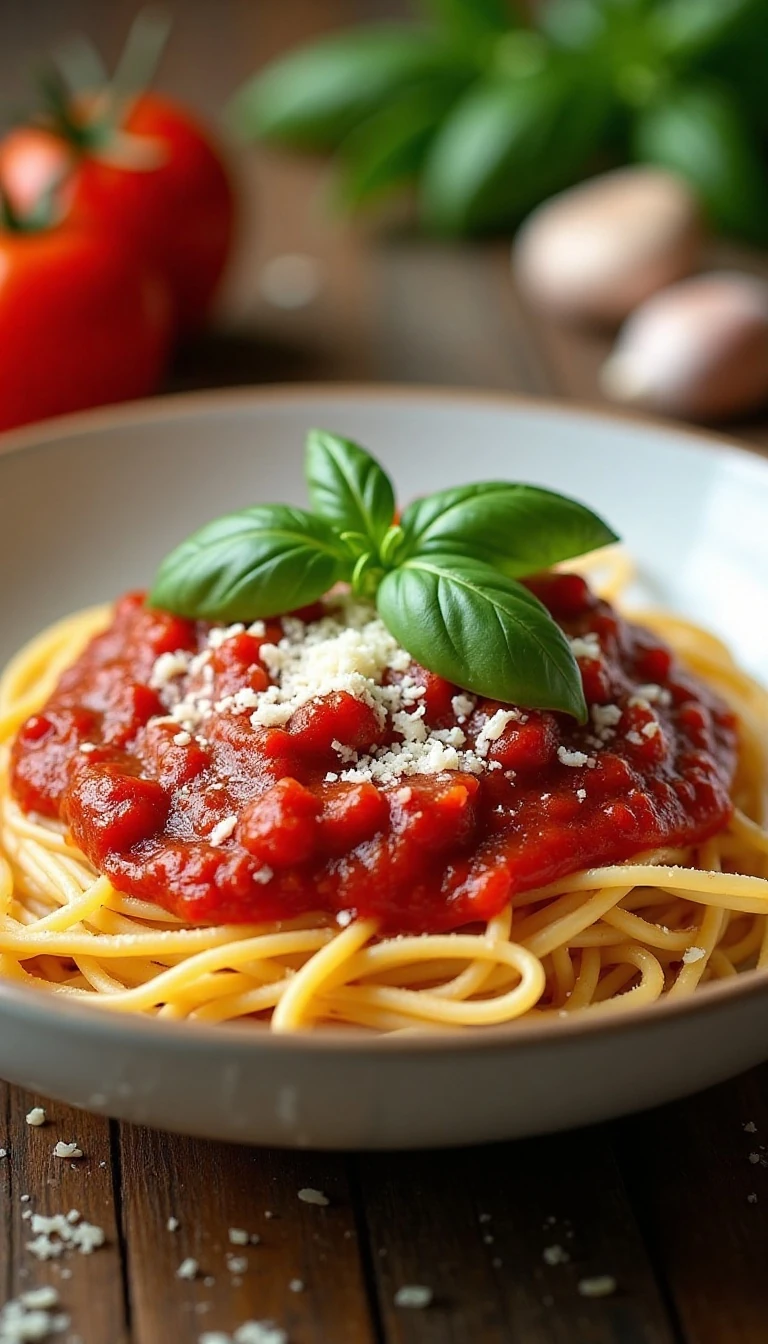
Homemade Marinara Recipe That Tastes Like Italy
Ingredients
Method
- If using whole tomatoes, crush them by hand or with a potato masher, keeping all of the juices.
- Heat the olive oil in a medium saucepan or Dutch oven over medium heat. Add the diced onion and cook for 5 to 7 minutes, stirring occasionally, until soft and translucent but not browned.
- Add the garlic and cook for 30 to 60 seconds, just until fragrant. Do not let the garlic darken.
- Stir in the tomatoes, kosher salt, dried oregano, black pepper, and optional red pepper flakes.
- Bring the sauce to a gentle simmer, reduce the heat to low, and cook uncovered for 20 to 30 minutes, stirring occasionally.
- Stir in the basil during the final 5 minutes, or add fresh basil after removing the pan from the heat. Taste and adjust the salt, adding sugar only if the sauce remains noticeably sharp or acidic.
- Leave the sauce chunky for a traditional rustic texture, or blend briefly with an immersion blender for a smooth sauce.
- Toss the finished sauce with cooked pasta, adding a small amount of pasta water to loosen it if necessary.
Notes
Final Thoughts
This homemade marinara proves that excellent sauce does not require complicated ingredients or hours at the stove. Give the onion time to soften, protect the garlic from browning, simmer the tomatoes uncovered, and finish with basil for a sauce that is bright, savory, fragrant, and deeply satisfying.
Make it rustic or smooth, spicy or mild, and serve it with your favorite pasta while it is hot. Once you taste the fresh difference, this simple 4-cup batch is likely to become the sauce you reach for whenever dinner needs a comforting Italian touch.