The quickest way to freeze tomatoes whole is to wash and dry ripe tomatoes, remove the stems and tough stem cores, freeze them in a single layer until solid, and then pack them into airtight freezer bags or containers. You need only 2½ pounds of tomatoes for approximately 1 quart of frozen tomatoes, and no salt, oil, water, or blanching is required.
This easy method takes just 10–15 minutes of preparation and about 4–6 hours of freezing time, preferably overnight. Once thawed, the tomatoes become soft and watery, but their bright garden flavor is wonderful in soups, sauces, stews, braises, and other cooked dishes; the loosened skins can be slipped off easily.
Jump to RecipeWhy You’ll Love This Recipe
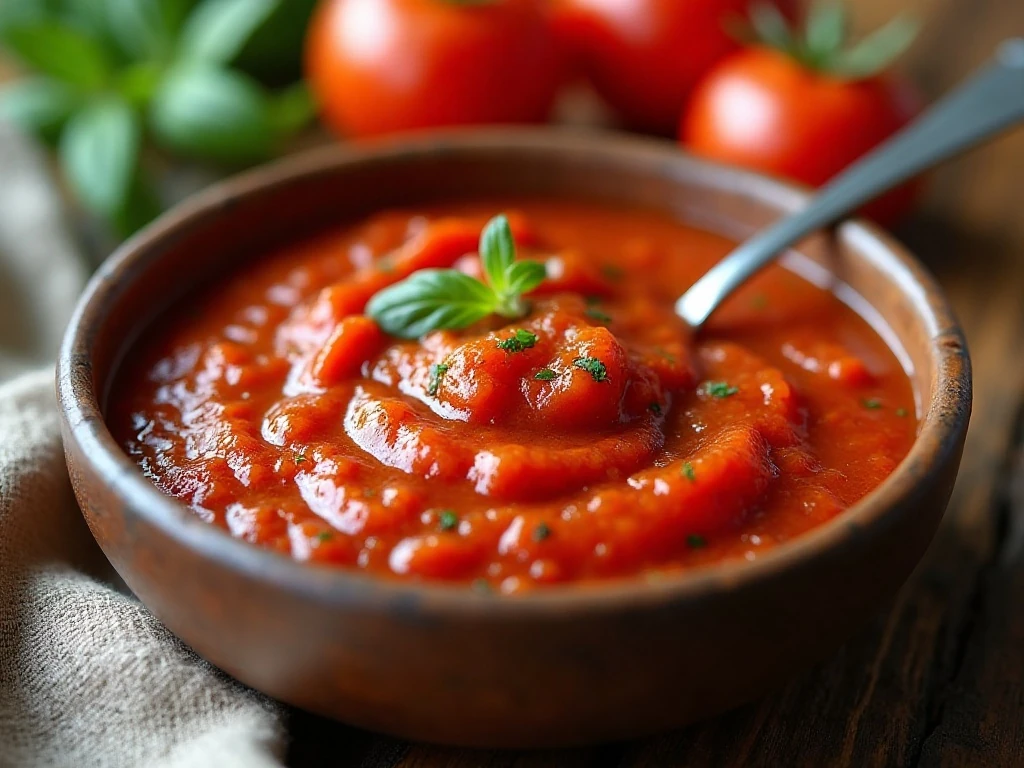
When the garden, farmers market, or grocery store gives you more tomatoes than you can use, whole-tomato freezing is one of the least complicated ways to save them. There is no boiling water, ice bath, peeling session, seasoning, or cooking involved.
The method preserves the tomatoes in a practical form for future meals. You can pull out only what you need for a pot of soup or a simmering sauce instead of letting extra tomatoes become overripe on the counter.
Because the tomatoes are frozen whole, their fresh texture will not survive intact. That is perfectly fine for recipes where tomatoes are cooked down, blended, braised, or simmered until tender.
If you are preparing a comforting dinner to use your freezer tomatoes, they would be right at home in a hearty meal such as our easy Salisbury steak.
Ingredients You’ll Need
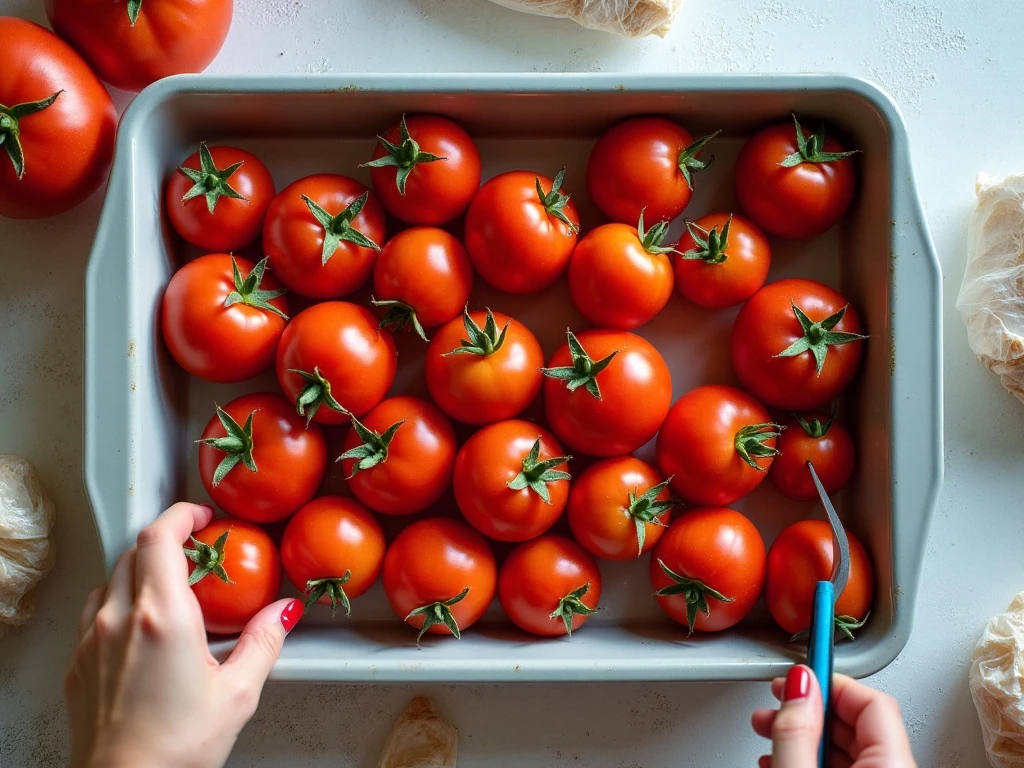
The ingredient list is wonderfully short: 2½ pounds of ripe, firm tomatoes. That amount yields approximately 1 quart of frozen tomatoes, although the exact volume can vary slightly with tomato size and shape.
- Tomatoes: Choose ripe tomatoes that feel firm and look clean and healthy.
- Freezer bags or containers: Use airtight packaging suitable for freezer storage.
- No extras needed: Do not add salt, oil, water, or any other ingredient for this method.
Roma tomatoes and other meaty varieties are especially useful because they contain plenty of flesh, but this technique works with any ripe tomato. Avoid fruit with bruises, cracks, mold, or soft spots, since freezing will not improve damaged produce.
For a broader freezer-friendly cooking idea, our guide to easy freezer-friendly cookies offers another simple make-ahead option.
How to Make It Step-by-Step
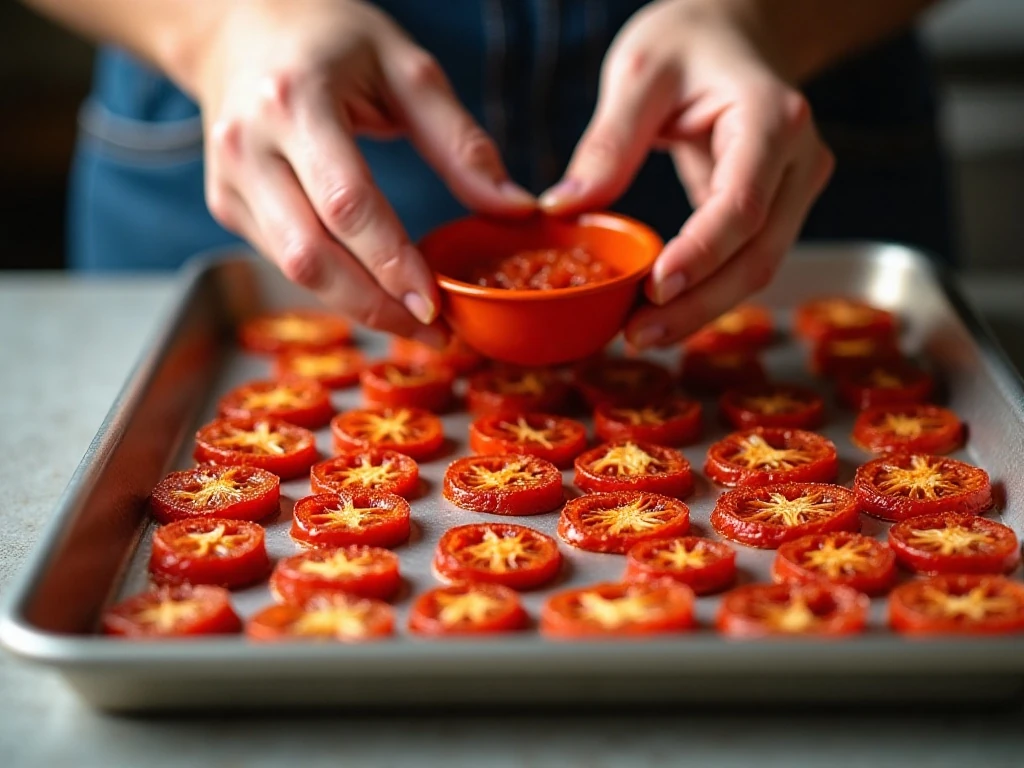
Step 1: Sort the tomatoes before washing them. Select ripe, sound fruit and discard or set aside any tomato with mold, deep cracks, bruises, or soft spots so only the best produce goes into the freezer.
Step 2: Wash the tomatoes thoroughly under cool running water. Dry every tomato completely with clean towels, paying attention to the stem end and any creases where water may collect; surface moisture can create ice crystals and cause the tomatoes to stick together.
Step 3: Remove the stem from each tomato and cut away the tough stem core if one is present. Leave the tomatoes whole rather than slicing or chopping them, since the intact shape makes this preparation especially quick.
Step 4: Arrange the tomatoes in a single layer on a rimmed baking sheet or tray. Leave a little room between them when possible, then place the tray in the freezer for 4–6 hours, or preferably overnight, until the tomatoes are solid all the way through.
Step 5: Once frozen, transfer the tomatoes to airtight freezer bags or containers. Press or squeeze out as much excess air as possible, seal securely, label with the date, and return the package to the freezer.
Step 6: When you are ready to cook, thaw the tomatoes in the refrigerator, or add them frozen directly to soups, sauces, stews, and braises. After thawing, the skins will loosen and can be slipped off easily before the tomatoes go into the recipe.
Choosing and Preparing the Best Tomatoes
Flavor starts with the tomatoes you freeze. Choose fruit that smells pleasantly tomato-like, has good color for its variety, and feels ripe but not collapsing under gentle pressure.
Roma tomatoes are a reliable choice because they are meaty and well suited to sauces. Juicier slicing tomatoes also work, particularly when their final destination is soup, stew, or a sauce where extra liquid can simmer away.
Do not freeze tomatoes that are already spoiled in the hope that cooking will make them safe or delicious. Freezing pauses quality changes; it does not repair mold, fermentation, or extensive damage.
For a breakfast or brunch that uses another make-ahead staple, you can also make crisp bacon the easy way while a tomato-based dish simmers.
Why Single-Layer Freezing Matters
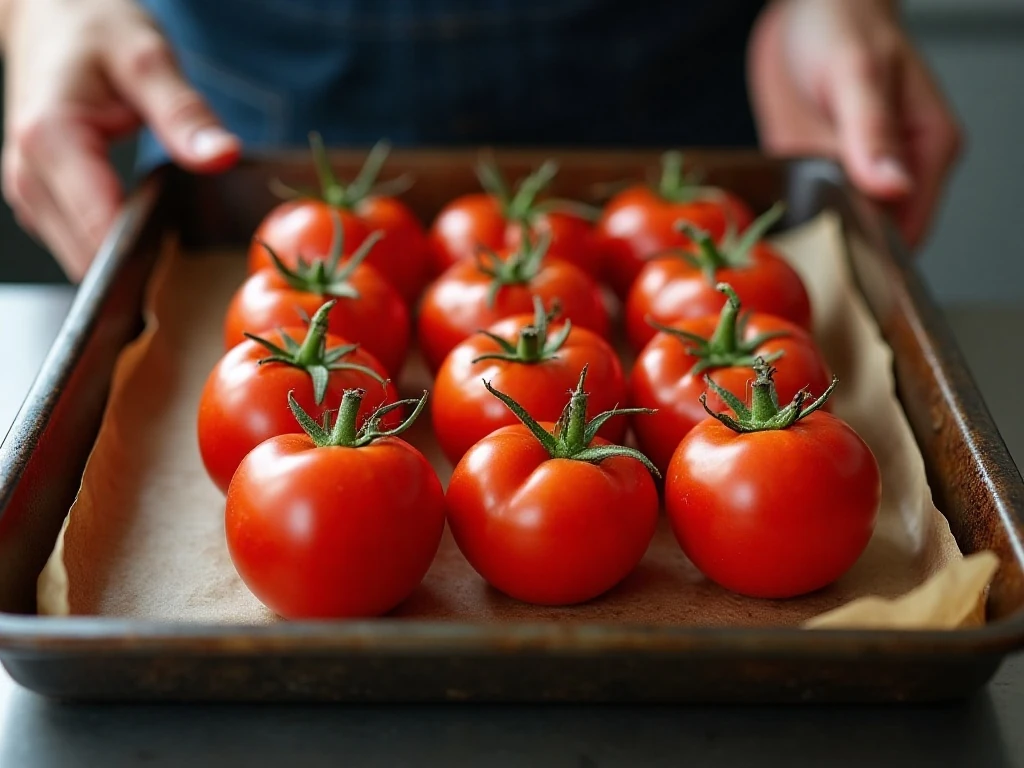
Placing the tomatoes on a tray first is the small step that makes this method much more convenient. If fresh tomatoes are packed together immediately, they can freeze into one large mass that is difficult to separate when you need only one or two.
A rimmed baking sheet keeps rolling tomatoes contained and protects the freezer from drips. The single layer also exposes more surface area to the cold air, helping the tomatoes freeze individually.
Make sure the fruit is very dry before it goes on the tray. Extra water turns into surface ice, encourages sticking, and can leave you with a frosty package rather than cleanly separated tomatoes.
How to Use Frozen Whole Tomatoes
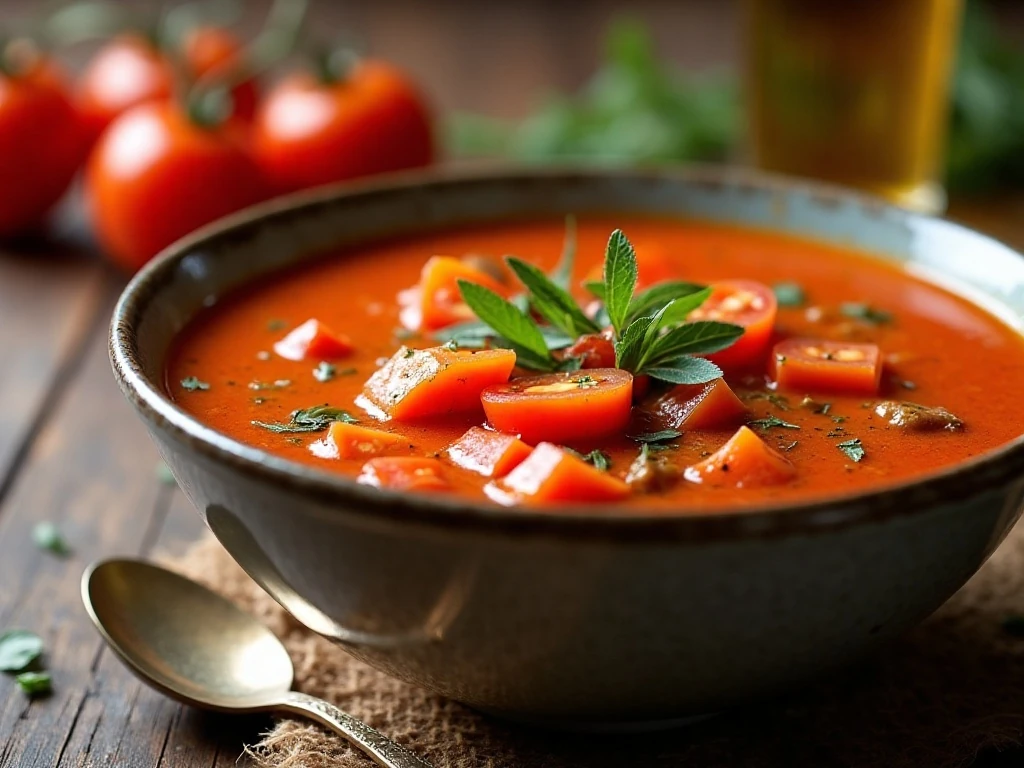
Frozen tomatoes are best treated as a cooking ingredient, not as a replacement for fresh tomatoes in raw dishes. Their structure softens during freezing, so they generally are not suitable for salads, sandwiches, or recipes that depend on firm slices.
- Add them frozen to soups and allow them to soften as the broth heats.
- Use thawed tomatoes in pasta sauces, pizza sauces, and tomato gravies.
- Simmer them in stews, braises, and chili-style dishes.
- Crush or blend thawed tomatoes for a rustic sauce.
- Slip off the loosened skins after thawing when a smoother texture is preferred.
For the best result, let excess liquid cook away naturally rather than trying to squeeze every drop from the thawed tomatoes. That flavorful liquid can become part of the sauce or broth, while a longer simmer concentrates the tomato taste.
For dessert after a cozy tomato-based dinner, try these mini no-bake banana cream pies.
Storage, Thawing, and Quality Tips
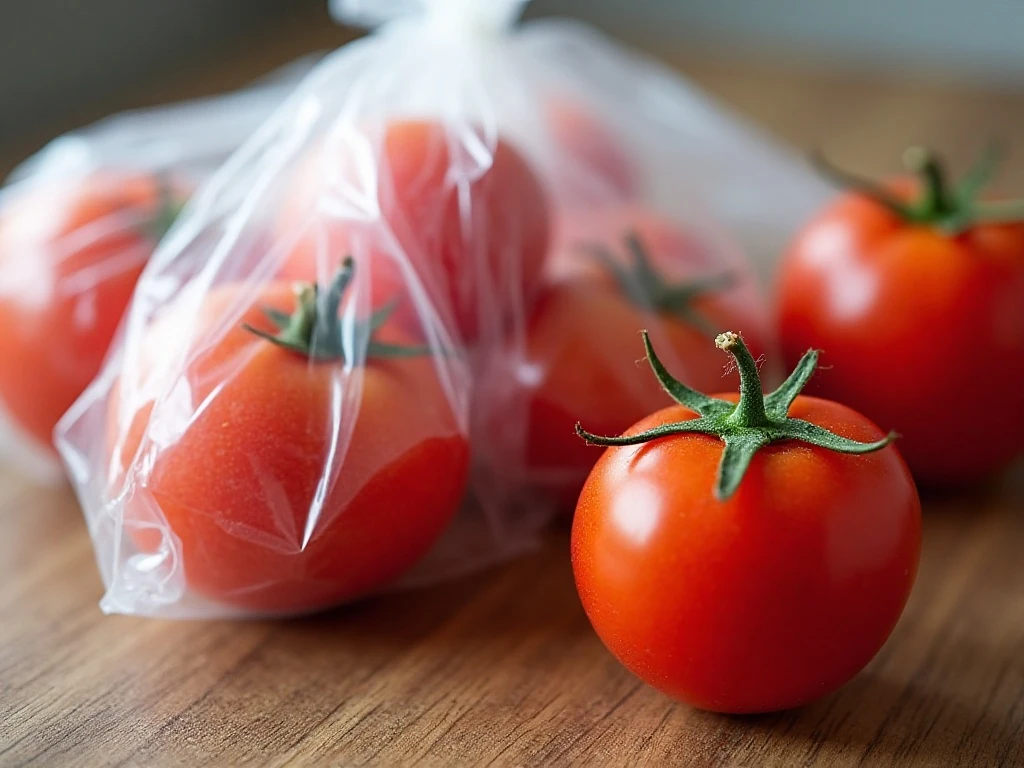
Store the tomatoes in airtight freezer bags or containers and remove as much excess air as possible before sealing. Label each package with the freezing date so older portions are easy to use first.
Frozen tomatoes are best used within about 6–12 months for the best quality. They may remain frozen longer, but flavor, color, and texture can gradually decline over time.
Thaw them in the refrigerator when you want to remove the skins or control the amount of liquid going into a recipe. For soups, sauces, stews, and braises, it is also fine to add them directly from the freezer.
Never judge the finished quality by expecting a firm, fresh tomato texture. The reward is convenient preserved flavor for cooked dishes, not a crisp tomato for a sandwich.
If you are planning a seasonal baking project alongside your freezer prep, our easy pumpkin cinnamon rolls make a welcoming follow-up treat.
Common Questions About Freezing Tomatoes Whole
Do I need to blanch the tomatoes? No. Blanching is optional for this quick method, and skipping it keeps the preparation simple. The skins can be removed after thawing because freezing loosens them.
Do I need to peel or core them first? Remove the stem and any tough stem core, but leave the tomatoes whole and unpeeled. Some preservation guidance recommends peeling and coring before freezing for improved finished texture, while this quick method saves time by leaving the skins on.
Can I freeze different tomato varieties together? Yes, as long as all the tomatoes are ripe, sound, washed, and completely dry. If you prefer predictable results, keep meaty varieties together for sauces and juicier varieties together for soups or stews.
Why are my frozen tomatoes stuck together? They were likely too wet or were packed before they had frozen individually. Dry them thoroughly and freeze them in a single layer before transferring them to their final airtight packaging.
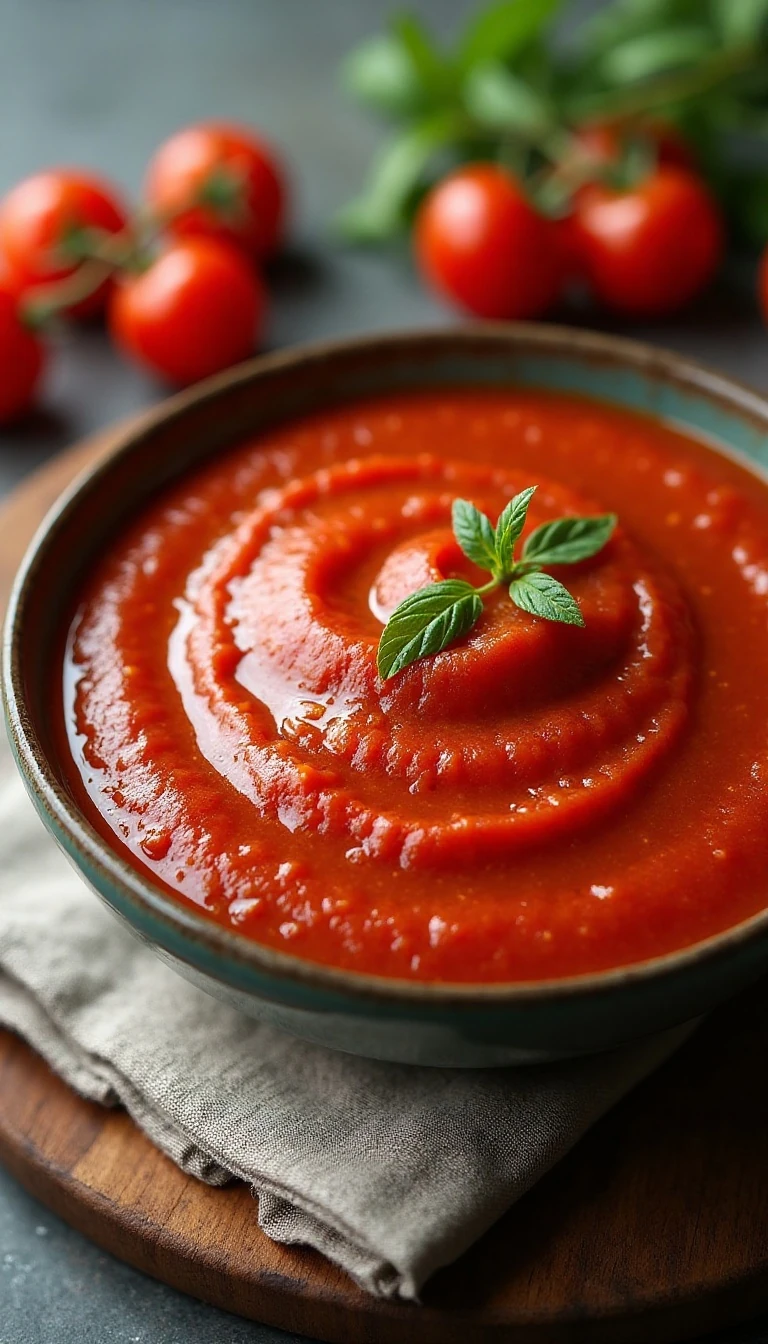
The Quick, Easy Way to Freeze Tomatoes Whole
Ingredients
Method
- Choose ripe, sound tomatoes without bruises, cracks, mold, or soft spots. Roma and other meaty varieties work especially well, although any ripe tomato can be frozen.
- Wash the tomatoes thoroughly under cool running water, then dry them completely with clean towels. Remove the stem and any tough stem core, leaving each tomato whole.
- Arrange the prepared tomatoes in a single layer on a rimmed baking sheet or tray. Freeze until solid, usually 4–6 hours or preferably overnight.
- Transfer the frozen tomatoes to airtight freezer bags or containers. Remove as much excess air as possible, label the package with the date, and return it to the freezer.
- Thaw tomatoes in the refrigerator, or add them frozen directly to soups, sauces, stews, and braises. Slip off the loosened skins after thawing if desired.
Notes
Final Thoughts
Freezing tomatoes whole is a practical answer to an overflowing harvest or an excellent sale at the market. With 2½ pounds of ripe tomatoes, 10–15 minutes of preparation, and 4–6 hours of mostly inactive freezing time, you can stock approximately 1 quart of tomatoes for future cooking.
Wash, dry, stem, tray-freeze, and bag them; that is all this method requires. Remember that thawed tomatoes will be soft, so use them where their concentrated garden flavor matters most: sauces, soups, stews, and braises.
Once you have a few labeled bags in the freezer, a quick weeknight tomato dish is always within reach. The same simple approach to planning ahead can make room for an especially sweet finish, such as these no-bake marshmallow roll cookies.