Great-Grandma’s pickled beets are easy to make with whole cooked beets, 5% white vinegar, sugar, pickling salt, and a few optional warm spices. This old-fashioned recipe makes approximately 6–8 pint jars, depending on the size of your beets and how tightly they are packed, and the flavor is best after 24–48 hours.
Each bite is tender, glossy, sweet, tangy, and pleasantly earthy, with a bright vinegar finish. You can prepare these beets as refrigerator pickles for casual serving within several weeks, or process them in a boiling-water canner according to current tested instructions for your altitude and jar size.
Jump to RecipeWhy You’ll Love This Recipe
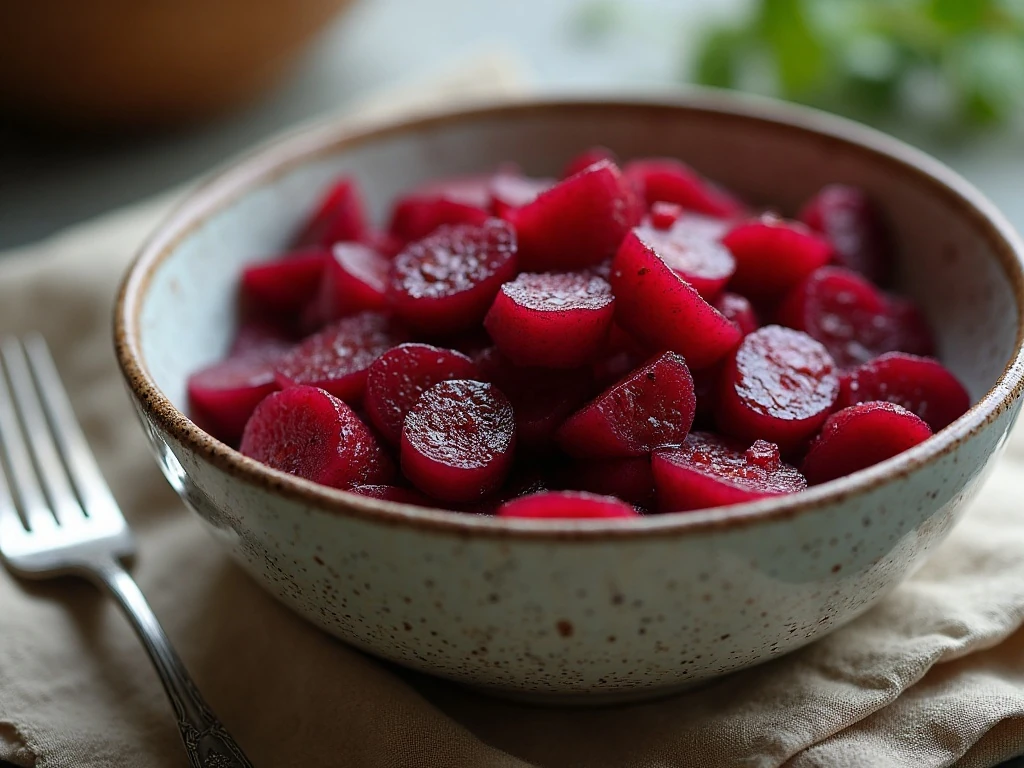
This is the kind of pickle recipe that turns a humble garden harvest into something special. The beets stay beautifully ruby-red, while the brine balances their natural earthiness with sugar’s gentle sweetness and vinegar’s crisp tang.
Cooking the beets whole is one of the most important old-fashioned tricks. Keeping the skins and about 1 inch of stems in place helps reduce bleeding and keeps the beets from becoming waterlogged before they meet the brine.
These pickled beets are wonderful straight from the jar, but they also bring color and contrast to a family meal. Serve them beside roasted meats, creamy casseroles, sandwiches, or a simple green salad.
If you enjoy preserving vegetables with a classic vinegar brine, you may also like this crunchy pickled okra recipe for your next batch of pantry treats.
Ingredients You’ll Need
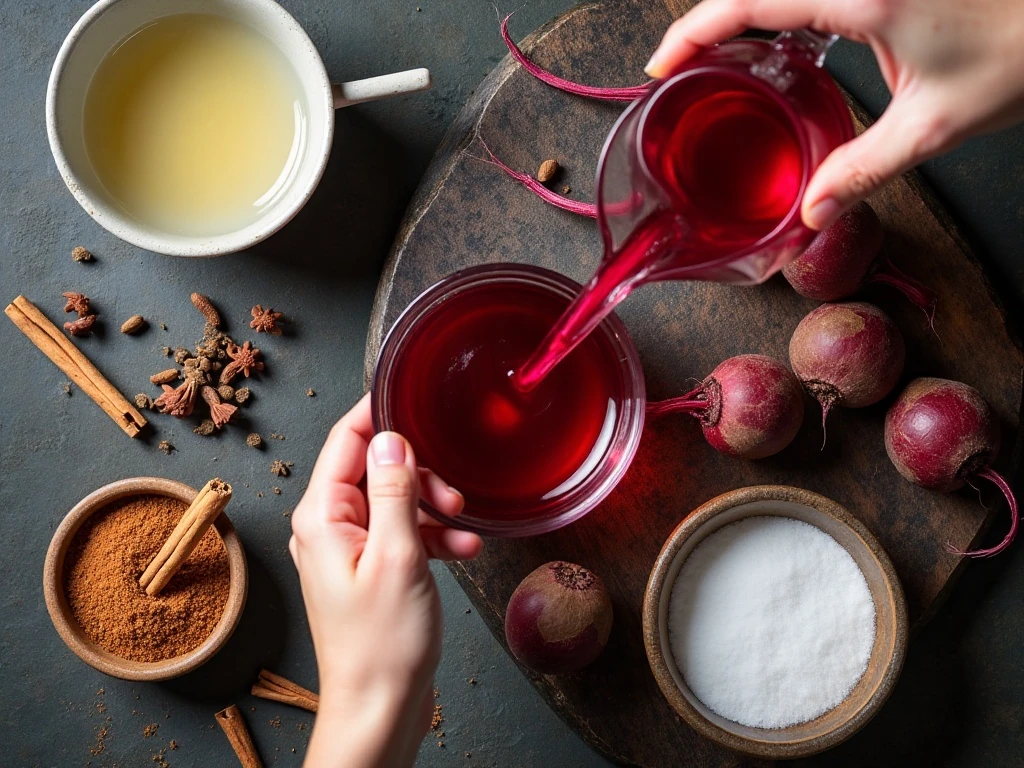
The ingredient list is short, but each item has a job. Ten pounds of fresh beets provide the hearty base, while 1 quart of white vinegar with 5% acidity gives the recipe its reliable sweet-and-sour character.
- Fresh beets: Choose small to medium beets when possible for a brighter, more tender result. Larger beets work well too, but they may need the full cooking time.
- White vinegar: Check the label for 5% acidity. This is essential for the proper balance and for safe shelf-stable canning.
- Water or beet-cooking liquid: Use 1 1/2 cups. Reserved cooking liquid gives the brine a deeper color and a little extra beet flavor.
- Sugar: Two cups soften the vinegar’s sharpness without hiding the vegetable’s earthy taste.
- Pickling salt: One tablespoon seasons the brine without adding the cloudiness that some table salts can cause.
- Optional spices: Cinnamon sticks, cloves, and allspice create a warmly spiced version that tastes especially nostalgic.
Gather pint jars, lids, a jar lifter, and a boiling-water canner if you plan to preserve the beets for the pantry. For refrigerator pickles, clean heat-safe containers are enough.
How to Make It Step-by-Step

Step 1: Wash the beets carefully under cool running water, rubbing away any soil. Trim the tops and roots, but leave about 1 inch of stems attached so the beets retain more of their color while cooking.
Step 2: Put the whole beets in a large pot and cover them with water. Bring the pot to a simmer and cook for 30–45 minutes, depending on beet size, until a fork passes through the thickest part with little resistance.
Step 3: Drain the beets and reserve 1 1/2 cups of the cooking liquid if you want a richer, darker brine. Let the beets cool just until they are comfortable to handle, then rub or slip away the skins and cut off the stems and roots.
Step 4: Slice the peeled beets into rounds or wedges. Rounds look especially pretty in jars, while wedges are practical for larger beets and give each serving a generous, rustic shape.
Step 5: Add the vinegar, reserved beet liquid or water, sugar, and pickling salt to a nonreactive saucepan. Add the cinnamon sticks, cloves, and allspice if using, then bring the mixture to a boil and simmer briefly until the sugar dissolves.
Step 6: Pack the hot beets into hot sterilized pint jars, arranging them snugly without crushing them. Leave the headspace required by your canning instructions, commonly 1/2 inch for pint jars.
Step 7: Pour the hot brine over the beets, making sure the pieces are covered. Run a bubble remover or plastic utensil around the inside of each jar, wipe the rims clean, and apply the lids according to the manufacturer’s directions.
Step 8: Process the jars in a boiling-water canner according to current tested instructions for your altitude and jar size. Many tested pickled-beet recipes specify about 30 minutes for pints, but altitude and equipment instructions should always guide the final processing time.
Step 9: Move the jars to a towel-lined counter and let them cool undisturbed. After cooling, check each seal, label the jars, and store sealed jars in a cool, dark place.
Pro Tips for Better Pickled Beets
Do not peel the beets before boiling. Early peeling allows more color and flavor to escape into the cooking water and can leave the finished vegetables less firm.
Small and medium beets usually offer the brightest color and a less earthy flavor. If your beets are very large, cut them into similarly sized wedges after peeling so every piece cooks and packs evenly.
Use a stainless-steel, enamel, or other nonreactive saucepan for the brine. Vinegar can react with some metals, which may affect the flavor or appearance of the liquid.
For shelf-stable canning, never reduce the vinegar or add more water than the recipe states. The vinegar proportion is part of the tested preservation balance, so save adjustments for refrigerator-pickle variations only.
For another comforting dish with old-fashioned appeal, pair a jar of beets with our creamy biscuits and gravy casserole. The tart pickles cut through the richness beautifully.
Canning and Refrigerator Options
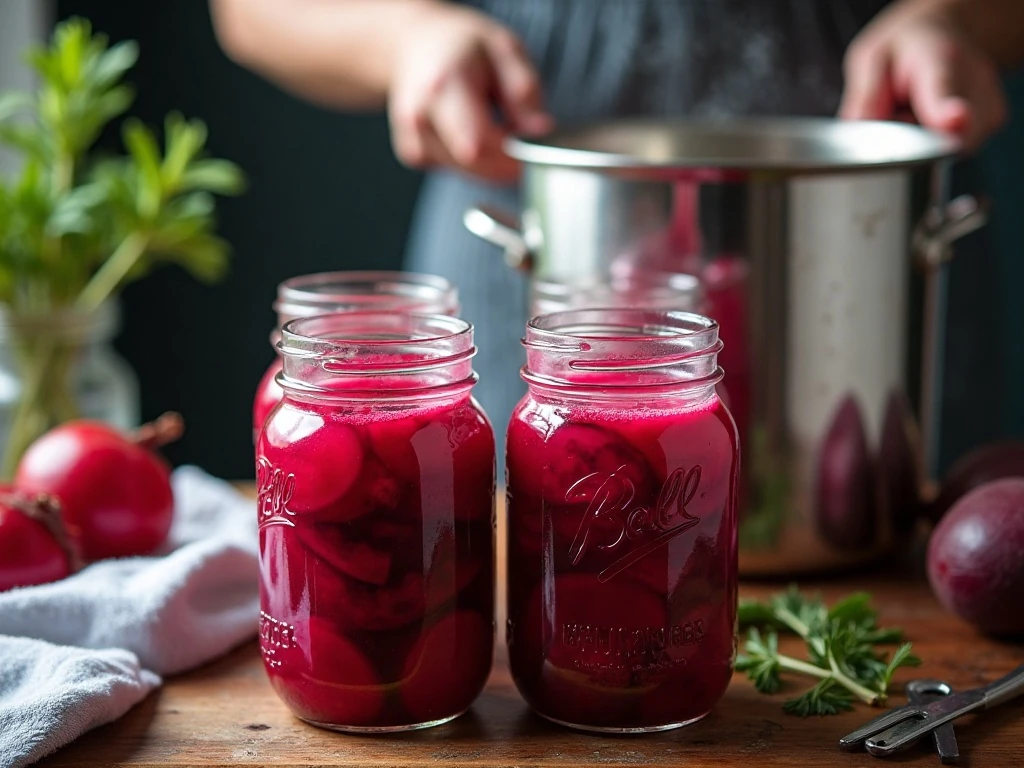
Hot-pack the cooked beets into hot sterilized jars and cover them with hot brine. Remove trapped air bubbles, wipe the rims, and apply the lids before placing the jars in the canner.
Use current tested boiling-water canning instructions for your altitude and jar size. Processing times can vary, so do not rely on a general time if your local extension service or canning guide provides a more specific direction.
Once processed, cool the jars undisturbed, check that the lids have sealed, and store them in a cool, dark place. Any jar that does not seal should be refrigerated and treated as a refrigerator pickle.
For the refrigerator method, place the beets and hot brine in clean containers, allow them to cool, cover, and refrigerate. Wait at least 24 hours before serving, and use the pickles within several weeks.
Serving Suggestions
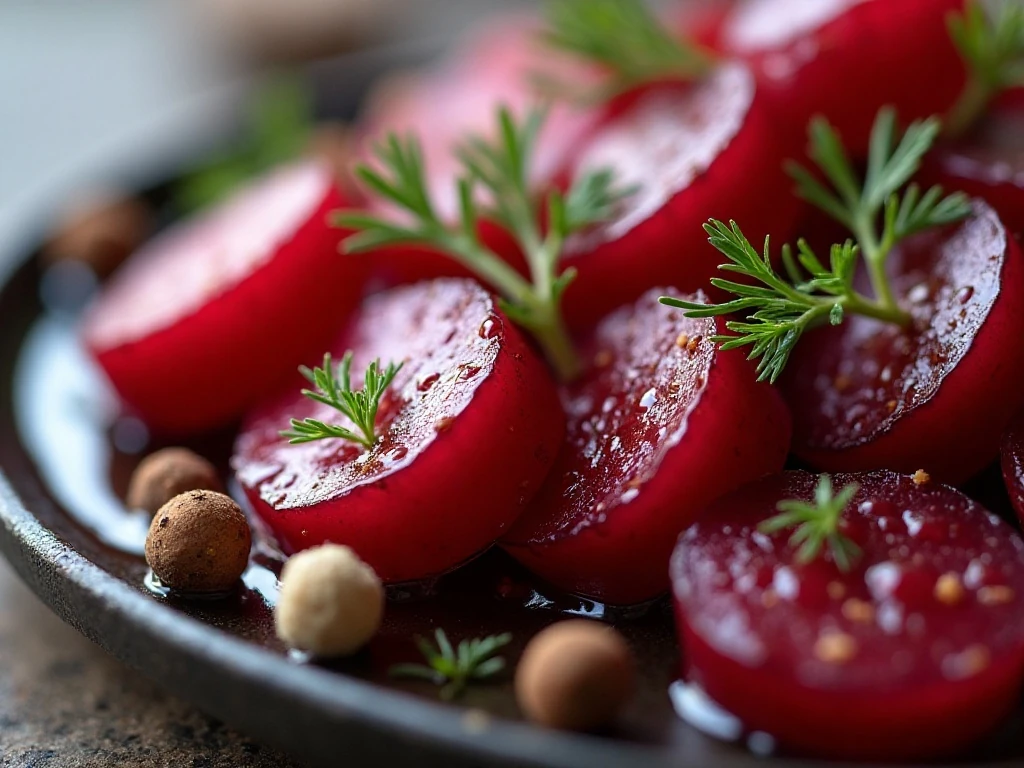
Chill the finished beets before serving for the brightest, freshest flavor. The cold temperature makes the vinegar taste crisp while allowing the sweetness and spice to settle into the vegetables.
Serve them as a colorful side dish with roast chicken, pork, baked ham, or a holiday dinner. They are also excellent chopped into a grain bowl, tucked beside deviled eggs, or layered onto a lunch salad with goat cheese.
A few beet wedges can turn a plain relish tray into a memorable appetizer. Keep a small bowl beside savory comfort food such as our slow cooker chili for a bright contrast to the rich, smoky flavors.
Save a spoonful of the brine for dressing a simple salad, but remember that it will stain pale ingredients quickly. A drizzle over sliced cucumbers or cabbage makes an easy, colorful side.
Storage and Make-Ahead Advice
Pickled beets improve as they rest, so plan to wait 24–48 hours before judging the final flavor. During that time, the brine moves into the beet slices and rounds, creating a more balanced sweet-and-sour bite.
Keep opened jars refrigerated and use clean utensils each time you serve them. Refrigerator batches should be used within several weeks, while properly processed and sealed jars should be stored according to current home-canning guidance.
The beets are naturally eye-catching, making them a thoughtful homemade gift when packed in clean jars with a simple label. For a dessert pairing after dinner, try our rich deluxe brownies once the savory course is finished.

Great-Grandma’s Pickled Beets
Ingredients
Method
- Wash the beets well, leaving about 1 inch of stems attached. Place them in a large pot, cover with water, and simmer for 30–45 minutes, or until a fork slides into the centers easily.
- Drain the cooked beets, reserving 1 1/2 cups of the cooking liquid if desired. Cool the beets enough to handle, then slip off the skins and remove the stems and roots.
- Slice the peeled beets into rounds or wedges. Keep the pieces fairly even so they warm and absorb the brine at a similar rate.
- Combine the vinegar, reserved beet liquid or water, sugar, and pickling salt in a nonreactive saucepan. Add the cinnamon sticks, cloves, and allspice if using, then bring the mixture to a boil and simmer briefly until the sugar dissolves.
- Pack the hot beets into hot sterilized pint jars, leaving the headspace specified by your canning instructions, commonly 1/2 inch for pint jars. Cover the beets with the hot brine, remove air bubbles, wipe the rims, and apply the lids.
- For shelf-stable storage, process the filled jars in a boiling-water canner using current tested instructions for your altitude and jar size; many tested pickled-beet recipes specify about 30 minutes for pints. Cool the jars undisturbed, check the seals, and store sealed jars in a cool, dark place.
Notes
Final Thoughts
Great-Grandma’s pickled beets prove that a few pantry staples can create something deeply comforting and full of character. Whole-cooked beets, a properly balanced 5% vinegar brine, and a little patience produce jars that are sweet, tangy, tender, and brilliantly colored.
Make them for a holiday table, preserve a garden harvest, or prepare a small refrigerator batch for everyday meals. When you are ready to finish dinner with a creamy, simple dessert, our crustless cheesecake makes a lovely final course.
Give the beets at least 24 hours to develop their flavor, chill them well, and serve them generously. One taste is enough to understand why this classic recipe has earned a place in family kitchens for generations.