These Zesty Fresh Lime Macarons are delicate French-style sandwich cookies made with almond flour, powdered sugar, lime zest, and a glossy meringue. Each shell is filled with fresh lime buttercream, and the complete recipe yields about 20–24 filled macarons with 45–60 minutes of preparation, 30–60 minutes of resting, and 12–16 minutes of baking per tray.
The flavor is bright, fragrant, and wonderfully balanced: crisp, lightly chewy shells give way to a smooth buttercream that tastes unmistakably fresh because it uses both finely grated lime zest and freshly squeezed lime juice. For the best texture, refrigerate the filled macarons for 12–24 hours, then let them sit at room temperature for 20–30 minutes before serving.
Jump to RecipeWhy You’ll Love This Recipe
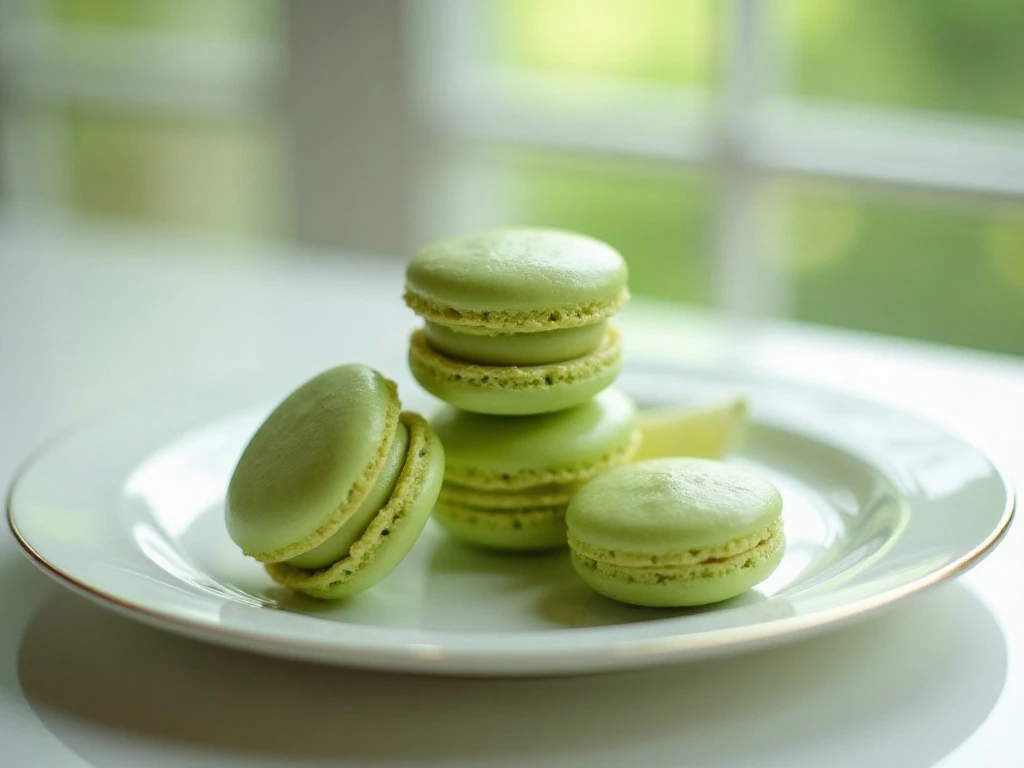
Fresh lime gives these macarons a lively personality that is especially welcome in a small, sweet dessert. The citrus cuts through the richness of the buttercream, while almond flour supplies the gentle nuttiness that makes classic French macarons so appealing.
The finished cookies should have smooth tops, firm little feet, and centers that are soft and slightly chewy. Their pale green color can remain natural, or you can add a small amount of gel coloring for a more noticeable lime-inspired shade.
This is a lovely recipe for showers, afternoon tea, birthday dessert tables, and holiday cookie boxes. Because the flavor is clean and refreshing, these macarons also make a delightful finish after a rich meal.
If you are planning a citrus-themed spread, serve these alongside a savory appetizer such as creamy lime salsa for a menu that carries a fresh lime note from the first bite to the last.
Ingredients You’ll Need
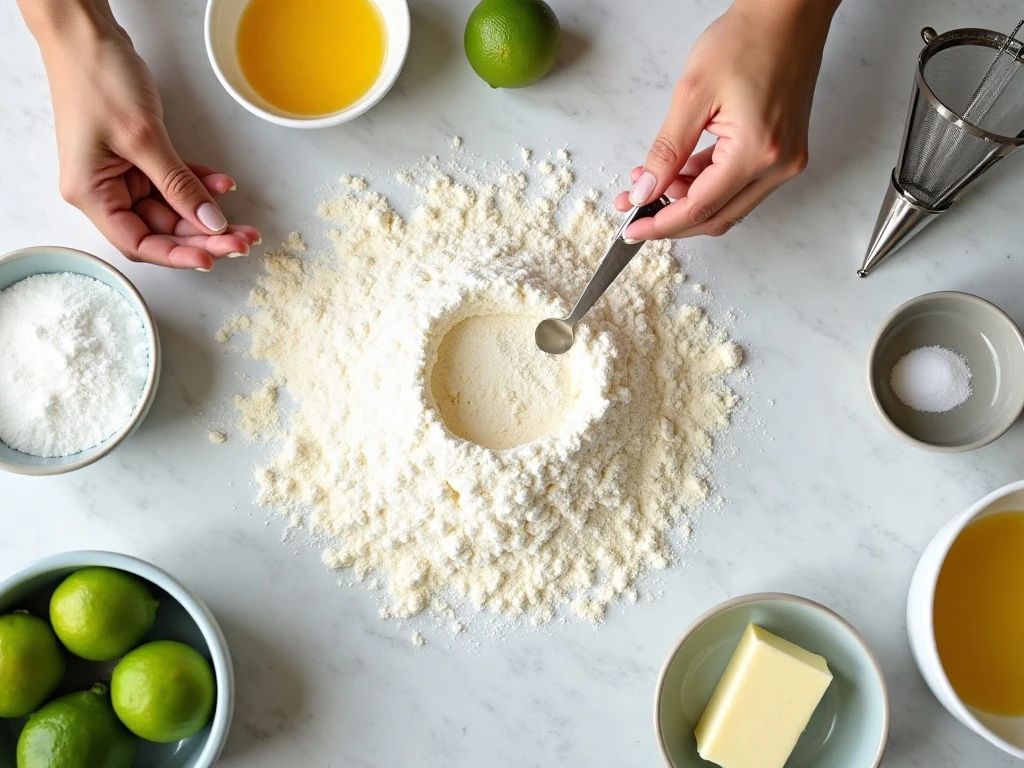
Macarons reward precision, so gather a kitchen scale, a fine-mesh sieve, an electric mixer, piping bags, and parchment paper or silicone macaron mats before starting. The formula depends on equal weights of almond flour, powdered sugar, egg whites, and caster sugar.
- Almond flour: Choose finely ground blanched almond flour for smooth shells. Coarse flour can leave the tops pebbly.
- Powdered sugar: This combines with the almond flour to create the dry base of the batter.
- Egg whites: Weigh 100 g rather than counting eggs, because egg sizes vary. Room-temperature whites usually whip more readily.
- Caster sugar: Superfine sugar dissolves efficiently into the meringue and supports a glossy, stable structure.
- Lime zest and juice: Finely grate the colored outer skin of two limes for the shells and one lime for the filling. Use fresh juice for the clearest citrus flavor.
- Buttercream ingredients: Softened unsalted butter, sifted powdered sugar, lime juice, zest, salt, and optional vanilla create a creamy, tangy filling.
Wash and dry the limes before zesting. A microplane is ideal because it produces fine zest that disperses through the batter instead of forming bitter or chewy flecks.
For another breakfast-friendly recipe to enjoy with a cup of coffee after your baking project, try this apple French toast breakfast pizza.
How to Make It Step-by-Step
Step 1: Prepare the trays and measure every ingredient in grams. Line the baking sheets with parchment paper or silicone macaron mats, and keep the weighed ingredients arranged in separate bowls so the process moves calmly and accurately.
Step 2: Sift the almond flour and powdered sugar together into a large bowl. If a few large almond pieces remain, reprocess or discard only those pieces that will not pass through the sieve, then stir in the zest from two limes.
Step 3: Begin the meringue by whipping the egg whites on medium speed until foamy. Gradually add the caster sugar, increase to medium-high speed, and beat until the mixture is glossy and forms stiff peaks; add a small amount of gel green coloring near the end if using it.
Step 4: Add the dry mixture to the meringue in several additions. Fold with a spatula, scraping around the bowl and underneath the mixture, until the batter flows slowly in a thick ribbon and the ribbon blends back into the bowl within roughly 10–20 seconds.
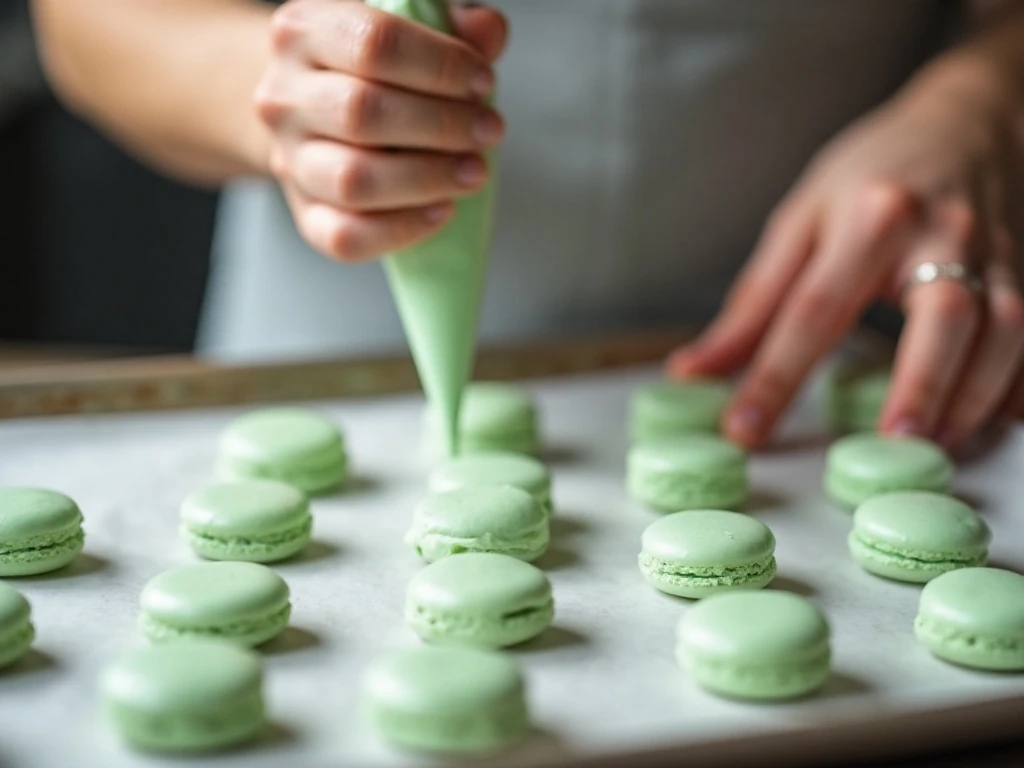
Step 5: Transfer the batter to a piping bag and pipe rounds about 3–4 cm in diameter. Hold the bag vertically for even circles, then tap the trays firmly against the counter several times and use a toothpick to pop any visible air bubbles.
Step 6: Rest the piped shells at room temperature for 30–60 minutes. They are ready when the surface feels dry and does not stick to a fingertip; humid conditions may require a longer resting period.
Step 7: Bake one tray at a time at 150°C/300°F using conventional heat, or about 140°C/285°F using fan heat. Bake for approximately 12–16 minutes, watching for set tops and bases that do not wobble when touched gently.
Step 8: Cool the shells completely on the trays before attempting to remove them. Warm shells are fragile and may stick, while fully cooled shells should release more cleanly from the parchment or mat.
Step 9: Make the buttercream by beating the softened butter until smooth. Gradually add the sifted powdered sugar, then beat in 1–2 tablespoons of fresh lime juice, the zest of one lime, a pinch of salt, and the optional vanilla until light and fluffy.
Step 10: Pipe a ring or mound of buttercream onto half of the cooled shells. Top with the matching shells and twist gently rather than pressing straight down, which helps keep the delicate feet intact.
Step 11: Arrange the filled macarons in an airtight container and refrigerate for at least 12 hours, preferably 24 hours. Let them stand at room temperature for about 20–30 minutes before serving so the buttercream softens and the centers become pleasantly chewy.
Macaronage and Baking Tips
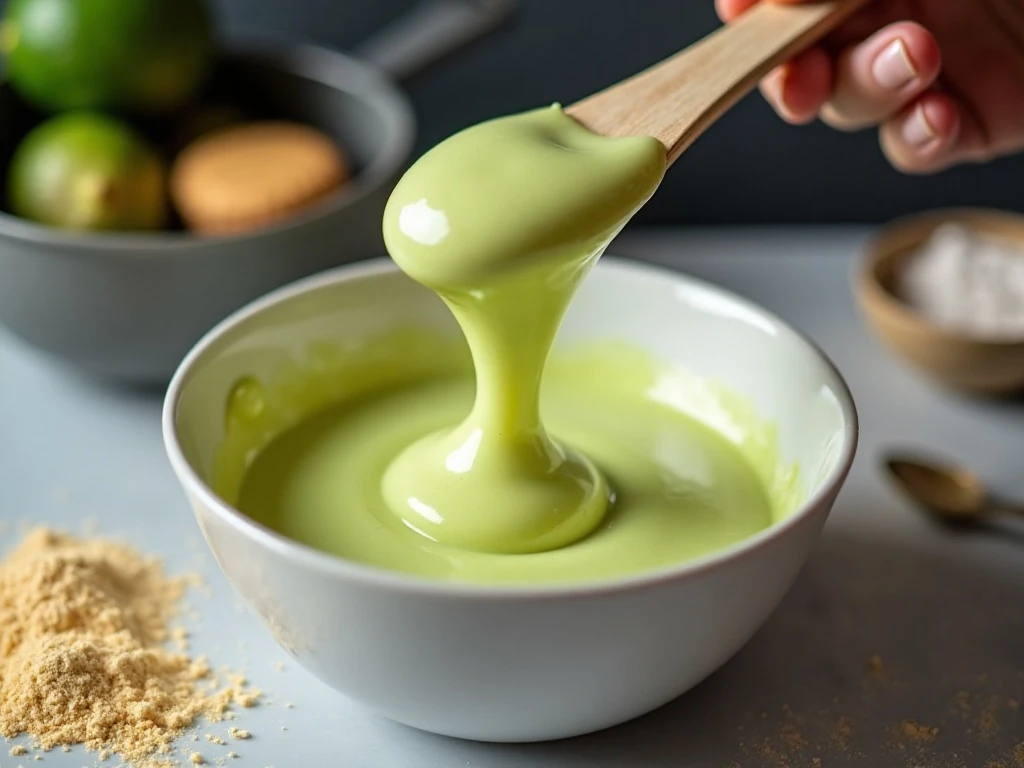
The folding stage, called macaronage, is the most important texture checkpoint. Under-mixed batter tends to produce peaked or hollow shells, while over-mixed batter spreads too far and may fail to develop feet.
Use the ribbon test rather than relying only on a clock. When you lift the spatula, the batter should fall slowly, and the ribbon should disappear into the mixture within about 10–20 seconds; if it sits on top, fold a little longer, but make each fold gentle.
Do not skip tray tapping or the resting period. Tapping releases hidden air pockets, and resting creates a dry surface that helps the shells rise upward in the oven rather than crack across the top.
Bake one tray at a time for the most predictable result. Ovens vary, so begin checking at the lower end of the 12–16 minute range, but rely on set tops and stable bases rather than color alone.
Keep liquid food coloring out of the batter because it can change the consistency. Gel coloring provides stronger color with only a small amount, making it the better choice for this recipe.
Fresh Lime Buttercream and Flavor Balance
The filling should be creamy enough to pipe but firm enough to hold a neat ring. Start with softened butter, not melted butter, and beat it until smooth before adding powdered sugar gradually to reduce clouds of sugar in the kitchen.
Fresh lime zest carries aromatic oils, while juice supplies the sharper acidity. Add the juice gradually because limes vary in size and juiciness; if the buttercream becomes too loose, beat in a little more powdered sugar.
A pinch of salt keeps the filling from tasting one-dimensionally sweet. Vanilla is optional, but the small amount rounds out the buttercream without hiding the lime.
For a savory main course before dessert, you could browse this authentic chicken teriyaki recipe or plan a cozy meal with steakhouse beef tips and noodles. The macarons can then provide a bright, citrusy finish.
Storage, Maturation, and Serving
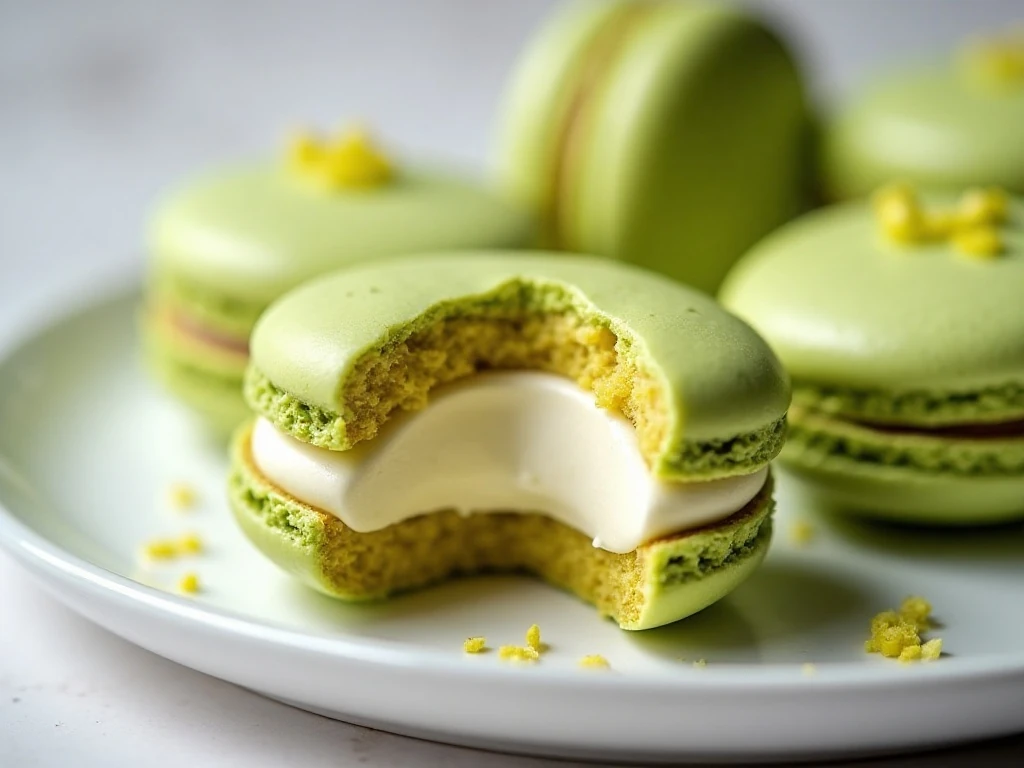
Freshly assembled macarons are enjoyable, but their texture improves after the filling has time to hydrate the shells. Refrigerate them in an airtight container for at least 12 hours, with 24 hours preferred for the classic soft-center texture.
Before serving, bring the container or selected macarons to room temperature for about 20–30 minutes. This allows the buttercream to soften while the shells retain their delicate outer crust.
Keep the macarons protected from strong refrigerator odors and moisture. Store them in a single layer if possible, or separate layers with parchment paper so the tops remain smooth.
These cookies are best enjoyed when the lime aroma is noticeable as soon as the container opens. A tiny sprinkle of fresh lime zest on the serving plate adds color, but avoid adding wet garnish directly to the shells.
If you are assembling a full comfort-food menu, pair the dessert course with a warming bowl of homemade cream of chicken soup earlier in the meal, then finish with these cool, fragrant citrus macarons.

Zesty Fresh Lime Macarons
Ingredients
Method
- Line baking sheets with parchment paper or silicone macaron mats. Weigh every ingredient in grams before beginning, since small measurement differences can affect the shell texture.
- Sift the almond flour and powdered sugar together, reprocessing only large pieces that will not pass through the sieve. Stir in the finely grated zest of two limes.
- Whip the egg whites on medium speed until foamy, then gradually add the caster sugar. Continue whipping on medium-high until the meringue is glossy and forms stiff peaks, adding gel coloring near the end if desired.
- Fold the dry ingredients into the meringue in several additions. Stop when the batter flows slowly from the spatula in a thick ribbon and blends back into itself within roughly 10–20 seconds.
- Pipe rounds approximately 3–4 cm in diameter onto the prepared trays. Tap each tray firmly against the counter several times to release large air bubbles, then pop visible bubbles with a toothpick.
- Leave the piped shells at room temperature for 30–60 minutes, or longer in a humid kitchen, until the surface feels dry and does not stick to a fingertip.
- Bake one tray at a time at 150°C/300°F conventional heat, or about 140°C/285°F fan heat, for approximately 12–16 minutes. Cool the shells completely before removing them from the parchment or mat.
- Beat the softened butter until smooth, then gradually add the sifted powdered sugar. Mix in the lime juice, lime zest, salt, and optional vanilla, beating until light and fluffy.
- Pipe a ring or mound of buttercream onto half of the cooled shells. Add the remaining shells and twist gently to sandwich them without pressing straight down.
- Place the filled macarons in an airtight container and refrigerate for at least 12 hours, preferably 24 hours. Bring them to room temperature for about 20–30 minutes before serving.
Notes
Final Thoughts
Zesty Fresh Lime Macarons are a rewarding baking project with a distinctly fresh result. Their success comes from careful weighing, a stable glossy meringue, properly judged macaronage, and enough resting time before baking.
Give the shells time to mature with their lime buttercream filling, and you will be rewarded with the signature contrast of a delicate crust, firm feet, and a soft, slightly chewy middle. The bright zest and fresh juice keep every bite lively rather than heavy.
Make them a day ahead for parties or gifting, then serve them just slightly cool or at room temperature. Once you master the ribbon test and learn how your oven bakes each tray, this lime version becomes a dependable favorite for any dessert table.