This easy Brown Sugar Dijon Glazed Pork Loin Recipe gives you a tender, juicy 2 1/2- to 3-pound boneless pork loin with a glossy sweet-tangy crust. The roast is coated with brown sugar, Dijon mustard, garlic, olive oil, vinegar or lemon juice, and herbs, then baked at 375°F for about 60 to 75 minutes until the thickest part reaches 140 to 145°F.
The finished pork is savory, lightly sweet, garlicky, and beautifully caramelized without requiring complicated preparation. Reserve part of the glaze for the final minutes of roasting so the sugar forms a rich crust without scorching, then rest the pork before slicing for moist, tender servings.
Jump to RecipeWhy You’ll Love This Recipe
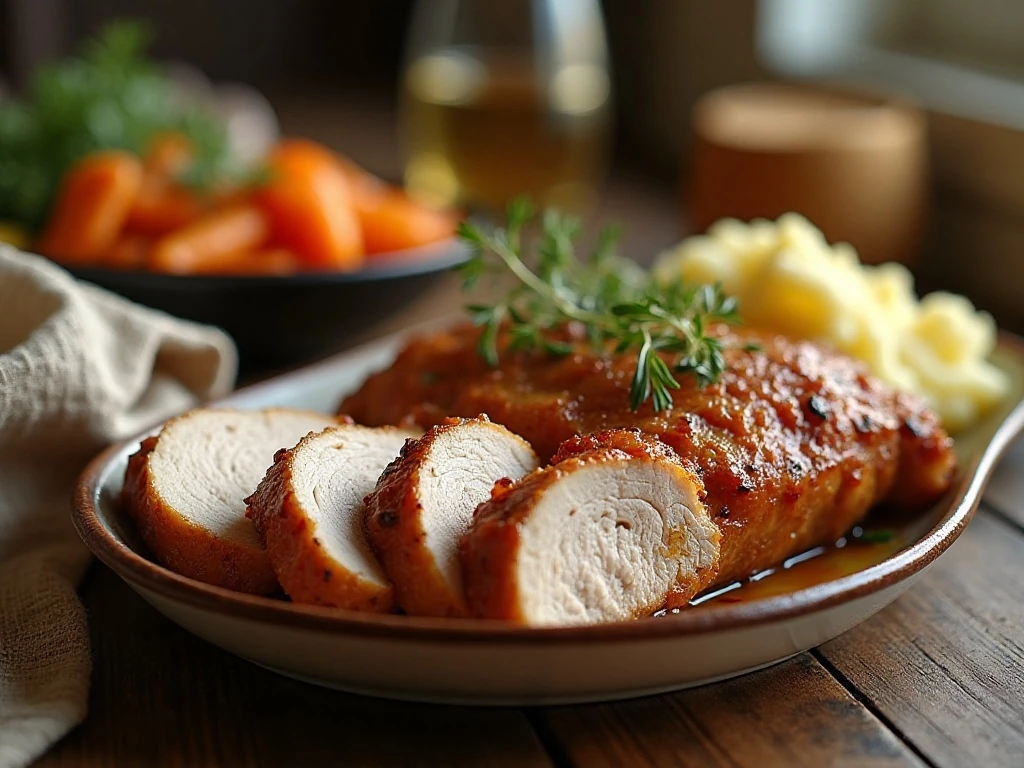
This pork loin is the kind of dinner that looks polished on the table but takes only about 10 to 15 minutes of hands-on preparation. The glaze comes together in one bowl, and the oven does most of the work while you prepare side dishes or set the table.
Brown sugar supplies a mellow caramel sweetness, while Dijon mustard adds a sharp, savory edge that keeps the glaze from tasting flat. Garlic gives the pork a fragrant foundation, vinegar or lemon juice brings brightness, and thyme adds a gentle herbal note.
The roast is also generous enough for a family dinner, serving 6 to 8 people depending on slice size. Leftover slices are delicious tucked into sandwiches, served over salad, or reheated beside potatoes and green beans.
If you enjoy sweet-savory baked dinners, you may also like these brown sugar baked chicken thighs, which use a similarly comforting flavor combination.
Ingredients You’ll Need
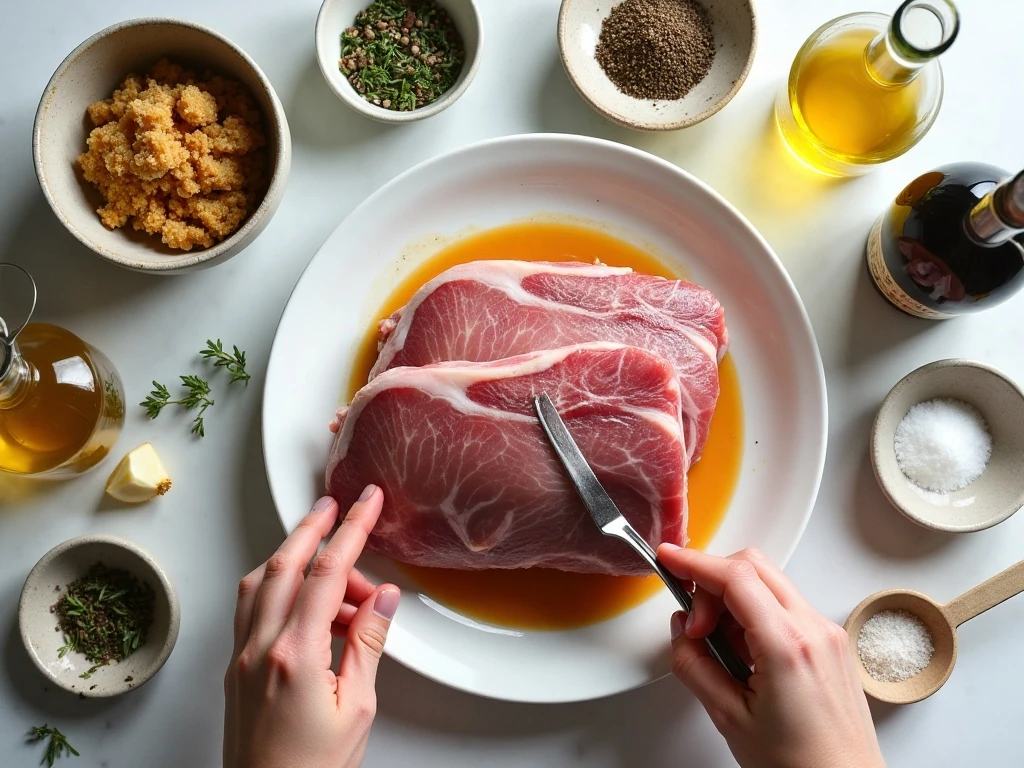
The main ingredient is a boneless pork loin roast weighing 2 1/2 to 3 pounds. Pork loin roast is wider and much larger than pork tenderloin, so do not substitute the two while keeping the same oven temperature and cooking time.
- Pork loin: Choose a roast with an even shape so it cooks at a steady rate. Leave a thin layer of fat when trimming for extra moisture and flavor.
- Light brown sugar: Packed brown sugar creates the glossy, caramelized coating and contributes a rounded sweetness.
- Dijon mustard: Its tangy flavor balances the sugar and helps the glaze cling to the pork.
- Olive oil: This loosens the glaze and helps distribute the seasonings over the roast.
- Garlic and herbs: Finely minced garlic and dried thyme or Italian seasoning provide savory depth.
- Vinegar or lemon juice: Apple cider vinegar gives a soft fruitiness, while lemon juice tastes brighter and more direct.
- Seasonings: Kosher salt and freshly ground black pepper bring the pork’s flavor into focus.
- Optional soy sauce: One tablespoon of low-sodium soy sauce adds a deeper savory note. If using it, keep the listed salt amount the same unless you are especially sensitive to salt.
For a complete dinner, serve the pork with roasted carrots, mashed potatoes, steamed green beans, rice, or a crisp apple and cabbage salad. The glaze is rich enough to pair especially well with simple sides that do not compete with its flavor.
How to Make It Step-by-Step
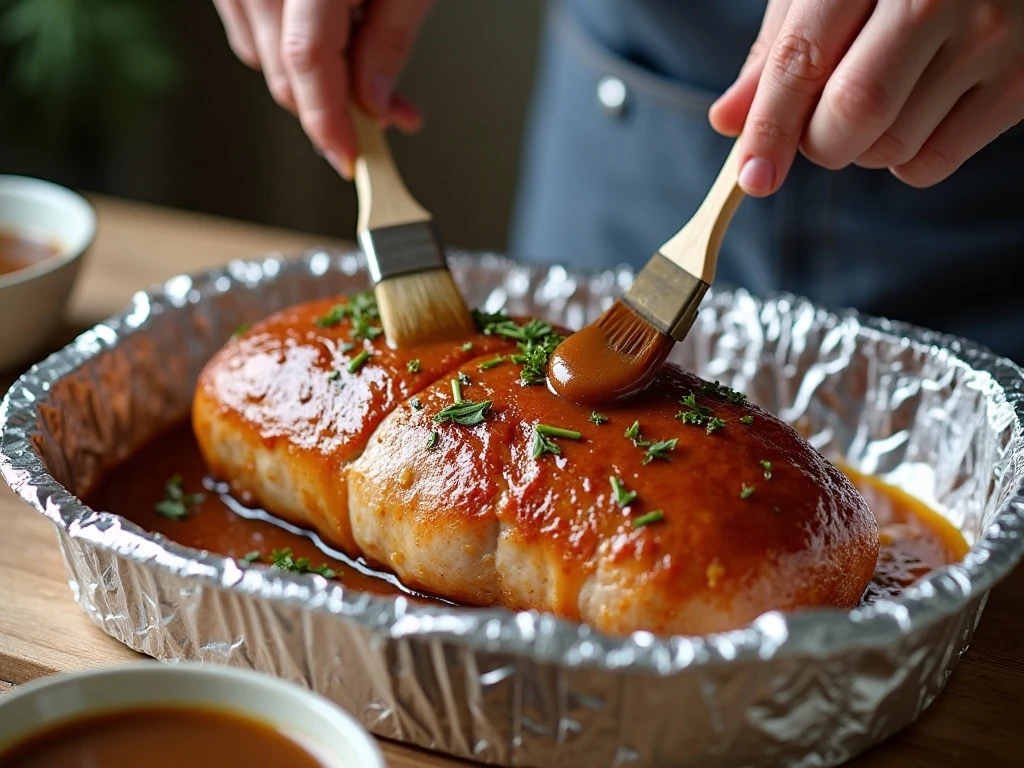
Step 1: Heat your oven to 375°F and line a roasting pan or baking dish with foil. The foil is not essential for cooking, but it makes cleanup much easier once the sugary glaze has baked onto the pan.
Step 2: Pat the pork loin thoroughly dry with paper towels. Trim away only thick areas of surface fat, leaving a thin layer in place; this protects the roast as it cooks and adds flavor to the finished slices.
Step 3: Add the brown sugar, Dijon mustard, olive oil, minced garlic, apple cider vinegar or lemon juice, kosher salt, black pepper, and thyme to a bowl. Whisk until the mixture is smooth and thick, then stir in the optional soy sauce if you want a more savory glaze.
Step 4: Set the pork fat-side up in the prepared pan. Brush the roast with about two-thirds of the glaze, covering the top and sides as evenly as possible while reserving the remaining glaze for the final stage.
Step 5: Place the pan in the oven and roast for 60 to 75 minutes. Cooking time depends on the roast’s size and shape, so begin checking the thickest portion with an instant-read thermometer rather than relying on the clock alone.
Step 6: When the roast has about 10 to 15 minutes remaining, brush the reserved glaze over the surface. Adding this portion near the end helps create a fresh, glossy coating and reduces the chance that the brown sugar will scorch during the entire roasting time.
Step 7: Continue roasting until the thickest part reaches about 140 to 145°F. If you want a darker crust, broil the pork for 1 to 2 minutes, watching it constantly because the sugar can burn quickly under the broiler.
Step 8: Transfer the roast to a cutting board and tent it loosely with foil. Let it rest for 10 to 15 minutes, then slice across the grain so each piece is tender and easy to chew.
USDA guidance recommends cooking whole-muscle pork to a minimum internal temperature of 145°F, followed by a 3-minute rest. A slightly pink center at this temperature is normal and does not mean the pork is undercooked.
Pro Tips for Juicy Glazed Pork
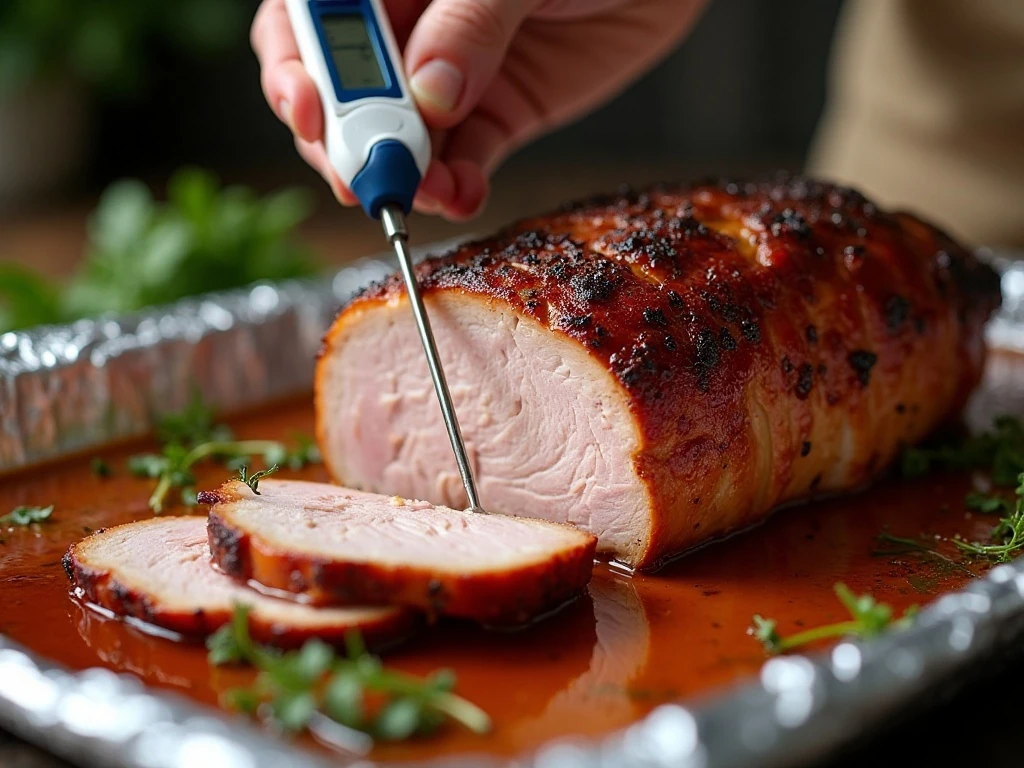
An instant-read thermometer is the most dependable tool for this recipe. Pork loin is lean and can become dry when overcooked, while a thermometer lets you remove it at the proper temperature even when your roast cooks faster or slower than expected.
Try to choose a roast with a consistent thickness. An uneven roast may have a thinner end that cooks well before the center is ready, so tuck or tie a narrow end underneath if needed to create a more uniform shape.
Do not apply all of the glaze at the beginning. The brown sugar may darken too quickly during a long roast, but saving some for the last 10 to 15 minutes gives the surface a fresher caramelized finish.
Broiling is optional rather than required. If you use this finishing step, keep the pan close enough to watch carefully and remove the pork as soon as the crust is browned, since the sugar can go from caramelized to burnt in moments.
Resting is part of the cooking process, not an optional pause. It allows the hot juices to settle back into the meat, making the pork easier to slice and helping each serving stay moist.
For another pork dinner with a sweet glaze, take a look at these maple-glazed baked pork chops. They are a useful choice when you want individually portioned pieces rather than a roast.
Serving, Storage, and Reheating
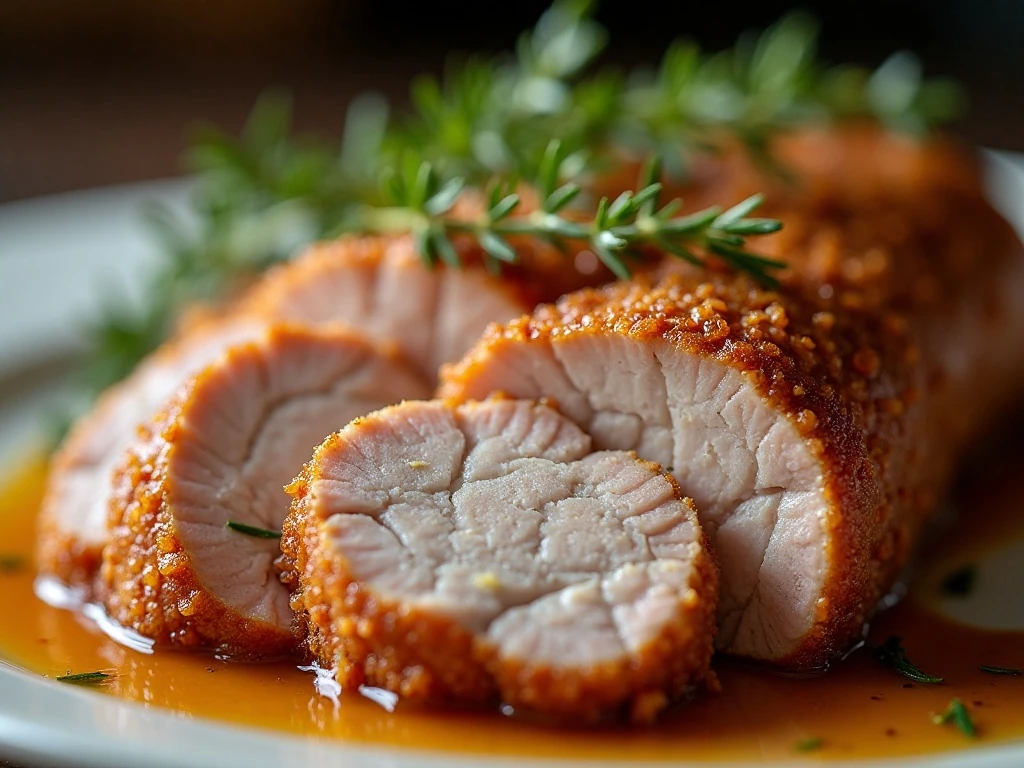
Slice the pork into serving pieces and arrange them on a platter with the browned crust facing upward. Spoon any flavorful juices from the cutting board over the slices, then garnish with a little fresh thyme if you have it.
For a balanced plate, pair the roast with one starchy side and one vegetable. Mashed potatoes, roasted sweet potatoes, rice, green beans, Brussels sprouts, and glazed carrots all work well with the mustard-brown sugar flavor.
Store cooled leftovers in an airtight container in the refrigerator. For the best texture, keep the slices together when possible and use them within a few days.
Reheat the pork gently, covered, with a small splash of broth or water in the dish. A moderate oven or short microwave intervals will help prevent the lean meat from drying out.
If you are planning a dessert to follow dinner, fruit-forward baked treats can balance the savory meal. Consider serving glazed pumpkin spice muffins in the fall, or try these easy avocado banana muffins for a soft, lightly sweet finish.
Make-Ahead and Flavor Ideas
You can whisk the glaze earlier in the day and refrigerate it in a covered container until you are ready to cook. Stir it well before brushing it over the pork, and keep the portion reserved for the end separate from any glaze that has touched raw meat.
The optional soy sauce makes the glaze taste more deeply savory without changing the basic method. Other common variations include Worcestershire sauce, maple syrup, rosemary, or smoked paprika, but the listed brown sugar, Dijon, garlic, and seasonings create a complete flavor profile on their own.
For a slightly more pronounced citrus note, use lemon juice instead of apple cider vinegar. For a softer, fruitier tang, choose apple cider vinegar and pair the roast with baked apples or a crunchy apple slaw.
Do not use the cooking directions for pork tenderloin with this recipe. Tenderloin is a much smaller cut and commonly cooks in approximately 20 to 30 minutes at 400°F, whereas this recipe is designed for a 2 1/2- to 3-pound pork loin roast at 375°F.
When you want an easy breakfast or snack to prepare alongside your dinner planning, these quick cinnamon muffins are another simple baking option.
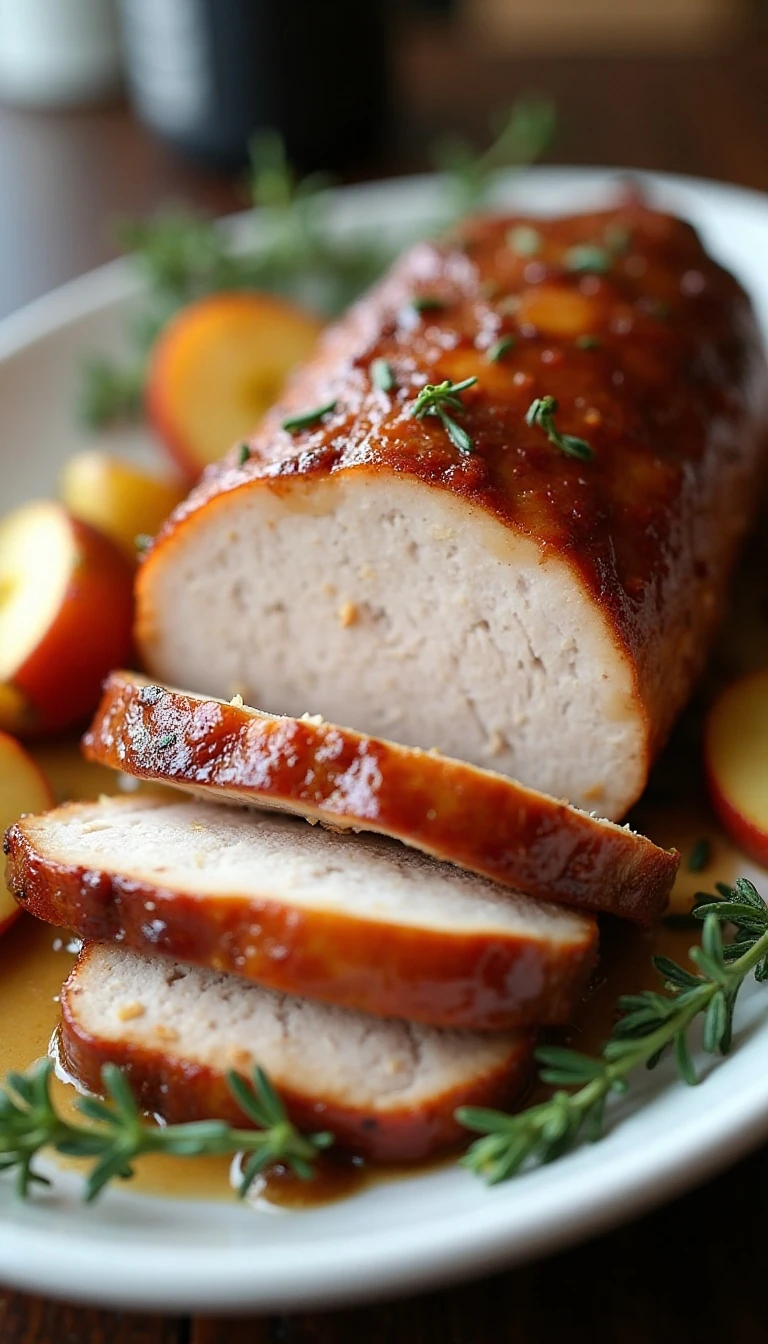
Easy Brown Sugar Dijon Glazed Pork Loin
Ingredients
Method
- Heat the oven to 375°F and line a roasting pan or baking dish with foil. Pat the pork loin dry, trim only thick areas of surface fat, and leave a thin layer for flavor and moisture.
- Whisk the brown sugar, Dijon mustard, olive oil, garlic, vinegar or lemon juice, kosher salt, black pepper, and thyme together in a bowl. Add the optional soy sauce if you want a deeper savory taste.
- Place the pork fat-side up in the prepared pan. Brush it generously with about two-thirds of the glaze, reserving the rest for the end of roasting.
- Roast for 60 to 75 minutes, depending on the roast's size and shape, until the thickest part reaches about 140 to 145°F on an instant-read thermometer.
- Brush the reserved glaze over the pork during the last 10 to 15 minutes. If desired, broil for 1 to 2 minutes to caramelize the surface, watching closely because the brown sugar can burn.
- Transfer the roast to a cutting board, tent it loosely with foil, and rest for 10 to 15 minutes. Slice across the grain and serve warm.
Notes
Final Thoughts
This Easy Brown Sugar Dijon Glazed Pork Loin Recipe is a dependable centerpiece for a comforting dinner. The preparation is straightforward, the ingredient list is pantry-friendly, and the sweet-tangy glaze creates a deeply browned surface with tender slices underneath.
For the best result, use an instant-read thermometer, reserve some glaze for the final 10 to 15 minutes, and give the roast a full 10- to 15-minute rest before slicing. Remember that whole-muscle pork is safely cooked at a minimum of 145°F followed by a 3-minute rest, and a little pinkness in the center can be perfectly normal.
Serve it with simple vegetables and a favorite potato or grain, and you have a dinner that feels special without demanding hours in the kitchen. Once you taste the combination of caramelized brown sugar, lively Dijon, garlic, and herbs, this roast is likely to become a regular part of your dinner rotation.