Darina Allen’s Irish soda scone recipe makes approximately 8–10 rustic scones in about 25–30 minutes, using just plain flour, salt, bicarbonate of soda, and buttermilk. The dough contains no butter, sugar, eggs, or yeast, and the scones are baked immediately in a very hot 230°C/450°F oven for 15–20 minutes.
These traditional Irish soda scones are wonderfully simple: lightly crisp and browned outside, tender and moist inside, with a gentle tang from the buttermilk. Serve them warm with butter, jam, or honey for breakfast, afternoon tea, or a comforting snack straight from the oven.
Jump to RecipeWhy You’ll Love This Recipe

Darina Allen’s Irish soda scones are a perfect example of how a small list of everyday ingredients can produce memorable food. There is no rubbing in cold butter, waiting for yeast, or resting the dough, so the recipe is especially useful when you want fresh baking without a long preparation period.
The flavor is clean and traditional. Flour provides the mild, wheaty base, buttermilk adds a pleasant tang and moisture, while bicarbonate of soda gives the dough its quick rise in the heat of the oven.
Because the scones are not sweetened, they can move easily from breakfast to teatime. Split one while warm, add salted butter and berry jam, or keep the serving savory with a little butter and a bowl of soup.
If you enjoy straightforward home baking, you may also like our basic biscuit recipe, another dependable option for a warm, freshly baked treat.
Ingredients You’ll Need

The ingredient list is short, but each item has a clear role. Use plain or all-purpose flour, rather than self-rising flour, so the amount of bicarbonate of soda remains controlled.
- 450 g plain or all-purpose flour: This is about 1 pound or approximately 3 1/2–3 2/3 cups, depending on how the flour is measured.
- 1 level teaspoon salt: Salt sharpens the flour’s flavor and keeps the scones from tasting flat.
- 1 level teaspoon bicarbonate of soda: This is the quick-acting raising agent that reacts with the acidity in the buttermilk.
- 350–400 ml buttermilk: Begin with most of the amount and add more only if the dough needs it.
The range of buttermilk matters. Different flour brands, measuring habits, and kitchen conditions can change how much liquid the dough absorbs, so the texture is more important than using every last milliliter.
For a seasonal sweet spread, pair these warm scones with a spoonful of homemade fruit preserve. Our late-summer peach cake is another lovely choice for a relaxed afternoon table.
How to Make It Step-by-Step

Step 1: Preheat the oven to 230°C/450°F, or Gas Mark 8. This high temperature is essential because the scones need a strong burst of heat as soon as they enter the oven, so lightly flour the baking sheet while the oven heats.
Step 2: Sift the flour, salt, and bicarbonate of soda into a large bowl. Hold the sieve above the bowl and sift thoroughly so the salt and soda are spread through the flour instead of remaining in concentrated pockets.
Step 3: Make a well in the middle of the dry ingredients and pour in most of the buttermilk. Mix rapidly with a fork or clean hand, then add the remaining buttermilk little by little only when the mixture still looks dry and crumbly.
Step 4: Stop mixing as soon as the dough becomes soft and slightly sticky. It should hold together without looking wet or runny; a shaggy appearance is completely fine at this stage.
Step 5: Turn the dough onto a lightly floured work surface. Fold or knead it only very briefly, using enough movement to bring the loose pieces together without developing a tough texture.
Step 6: Pat the dough to approximately 2–2.5 cm thick, which is about 3/4–1 inch. Cut rounds with a floured cutter, pressing straight down rather than twisting, or form one round and cut it into wedges with a sharp knife.
Step 7: Arrange the shaped dough on the hot floured baking sheet, leaving a little space between pieces. Bake immediately for 15–20 minutes, until the scones have risen and are lightly browned.
Step 8: Check for doneness by tapping the underside of a scone. It should sound hollow; transfer the batch to a wire rack and cool briefly before serving warm.
Pro Tips for Light, Tender Scones
The most important rule is to work quickly. As soon as the acidic buttermilk meets the bicarbonate of soda, the raising reaction begins, so delaying the dough or mixing it excessively can reduce the lift.
Keep a light touch when combining the ingredients. A few small floury patches can disappear during the brief folding stage, but vigorous kneading will make the finished scones dense rather than tender.
- Measure the soda level: Too much bicarbonate of soda can leave a harsh, alkaline taste.
- Add liquid gradually: The dough should be soft and slightly sticky, not wet.
- Flour the cutter: This helps each round release cleanly and keeps the edges neat.
- Do not flatten the dough too much: A thickness of 2–2.5 cm gives the scones room to rise.
- Use a fully preheated oven: Immediate baking gives the best result from the soda and buttermilk.
If the dough feels a little sticky, dust the work surface and your hands lightly rather than adding a large amount of extra flour. Too much added flour can make the crumb dry.
Serving Ideas for Irish Soda Scones
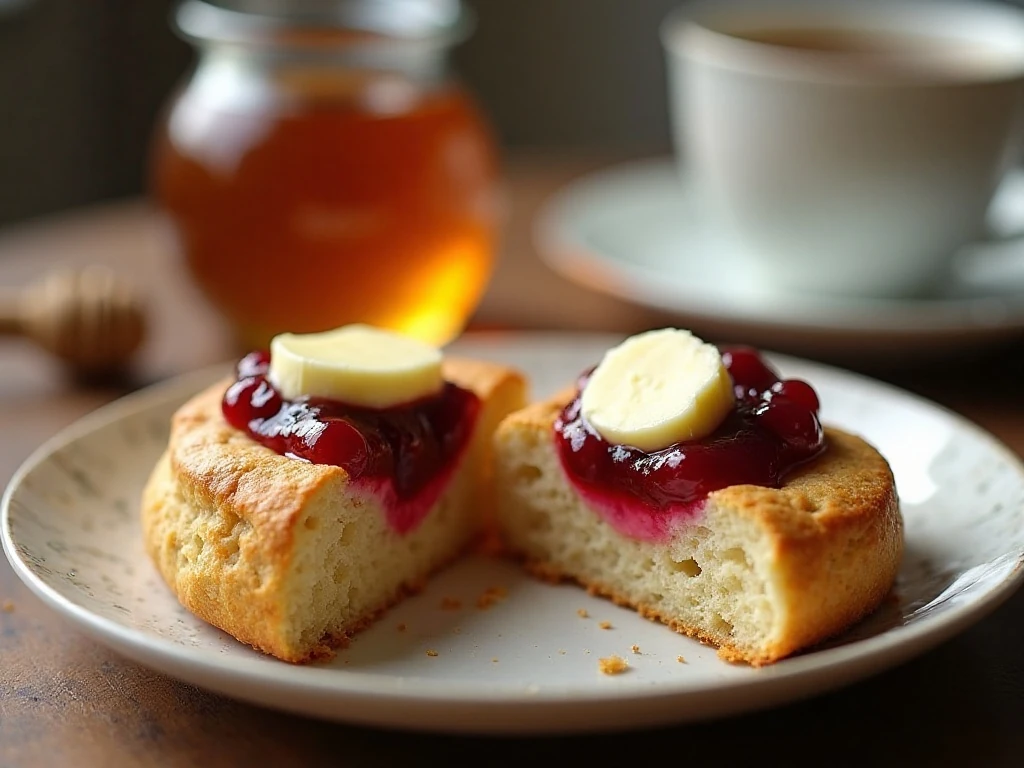
Traditionally, these scones are served warm with butter, jam, or honey. Tear one open instead of slicing it if you want to enjoy the soft interior while it is still steaming gently.
For a classic sweet plate, offer raspberry or strawberry jam, softly whipped cream, and a pot of tea. Honey is especially good when the scone is still warm enough for it to soak slightly into the crumb.
For a savory meal, leave the toppings simple and serve the scones beside soup, stew, or a salad. They would also make a pleasant accompaniment to roasted vegetables, including these balsamic honey roasted cabbage steaks.
Although the dough itself is plain, the scones can also be part of a larger brunch spread. For a playful dessert table, add our caramel apple donuts alongside fruit, tea, and coffee.
Storage and Reheating

These soda scones are at their best on the day they are baked, particularly while still warm. If you have leftovers, cool them completely before placing them in an airtight container at room temperature.
To refresh a scone, warm it in a moderate oven until heated through. A short warming period helps restore some of the fresh-baked softness, while serving it with butter or jam adds moisture and flavor.
You can also split leftovers and toast them lightly. Avoid storing them while hot, because trapped steam can make the crust soft and the interior gummy.
For a party or casual gathering, serve the scones with a few easy accompaniments. A bowl of dill pickle dip is a fun savory contrast if you are offering wedges with vegetables or other snack foods.
Common Questions
Can I use all the buttermilk at once? It is better to start with most of it and add the rest gradually. Flour absorbs liquid differently, and using less may be enough to create the correct soft, slightly sticky dough.
Why did my scones turn out heavy? The most common causes are overmixing, excessive kneading, too much flour added during shaping, or an oven that was not fully hot. Mix quickly and bake as soon as the dough is shaped.
Can I make them sweeter? This traditional formula is plain and does not include sugar. Adding sugar would change the character of the recipe, so use jam, honey, or another topping for sweetness.
Should I use a cutter or make wedges? Either method works. A floured cutter produces individual round scones, while shaping one round and cutting wedges is quick and minimizes handling.
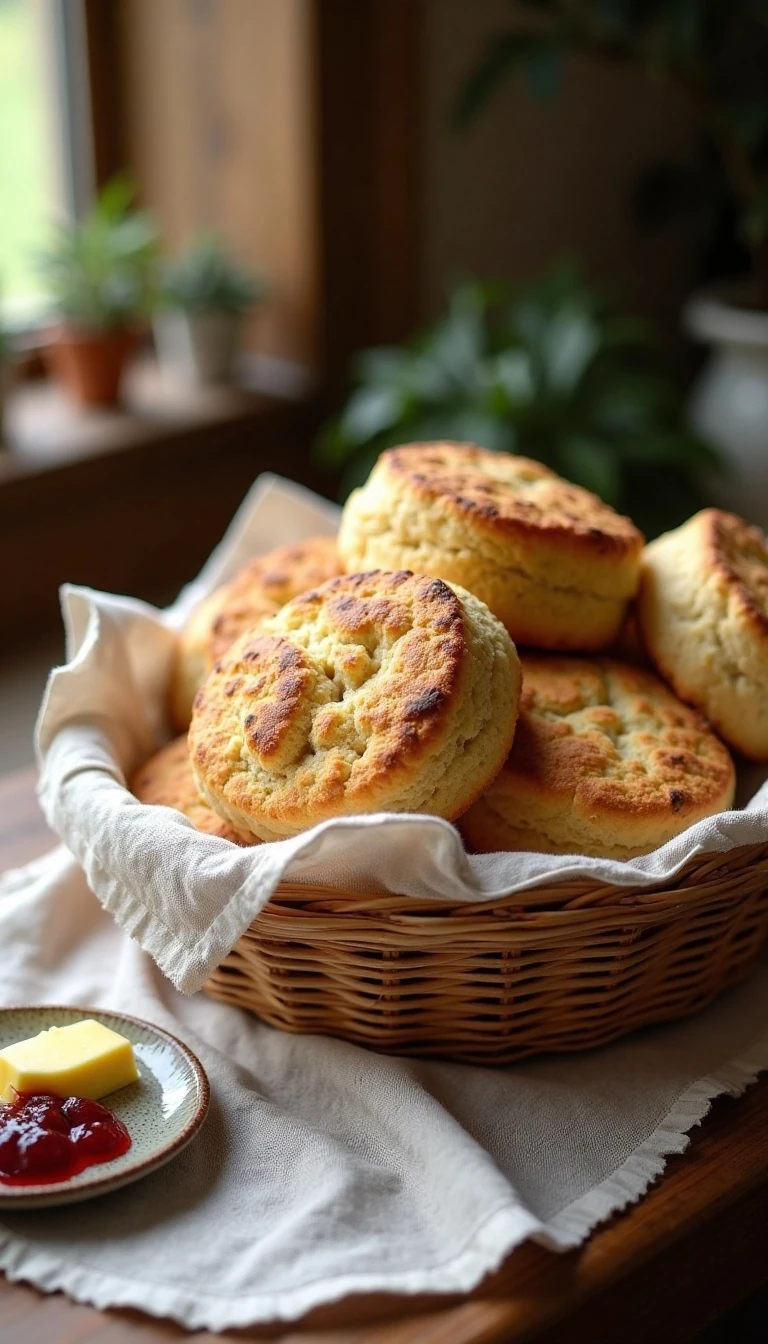
Darina Allen's Irish Soda Scones
Ingredients
Method
- Preheat the oven to 230°C/450°F, or Gas Mark 8. Lightly flour a baking sheet so the scones can be transferred directly to it without sticking.
- Sift the flour, salt, and bicarbonate of soda into a large mixing bowl. Sifting distributes the raising agent evenly and helps keep the finished scones light.
- Make a well in the center and pour in most of the buttermilk. Mix quickly with a fork or your hand, adding the remaining buttermilk only as needed to create a soft, slightly sticky dough.
- Turn the dough onto a lightly floured surface and knead or fold it very briefly, just enough to bring it together. Avoid working it more than necessary.
- Pat the dough to approximately 2–2.5 cm or 3/4–1 inch thick. Cut rounds with a floured cutter, or shape the dough into a round and cut it into wedges.
- Place the scones on the hot, lightly floured baking sheet and bake for 15–20 minutes. They are ready when risen, lightly browned, and hollow-sounding when the underside is tapped.
- Transfer the baked scones to a wire rack and cool briefly. Serve warm with butter, jam, or honey.
Notes
Final Thoughts
Darina Allen’s Irish soda scones are the kind of recipe worth keeping close: fast, economical, and deeply satisfying. With only four ingredients and no resting time, you can have a warm batch on the table in roughly half an hour.
Remember the three keys to success: add the buttermilk gradually, handle the dough briefly, and bake it immediately in a fully preheated 230°C/450°F oven. Those small details protect the tender crumb and gentle rise that make these scones so appealing.
Serve them fresh with butter, jam, or honey, and enjoy the simple pleasure of traditional Irish baking. Once you taste the warm, lightly crisp edges and soft center, this plain soda scone recipe may become a regular part of your breakfast and afternoon tea routine.
1 thought on “Darina Allen’s Irish Soda Scone Recipe: Quick, Rustic Ballymaloe-Style Baking”