Chocolate-covered oranges are one of the easiest homemade desserts you can make. Peel and separate four seedless oranges or clementines, dip each dry segment halfway into 170 g (6 oz) of melted semisweet or dark chocolate, add a pinch of flaky sea salt if you like, and refrigerate the pieces for 20–30 minutes until firm.
Each bite combines juicy, tangy citrus with rich chocolate that sets into a delicate, satisfying shell. The fruit keeps the treat fresh and bright, while dark or semisweet chocolate brings enough bitterness to balance the orange’s natural acidity without making the dessert overly sweet.
Jump to RecipeWhy You’ll Love This Recipe
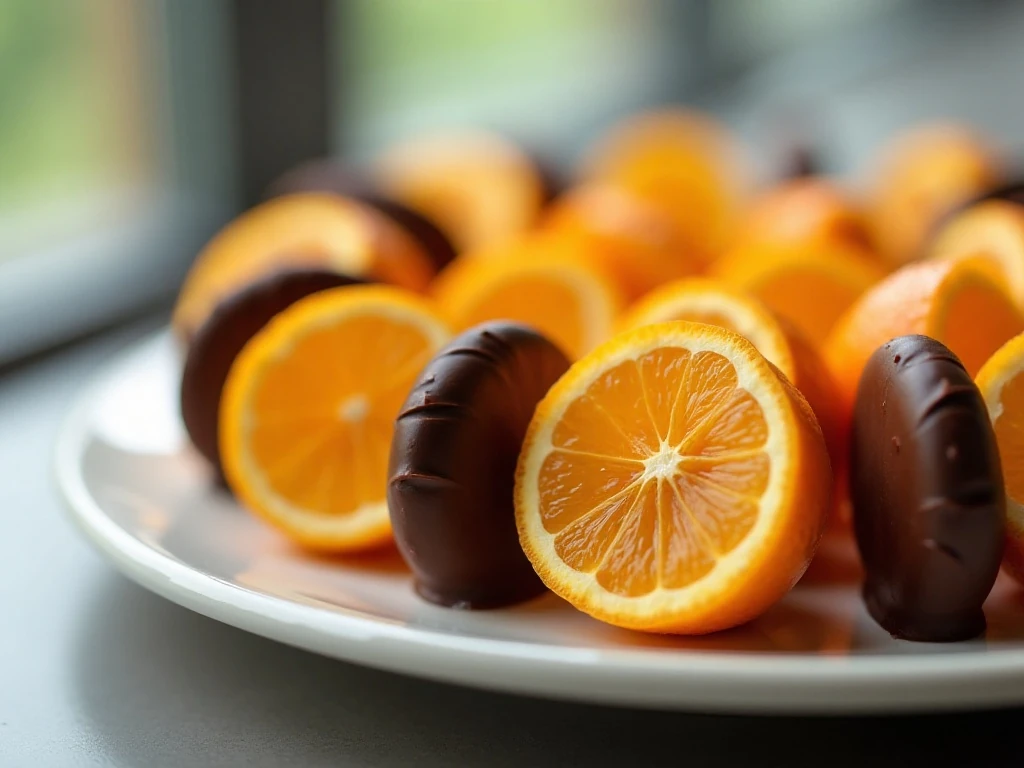
This dessert has the charm of a special confection but requires very little preparation. There is no cake batter, sugar syrup, oven, or complicated decorating technique, so it is a practical choice when you want something sweet in a hurry.
The ingredient list is short, yet the flavor feels thoughtfully composed. Bright orange juice pops against the deep cocoa notes, and the chocolate shell gives each tender segment a pleasant contrast in texture.
These pieces are also easy to serve. Arrange them on a platter for a dinner party, tuck a few into a lunchbox, or make a small batch when a craving for chocolate and fruit strikes.
- Ready in about 40–50 minutes, including chilling time.
- Made with only four main ingredients when the optional toppings are skipped.
- Easy to adapt with dark or semisweet chocolate.
- Best served cold for a crisp chocolate coating and juicy center.
If you enjoy simple chocolate desserts for holidays and gatherings, our white chocolate Oreo idea is another festive option to keep in your recipe collection.
Ingredients You’ll Need
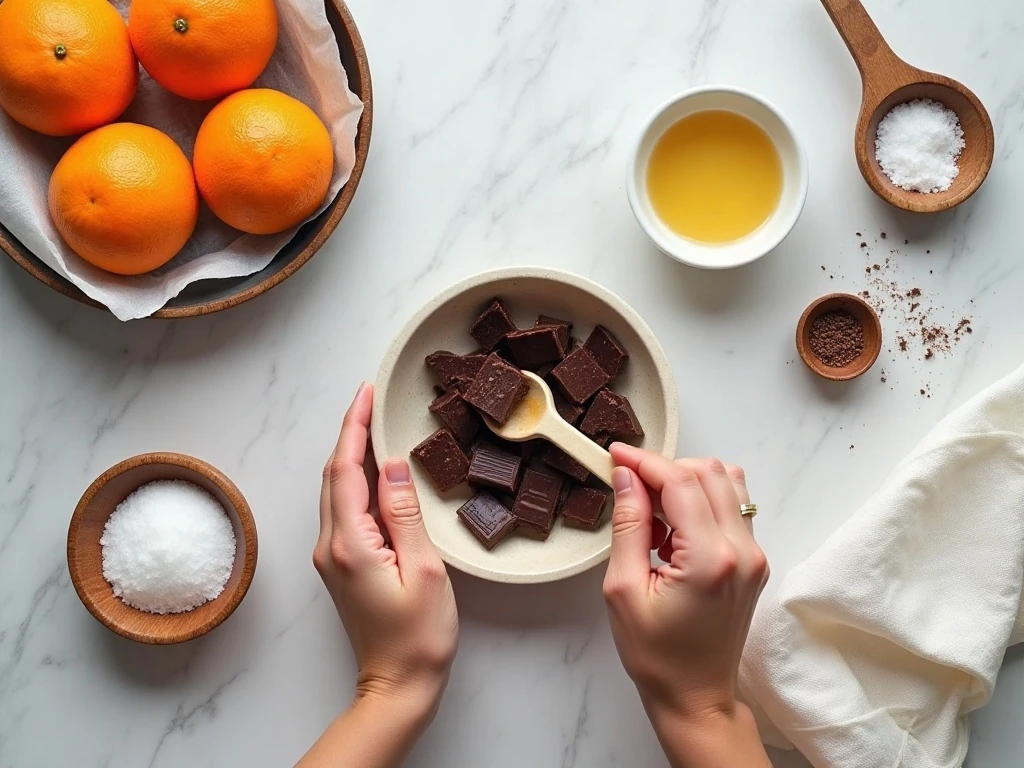
Choose four seedless oranges or clementines that feel heavy for their size and have firm, unblemished skin. Clementines are especially convenient because their segments are usually small, easy to peel, and naturally suited to bite-size treats.
For the coating, use 170 g (6 oz) of semisweet or dark chocolate with roughly 60–70% cocoa. Chopped bar chocolate generally melts more smoothly than many chocolate chips, although good-quality chips can work when that is what you have available.
One teaspoon of coconut oil or vegetable shortening is optional. It helps make the melted chocolate smoother for dipping and can give the finished coating a slightly less brittle bite.
- Oranges or clementines: Fresh, seedless fruit is the quickest method for this recipe.
- Chocolate: Semisweet or dark varieties balance the acidity of the citrus.
- Coconut oil or shortening: Optional, for a smoother dipping consistency.
- Flaky sea salt: Optional, for a delicate salty contrast.
Have parchment paper and paper towels ready before you begin. The towels are especially important because even a thin film of juice or water can make the chocolate seize or slide off the fruit.
How to Make It Step-by-Step
Step 1: Peel the oranges and separate them carefully into segments. Pull away excess white pith and remove any visible seeds, taking care not to tear the delicate membranes more than necessary.
Step 2: Pat every segment extremely dry with paper towels. Turn the pieces gently and blot all sides, since moisture is the most common reason melted chocolate becomes grainy or refuses to cling to the fruit.
Step 3: Line a baking sheet or plate with parchment paper. Keep it beside the chocolate bowl so each dipped segment can go directly onto the prepared surface without being handled repeatedly.
Step 4: Melt the chocolate with the coconut oil or vegetable shortening, if using. In a microwave, heat it in 20–30-second intervals and stir between each interval; for stovetop melting, place it in a heatproof bowl over gently simmering water and stir until smooth.
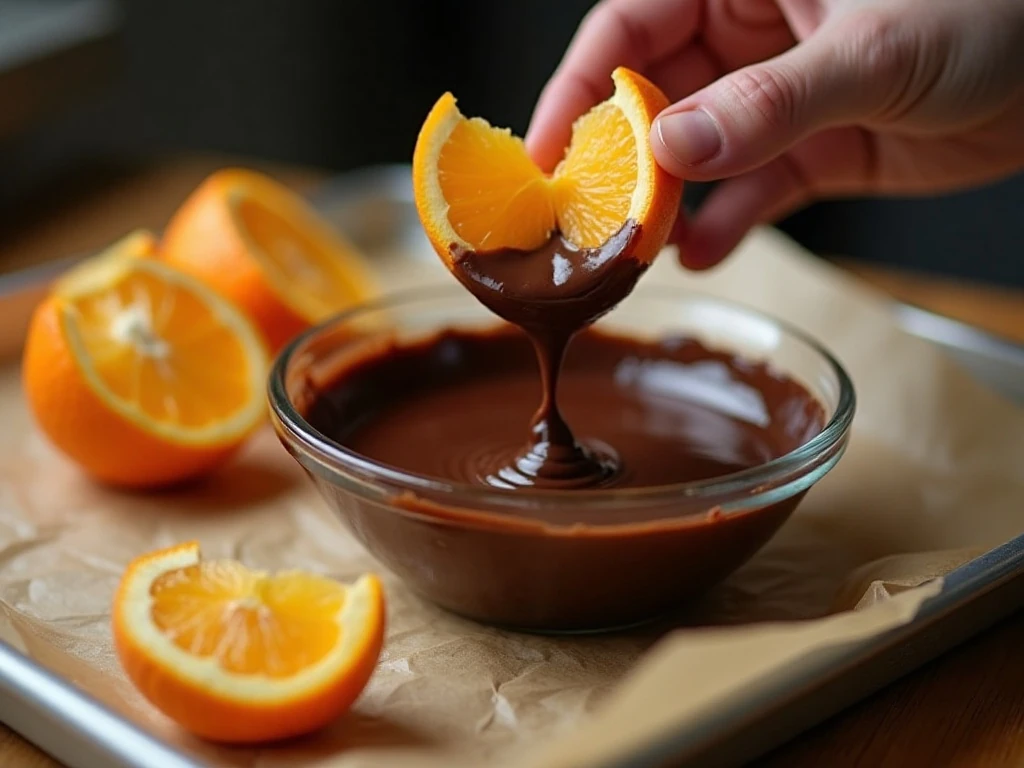
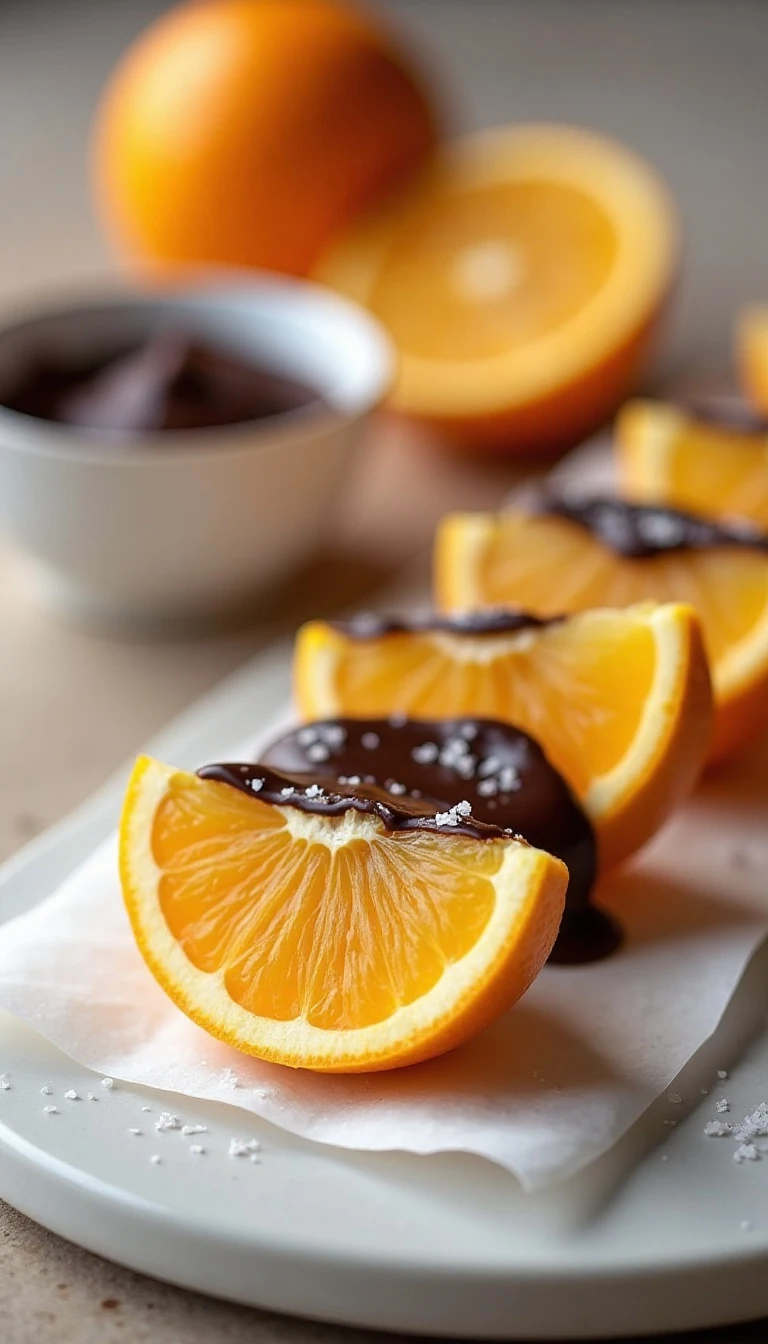
Step 5: Dip one orange segment halfway into the melted chocolate. Let the excess coating drip back into the bowl, which keeps the shell neat and prevents a thick puddle from forming beneath the fruit.
Step 6: Set the coated segment on the parchment with the chocolate side facing up or resting lightly on the paper. Continue with the remaining segments, stirring the chocolate occasionally if it begins to cool and thicken.
Step 7: Sprinkle a small amount of flaky sea salt over the chocolate while it is still wet. Use a light touch because the salt should highlight the citrus and cocoa rather than dominate them.
Step 8: Refrigerate the tray for 20–30 minutes, until the chocolate coating is firm. Serve the pieces cold or let them stand briefly at room temperature if you prefer a slightly softer chocolate shell.
Pro Tips for Smooth, Glossy Chocolate
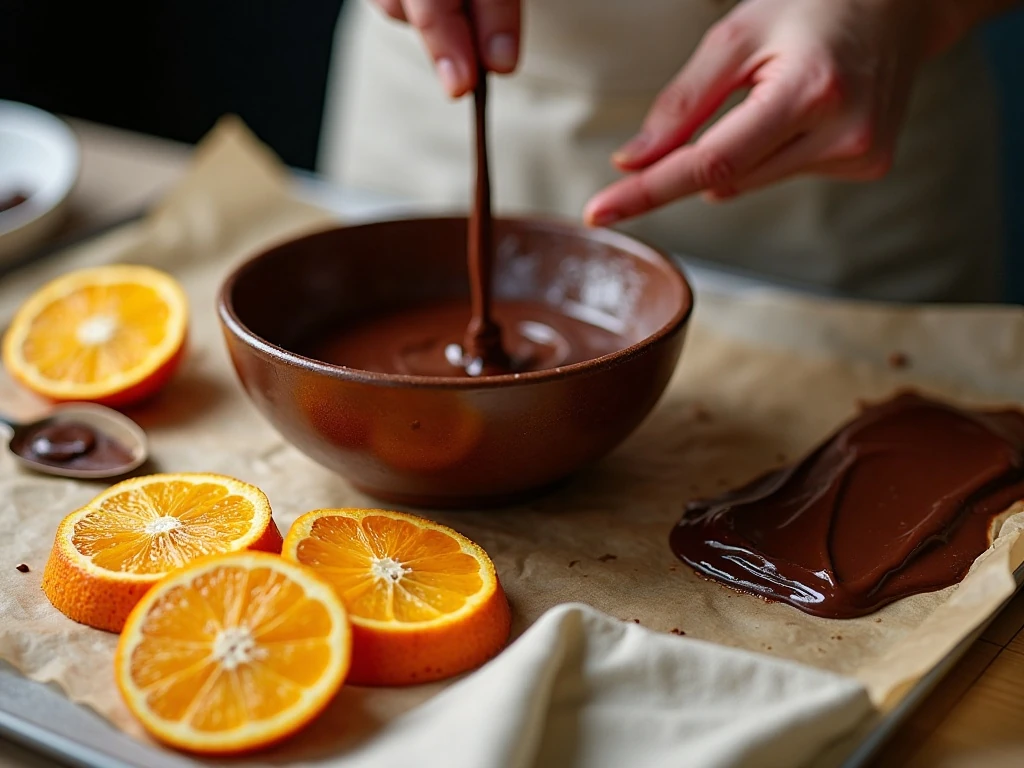
Dry fruit is the first and most important rule. Orange segments naturally release juice, so patting them thoroughly just before dipping makes a noticeable difference in both appearance and texture.
Use gentle heat when melting chocolate. Overheating can make it thick, dull, or difficult to work with, while slow warming and frequent stirring help preserve a smooth finish.
Chop a chocolate bar into small, evenly sized pieces before melting. Smaller pieces soften at a similar rate, which reduces the need for extra heating and helps avoid hot spots.
Do not dip the entire segment unless you want a heavier coating. Half-dipping shows off the vivid orange color and creates a more balanced bite, with just enough chocolate to complement the fruit.
For a firmest, most polished finish, properly tempered chocolate is an option. However, the simple method described here, with gentle melting and optional coconut oil, is well suited to an easy home dessert.
For another make-ahead chocolate dessert, you can also browse this no-bake chocolate dessert when you want something creamy and spoonable instead of fruit-based.
Flavor Variations and Serving Ideas
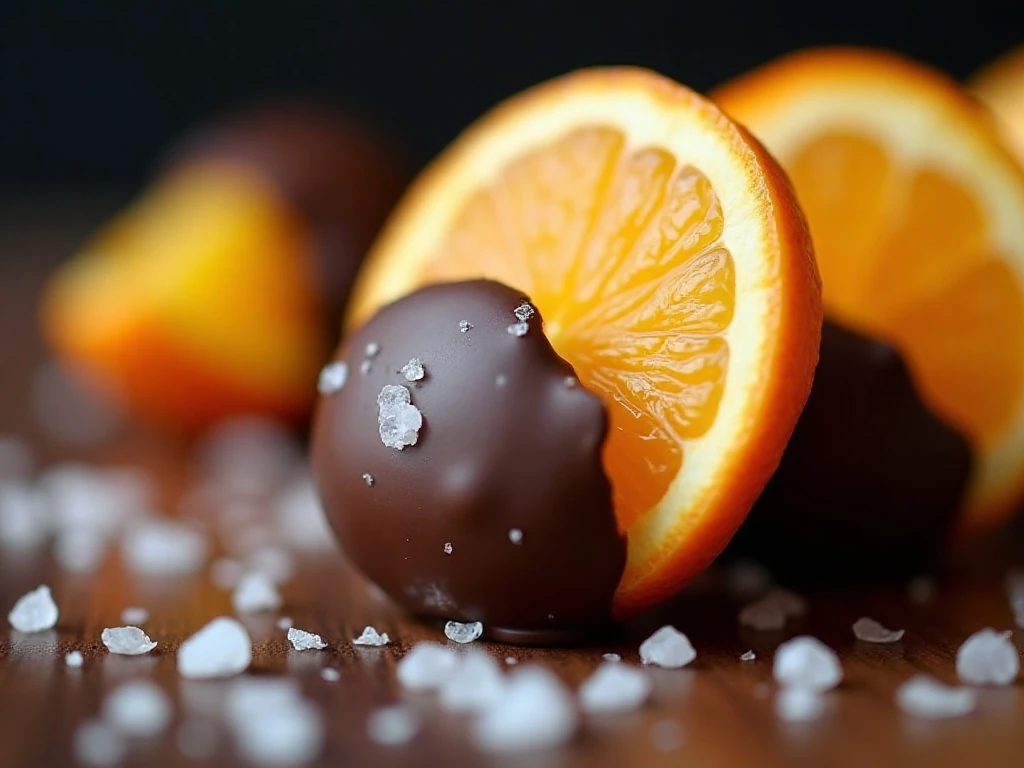
Dark chocolate gives the strongest cocoa flavor and a pleasantly bitter edge, while semisweet chocolate creates a rounder, more familiar candy-shop taste. Both choices work well with orange, so select the style you enjoy most.
Flaky sea salt is optional, but it adds tiny bursts of savoriness that make the chocolate taste fuller. Sprinkle it sparingly and only while the coating is wet so it sticks securely.
Try serving the finished segments beside coffee or tea after dinner. They also look attractive arranged in a single layer on a white plate, where the dark coating and bright citrus create a simple color contrast.
For a dessert board, combine the orange pieces with nuts, fresh berries, or other small sweets. If you are planning a full meal, a savory favorite such as simple chicken Parmesan can come before this light, refreshing finish.
Keep the preparation focused on fresh segments. Candied orange slices and peels are delicious but require a separate sugar-syrup cooking process, making them a different style of recipe rather than a shortcut for this one.
Storage and Make-Ahead Advice
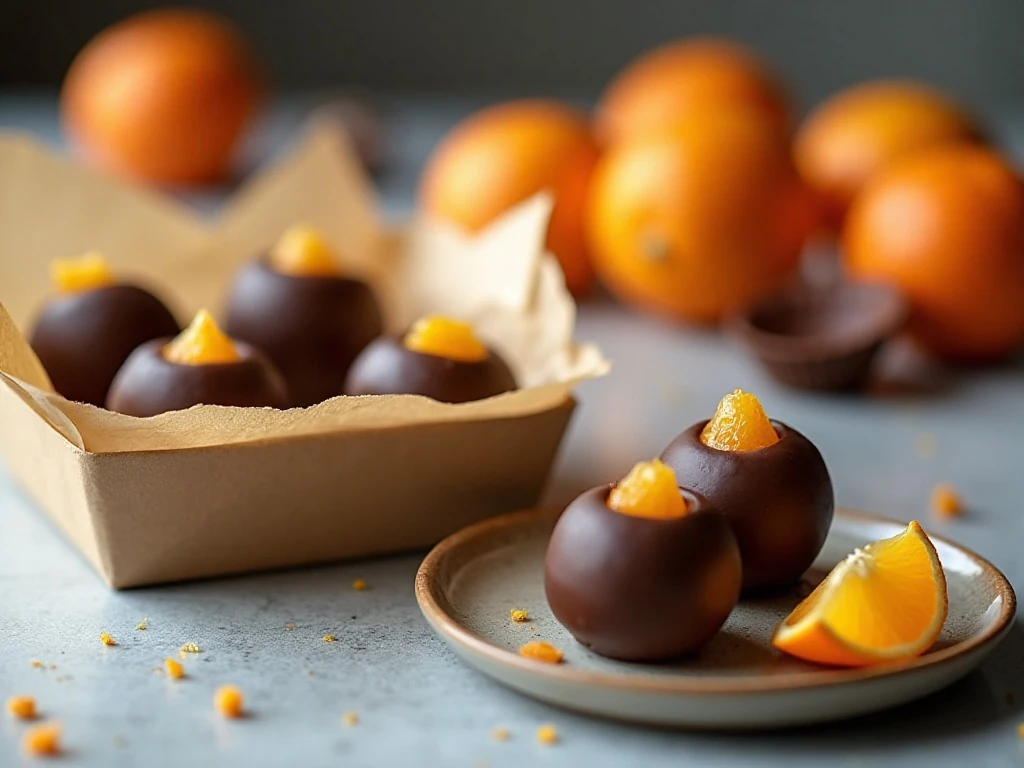
Once the chocolate is firm, transfer the pieces to an airtight container and keep them refrigerated. Place parchment between layers if you need to stack them, although a single layer helps protect the coating and keeps the fruit looking tidy.
Eat the chocolate-covered oranges within 1–2 days for the freshest texture. Over time, the fruit can release moisture, which may soften the chocolate and make the segments less appealing.
These treats are best made shortly before serving, but the 20–30-minute chilling period makes them convenient for entertaining. Prepare them earlier on the same day, then keep them cold until your guests are ready for dessert.
Let the chocolate cool naturally if it becomes too thick during dipping. Avoid adding water or liquid flavorings, since moisture can cause melted chocolate to seize.
If you are assembling a winter dessert spread, pair these citrus bites with a homemade hot chocolate mix for a cozy combination of warm cocoa and cool, juicy fruit.
Common Questions
Can I use milk chocolate? You can, but semisweet or dark chocolate is the preferred choice because its bitterness balances the orange’s acidity. Milk chocolate makes the result noticeably sweeter and softer in flavor.
Why is my chocolate not sticking? The orange segments were probably damp, or the chocolate may have been too thin. Pat the fruit very dry, allow excess chocolate to drip back into the bowl, and chill the pieces promptly.
Can I use chocolate chips? Yes, chocolate chips can be used, though chopped bar chocolate often melts more smoothly. Stir frequently and heat gently whichever type you choose.
Do I have to add coconut oil? No. It is optional and simply helps create a smoother dipping texture; the recipe works without it.
What else can I serve with these? They are lovely with coffee, tea, or a scoop of vanilla ice cream. For another chewy chocolate treat on the same platter, consider adding chocolate walnut cookies.
Chocolate-Covered Oranges
Ingredients
Method
- Peel the oranges and separate them into individual segments. Remove as much excess white pith and any seeds as possible, then pat every segment extremely dry with paper towels.
- Line a baking sheet or large plate with parchment paper. Arrange the lined surface close to your work area so the dipped fruit can be transferred quickly.
- Place the chopped chocolate and coconut oil, if using, in a microwave-safe bowl. Microwave in 20–30-second intervals, stirring thoroughly between each interval, until smooth; alternatively, melt it in a heatproof bowl over gently simmering water.
- Dip each orange segment halfway into the melted chocolate. Hold it above the bowl for a moment so excess chocolate drips back, then place the coated segment on the parchment.
- Sprinkle the wet chocolate lightly with flaky sea salt if desired. Refrigerate the dipped segments for 20–30 minutes, or until the coating is firm.
Notes
Final Thoughts
Chocolate-covered oranges prove that an impressive dessert does not need a long ingredient list or a complicated method. With four fresh oranges or clementines, 170 g of smooth semisweet or dark chocolate, and a short chilling period, you can create a treat that looks polished and tastes wonderfully fresh.
Remember to dry the segments thoroughly, melt the chocolate gently, and sprinkle the salt before the coating sets. Those small details keep the chocolate smooth and firmly attached while allowing the natural orange flavor to remain the star.
Serve the finished pieces cold, share them with friends, or keep a few tucked in the refrigerator for a quick sweet bite. This simple recipe is bright, crisp, rich, and easy enough to make whenever you have extra citrus waiting on the counter.