This sweet and buttery baked acorn squash recipe turns two humble winter squash into a tender, golden side dish in about 1 hour. The squash bakes at 375°F (190°C), first cut-side down with a shallow amount of water, then cut-side up with butter, brown sugar, cinnamon, nutmeg, and salt until the flesh is fork-tender.
Each serving is rich, buttery, gently spiced, and naturally sweet, with caramelized brown sugar melting into the squash’s roasted flesh. It is easy enough for a weeknight dinner but warm and attractive enough for Thanksgiving, a Sunday roast, or any cozy fall meal.
Jump to RecipeWhy You’ll Love This Recipe
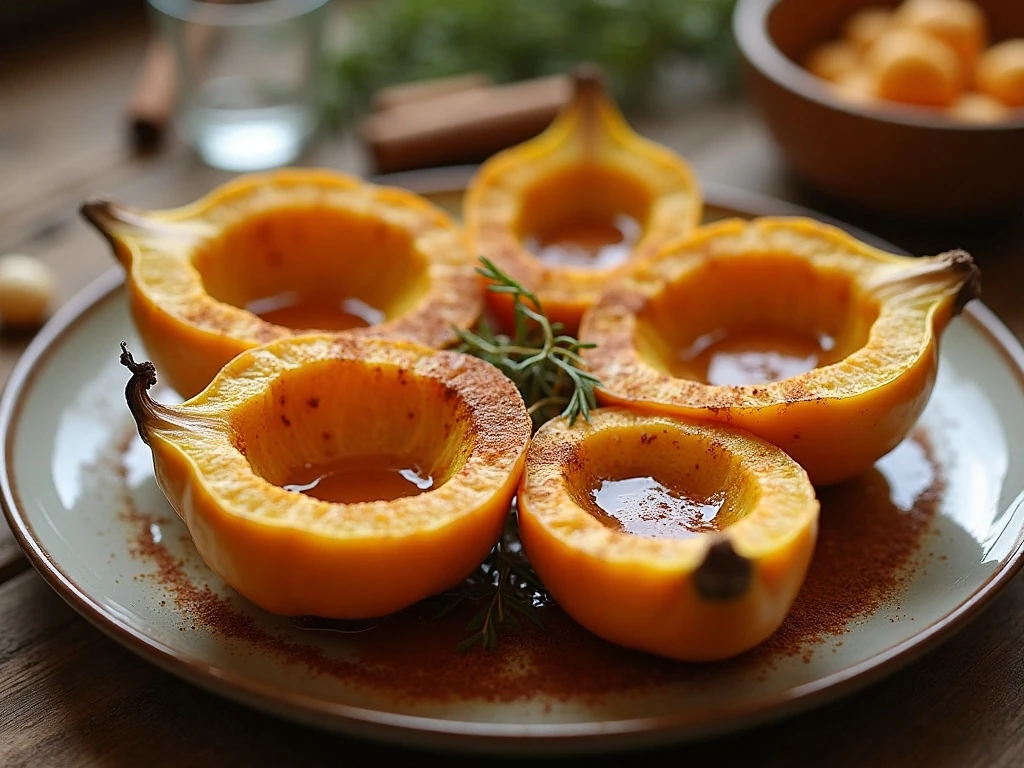
Acorn squash has a naturally mellow sweetness, but baking brings out a deeper, almost nutty flavor. The butter melts into the ridges of the squash while brown sugar forms a glossy, lightly caramelized topping.
The method is forgiving and wonderfully simple. A brief first bake softens the thick squash, and the second bake allows the seasonings to soak into the flesh without burning the sugar too early.
This recipe also makes an appealing vegetarian side dish with very little hands-on work. The squash can share the table with roast chicken, pork, turkey, or a hearty grain-based entrée.
If you are planning a comfort-food dinner, pair this squash with our creamy twice-baked potatoes for a rich and satisfying spread.
Ingredients You’ll Need
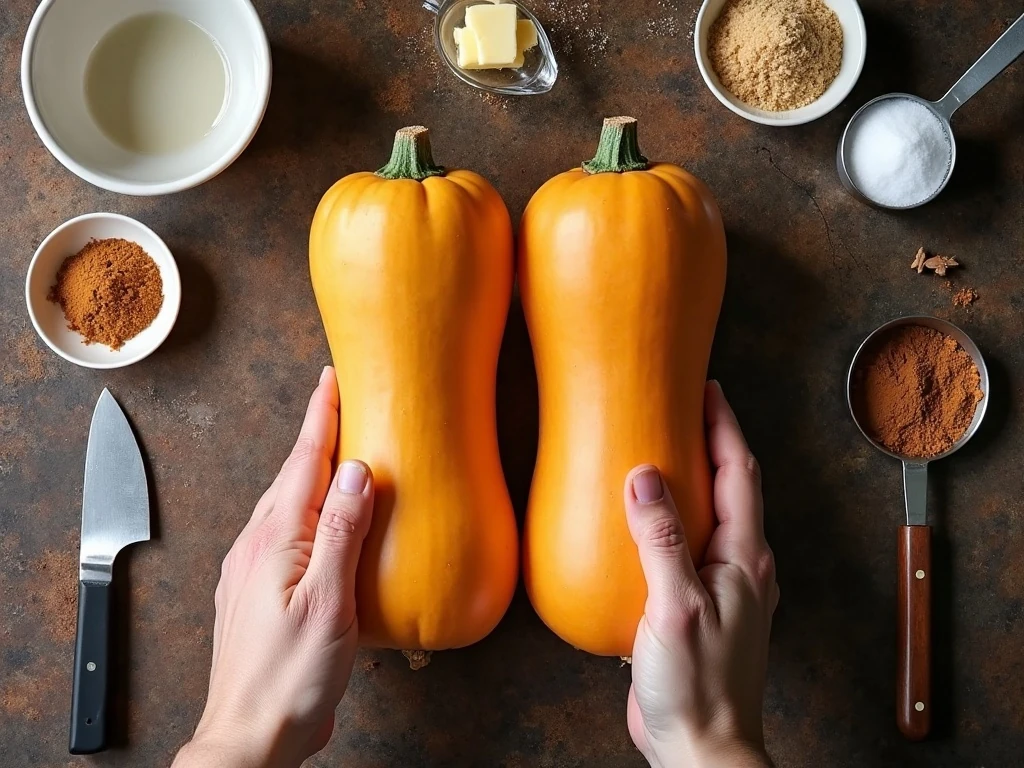
The ingredient list is short, so the quality and balance of each item matter. Choose acorn squash that feel heavy for their size and have firm, unblemished skin.
- Acorn squash: Two medium squash, about 1 1/2 pounds each, provide four generous halves.
- Unsalted butter: Four tablespoons create the silky sauce and let you control the salt.
- Light brown sugar: Four tablespoons add a warm molasses note and help the surface brown.
- Warm spices: Cinnamon gives the dish its familiar autumn aroma, while nutmeg adds a subtle, optional depth.
- Kosher salt: Salt keeps the finished squash from tasting one-dimensionally sweet.
- Water: A 1/4 cup in the baking dish creates gentle steam during the first stage without flooding the squash.
For a slightly different finish, maple syrup may replace some or all of the brown sugar. Add it only during the final baking stage so it has less time to scorch.
How to Make It Step-by-Step
Step 1: Heat the oven to 375°F (190°C), giving it time to reach a steady temperature while you prepare the squash. Carefully cut each squash in half lengthwise, keeping your fingers away from the knife’s path, and use a sturdy spoon to remove the seeds and stringy pulp.
Step 2: Arrange the squash halves cut-side down in a baking dish. Pour in about 1/4 cup water, creating a shallow layer of roughly 1/4 inch around the squash rather than submerging it.
Step 3: Bake the covered-by-position squash cut-side down for 25–30 minutes. The halves should begin to soften, but they do not need to be fully tender yet because they will finish cooking after the butter and sugar are added.
Step 4: Carefully turn each half cut-side up, using tongs or a wide spatula if the squash is hot and slippery. Score the flesh lightly in a crosshatch pattern, taking care not to cut through the skin, so the butter and sugar can settle into the grooves.
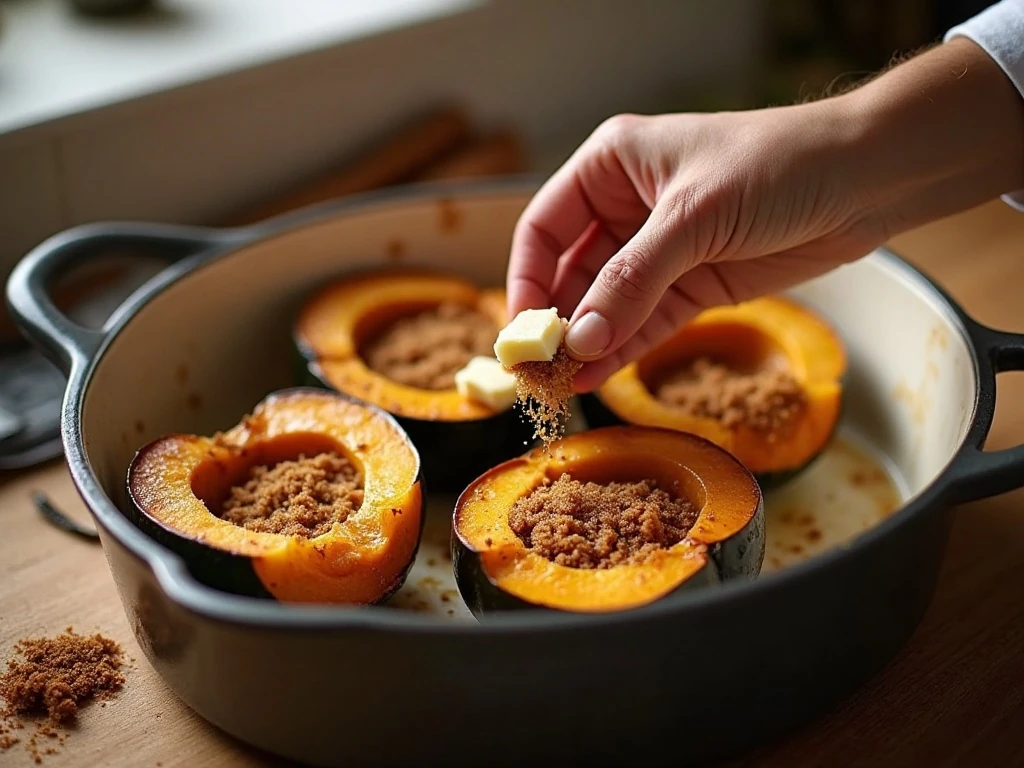
Step 5: Place 1 tablespoon of butter and 1 tablespoon of packed brown sugar into each squash half. Sprinkle the cinnamon, optional nutmeg, and kosher salt evenly over the four portions.
Step 6: Return the dish to the oven and bake uncovered for another 20–25 minutes. The squash is ready when a fork slides easily into the thickest part and the butter-sugar mixture looks glossy and lightly browned.
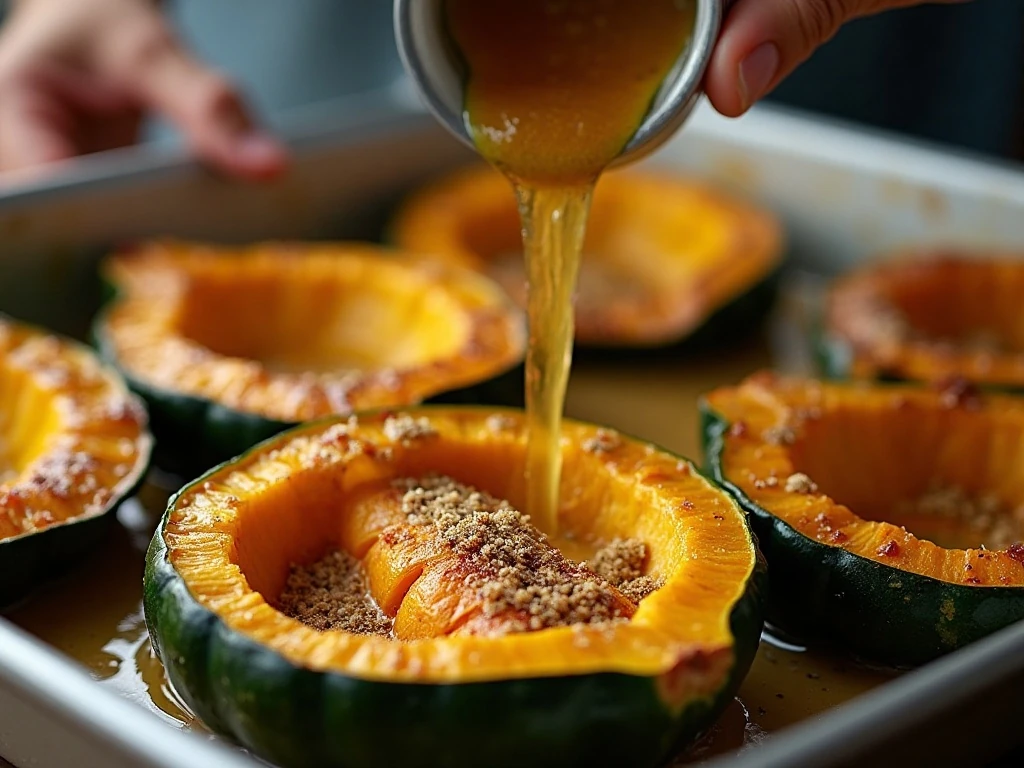
Step 7: Spoon the melted butter and sugar mixture over the flesh before serving. This final spooning distributes the sauce from the center across every tender ridge and gives each bite a balanced buttery sweetness.
Pro Tips for Tender, Flavorful Squash
Cut safely: Acorn squash can be very firm, so use a sharp chef’s knife and a stable cutting board. If a squash rocks, trim a very small slice from the bottom to help it sit securely, then cut lengthwise.
Keep the water shallow: The water provides moisture during the first bake, but too much can make the squash watery and limit browning. About 1/4 cup in the dish is sufficient for this recipe.
Do not cover the second bake: Finish the squash uncovered so excess moisture can escape and the butter and sugar can develop a richer surface.
Score without piercing: A light crosshatch is enough. Deep cuts may cause the flavorful butter to drain away rather than remain pooled in the flesh.
Check early: Squash size and shape vary, so begin testing for tenderness near the end of the 20–25 minute final baking window. A fork should meet little resistance in the thickest portion.
For a complete autumn menu, the squash pairs beautifully with a simple protein. Its sweet seasoning also provides a pleasant contrast beside spicy dishes such as this Thai sweet chili chicken.
What to Serve with Baked Acorn Squash
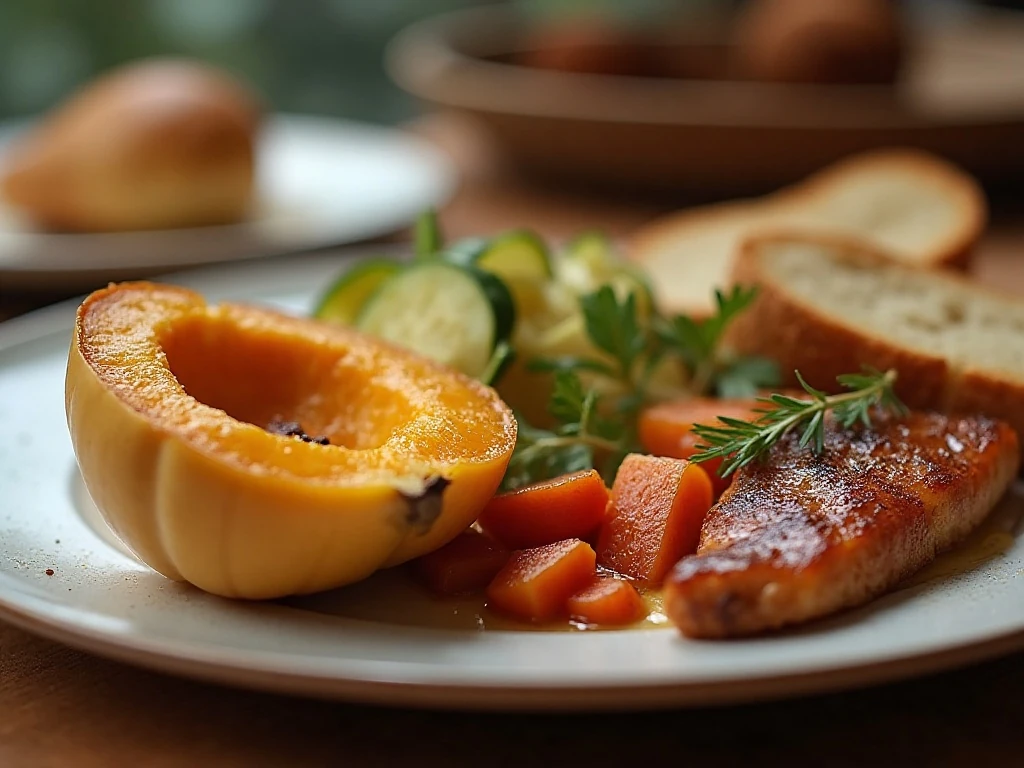
Serve one squash half per person as a side dish, or slice the tender flesh from the skin and spoon it onto a platter for a family-style presentation. The buttery sauce is especially good with roasted meats because it adds moisture and a gentle sweetness.
For a seafood dinner, place the squash beside crisp, coconut-coated shrimp. Our baked coconut shrimp would make a fun contrast of textures, pairing tender squash with a crunchy entrée.
It also belongs on a holiday table beside green beans, roasted carrots, stuffing, or a simple salad. If you are serving it for brunch, offer a softly toasted bread alongside it; a rustic loaf such as this Dutch oven baked bread is ideal for catching any extra butter and sugar.
For a cozy weekend spread, you can even serve small portions with a savory breakfast bake and a lightly sweet baked treat. These Irish soda scones would complement the squash’s warm spice profile without requiring a complicated menu.
Storage and Reheating
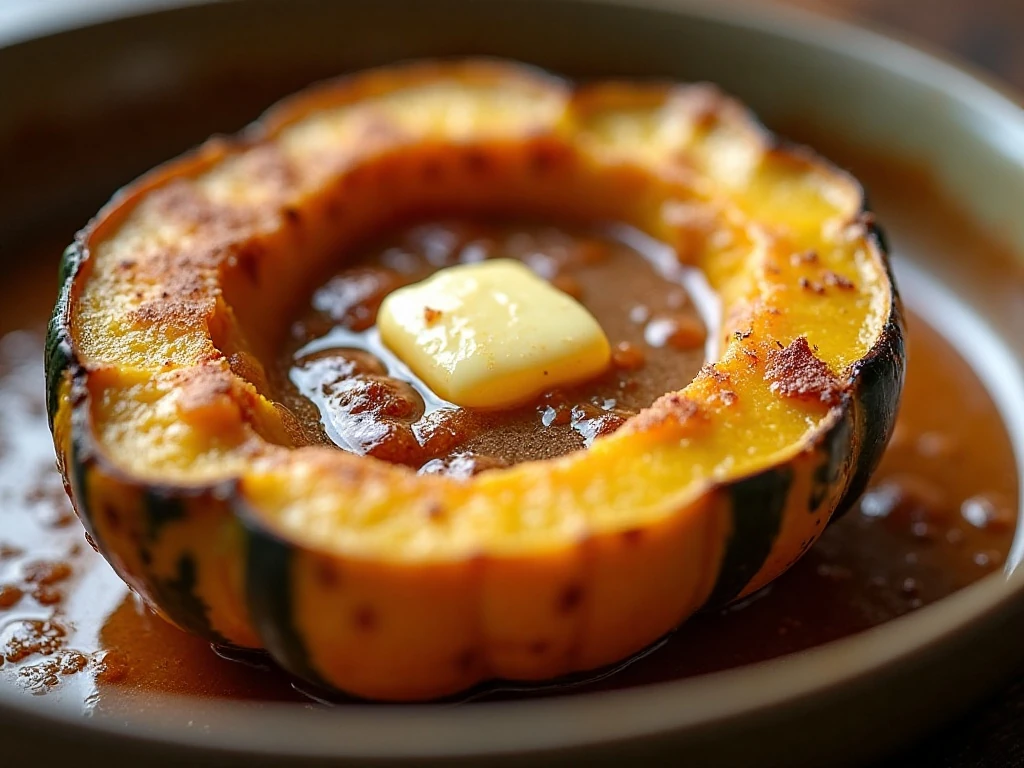
Allow leftovers to cool, then transfer the squash to an airtight container and refrigerate it. For the best texture, enjoy it within a few days and keep the halves intact until reheating.
Reheat the squash in a 350°F oven until warmed through, placing it in a baking dish and covering it loosely if the surface begins to darken. You can also microwave an individual half in short intervals, though the oven preserves more of the roasted texture.
If the butter and sugar sauce has firmed up in the refrigerator, spoon it back over the squash before reheating. Add a small splash of water to the dish only if the squash looks dry, keeping the amount modest so the flesh does not become watery.
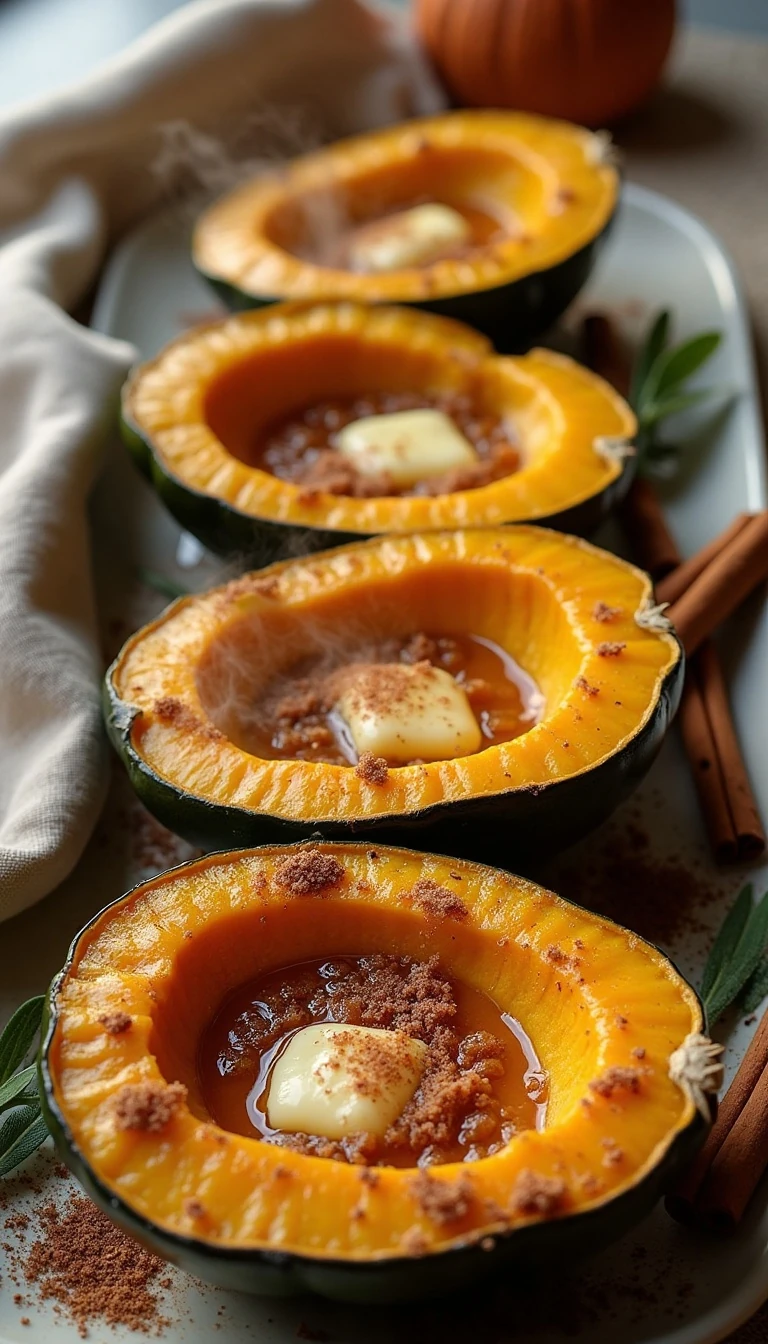
Sweet and Buttery Baked Acorn Squash
Ingredients
Method
- Heat the oven to 375°F (190°C). Carefully halve the acorn squash lengthwise and scrape out the seeds and stringy pulp.
- Place the squash halves cut-side down in a baking dish and add about 1/4 cup water, or enough for a shallow layer of about 1/4 inch. Bake for 25–30 minutes, until the squash begins to soften.
- Turn the squash halves cut-side up. Lightly score the flesh in a crosshatch pattern, then place 1 tablespoon butter and 1 tablespoon brown sugar into each half.
- Sprinkle the cinnamon, optional nutmeg, and kosher salt over the squash. Return the dish to the oven and bake uncovered for another 20–25 minutes, until the flesh is very tender when pierced with a fork.
- Spoon the melted butter and brown sugar mixture over each squash half before serving. Serve hot, allowing the glossy sauce to run into the scored flesh.
Notes
Final Thoughts
This sweet and buttery baked acorn squash is proof that a few familiar ingredients can create a memorable side dish. The two-stage bake produces tender flesh, while butter, brown sugar, cinnamon, nutmeg, and salt create a warm sauce that is both comforting and balanced.
Remember the most important details: use a shallow amount of water, score the flesh lightly, and bake uncovered during the final 20–25 minutes. Spoon the melted topping over the squash just before serving, and bring it to the table while the edges are glossy and fragrant.
Whether it accompanies a holiday roast or becomes the centerpiece of a simple vegetarian plate, this recipe is easy to repeat and inviting to share. Keep it in your collection for the first cool evenings of fall, when a hot, golden squash feels exactly right.
1 thought on “Sweet and Buttery Baked Acorn Squash Recipe”