This Glazed Old-Fashioned Buttermilk Doughnut Bundt Cake is the answer when you want the cozy flavor of a fresh cake doughnut in a generous, sliceable dessert. The tender vanilla-and-nutmeg cake takes about 20–25 minutes to prepare, bakes for 45–55 minutes, and serves approximately 12–16 people.
Every slice has a soft, buttery crumb, gentle tang from buttermilk, and the unmistakable warm aroma of nutmeg. A thick confectioners’ sugar glaze settles over the ridges like the icing on a classic doughnut, making this cake beautiful enough for brunch and comforting enough for an afternoon coffee break.
Jump to RecipeWhy You’ll Love This Recipe
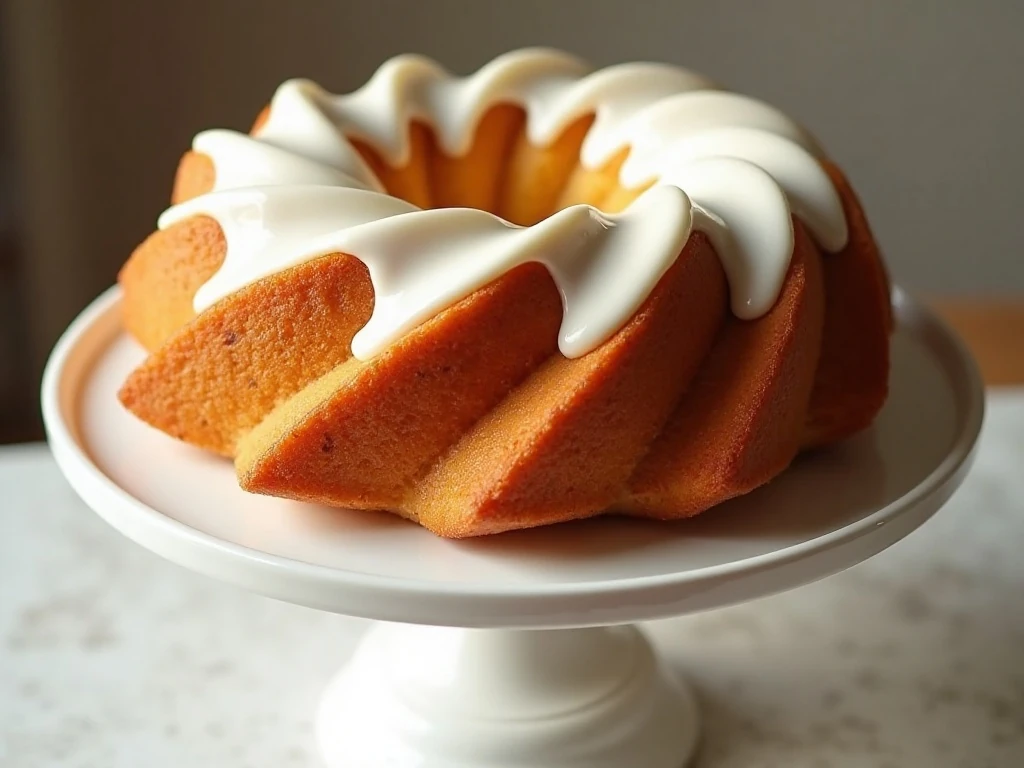
This Bundt cake captures everything people love about an old-fashioned doughnut without requiring a deep fryer, rolling pin, or batch-by-batch cooking. The batter comes together with familiar pantry ingredients, and the Bundt pan creates a handsome ring with plenty of ridges for the glaze to follow.
Buttermilk keeps the crumb tender while adding a mild tang that balances the sweetness of the sugar. Nutmeg is the defining spice here, giving each bite that nostalgic bakery-counter aroma that cinnamon alone cannot provide.
The cake is also wonderfully practical for gatherings. It makes about 12–16 servings, travels well once the glaze has set, and can be sliced into generous wedges or smaller pieces for a dessert table.
If you enjoy this style of cozy baked treat, you may also like our apple cider doughnut cake, which brings another familiar doughnut-shop flavor to a simple cake format.
Ingredients You’ll Need
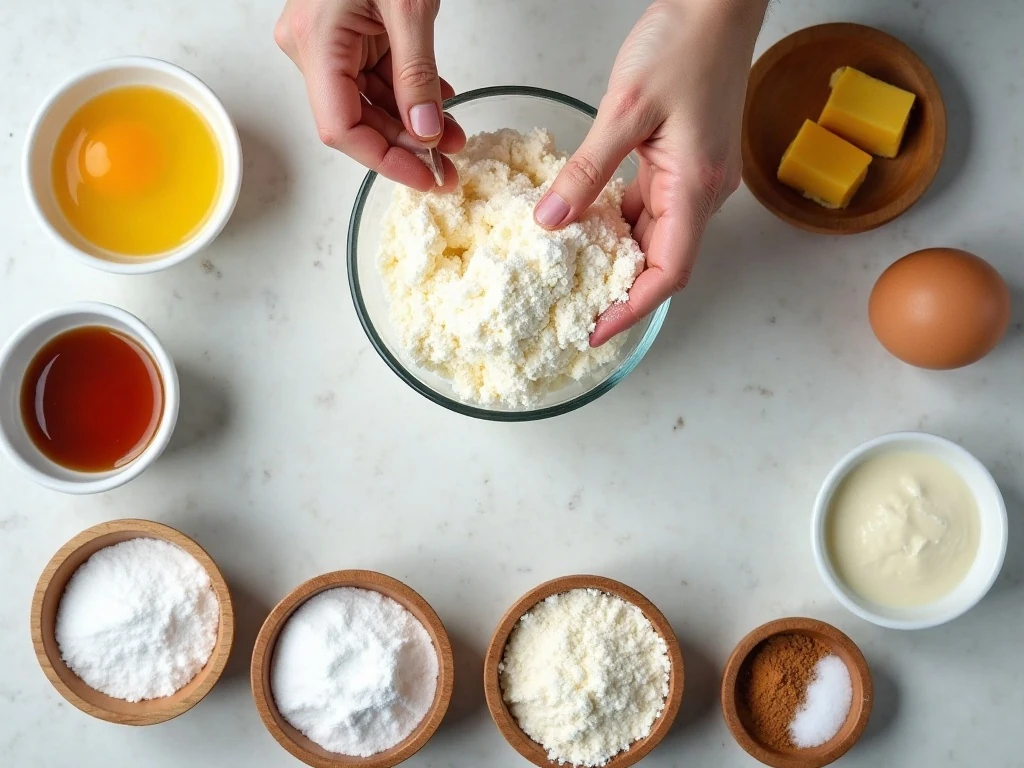
The ingredient list is straightforward, but each component has a specific job in creating the right texture and flavor. Use unsalted butter so the teaspoon of fine salt can remain balanced, and bring the butter, eggs, and buttermilk to room temperature before mixing.
- Butter and sugar: One cup of softened unsalted butter and 1 1/2 cups of granulated sugar create the rich, fluffy base.
- Eggs and vanilla: Three large eggs provide structure, while vanilla rounds out the warm spice.
- Flour and leaveners: All-purpose flour, baking powder, and baking soda give the cake enough strength and lift.
- Buttermilk: One cup adds moisture and a pleasant tang.
- Nutmeg: The 1/2 teaspoon is essential for the old-fashioned doughnut character.
- Glaze ingredients: Sifted confectioners’ sugar, buttermilk, vanilla, and an optional pinch of salt make a thick, pourable coating.
For the pan, use softened butter or baking spray, plus about 2 tablespoons of flour if you are flouring it by hand. A baking spray that contains flour is often especially reliable around intricate Bundt designs.
How to Make It Step-by-Step
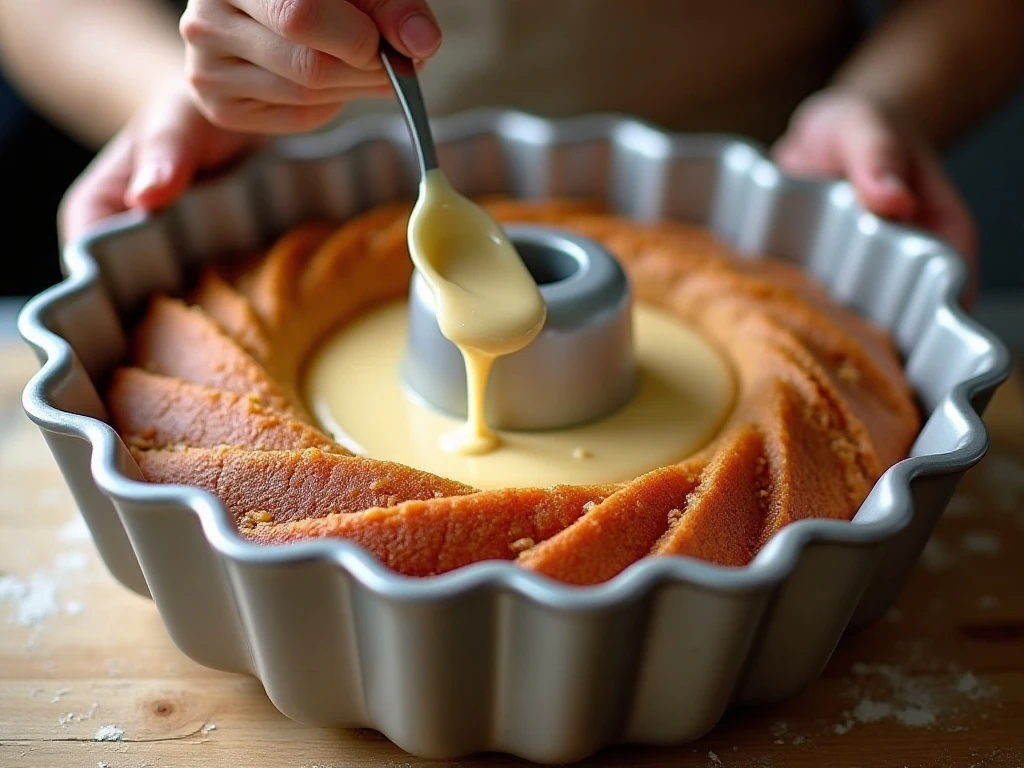
Step 1: Heat the oven to 350°F (175°C), then prepare a 10- to 12-cup Bundt pan with great care. Grease the center tube, corners, and decorative grooves, dust with flour, and tap the pan firmly over the sink to remove excess.
Step 2: In a medium bowl, whisk the all-purpose flour, baking powder, baking soda, fine salt, and nutmeg until evenly distributed. This prevents pockets of leavener or spice from appearing in the finished cake.
Step 3: Place the softened butter and granulated sugar in a large mixing bowl and beat for 3–4 minutes, until pale and fluffy. Add the room-temperature eggs one at a time, beating well after each addition, then mix in the vanilla extract.
Step 4: Add the flour mixture in three additions, alternating with the buttermilk in two additions. Begin and end with the dry ingredients, and mix only until no visible streaks remain; overmixing can make the crumb tough.
Step 5: Transfer the batter to the prepared Bundt pan and spread it evenly with a spatula. Smooth the top gently, then tap the pan once or twice on the counter to settle the batter into the grooves without knocking out all of its air.
Step 6: Bake for 45–55 minutes, checking near the lower end of the range. The cake is ready when a toothpick inserted near the center comes out clean or with a few moist crumbs, and the top springs back lightly when pressed.
Step 7: Let the cake cool in the pan for about 15–20 minutes before inverting it onto a wire rack. Do not glaze it while warm, because the icing can melt and run off instead of forming the recognizable white coating.
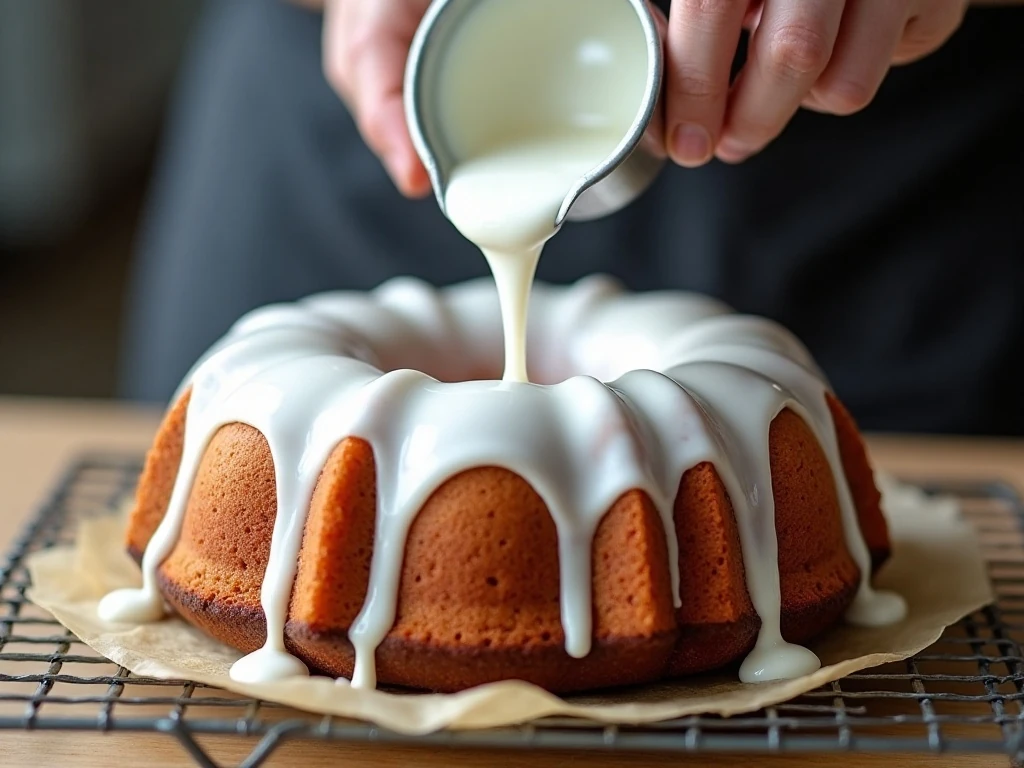
Step 8: To make the glaze, sift the confectioners’ sugar into a bowl and whisk in the vanilla, optional pinch of salt, and 3 tablespoons of buttermilk. Add the remaining tablespoon gradually, stopping when the glaze is thick but pourable.
Step 9: Spoon or pour the glaze over the completely cooled cake, allowing it to flow naturally down the ridges. Let the coating set before slicing so each piece has a neat glaze layer and a tender, intact crumb.
Pro Tips for a Perfect Bundt Cake
The pan preparation is the most important defense against sticking. Use your fingers or a pastry brush to work butter into every groove, especially around the center tube, then add flour and rotate the pan until the surface is lightly coated.
Room-temperature ingredients combine more evenly than cold ones. If the butter is too firm, it will not cream properly with the sugar; if the buttermilk is very cold, it can make the batter look curdled and reduce its smoothness.
Keep the mixing gentle after the flour is added. The goal is a batter that is cohesive and smooth, not one that has been beaten for several extra minutes.
For the most recognizable doughnut flavor, do not omit the nutmeg. The quantity is modest, but its warm, slightly sweet character is what separates this cake from an ordinary glazed vanilla Bundt.
The glaze should be thicker than a thin drizzle. Start with 3 tablespoons of buttermilk and add the fourth only if needed; a thicker icing clings to the cake, stays white, and gathers attractively in the ridges.
Serving Suggestions and Variations
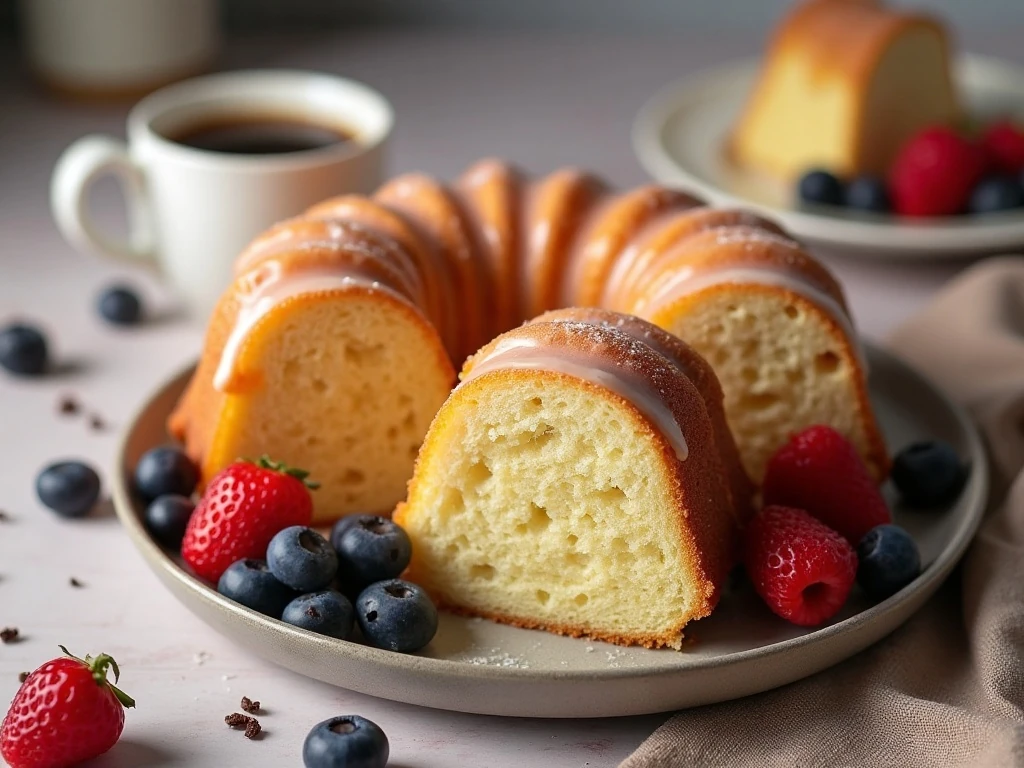
Serve slices at room temperature with coffee, black tea, or a cold glass of milk. The cake is sweet enough to stand alone, though fresh berries or lightly sweetened whipped cream make a pretty addition for a brunch buffet.
For a slightly different presentation, let the first layer of glaze set, then add a very light second drizzle. Keep the classic batter unchanged so the vanilla, buttermilk, and nutmeg remain the main flavors.
This recipe is especially enjoyable alongside other homemade cakes. For a quick single-serving dessert, try this easy chocolate mug cake, or offer a fruity option such as our rhubarb pudding cake.
Storage and Make-Ahead Advice
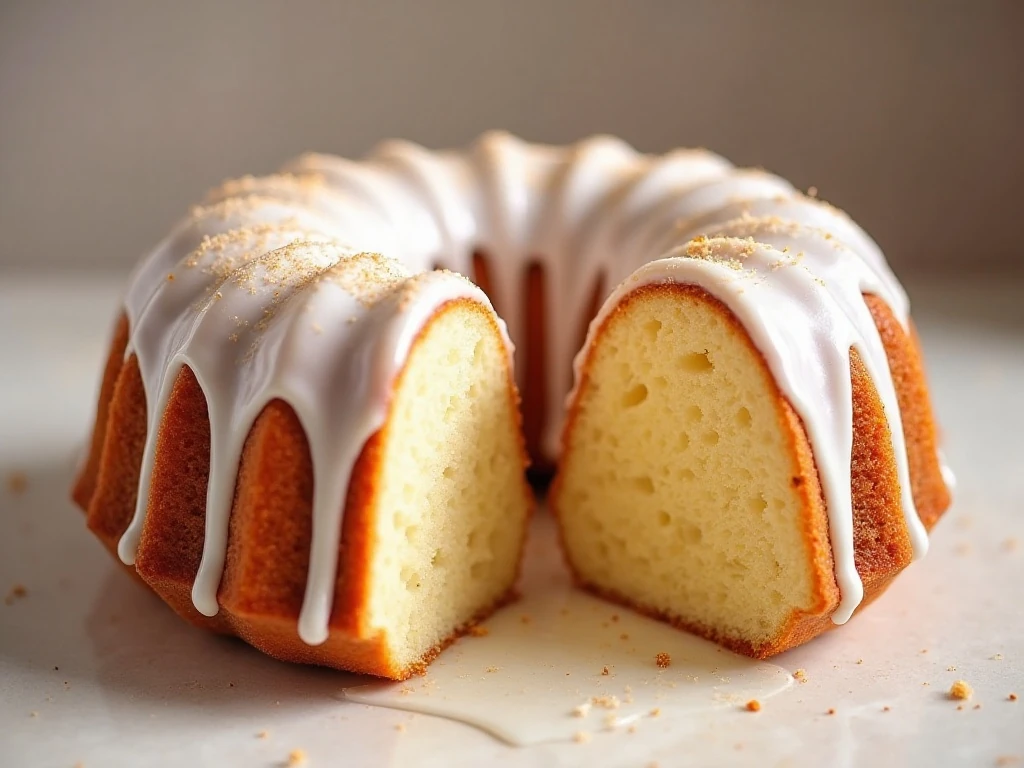
Once the glaze has set, cover the cake and keep it at room temperature for up to 3 days. A cake keeper or loosely fitted plastic wrap works well, but avoid pressing the covering directly onto the icing.
For the best texture, slice only what you plan to serve and keep the remaining cake protected from air. The crumb is at its softest after it has cooled completely, and the glaze will become slightly firmer as it rests.
You can prepare the cake earlier in the day for a gathering, allowing plenty of time for cooling and glazing. If you are planning a larger dessert spread, our double banana pound cake and peanut butter cake with frosting are also hearty, sliceable choices.
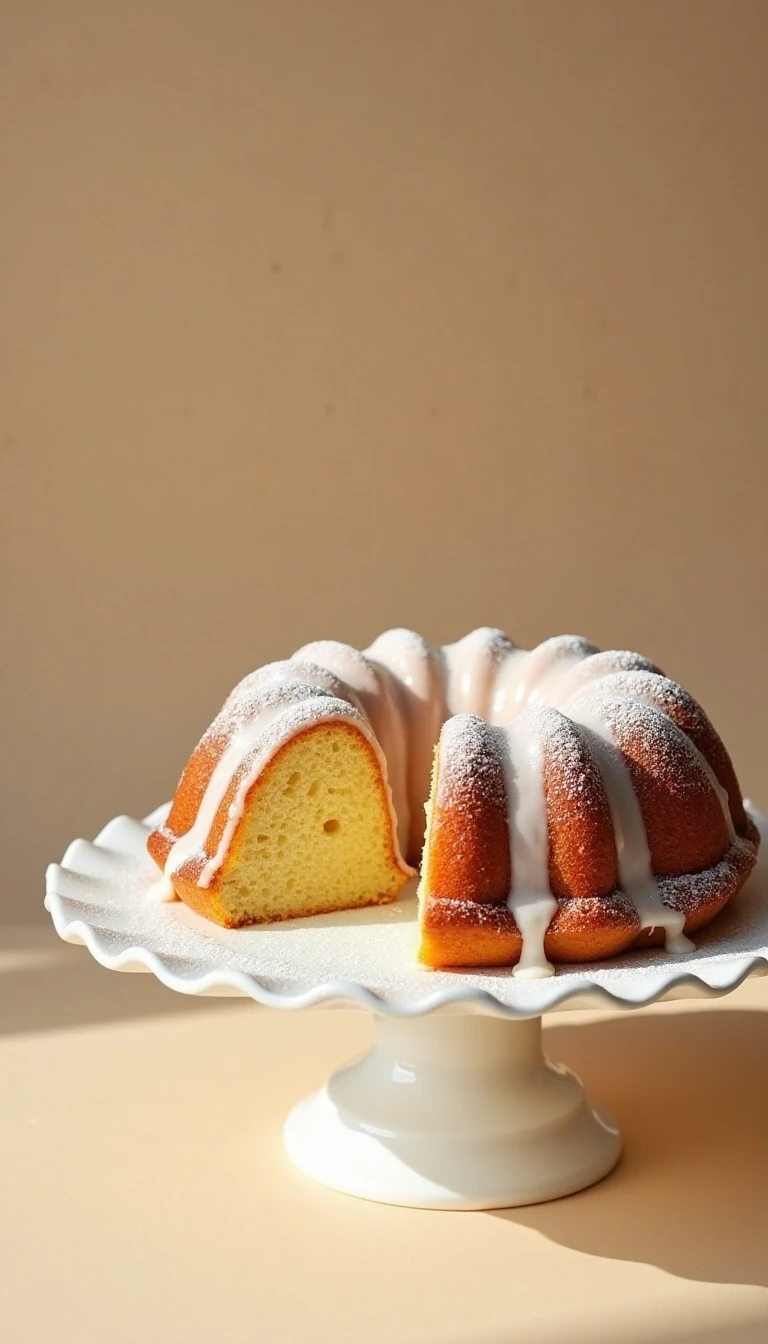
Glazed Old-Fashioned Buttermilk Doughnut Bundt Cake
Ingredients
Method
- Heat the oven to 350°F (175°C). Thoroughly grease a 10- to 12-cup Bundt pan, dust it with about 2 tablespoons of flour, and tap out the excess.
- Whisk together the flour, baking powder, baking soda, fine salt, and ground nutmeg in a medium bowl.
- Beat the softened butter and granulated sugar for 3–4 minutes, until pale and fluffy. Add the eggs one at a time, beating well after each addition, then mix in the vanilla.
- Add the dry ingredients in three additions, alternating with the buttermilk in two additions. Mix only until the batter is combined.
- Spread the batter evenly in the prepared pan and smooth the top. Bake for 45–55 minutes, until a toothpick inserted near the center comes out clean or with a few moist crumbs.
- Cool the cake in the pan for 15–20 minutes, then invert it onto a rack and cool completely. Whisk the confectioners’ sugar, vanilla, and 3 tablespoons of buttermilk, adding the remaining tablespoon gradually until thick but pourable.
- Pour or spoon the glaze over the cooled cake and let it set before slicing.
Notes
Final Thoughts
This Glazed Old-Fashioned Buttermilk Doughnut Bundt Cake brings the comfort of a classic doughnut shop into an easy home-baked dessert. Its buttery vanilla crumb, fragrant nutmeg, tangy buttermilk, and thick white glaze create a combination that feels familiar from the very first bite.
Take your time preparing the Bundt pan, cream the butter and sugar until genuinely fluffy, and stop mixing as soon as the flour disappears. Those simple details help produce a cake that releases cleanly, stays tender, and looks polished without complicated decorating.
Let the finished glaze set before slicing, then serve generous wedges with coffee or tea. Whether it is made for a weekend brunch, a family celebration, or an ordinary afternoon that needs something special, this cake delivers the flavor of an old-fashioned glazed doughnut in a beautiful centerpiece dessert.