This moist coconut lemon cake recipe makes one tender 9-inch round cake with a buttery crumb, fresh lemon zest, fine coconut, and a pourable lemon glaze. It takes about 20–25 minutes to prepare, 40–50 minutes to bake, and yields 8–10 generous servings.
Every bite combines bright citrus flavor with mellow coconut sweetness. Desiccated coconut keeps the crumb pleasantly close and moist, while fresh lemon zest provides the fragrant aroma and the glaze adds a lively finish without making the cake heavy.
Jump to RecipeWhy You’ll Love This Recipe

This is the kind of cake that looks modest on the table but earns enthusiastic compliments after the first forkful. The butter creates a rich foundation, the coconut adds a gentle chew and familiar tropical flavor, and lemon keeps the sweetness fresh rather than sugary.
The recipe is also wonderfully practical. It uses one round pan, everyday baking ingredients, and a quick glaze that needs no stovetop cooking. You can serve it as a casual afternoon cake or dress it up with lemon slices, coconut, and softly whipped cream for a special occasion.
Unlike a cake made with large flakes, finely shredded or desiccated coconut disperses through the batter evenly. That gives each slice a close, moist crumb and a more consistent coconut flavor. If you enjoy bright fruit desserts, our strawberry lemon blondies are another lovely choice for a dessert table.
Ingredients You’ll Need
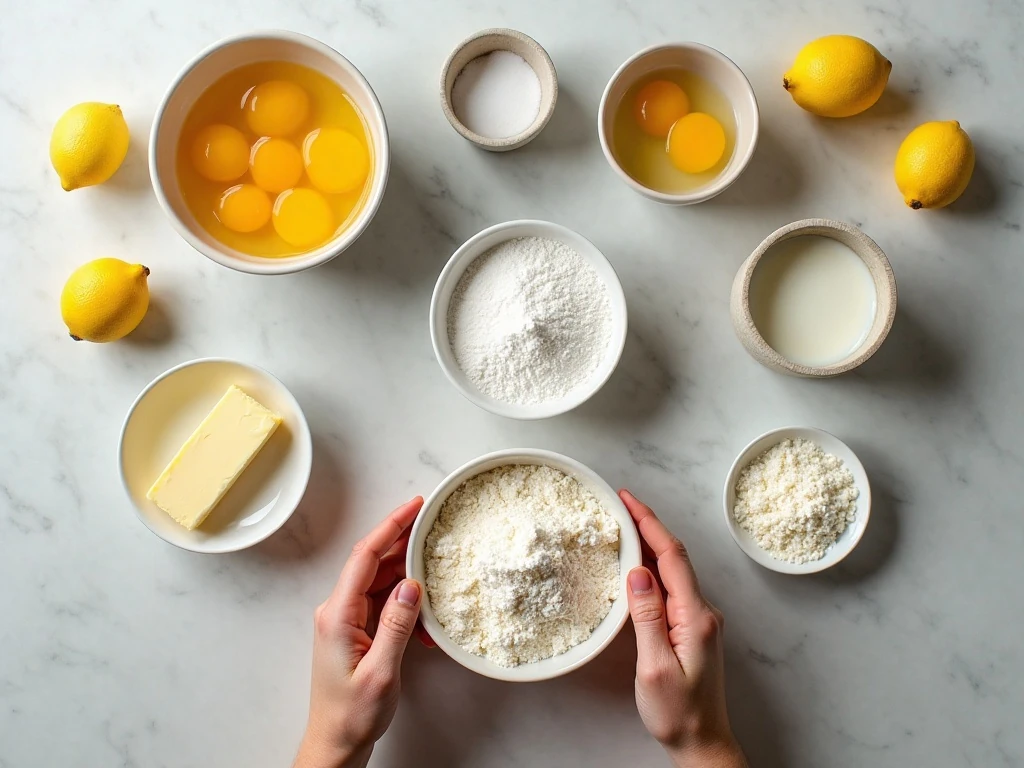
Begin with softened unsalted butter, caster sugar, four room-temperature eggs, and fresh lemons. Room-temperature ingredients blend more readily, helping the batter emulsify properly and allowing the cake to rise evenly in the oven.
- Butter and sugar: These are creamed together to create the cake’s rich texture and lightness.
- Eggs: Four large eggs provide structure, moisture, and richness. Add them individually so the mixture stays smooth.
- Lemons: The finely grated zest supplies most of the cake’s lemon aroma, while the juice brings acidity and brightness.
- Flour and baking powder: All-purpose flour gives the cake body, and baking powder provides lift.
- Coconut: Use 100 g of unsweetened desiccated or finely shredded coconut for the best texture.
- Milk: Whole milk or unsweetened coconut milk works well. Coconut milk reinforces the coconut flavor, while whole milk keeps the flavor classic and buttery.
- Glaze: Powdered sugar and two to three tablespoons of lemon juice create a thick but pourable icing.
When zesting the lemons, grate only the yellow outer skin. The white pith underneath is bitter and can distract from the clean citrus flavor. Juice the lemons after zesting so you can collect every last drop without wrestling with a slippery fruit.
For another fruit-forward bake, you can also visit this pineapple cake recipe. It offers a different tropical direction while keeping the same comforting homemade-cake appeal.
How to Make It Step-by-Step
Step 1: Heat the oven to 175°C/350°F and prepare a 9-inch/23-cm round cake pan. Grease the pan thoroughly, then line the base with parchment so the finished cake releases cleanly while the sides develop a golden edge.
Step 2: Place the softened butter and caster sugar in a large mixing bowl and beat for 3–4 minutes. Stop when the mixture looks pale, airy, and fluffy; this creaming stage helps create a lighter crumb, so do not rush it.
Step 3: Beat in the four eggs one at a time, waiting until each egg is incorporated before adding the next. Scrape down the sides and bottom of the bowl as needed, especially if butter or sugar is collecting around the edges.
Step 4: Add the finely grated zest of two lemons and 60 ml of fresh lemon juice. The batter may look slightly looser at this point, but the zest and juice will spread the citrus flavor throughout the cake.
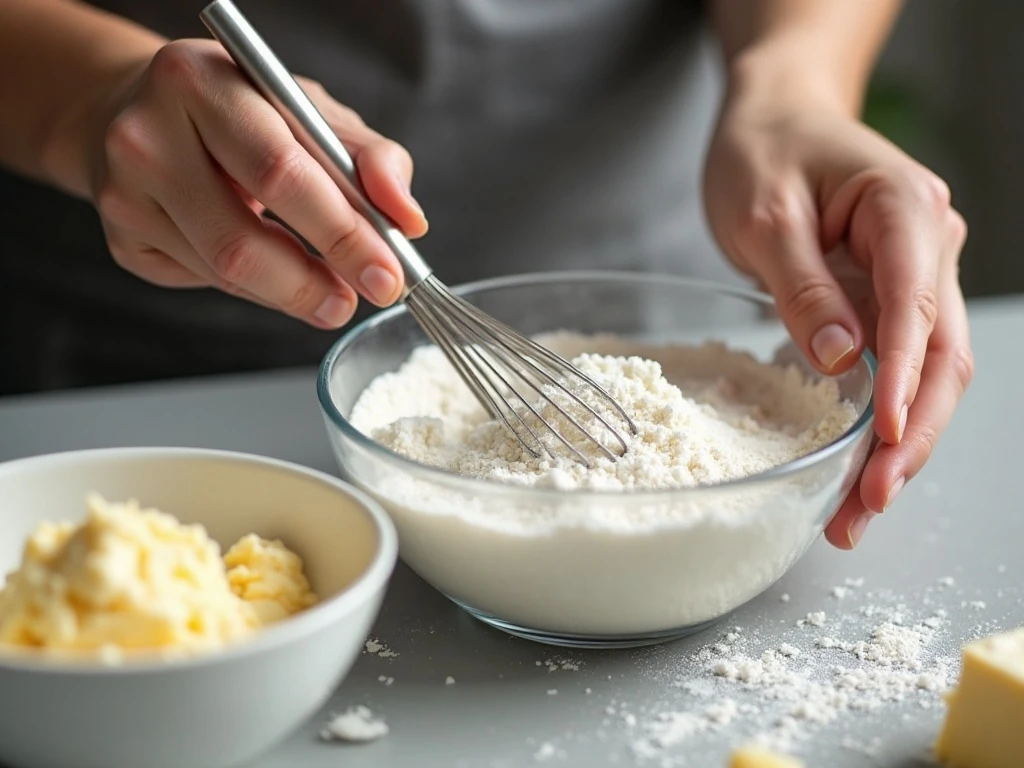
Step 5: In a separate bowl, whisk together the flour, coconut, baking powder, and fine salt. Combining these ingredients first distributes the baking powder and salt, while coating the coconut lightly in flour helps it disperse through the batter.
Step 6: Add the dry mixture to the butter mixture in two or three additions, alternating with the milk. Mix only until the flour disappears; overmixing can develop excess gluten and make the cake less tender.
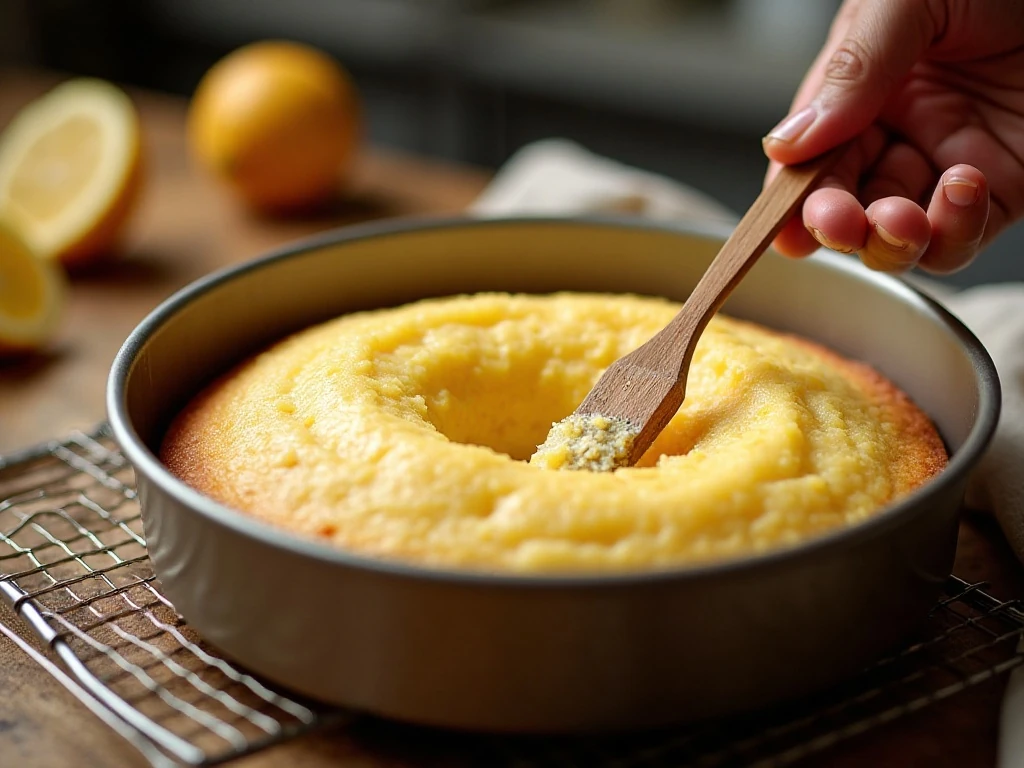
Step 7: Spoon the batter into the prepared pan and level the surface with a spatula. Bake for 40–50 minutes, checking near the end of the baking window, until the cake is golden and a skewer inserted into the center comes out clean or with a few moist crumbs.
Step 8: Let the cake cool in the pan for 10–15 minutes, then carefully turn it out onto a wire rack. Allow it to cool completely before glazing so the icing stays on top instead of melting into the warm crumb.
Step 9: Make the glaze by stirring the powdered sugar with two tablespoons of lemon juice, adding the third tablespoon only if needed. Drizzle the thick but pourable icing over the cooled cake and finish with one to two tablespoons of shredded coconut if desired.
Pro Tips for a Moist Crumb
The most important preparation detail is ingredient temperature. Cold butter will not cream properly, cold eggs can cause the mixture to curdle, and cold milk can make the batter lose some of its smoothness. Set the butter, eggs, and milk out ahead of time so they are ready to combine.
Measure flour carefully, preferably by weight. If using cups, spoon the flour into the measuring cup and level it rather than dipping the cup directly into the bag. Too much flour is one of the easiest ways to turn a moist cake into a dry one.
Fresh lemon zest matters more than adding extra juice. The aromatic oils live in the zest, so grate it finely and add it directly to the batter. The juice contributes acidity and flavor, but too much liquid can make the center dense.
For an especially moist finish, make a simple lemon syrup using equal parts lemon juice and sugar, then brush 2–3 tablespoons over the warm cake. Apply it lightly and evenly; excessive syrup can make the center heavy. Once the cake cools, add the glaze as directed.
Do not judge doneness by color alone. Coconut can make the surface turn golden before the center is ready, so test the middle with a skewer. A few moist crumbs are perfect, but wet batter means the cake needs more time.
For a reliable coconut dessert with a different format, try these carrot cake muffins. Their individually portioned shape makes them useful for brunches, bake sales, and packed treats.
Serving Ideas

Let the glaze set for 15–20 minutes before slicing if you want neat drips and clean wedges. Use a sharp serrated knife and wipe the blade between cuts for a polished presentation.
This cake is delicious at room temperature with coffee, black tea, or iced lemon tea. For a more dessert-like plate, add a spoonful of softly whipped cream, vanilla yogurt, or a scoop of vanilla ice cream beside each slice.
A scattering of coconut is enough decoration for everyday serving, but you can also add very thin lemon slices or a little extra zest. Keep the garnish light so the cake remains the visual focus rather than looking overloaded.
If you are planning a colorful celebration spread, pair this sunny cake with the patriotic dump cake for a second, easy-to-serve dessert.
Storage and Make-Ahead Advice
Once completely cool, store the glazed cake in an airtight container or cover it well with plastic wrap. It keeps at room temperature for up to 2 days, although a cool kitchen is best because the glaze can become soft in heat.
For longer storage, refrigerate the covered cake for up to 4 days. Bring slices toward room temperature before serving so the butter crumb softens and the lemon and coconut flavors become more noticeable.
You can bake the cake one day ahead and glaze it shortly before serving. If you need to freeze it, freeze the unglazed, fully cooled cake well wrapped, then thaw it completely before adding fresh glaze and coconut.
Keep the cake level during storage and avoid placing heavy items on top. The glaze firms as it stands, but condensation from an uncovered refrigerator can make its finish dull and sticky.
Troubleshooting Common Cake Problems
If the cake sinks in the center, it may have been underbaked, opened too early, or soaked with too much syrup. Check the center carefully before removing it from the oven and use only the suggested amount of syrup.
If the crumb seems dry, review the flour measurement and baking time. An oven that runs hot can finish the edges long before the middle is ready, so an oven thermometer is useful if your cakes regularly brown too quickly.
If the glaze is too thick, stir in lemon juice a few drops at a time. If it becomes too thin, add a little more powdered sugar until it returns to a thick, flowing consistency.
If the batter appears slightly curdled after the eggs and lemon juice are added, do not panic. The flour mixture will bring it back together, provided the ingredients were measured correctly and you mix gently after the flour goes in.
For a cool, creamy citrus alternative, consider our raspberry lemon tartlets. They make a refreshing companion to this buttery baked cake when you want more than one lemon dessert.

Moist Coconut Lemon Cake
Ingredients
Method
- Heat the oven to 175°C/350°F. Grease a 9-inch/23-cm round cake pan and line the base with parchment.
- Beat the softened butter and sugar for 3–4 minutes, until pale and fluffy. Add the eggs one at a time, scraping down the bowl as needed.
- Mix in the finely grated lemon zest and 60 ml fresh lemon juice. In a separate bowl, whisk together the flour, coconut, baking powder, and salt.
- Add the dry ingredients to the butter mixture in two or three additions, alternating with the milk. Mix only until combined.
- Transfer the batter to the prepared pan and level the surface. Bake for 40–50 minutes, until golden and a skewer inserted in the center comes out clean or with a few moist crumbs.
- Cool the cake in the pan for 10–15 minutes, then turn it out onto a rack and cool completely. Stir the powdered sugar with enough lemon juice to make a thick but pourable glaze, drizzle it over the cake, and sprinkle with coconut if desired.
Notes
Final Thoughts
This moist coconut lemon cake is a dependable homemade dessert with a beautiful balance of richness, fragrance, and acidity. The tender butter cake gets its character from finely textured coconut and fresh lemon zest, while the simple glaze adds just enough sweetness and moisture to make every slice memorable.
Follow the creaming time, use room-temperature ingredients, and remove the cake from the oven when the skewer shows a few moist crumbs rather than wet batter. Whether served with tea on a quiet afternoon or shared at a celebration, this golden round cake is an easy recipe to return to whenever you want a bright, comforting dessert.
For best results, allow the cake to cool completely before glazing, then finish it with a restrained sprinkle of coconut. That final touch gives the cake a pretty bakery look while letting its fresh lemon flavor remain front and center.
3 thoughts on “Moist Coconut Lemon Cake Recipe with Fresh Lemon Glaze”