These easy apricot coconut scones are soft, lightly sweet, and ready in about 30 minutes from start to finish. Made with self-raising flour, cold butter, dried apricots, coconut, egg, and milk, the recipe yields 8–10 golden scones and needs only 12–15 minutes in a hot 220°C oven.
Every bite combines tender, buttery crumb with chewy pops of apricot and the delicate nuttiness of coconut. Serve them warm with butter, cream, or apricot jam for a simple morning tea, afternoon treat, or relaxed weekend bake.
Jump to RecipeWhy You’ll Love This Recipe

There is something especially inviting about a basket of homemade scones, and this apricot coconut version brings extra character without making the method complicated. The dough comes together in one bowl, the ingredients are easy to find, and the baking time is short enough for a last-minute morning tea.
Self-raising flour provides the lift, while cold butter creates a tender crumb. Dried apricot adds chewy sweetness and a gentle fruity tang, and coconut gives the scones a pleasant texture and a light tropical note.
- Quick: Allow about 15 minutes for preparation and 12–15 minutes for baking.
- Reliable: The simple flour, butter, egg, and milk mixture is forgiving when handled gently.
- Versatile: Serve with butter, cream, apricot jam, or a combination of all three.
- Perfect for sharing: The recipe makes 8–10 scones for a family breakfast or afternoon tea.
For another sweet treat to serve at a casual gathering, you can also try our stovetop caramel apples. The warm fruit and buttery caramel make a lovely companion to a scone platter.
Ingredients You’ll Need
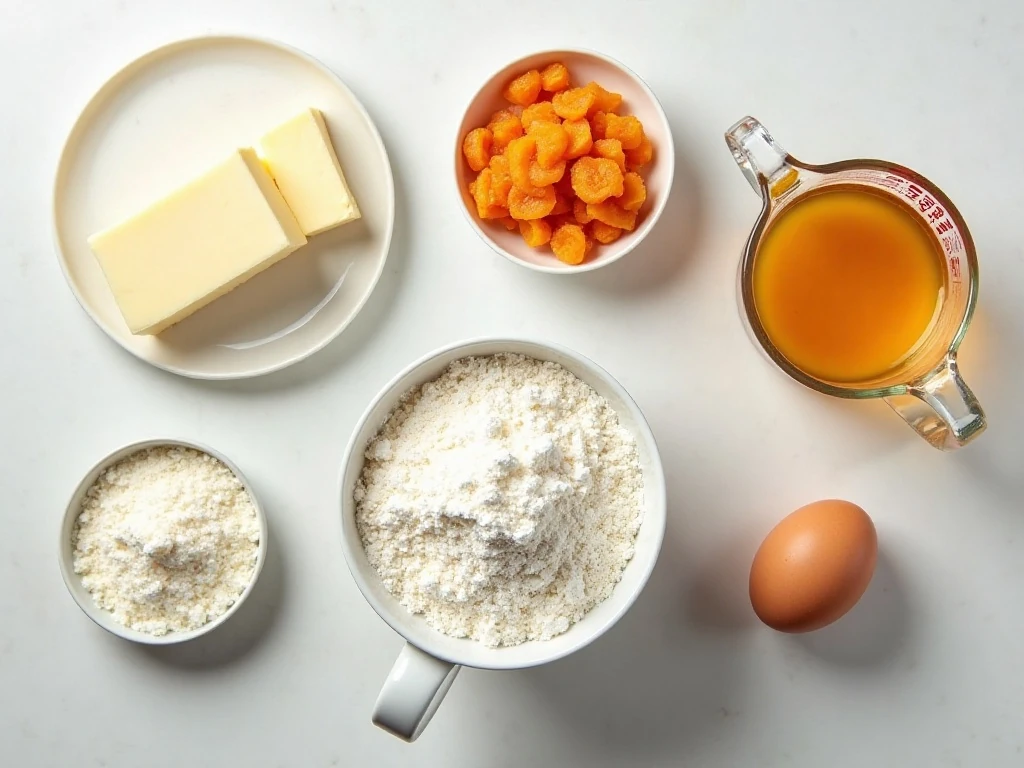
Begin with 2 cups, or about 300 g, of self-raising flour. Sifting it helps break up lumps and distributes the raising agent evenly, giving the finished scones a lighter texture.
Use 1/4 cup, or 55 g, of caster sugar for a restrained sweetness. The dried apricots and optional jam provide additional sweetness, so there is no need to make the dough overly sugary.
The 60 g of butter should be cold and cut into small cubes. Cold butter is important because it remains in tiny pieces as it is rubbed into the flour, helping create a tender, delicate crumb in the hot oven.
Choose soft, reasonably fresh dried apricots and chop them finely. Smaller pieces spread the fruit through every scone and make cutting the dough easier, while 1/2 cup of desiccated or unsweetened shredded coconut contributes gentle chew and fragrance.
One lightly beaten large egg adds richness and helps bind the dough. You will need 1/2 cup, or 125 ml, of milk, although you may not need every drop, plus a little extra milk to brush over the tops.
- Optional toppings include extra coconut or raw sugar.
- Use apricot jam for a coordinated fruit flavor at serving time.
- Have a little flour ready for the work surface and cutter.
If you are planning a larger brunch table, these scones can sit beside savory favorites such as our easy bread stuffing. A sweet-and-savory spread gives guests plenty of choice.
How to Make It Step-by-Step

Step 1: Heat the oven to 220°C conventional, 200°C fan-forced, or 425°F, then grease or line a baking tray. Starting with a fully heated oven matters because the intense heat helps the scones rise quickly as soon as they go in.
Step 2: Sift the self-raising flour into a large mixing bowl and stir in the caster sugar. Take a moment to distribute the sugar evenly, since this makes the sweetness consistent from the first scone to the last.
Step 3: Add the cold cubed butter and rub it into the flour using your fingertips. Stop when the mixture resembles fine breadcrumbs; a few tiny buttery pieces are fine, but avoid warming the butter into a paste.
Step 4: Stir the finely chopped apricots and coconut through the flour mixture. Tossing these ingredients through the dry mixture first helps prevent the fruit from clumping together and ensures each round receives a good amount.
Step 5: Add the lightly beaten egg and most of the milk. Mix with a butter knife using gentle cutting motions until a soft, slightly sticky dough forms, adding the remaining milk only if the mixture still looks dry.
Step 6: Turn the dough onto a lightly floured surface and knead very briefly, just enough to bring it together. Excessive kneading develops the flour and can make the finished scones dense or tough, so resist the urge to make the dough perfectly smooth.
Step 7: Pat or roll the dough to approximately 2–2.5 cm, or 3/4–1 inch, thick. Dip a cutter in flour and press straight down to cut rounds, lifting it cleanly rather than twisting, which helps the sides rise evenly.
Step 8: Arrange the rounds close together on the prepared tray. Brush the tops with a little milk and sprinkle with extra coconut or raw sugar if you want a lightly crisp, pretty finish.
Step 9: Bake for 12–15 minutes, watching for risen tops and a light golden color. Serve the scones warm, preferably soon after baking, with butter, cream, apricot jam, or your favorite combination.
Pro Tips for Light, Tender Scones
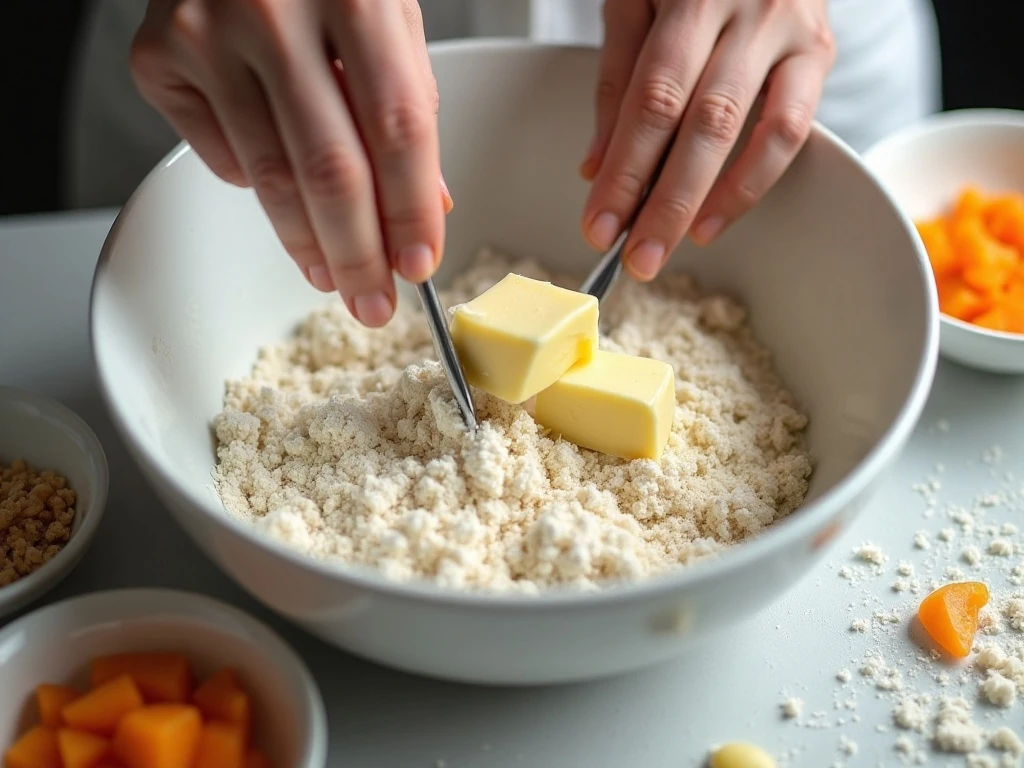
The most important rule is to keep the butter cold. If your kitchen is warm, chill the cubed butter for a few minutes before rubbing it into the flour, and handle the mixture lightly so the butter does not melt in your fingers.
Do not add all the milk automatically. Flour absorbs liquid differently depending on the weather, the brand, and how it is measured, so hold back a little and add it only if the dough needs help coming together.
The dough should be soft and slightly sticky rather than dry and firm. A dry dough can produce heavy scones, while a very wet dough may be difficult to cut, so use lightly floured hands and add liquid gradually.
Cutting straight down is a small step with a useful result. Twisting the cutter can compress the dough around the edges, whereas a clean downward press leaves the sides ready to expand in the oven.
Keep the rounds close together on the baking tray for softer sides and better rising. If you prefer a little more golden color around each edge, leave a small gap, but close placement is the classic approach for tender Australian-style scones.
For a savory counterpoint at a party, serve the sweet scones after a bowl of cheeseburger dip with crackers and fresh vegetables. The contrast between creamy, savory dip and fruity scones makes the table feel generous and varied.
Serving Suggestions

For the classic experience, split a warm scone with your fingers and add a little butter while the crumb is still soft. A spoonful of apricot jam intensifies the fruit flavor, while softly whipped cream adds richness and a cool, silky contrast.
These scones are also excellent with honey, lemon curd, or a mild berry preserve. Keep toppings in small bowls so guests can build their own plate, and offer tea, coffee, or cold milk alongside them.
Although they are ideal for breakfast, their compact size makes them suitable for lunchboxes, picnics, bake sales, and afternoon tea. Arrange them on a linen-lined basket for a welcoming homemade presentation.
For a wider dessert table, add our easy beignets for a crisp, powdered-sugar treat. The two recipes offer different textures while sharing the same cheerful, freshly made appeal.
Storage and Reheating

Apricot coconut scones are best served on the day they are baked, when the edges are fresh and the centers are tender. Once completely cool, place leftovers in an airtight container at room temperature for up to a couple of days.
To refresh them, warm the scones gently in a low oven until heated through. You can also split and toast them lightly, then add butter or jam just before serving.
Keep the container away from heat and moisture, since steam can soften the tops and make the crumb less pleasant. If you are preparing other dishes at the same time, our easy roasted potatoes are a useful savory option for the meal, though they should be cooked separately from the sweet scones.
For the freshest result, prepare the dough close to serving time rather than baking far in advance. The short method and quick oven time make this recipe especially practical when guests are already on their way.

Easy Apricot Coconut Scones
Ingredients
Method
- Heat the oven to 220°C conventional, 200°C fan-forced, or 425°F. Grease or line a baking tray.
- Sift the self-raising flour into a large bowl, then stir in the caster sugar.
- Rub the cold cubed butter into the flour with your fingertips until the mixture resembles fine breadcrumbs.
- Stir in the finely chopped dried apricots and coconut, distributing them evenly through the flour mixture.
- Add the beaten egg and most of the milk. Mix gently with a butter knife until a soft, slightly sticky dough forms, adding the remaining milk only if needed.
- Turn the dough onto a lightly floured surface and knead very briefly, just until it comes together.
- Pat or roll the dough to approximately 2–2.5 cm (3/4–1 inch) thick. Cut rounds with a floured cutter, pressing straight down without twisting.
- Place the scones close together on the prepared tray. Brush the tops with milk and add a sprinkle of coconut or raw sugar if desired.
- Bake for 12–15 minutes, until the scones have risen and are lightly golden. Serve warm with butter, cream, or apricot jam.
Notes
Final Thoughts
These easy apricot coconut scones prove that a memorable homemade bake does not require a long ingredient list or complicated technique. Keep the butter cold, mix only until the dough comes together, cut cleanly, and let the hot oven do the rest.
In less than half an hour, you can have a tray of lightly golden scones with tender centers, chewy apricot pieces, and fragrant coconut throughout. Serve them warm with butter, cream, and apricot jam, and expect the plate to disappear quickly.
Save this recipe for relaxed weekends, unexpected visitors, or any time you want a comforting bake with bright fruit flavor. It is simple enough for a beginner and delicious enough to become a regular favorite.