This easy 5-ingredient skillet flatbread recipe makes soft, tender, no-yeast bread with just all-purpose flour, baking powder, fine salt, warm water, and olive oil. The dough takes about 10 minutes to mix, rests for 15–30 minutes, and cooks in a dry skillet in just 10–15 minutes, producing 6–8 warm flatbreads.
Each flatbread is lightly chewy in the center, delicately crisp around the edges, and marked with delicious toasted brown spots. Serve them with dips, soups, grilled meats, eggs, or use them as wraps when you want fresh bread without waiting for yeast to rise.
Jump to RecipeWhy You’ll Love This Recipe
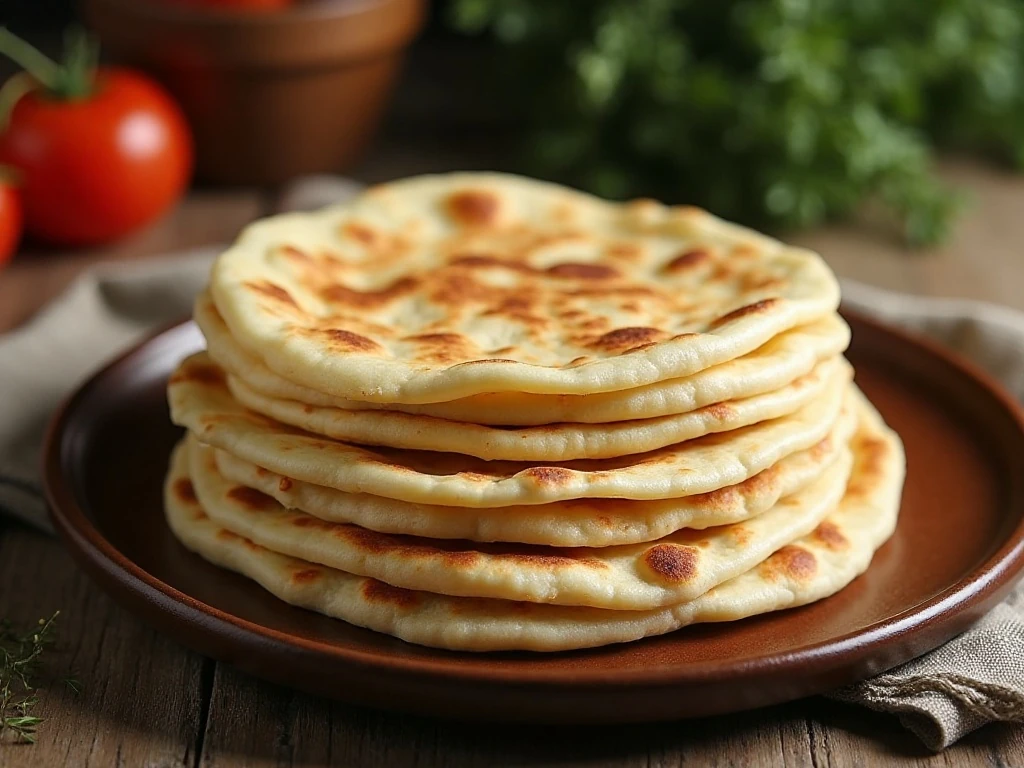
There is something especially satisfying about making bread from a handful of pantry staples. This flatbread needs no yeast, no proofing, and no special equipment beyond a bowl, rolling pin, and heavy skillet.
The baking powder gives the dough a little lift while the olive oil helps keep the bread supple. Because each round cooks quickly over medium-high heat, you can have a warm stack ready while the rest of dinner comes together.
- Fast: The active mixing takes about 10 minutes.
- Simple: Every ingredient is easy to find.
- Flexible: Make 6 larger flatbreads or 8 smaller ones.
- Useful: Serve them with dips, fillings, soups, or breakfast dishes.
For another skillet-centered meal idea, you can pair these breads with our breakfast skillet nachos for a relaxed weekend spread.
Ingredients You’ll Need

The ingredient list is short, but each item has a clear job. All-purpose flour forms the structure, baking powder adds a touch of puff, salt brings out the wheat flavor, water hydrates the dough, and olive oil contributes tenderness.
- 2 cups (250 g) all-purpose flour: Weighing the flour is most accurate, but the cup measurement works when you spoon it into the cup and level the top.
- 1 teaspoon baking powder: This is a no-yeast bread, so baking powder provides the gentle lift.
- 1 teaspoon fine salt: Fine salt distributes evenly throughout the dough.
- 3/4 cup warm water: Warm water helps the dough come together comfortably and quickly.
- 2 tablespoons olive oil: Oil softens the texture and makes the dough easier to roll.
Have a little extra flour available for the work surface, but use it sparingly. Too much flour can make the finished flatbreads firm instead of soft.
If you are planning a dessert-focused meal after dinner, keep these savory flatbreads separate from treats such as our pineapple lush cake.
How to Make It Step-by-Step
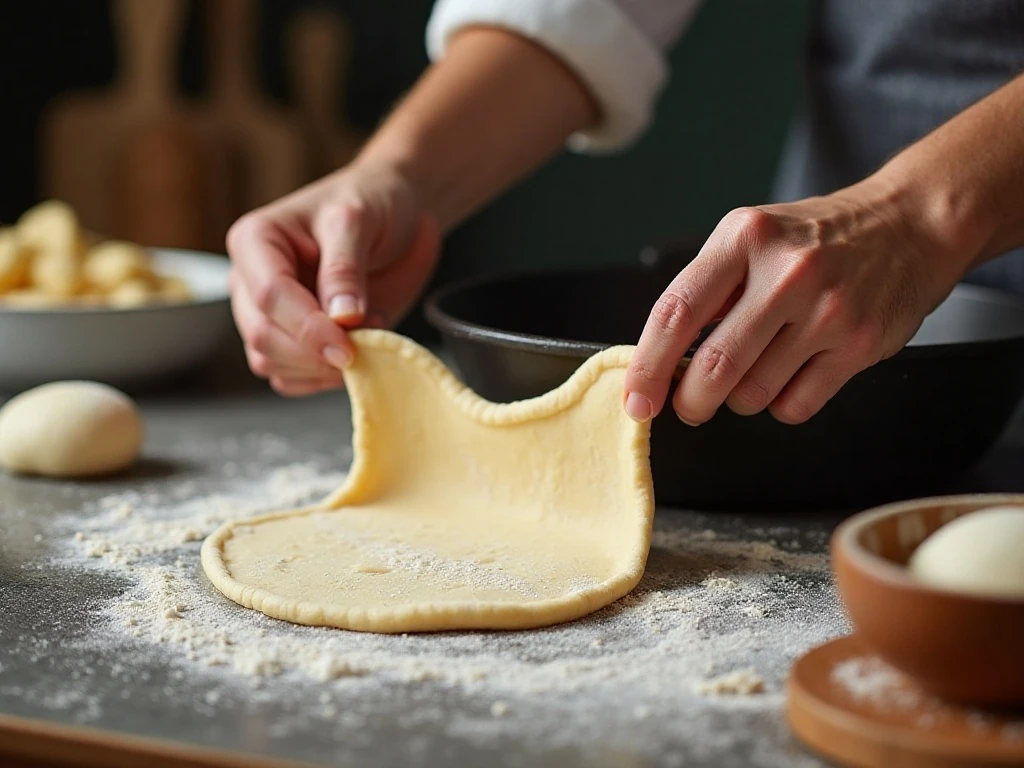
Step 1: Whisk the flour, baking powder, and salt together in a medium bowl. Take a moment to break up any small baking powder clumps so the seasoning and lift are spread evenly through the dough.
Step 2: Pour in the warm water and olive oil, then stir with a wooden spoon or sturdy spatula. Keep mixing until there are no large dry patches and the mixture looks shaggy rather than perfectly smooth.
Step 3: Turn the dough onto a lightly floured surface and knead it by hand for 1–2 minutes. Stop as soon as the dough feels smooth and soft; it should remain slightly tacky, so resist the urge to work in a lot of extra flour.
Step 4: Shape the dough into a ball and return it to the bowl. Cover it with a clean towel or reusable cover and let it rest for 15–30 minutes, giving the gluten time to relax.
Step 5: Divide the rested dough into 6–8 equal pieces. Roll each piece into a ball, then flatten it into a round about 6–8 inches wide and approximately 1/8 inch thick.
Step 6: Heat a dry cast-iron or heavy skillet over medium-high heat. The pan should be properly hot before the first flatbread goes in, but it should not be smoking heavily.
Step 7: Place one flatbread in the skillet and cook for about 1–2 minutes on the first side. When bubbles appear and scattered brown spots develop, turn it over and cook for another 30–60 seconds.
Step 8: Transfer the cooked bread to a clean towel and cover it immediately. Continue cooking the remaining rounds one at a time, stacking them under the towel so steam keeps them warm and pliable.
How to Get Soft, Spotty Flatbreads

The short resting period is one of the most important parts of this recipe. Dough that is rolled immediately may spring back or resist stretching, while rested dough rolls more easily and produces a tender bite.
Pay attention to the skillet temperature. You want the flatbread to develop toasted brown spots quickly, usually within the stated cooking time, without becoming dark and brittle.
- Roll the rounds evenly so thin edges do not burn before the centers cook.
- Cook in a single layer rather than overlapping pieces.
- Keep finished flatbreads covered while you work.
- Brush with a very light layer of olive oil after cooking if you prefer a richer finish.
A heavy pan holds steady heat, which helps each round cook consistently. If the first flatbread browns too quickly, lower the heat slightly; if it stays pale and dry for too long, give the pan more time to heat.
Ways to Serve Skillet Flatbread

These flatbreads are wonderfully versatile. Tear them into pieces for scooping up hummus, bean dip, roasted vegetables, or a saucy stew, or use a whole round as a quick wrap for chicken, salad, or grilled vegetables.
They are also a natural partner for breakfast. Fold one around scrambled eggs, or serve it beside a savory skillet meal for an easy alternative to toast.
For a lighter pasta-night table, set out warm flatbread with our easy salmon pasta. The bread is ideal for catching the last spoonfuls of a creamy or tomato-based sauce.
- Serve with soup instead of crackers.
- Use as a simple base for soft cheese and sliced vegetables.
- Cut into wedges and warm briefly for dipping.
- Wrap around leftover roasted meat or vegetables.
- Pair with eggs, beans, or salad for a quick lunch.
Storage, Reheating, and Make-Ahead Tips
For the best texture, enjoy the flatbreads while they are warm. If you have leftovers, let them cool completely, stack them, and store them in an airtight container or sealed bag at room temperature for up to a day.
To reheat, warm each flatbread briefly in a dry skillet over medium heat. You can also wrap the stack in foil and warm it gently, but avoid prolonged heating because the bread can lose moisture and become brittle.
The dough can be prepared ahead through the resting stage and kept covered for a short period before rolling. Bring it back to a workable temperature if it has chilled, then divide and roll as directed.
For a sweet finish after a flatbread-based meal, try our apple cream cheese Danish. Its flaky pastry and creamy filling make a lovely contrast to the simple savory bread.
Troubleshooting Common Problems
Dough keeps shrinking: It likely needs more resting time. Cover it and wait until the full 15–30-minute rest has passed before trying again.
Dough feels dry: Too much flour may have been added during kneading or rolling. Next time, keep the dough slightly tacky and dust the work surface lightly.
Flatbread turns brittle: The skillet may have been too cool, or the bread may have cooked too long. Use a properly heated pan and remove each piece once bubbles and brown spots appear.
Flatbread is pale: Give the skillet more time to heat before cooking the next round. A dry, hot surface is necessary for those appealing toasted marks.
If you are baking something sweet for the same gathering, our four-ingredient peanut butter cookies are another simple recipe that keeps the ingredient list short.
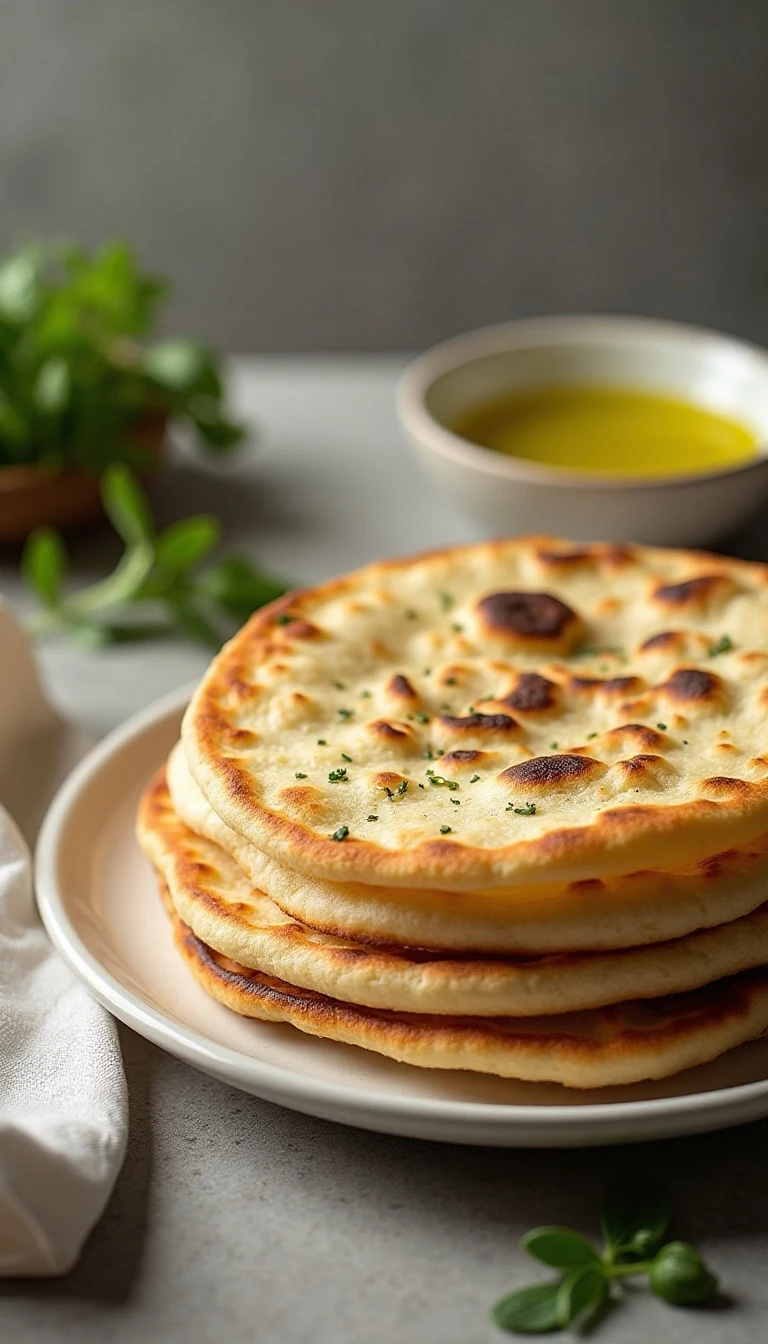
Easy 5-Ingredient Skillet Flatbread
Ingredients
Method
- Whisk the flour, baking powder, and fine salt together in a medium bowl.
- Add the warm water and olive oil, then stir until a shaggy dough forms.
- Knead the dough by hand for 1–2 minutes, just until smooth. Keep the dough soft and slightly tacky rather than adding excessive flour.
- Cover the bowl and let the dough rest for 15–30 minutes so the gluten can relax and rolling becomes easier.
- Divide the dough into 6–8 equal pieces and roll each one into a thin round about 6–8 inches wide and 1/8 inch thick.
- Heat a dry cast-iron or heavy skillet over medium-high heat.
- Cook each flatbread for about 1–2 minutes on the first side, until bubbles form and brown spots appear. Turn and cook for another 30–60 seconds.
- Stack the cooked flatbreads in a clean towel to keep them warm and pliable.
Notes
Final Thoughts
This easy 5-ingredient skillet flatbread is proof that homemade bread does not need to be complicated. With a quick mix, a short rest, and a few minutes in a hot skillet, you get soft, flexible rounds with lightly crisp edges and flavorful brown spots.
Keep the dough soft, give it time to relax, and cover the cooked flatbreads right away. Once you make the basic recipe, you will find plenty of reasons to keep it in your regular meal rotation, from quick lunches and cozy soups to weekend breakfasts and casual dinners.