Authentic Irish colcannon is an easy, comforting side dish made by combining floury mashed potatoes with buttery cabbage, warm milk, and scallions. This traditional colcannon recipe makes 4–6 servings and takes about 15 minutes to prepare plus 25–35 minutes to cook.
The result is wonderfully creamy, savory, and satisfying, with soft cabbage adding gentle sweetness and texture to rich mashed potatoes. Serve it hot with a crater of melted butter in the center for the classic Irish presentation.
Jump to RecipeWhy You’ll Love This Recipe
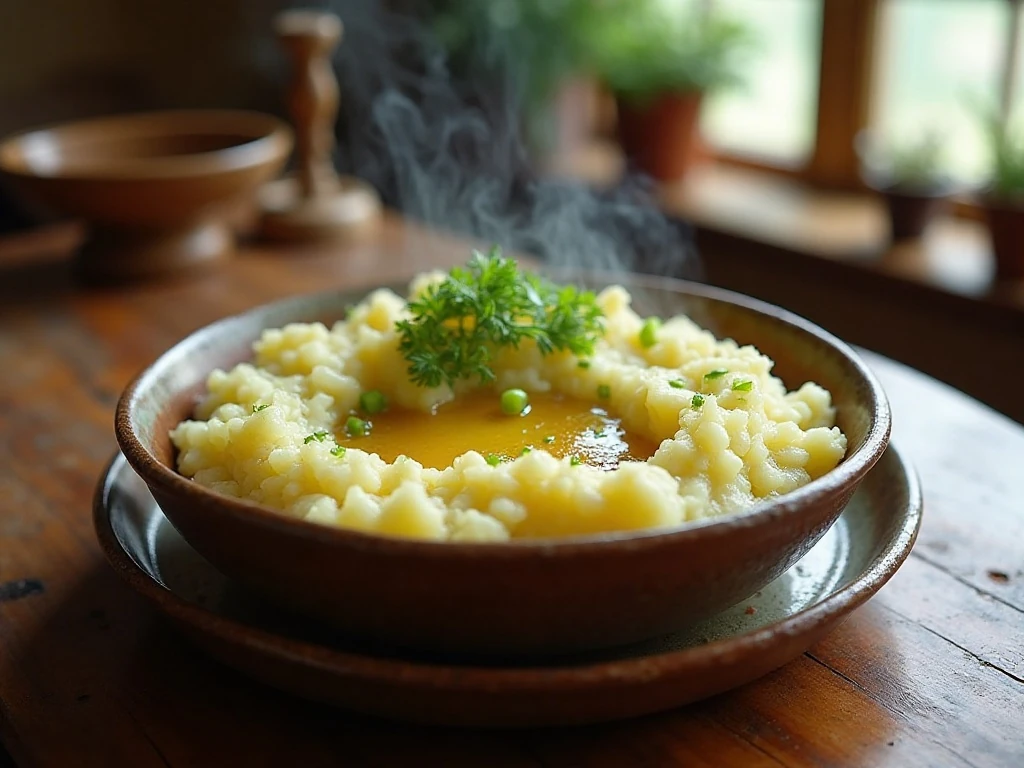
Colcannon is one of those dishes that turns humble ingredients into something deeply comforting. Potatoes provide a soft, creamy base, while cabbage brings a mild sweetness and delicate bite that keeps every forkful interesting.
It is also a practical recipe for a family meal. The ingredients are affordable, the method is straightforward, and the whole dish comes together in roughly 40–50 minutes.
Unlike plain mashed potatoes, colcannon has character from the tender greens and fresh scallions. The buttery center melts into the hot mash at the table, creating a rich finish that makes this side dish especially memorable.
For another cozy dish to serve before dinner, you can also try our comforting tortellini soup. Its warm, hearty flavors pair nicely with a simple Irish-inspired meal.
Ingredients You’ll Need
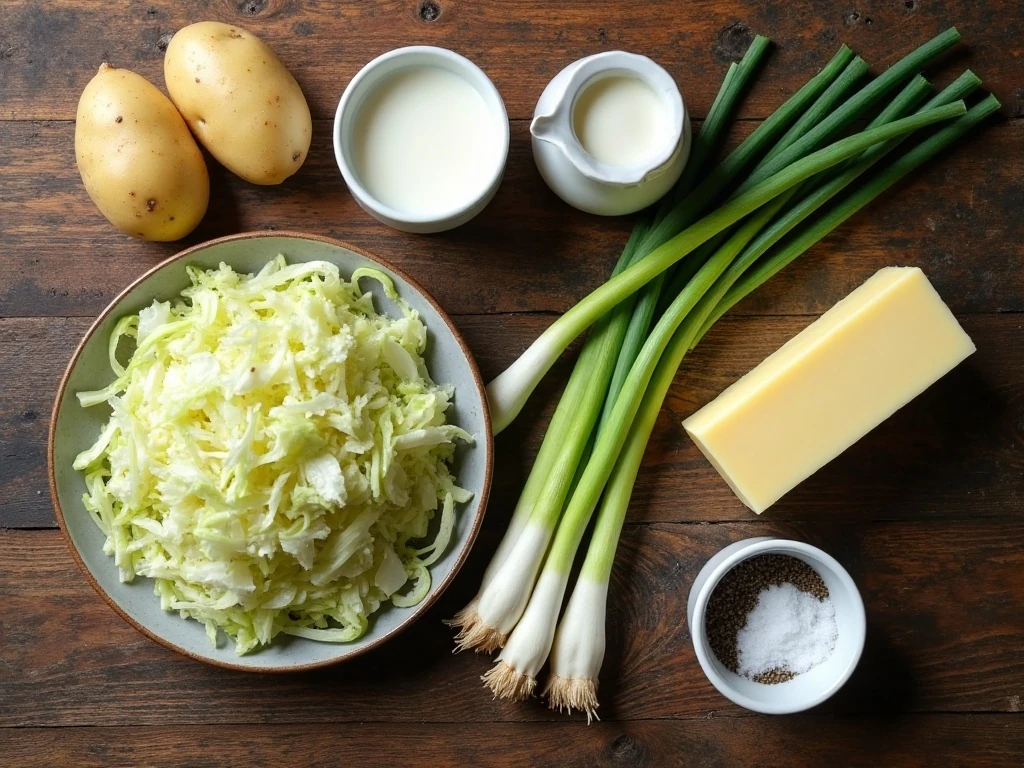
Traditional colcannon does not require a long shopping list. The most important choice is the potato: select a floury or all-purpose variety that breaks down easily and becomes fluffy when mashed.
- Potatoes: Use 2 pounds of Russet, Maris Piper, or Yukon Gold potatoes. Peel them and cut them into evenly sized chunks so they cook at the same rate.
- Cabbage: A small green or Savoy cabbage weighing about 1 pound is ideal. Finely shred it so the strands become tender and blend naturally into the potatoes.
- Scallions: Use 4–6 thinly sliced scallions, also called spring onions. They add a fresh, lightly oniony flavor without overpowering the dish.
- Milk and butter: Whole milk and 8 tablespoons of unsalted butter create a smooth, rich texture. Dividing the butter between the cabbage, milk mixture, mash, and serving crater builds flavor at every stage.
- Seasoning: Start with 1½–2 teaspoons of salt, plus more for the cooking water, and finish with ¼–½ teaspoon of freshly ground black pepper.
If cabbage is not available, use 5–6 ounces of chopped kale instead. Kale gives the dish a slightly more pronounced green flavor while still fitting comfortably within the traditional style.
How to Make It Step-by-Step
Step 1: Peel the potatoes and cut them into evenly sized chunks, aiming for pieces of similar thickness. Put them in a large pot and cover with cold, generously salted water; starting in cold water helps the centers cook before the outsides become too soft.
Step 2: Bring the potatoes to a boil over medium-high heat, then cook for about 15–20 minutes. They are ready when a fork slides into the largest piece without resistance, because undercooked potatoes will leave the mash lumpy.
Step 3: While the potatoes boil, melt 2–3 tablespoons of the butter in a large skillet or saucepan. Add the finely shredded cabbage and a pinch of salt, then cook for 5–8 minutes, stirring regularly, until soft and glossy but not browned.
Step 4: In a small saucepan, warm the milk with the sliced scallions and 2 tablespoons of butter. Keep the mixture gently warm rather than letting it boil vigorously, since hot dairy blends more smoothly into the potatoes and preserves the scallions’ fresh flavor.
Step 5: Drain the cooked potatoes thoroughly in a colander, then return them to the hot pot for 1–2 minutes. This brief steaming step removes extra water, which is essential because watery potatoes can make colcannon loose and thin.
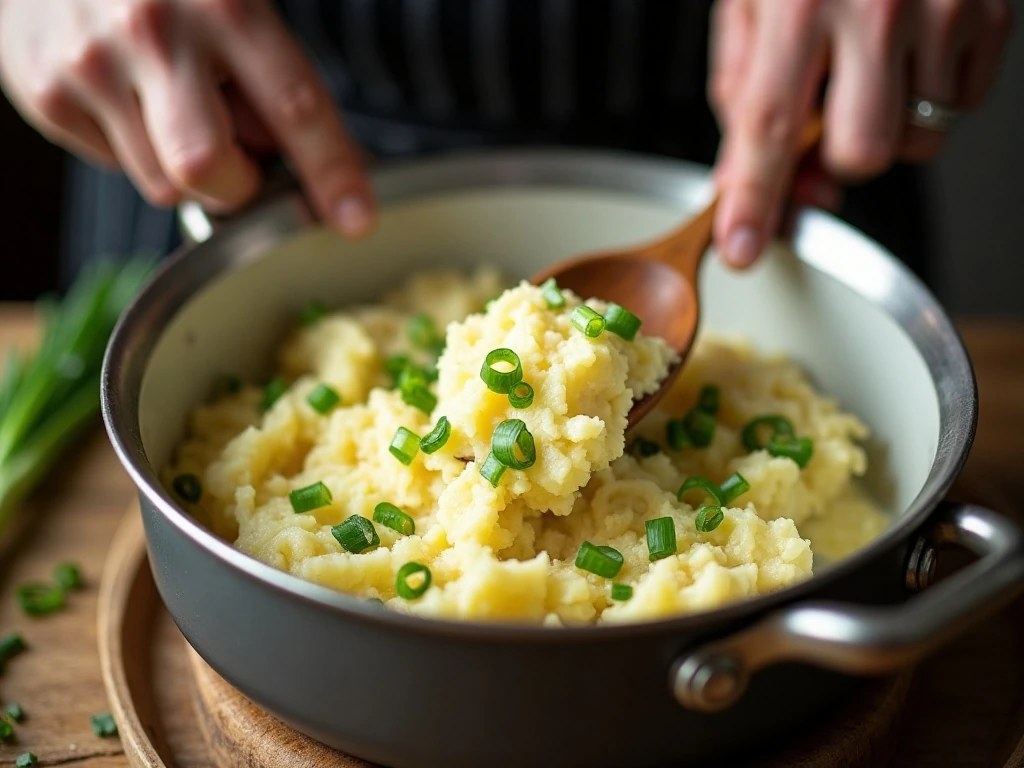
Step 6: Mash the potatoes gently while gradually adding the warm milk, scallions, and butter mixture. Add the remaining butter and stop mashing as soon as the potatoes are smooth; excessive mixing can make them sticky or gluey.
Step 7: Fold the softened cabbage into the mashed potatoes using a spatula or wooden spoon. Season with the remaining salt and freshly ground black pepper, tasting as you go so the cabbage and butter remain balanced.
Step 8: Spoon the colcannon into warm serving bowls and make a crater in the center of each portion. Add a generous knob of butter to the well and serve immediately while the butter melts into the creamy potatoes.
Chef’s Tips for Creamy Colcannon
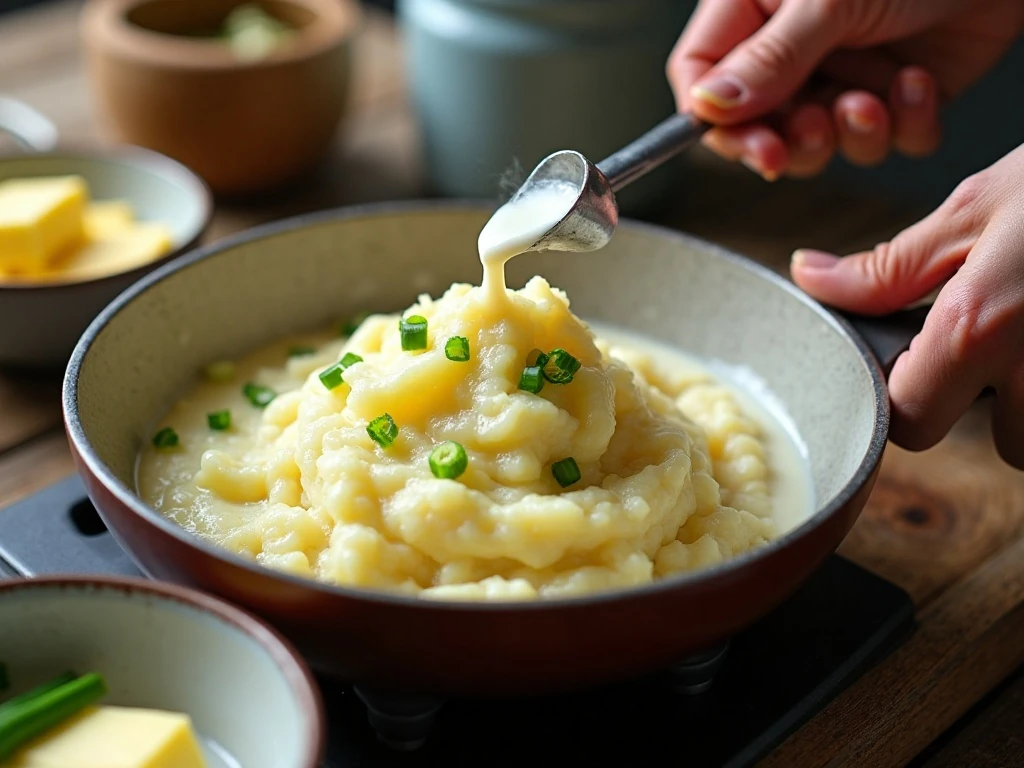
The texture of this dish depends more on moisture control than on complicated technique. Drain the potatoes thoroughly, steam them briefly in the pot, and warm the milk before combining everything.
- Do not use a food processor: A potato masher is the safest tool because it breaks down the potatoes without overworking them.
- Keep the cabbage pale and tender: Cook it until softened, but avoid browning. The traditional flavor is gentle, buttery, and fresh.
- Season in layers: Salt the potato water, add a pinch to the cabbage, and adjust the finished mash at the end.
- Add dairy gradually: You may not need every drop at once, so pour slowly and stop when the texture is creamy but still substantial.
- Serve right away: Colcannon is at its best when hot, fluffy, and crowned with butter.
For a richer variation, some cooks substitute part of the milk with cream, although whole milk creates the classic texture and flavor in this recipe. Bacon, leeks, or chives can also be added in modern versions, but they are optional rather than necessary.
If you are planning a full spread with something sweet afterward, our tropical pina colada bars make a bright contrast to this savory side.
Cabbage or Kale: Which Should You Use?
Green cabbage gives the most familiar colcannon flavor. It becomes soft and lightly sweet in the skillet, with enough structure to remain visible among the mashed potatoes.
Savoy cabbage is equally suitable and has tender, crinkled leaves that blend beautifully into the mash. It may soften slightly faster, so begin checking it near the five-minute mark.
Kale is a useful alternative when cabbage is unavailable. Use about 5–6 ounces of chopped kale, remove any especially tough stems, and cook it until tender before folding it into the potatoes.
There is no single official formula for colcannon. Some Irish versions boil the cabbage or kale separately and stir it into the mash, while this method cooks the cabbage gently in butter for a concentrated, savory flavor.
Serving Ideas and Make-Ahead Notes

Serve colcannon alongside roast chicken, sausages, baked ham, grilled meat, or a simple vegetable dinner. It is substantial enough to make a satisfying meat-free plate when paired with roasted carrots, peas, or a crisp green salad.
The traditional butter well is more than decoration. As it melts, it creates a luscious sauce that runs through the potato mixture, so bring the bowl to the table while the colcannon is still steaming.
Colcannon is best immediately after cooking, but leftovers can be refrigerated in a covered container. Reheat gently in a saucepan or microwave with a small splash of milk, stirring carefully and adding a little butter if the potatoes seem dry.
For dessert inspiration after an Irish-style meal, consider these raspberry cake slices with lemon buttercream. A bright fruit dessert helps finish the rich meal on a fresh note.
What to Serve for a Cozy Meal
Colcannon is a natural partner for dishes with savory pan juices because the potatoes absorb every flavorful drop. Spoon it beside roasted meats or sausages, then add a little gravy or butter just before serving.
For a lighter table, pair it with baked fish and steamed vegetables. The creamy potatoes and tender cabbage offer enough richness without requiring a heavy sauce.
It also works well as part of a casual buffet. Keep the pot covered for a short time, then refresh the texture with a small amount of warm milk and stir gently before serving.
For breakfast or brunch, leftover colcannon can be shaped into small patties and browned in a skillet, although the freshly mashed version remains the classic preparation. Finish the meal with bakery-style blueberry muffins or save a festive treat such as these Christmas tree pastries for a special gathering.

Authentic Irish Colcannon
Ingredients
Method
- Peel the potatoes and cut them into evenly sized chunks. Place them in a large pot, cover with cold water, and add a generous amount of salt.
- Bring the pot to a boil and cook the potatoes for about 15–20 minutes, or until completely tender when pierced with a fork.
- While the potatoes cook, melt 2–3 tablespoons of butter in a large skillet or saucepan. Add the shredded cabbage and a pinch of salt, then cook for 5–8 minutes, stirring often, until softened but not browned.
- Warm the milk with the sliced scallions and 2 tablespoons of butter in a small saucepan. Heat gently and do not allow the milk to boil vigorously.
- Drain the potatoes thoroughly and return them to the hot pot for 1–2 minutes. Letting them steam briefly removes excess moisture and helps prevent loose colcannon.
- Mash the potatoes gently with the warm milk mixture and remaining butter. Fold in the cooked cabbage, then season with salt and freshly ground black pepper.
- Serve the colcannon immediately. Make a small well in the center of each serving and fill it with an additional knob of melted butter.
Notes
Final Thoughts
Authentic Irish colcannon is proof that a few simple ingredients can create an exceptionally comforting dish. Use good potatoes, cook the cabbage until tender, warm the milk, and keep the mashing gentle for the best texture.
Once the butter melts into the crater on top, this creamy potato-and-cabbage dish is ready for the table. Whether served with a Sunday roast, sausages, or a simple vegetable dinner, it brings warmth, tradition, and plenty of flavor to every bite.
Make it your own with green cabbage, Savoy cabbage, or kale, but keep the generous butter and immediate serving tradition. That final touch is what makes homemade colcannon so inviting.