The most unusual poppy seed bread recipe you’ll ever try is actually a beloved classic: a tender, oil-based quick bread baked in two loaf pans and finished with a sweet orange-almond glaze. The unusual part is the generous syrup brushed over the warm loaves, where it slips through tiny holes and perfumes every slice.
This bread takes about 15 minutes to prepare and bakes at 350°F (175°C) for 55–65 minutes. Expect two fragrant loaves with a soft crumb, delicate crunch from poppy seeds, rich almond-vanilla flavor, and a bright citrus finish that makes them perfect for breakfast, brunch, gifting, or afternoon coffee.
Jump to RecipeWhy You’ll Love This Recipe
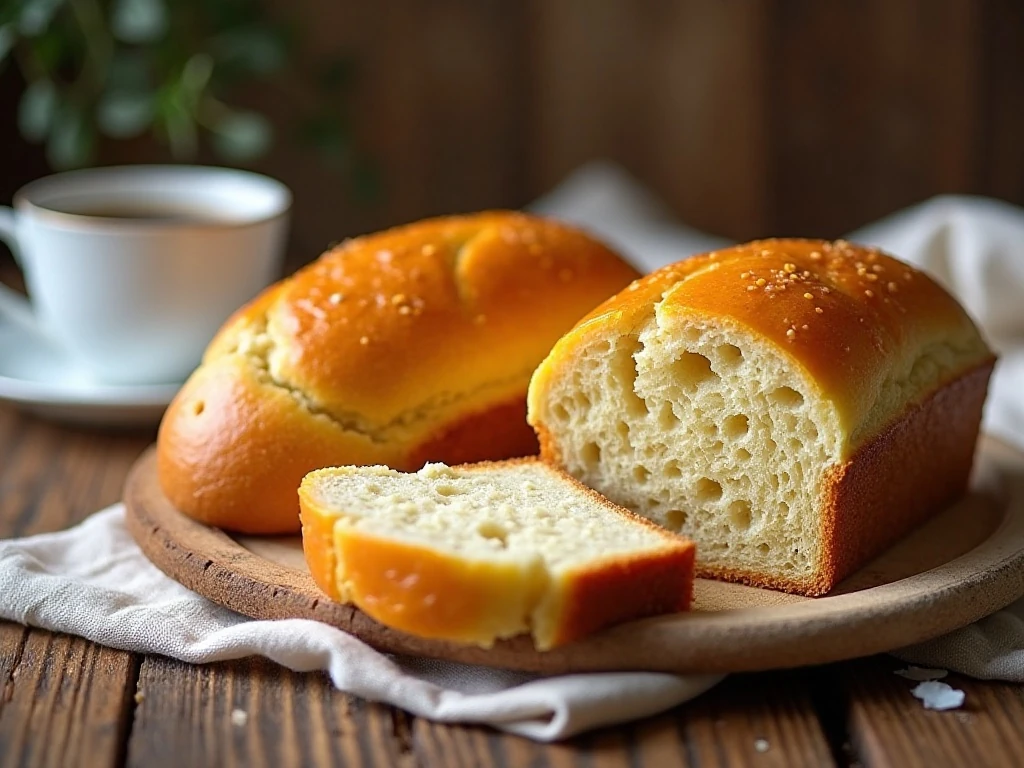
This is the kind of quick bread that looks familiar on the outside but surprises you with its flavor. The crumb is plush and moist from vegetable oil, while poppy seeds add tiny bursts of texture without overpowering the loaf.
Almond extract gives the bread its memorable bakery-style character. Vanilla rounds out that aroma, and the orange glaze brings a sweet, lightly tangy finish that makes each slice taste more special than an ordinary loaf cake.
Because the recipe makes two standard loaves, it is ideal for sharing. Keep one for your kitchen and wrap the second for a neighbor, host, teacher, or anyone who appreciates a homemade treat. If you enjoy baking for a breakfast spread, you may also like these bakery-style blueberry muffins.
Ingredients You’ll Need

The batter uses simple pantry and refrigerator staples, but the proportions create a particularly soft, rich loaf. Use large eggs and ordinary all-purpose flour for the most consistent result.
- Eggs: Three large eggs provide structure and help bind the oil-based batter.
- Vegetable oil: The oil keeps the bread moist for days and gives the crumb a tender texture.
- Sugar and milk: These create sweetness, softness, and enough moisture for two generous loaves.
- Flour, baking powder, and salt: This trio builds the structure and balances the sweetness.
- Poppy seeds: One and one-half tablespoons provide the signature speckled appearance and gentle crunch.
- Vanilla and almond extracts: The almond note is especially important to the classic flavor.
The glaze is just as important as the bread itself. Orange juice, sugar, oil, vanilla, and almond extract form a warm syrup that sinks into the loaf instead of sitting only on top.
How to Make It Step-by-Step
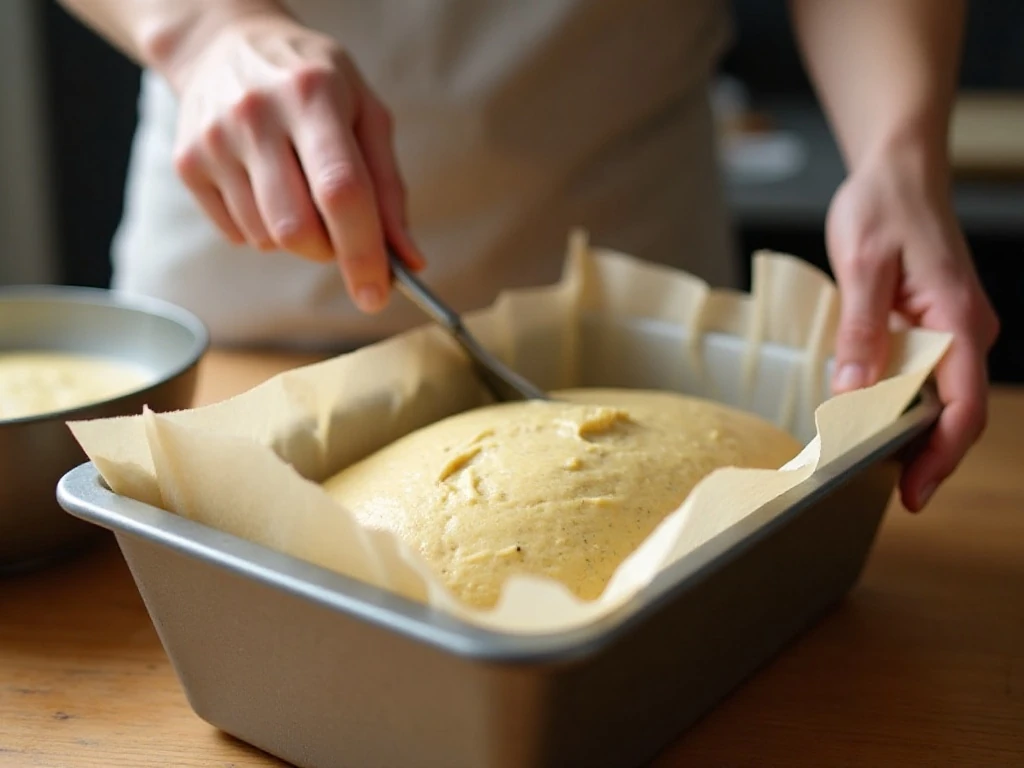
Step 1: Heat the oven to 350°F (175°C). Grease and flour two 9-by-5-inch loaf pans, or line them with parchment, leaving a little paper overhang to make lifting the loaves easier.
Step 2: Add the eggs, vegetable oil, granulated sugar, milk, vanilla extract, and almond extract to a large mixing bowl. Beat until everything is blended and the mixture looks even, with no streaks of egg remaining.
Step 3: In a second bowl, whisk the all-purpose flour, baking powder, salt, and poppy seeds together. Distributing the seeds through the flour helps prevent them from collecting in one area of the finished bread.
Step 4: Gradually add the dry mixture to the wet mixture. Stir only until the flour disappears; a few gentle turns are better than vigorous mixing because overworked batter can produce dense or rubbery loaves.
Step 5: Divide the batter evenly between the two prepared pans. If needed, use a spatula to smooth the tops, but do not press the batter down firmly.
Step 6: Bake for 55–65 minutes. Begin checking at the shorter end of the range, and test the center with a toothpick; it should come out clean or with a few moist crumbs rather than wet batter.
Step 7: While the bread bakes, place the glaze sugar, orange juice, vegetable oil, vanilla extract, and almond extract in a saucepan. Heat gently until the sugar dissolves, stirring as needed, and avoid a vigorous boil.
Step 8: Let the loaves stand in their pans for about 5–10 minutes. Poke holes over the tops with a skewer or toothpick, then brush or spoon the warm glaze over both loaves so the syrup can travel into the crumb.
Step 9: Let the bread cool completely in the pans before removing and slicing. The loaves will be delicious when warm, but their flavor becomes more pronounced if they are wrapped tightly and allowed to rest overnight.
The Orange-Almond Glaze Makes It Unusual
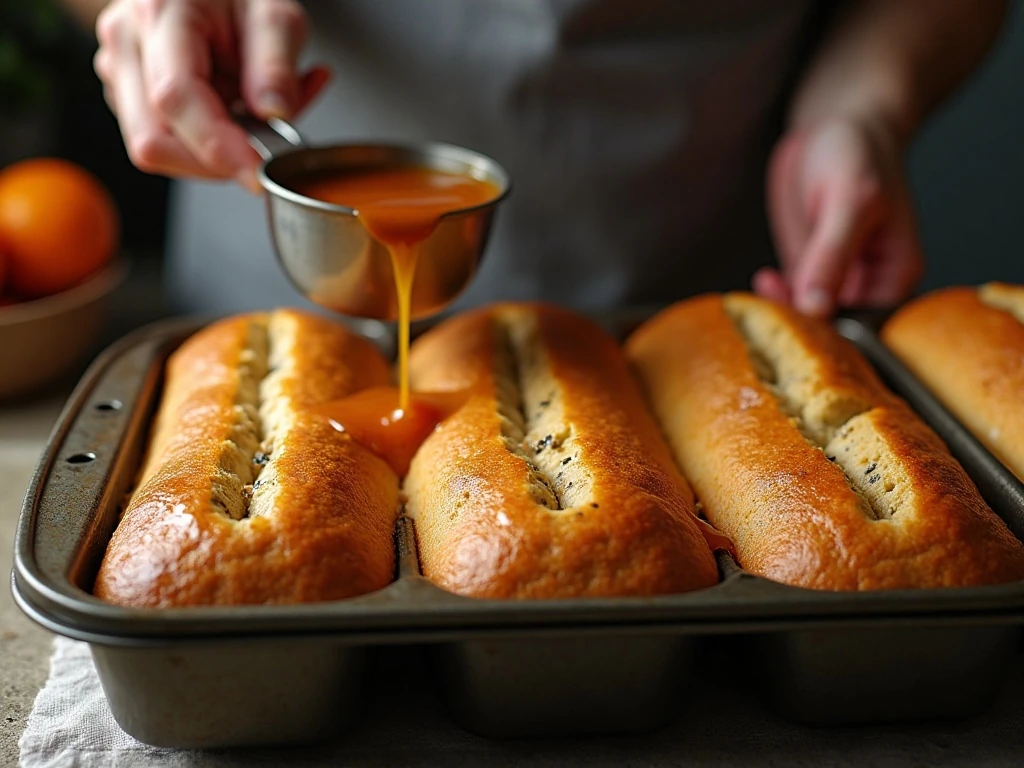
Many quick breads rely on a simple powdered-sugar icing, but this recipe uses a thin, warm syrup. The combination of orange juice and almond extract gives the bread a bright, almost confectionery aroma, while the small amount of oil helps the glaze remain soft rather than turning brittle.
Do not skip the holes. They create pathways for the glaze to move below the crust, giving the center a moist, fragrant finish instead of leaving all the sweetness on the surface.
Apply the glaze while the loaves are warm but not piping hot. If the bread has cooled completely, the syrup will not soak in as readily; if it is removed from the oven and glazed immediately, it may be too fragile to handle comfortably.
Pro Tips for Tender Loaves
- Measure carefully: Use level measurements, especially for flour and baking powder, so the batter has the intended balance.
- Mix lightly: Once flour is added, stop as soon as the batter comes together. This is the most important texture tip.
- Use matching pans: Two 9-by-5-inch pans help the batter bake evenly and produce loaves with a pleasing height.
- Check for moist crumbs: A completely dry toothpick can mean the bread has baked a little too long.
- Rest before slicing: Overnight resting allows the orange-almond flavor to settle into the crumb.
This bread is also wonderfully suited to a relaxed brunch table. For a savory contrast, pair slices with something hearty such as our sausage, egg, and cheese breakfast bombs, then offer fresh fruit and coffee alongside.
Serving, Storage, and Pairing Ideas

Slice the bread into thick pieces and serve it at room temperature, or warm a slice gently before eating. The loaf needs no butter because the crumb and glaze are already rich, though a little softened butter can be enjoyable for an especially indulgent breakfast.
Store the cooled loaves tightly wrapped at room temperature for several days. For longer storage, wrap them well and freeze them, then thaw before slicing; keep the loaves whole when possible so the interior stays moist.
Serve it with coffee, black tea, or a glass of cold milk. It also makes a lovely sweet finish after a casual meal such as one-pot farmers market pasta.
If you are assembling a larger buffet, the sweet citrus flavor balances salty and savory dishes beautifully. A scoop of fruit salad or a small spoonful of Texas caviar can add color and variety to the table, even though the bread itself is the star.
Common Questions About Poppy Seed Bread
Can I make one large loaf? This formula is designed for two standard 9-by-5-inch loaves, so dividing the batter as directed gives the most reliable baking time and texture.
Why did my bread turn dense? The most common reason is overmixing after the flour is added. Stir gently and stop as soon as the dry ingredients are incorporated.
Should I glaze both loaves? Yes. The glaze recipe is intended for the two-loaf batch, and poking both warm loaves ensures that each gets the signature orange-almond flavor.
Is this a yeast bread? No. It is a sweet quick bread made with baking powder, so there is no kneading, rising, or proofing period.
For another comforting meal to keep in your recipe rotation, try this slow-cooker kielbasa and cabbage recipe, then save the poppy seed bread for dessert or the next morning.

The Most Unusual Poppy Seed Bread
Ingredients
Method
- Heat the oven to 350°F (175°C). Grease and flour two 9-by-5-inch loaf pans, or line them with parchment paper.
- Beat the eggs, vegetable oil, granulated sugar, milk, vanilla extract, and almond extract until the mixture is blended and smooth.
- In a separate bowl, whisk together the all-purpose flour, baking powder, salt, and poppy seeds.
- Gradually add the dry ingredients to the wet mixture, stirring only until no dry flour remains. Do not overmix.
- Divide the batter evenly between the prepared loaf pans and smooth the tops.
- Bake for 55–65 minutes, or until a toothpick inserted into the center comes out clean or with a few moist crumbs.
- While the loaves bake, combine the glaze sugar, orange juice, vegetable oil, vanilla extract, and almond extract in a saucepan. Heat gently until the sugar dissolves, but do not let the mixture boil vigorously.
- Let the baked loaves stand for 5–10 minutes. Poke holes across the tops with a skewer or toothpick, then brush or spoon the warm glaze over the bread.
- Cool the loaves in their pans before removing and slicing. For the fullest flavor, wrap the cooled bread tightly and let it rest overnight before serving.
Notes
Final Thoughts
This unusual poppy seed bread earns its name through the details: almond extract in the batter, plenty of poppy seeds, and a warm orange glaze that soaks into every slice. It is easy enough for a weekday bake but distinctive enough to bring to a holiday breakfast or weekend gathering.
Make the full two-loaf batch, glaze the bread while it is warm, and give it time to rest overnight if you can. The result is a moist, fragrant quick bread with a crisp little seed texture and a sweet citrus finish that keeps everyone reaching for another slice.