This One-Pot Farmer’s Market Pasta is an easy dinner made by cooking uncooked linguine or spaghetti directly with zucchini, yellow summer squash, tomatoes, corn, onion, garlic, broth, and olive oil. The entire meal comes together in one wide skillet in about 30 to 40 minutes, including 10 to 15 minutes of preparation and 18 to 25 minutes of cooking.
Every forkful is bright, savory, and fresh, with sweet corn and tomatoes balancing tender squash, fragrant basil, Parmesan, and a gentle touch of lemon. The pasta starch blends with the broth to create a lightly creamy sauce without requiring heavy cream, making this a practical summer dinner when the market basket is overflowing with vegetables.
Jump to RecipeWhy You’ll Love This Recipe
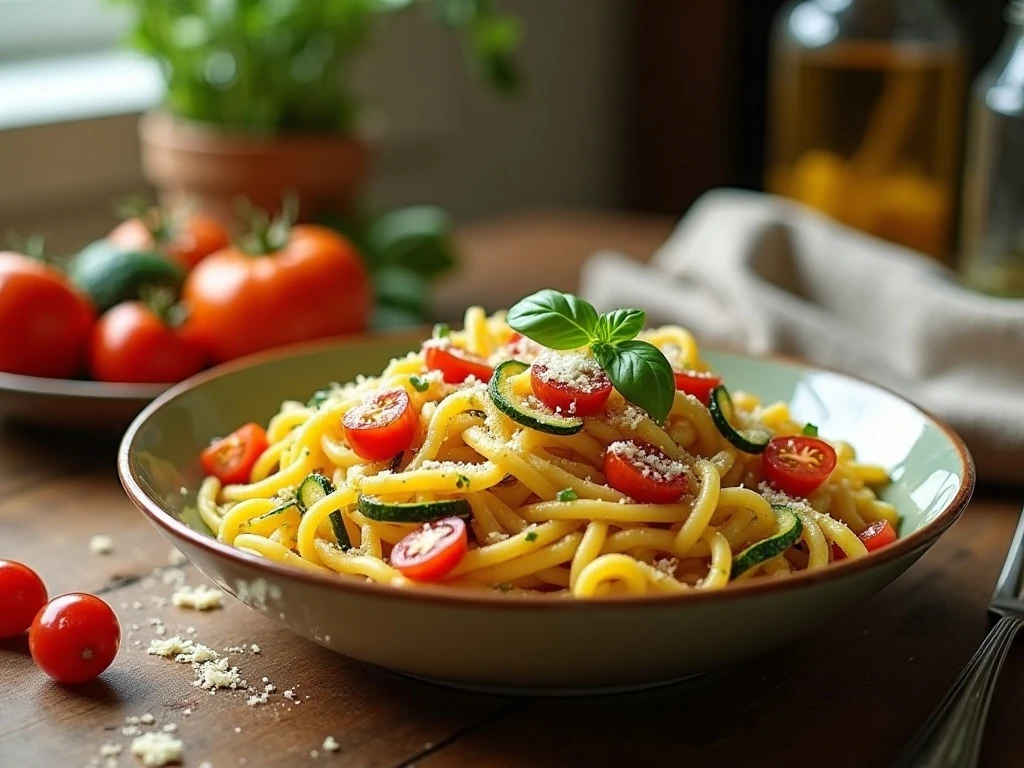
This pasta brings the best of a summer produce stand to the dinner table without asking you to cook several separate components. Zucchini, yellow squash, juicy tomatoes, sweet corn, onion, and garlic all simmer alongside the pasta, so their flavors mingle in the broth as everything cooks.
The one-pot method also creates a sauce with wonderful texture. As the pasta releases starch into the broth, the liquid becomes lightly creamy and clings to every strand, while the vegetables remain colorful and tender.
There is very little cleanup because the pasta, vegetables, sauce, and cooking vessel are all part of the same process. For another comforting pasta idea with a different vegetable focus, take a look at this creamy cauliflower pasta.
- Fast: Prep takes about 10 to 15 minutes, and the full recipe takes about 30 to 40 minutes.
- Flexible: Use vegetable broth for a vegetarian dinner or chicken broth for a slightly richer savory flavor.
- Fresh: The vegetables provide sweetness, color, and a pleasant contrast to the tender pasta.
- Family-friendly: Leave out the red-pepper flakes for a mild version, then add spice at the table.
Ingredients You’ll Need
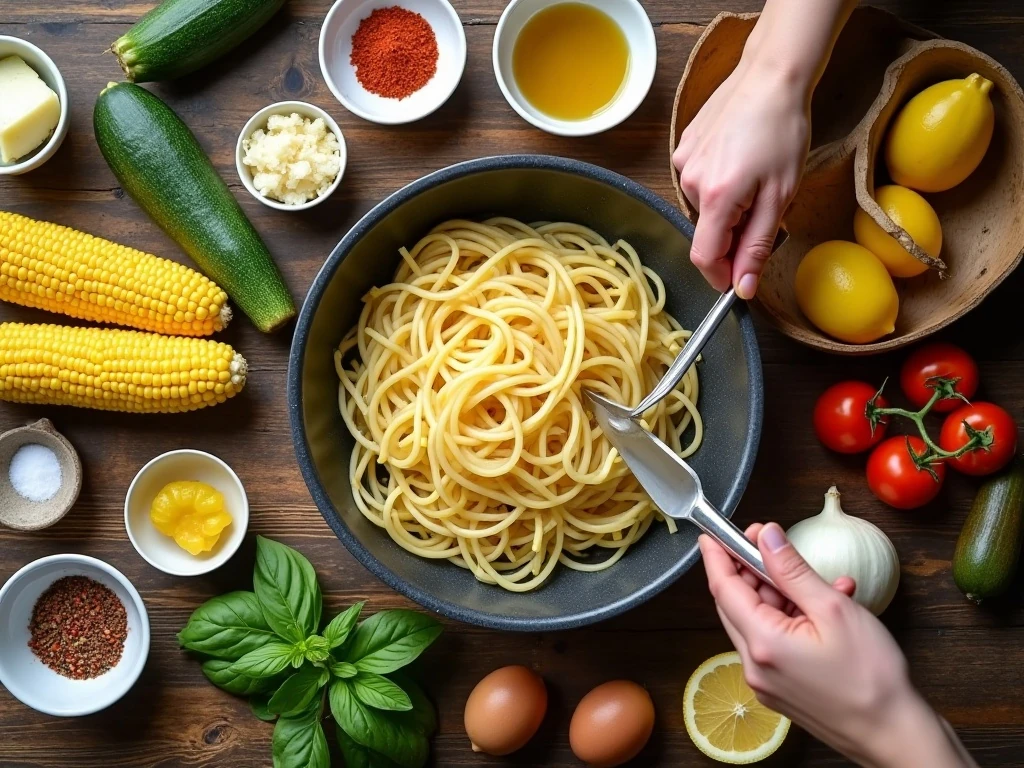
Choose a large, wide skillet or Dutch oven so the dry pasta can lie as flat as possible. A broad cooking surface makes it easier to stir the noodles and helps the broth evaporate at the proper rate.
Thinly slice the zucchini, yellow squash, and onion so they cook in the same window as the pasta. Halve the cherry or grape tomatoes, and cut the corn from about two fresh ears for the sweetest market-fresh flavor.
- Pasta: Twelve ounces of uncooked linguine or spaghetti form the base of the meal.
- Vegetables: One medium zucchini, one medium yellow summer squash, one pint of halved cherry or grape tomatoes, one cup of corn, and one small sliced onion provide the main flavor and color.
- Aromatics: Three garlic cloves add savory depth without requiring a separate sauté.
- Cooking liquid: Four cups of low-sodium vegetable or chicken broth cook the noodles and season the dish.
- Finishing touches: Olive oil, kosher salt, black pepper, optional red-pepper flakes, Parmesan, basil, and optional lemon juice complete the recipe.
Low-sodium broth is useful here because Parmesan adds salt at the end. If you use regular broth, taste carefully before adding any extra seasoning.
How to Make It Step-by-Step

Step 1: Prepare the vegetables before turning on the stove. Halve the zucchini and yellow squash lengthwise, slice them thinly, halve the tomatoes, slice the onion, and mince or thinly slice the garlic so everything can go into the pan at once.
Step 2: Place the dry linguine or spaghetti in a large, wide skillet or Dutch oven. Arrange the sliced zucchini, yellow squash, tomatoes, corn, onion, and garlic around and over the noodles, then pour in the broth and olive oil.
Step 3: Season the mixture with the kosher salt, black pepper, and optional red-pepper flakes. Starting with all the ingredients together may look crowded, but the vegetables will soften and the pasta will settle as the broth heats.
Step 4: Bring the pan to a strong boil over medium-high heat. Keep the pan uncovered so excess moisture can escape and use tongs to stir frequently, separating the strands whenever they begin to stick together.
Step 5: Continue cooking for about 9 to 12 minutes, checking the pasta often for an al dente texture. Stirring helps distribute the heat, prevents clumps, and moves the vegetable juices through the broth while the pasta starch builds the sauce.
Step 6: Watch the liquid near the end of cooking. If the pasta is tender but the pan still seems too soupy, simmer for another 1 to 2 minutes; if the noodles are drying out before they are tender, add hot broth or water 1/4 cup at a time.
Step 7: Remove the skillet from the heat before adding the Parmesan and basil. Stir in the freshly grated cheese, torn basil leaves, and optional lemon juice so the cheese stays smooth and the basil keeps its fresh aroma.
Step 8: Taste the finished pasta and adjust the salt and pepper. Serve immediately with extra Parmesan and basil, making sure each bowl receives noodles, vegetables, and plenty of the lightly creamy pan sauce.
Pro Tips for the Best One-Pot Pasta
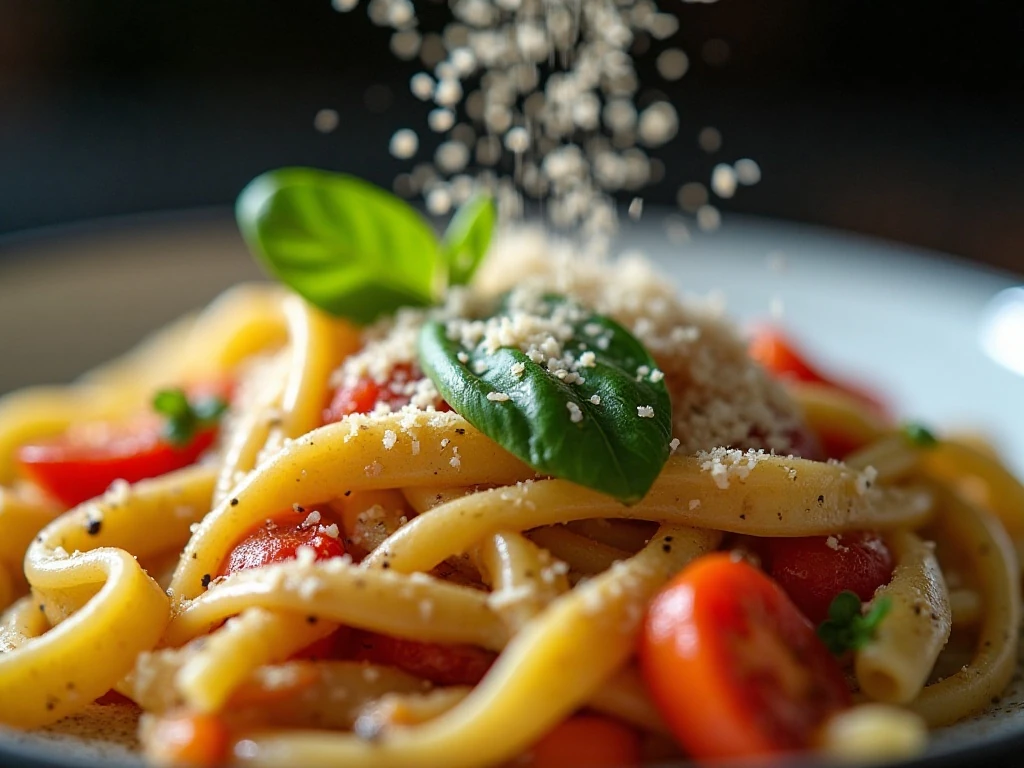
A wide pan is more than a convenience; it is important to the cooking method. When the noodles have room to spread out, they cook more evenly and are easier to separate with tongs.
Stir frequently, especially during the first several minutes when the pasta is still firm. Occasional stirring also helps the starch move into the broth, which gives the finished sauce its silky texture.
- Keep the pan uncovered: This allows the broth to reduce while the pasta cooks.
- Grate Parmesan finely: Fine shreds melt more readily into the warm sauce.
- Add finishing ingredients off the heat: Basil can lose its fresh flavor with prolonged cooking, while Parmesan may become grainy if boiled.
- Use lemon with restraint: The optional tablespoon brightens the tomatoes, corn, and squash without making the dish taste sour.
- Serve right away: The sauce is at its best while warm and glossy.
For a spicy variation, keep the optional red-pepper flakes in the pan. For a more substantial meal, serve the pasta with a simple salad or a fresh summer side such as this grilled peach Caprese.
Serving Suggestions
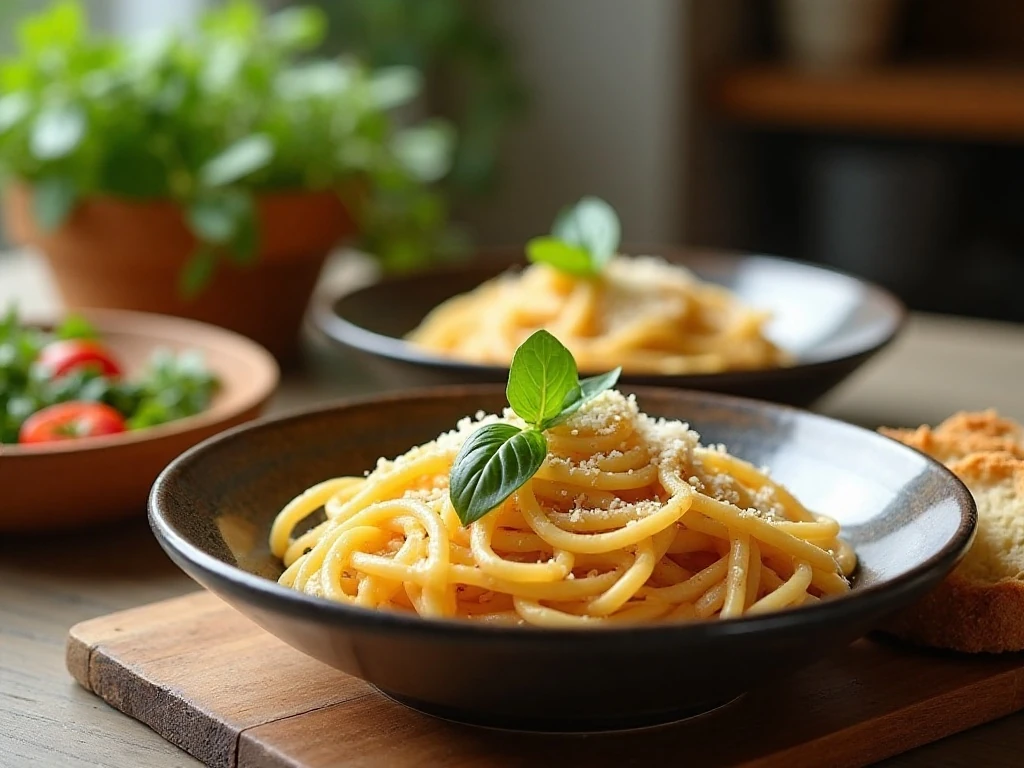
Bring the skillet directly to the table if you are serving a casual family dinner. A final shower of Parmesan, a few torn basil leaves, and a little black pepper make the dish look as inviting as it tastes.
This pasta is satisfying on its own, but it also pairs well with crusty bread for catching the vegetable-rich sauce. If you are planning a larger Italian-inspired meal, a seafood main such as mussels pasta with red sauce can be saved for another dinner when you want a more elaborate pasta centerpiece.
For dessert, keep the seasonal theme going with warm fruit. These slow-cooked baked apples make a cozy finish when fresh berries or stone fruit are not on hand.
Storage and Reheating
Let leftovers cool briefly, then transfer them to an airtight container and refrigerate. The pasta is best enjoyed within a few days, though the noodles will continue absorbing sauce as they sit.
Reheat individual portions gently in the microwave or in a skillet over low heat. Add a splash of broth or water before warming to loosen the sauce, and finish with fresh Parmesan or basil if available.
Because the vegetables are delicate, avoid prolonged high heat during reheating. Gentle warmth keeps the squash tender and helps prevent the pasta from becoming dry or rubbery.
Common Questions
Can I use vegetable broth? Yes. Vegetable broth keeps the recipe vegetarian and works especially well with the sweet corn, tomatoes, and summer squash.
Why does the pasta need frequent stirring? Dry noodles can stick together while they cook in a shallow amount of broth. Stirring separates them and helps the released starch blend into the cooking liquid.
Can I skip the lemon juice? Absolutely. Lemon is optional, although a tablespoon adds a fresh finish that complements the vegetables and Parmesan.
What if my pan is too dry? Add hot broth or water 1/4 cup at a time until the noodles are tender and the sauce loosens. Add only a little at a time so the final dish does not become watery.
If you enjoy comforting one-pot meals, you may also like this easy chicken noodle soup for a cooler evening. Both recipes rely on a flavorful cooking liquid and simple ingredients to create a complete dinner with minimal cleanup.
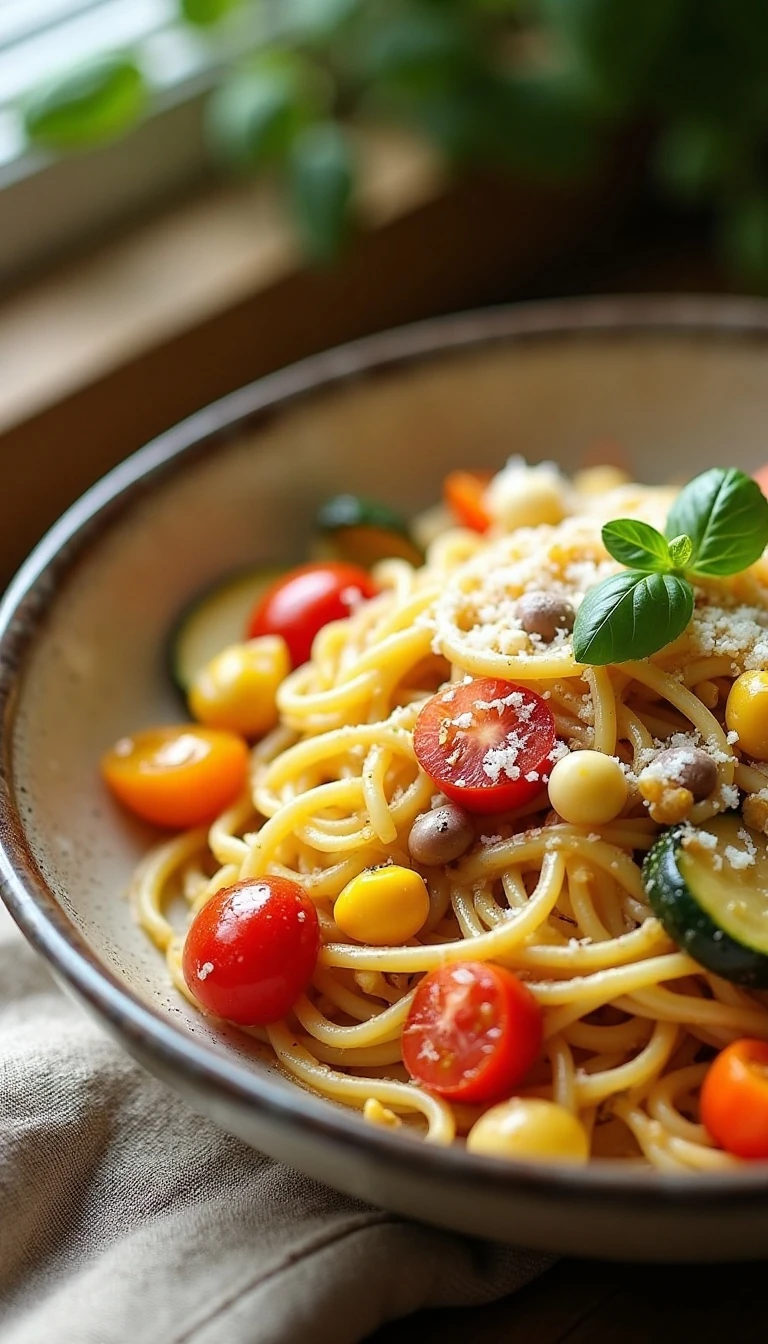
One-Pot Farmer's Market Pasta
Ingredients
Method
- Place the dry pasta in a large, wide skillet or Dutch oven. Add the zucchini, yellow summer squash, tomatoes, corn, onion, garlic, broth, olive oil, kosher salt, black pepper, and optional red-pepper flakes.
- Bring the mixture to a strong boil over medium-high heat. Cook uncovered, stirring and separating the pasta frequently, until the pasta is al dente and most of the liquid has been absorbed, usually 9 to 12 minutes depending on the pasta.
- Remove the pan from the heat. Stir in the freshly grated Parmesan, torn basil, and optional lemon juice.
- Taste the pasta and adjust the salt and pepper. If the pasta is cooked but the mixture is too soupy, simmer it for another 1 to 2 minutes; if it becomes dry before the pasta is tender, add hot broth or water 1/4 cup at a time.
- Serve immediately with additional Parmesan and basil. Spoon plenty of vegetables and sauce over each portion so every serving has a balanced bite.
Notes
Final Thoughts
One-Pot Farmer’s Market Pasta is the kind of dinner that makes everyday cooking feel generous and colorful. The method is simple: add the pasta, vegetables, broth, and seasonings to one wide pan, stir as everything cooks, then finish with Parmesan, basil, and optional lemon.
The result is tender pasta wrapped in a light, savory sauce with sweet corn, juicy tomatoes, and perfectly summery squash in every serving. Keep this recipe nearby during farmers-market season, and adjust the garnish or spice to suit your table.
Serve it hot, pass around extra Parmesan, and enjoy a fresh homemade dinner without a sink full of dishes.
2 thoughts on “One-Pot Farmer’s Market Pasta Recipe with Summer Vegetables”