This ultimate make-anything yeast bread dough is the dependable master recipe every home baker needs. Made with warm water or milk, yeast, sugar or honey, butter or olive oil, salt, and flour, it can become one large loaf, 12 dinner rolls, two medium pizzas, or 8–10 calzones.
The finished dough bakes into bread that is soft, tender, lightly enriched, and pleasantly chewy, with enough structure for pizza and enough tenderness for rolls. Follow the recipe as written, keep the dough slightly tacky rather than stiff, and you will have a versatile homemade bread base ready for sweet or savory baking.
Jump to RecipeWhy You’ll Love This Recipe

A good master dough removes the guesswork from homemade bread. This formula has enough richness from butter or olive oil to keep the crumb soft, while the yeast and carefully measured flour provide the elasticity needed for shaping.
It is also wonderfully flexible. Use the same dough for a crusty-edged pizza on Friday, pillowy rolls with Sunday dinner, or a golden loaf for sandwiches during the week.
The flavor is mild enough to pair with roasted vegetables, cheese, soup, or grilled meats. If you enjoy experimenting with homemade bread, you may also like these naturally sweet moist banana bread ideas for a completely different style of baking.
Ingredients You’ll Need
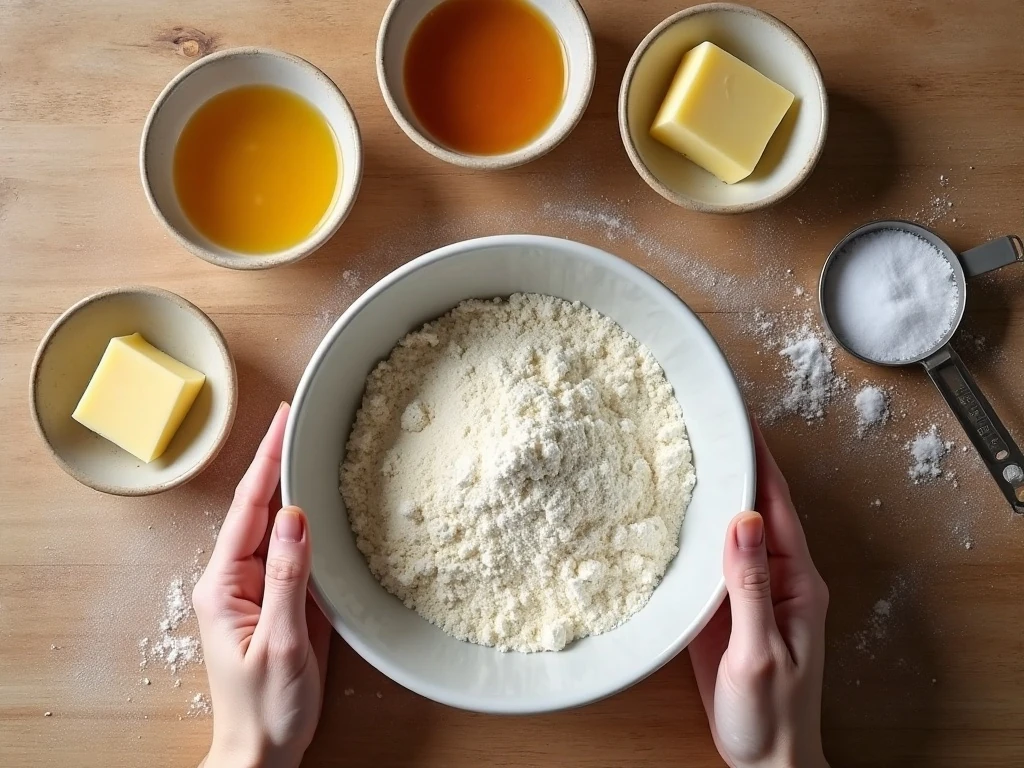
Start with 1 1/2 cups, or 360 grams, of warm water or milk. The liquid should be about 105-110°F (40-43°C), warm to the touch but not hot, because excessive heat can damage the yeast.
You will need 2 1/4 teaspoons, or 7 grams, of active dry or instant yeast and 2 tablespoons, or 25 grams, of sugar or honey. The sweetener supports fermentation and contributes a subtle roundness to the finished bread without making the dough taste sugary.
Add 2 tablespoons, or 28 grams, of melted butter or olive oil and 1 1/2 teaspoons, or 8-9 grams, of fine salt. Finish with 4 to 4 1/2 cups, or 480-540 grams, of unbleached all-purpose or bread flour, adding the upper amount only when necessary.
- Milk creates a slightly richer, softer crumb.
- Water produces a lighter dough with a clean wheat flavor.
- Butter adds mellow richness, while olive oil brings a gentle savory note.
- All-purpose flour works well, and bread flour gives the dough extra chew.
For another comforting homemade loaf to compare with this yeast dough, take a look at this peanut butter bread recipe.
How to Make It Step-by-Step
Step 1: Warm the water or milk and pour it into a large mixing bowl. Add the yeast and sugar or honey, then wait 5-10 minutes if you are using active dry yeast; a foamy surface shows that the yeast is ready, while instant yeast can go straight in with the flour.
Step 2: Stir in the melted butter or olive oil and salt. Add about 4 cups of flour gradually, mixing after each addition until the mixture changes from wet and sticky to a shaggy mass.
Step 3: Assess the dough before adding more flour. It should feel soft and slightly tacky, but it should not smear heavily around the bowl; add the remaining flour a little at a time only if it is excessively sticky.
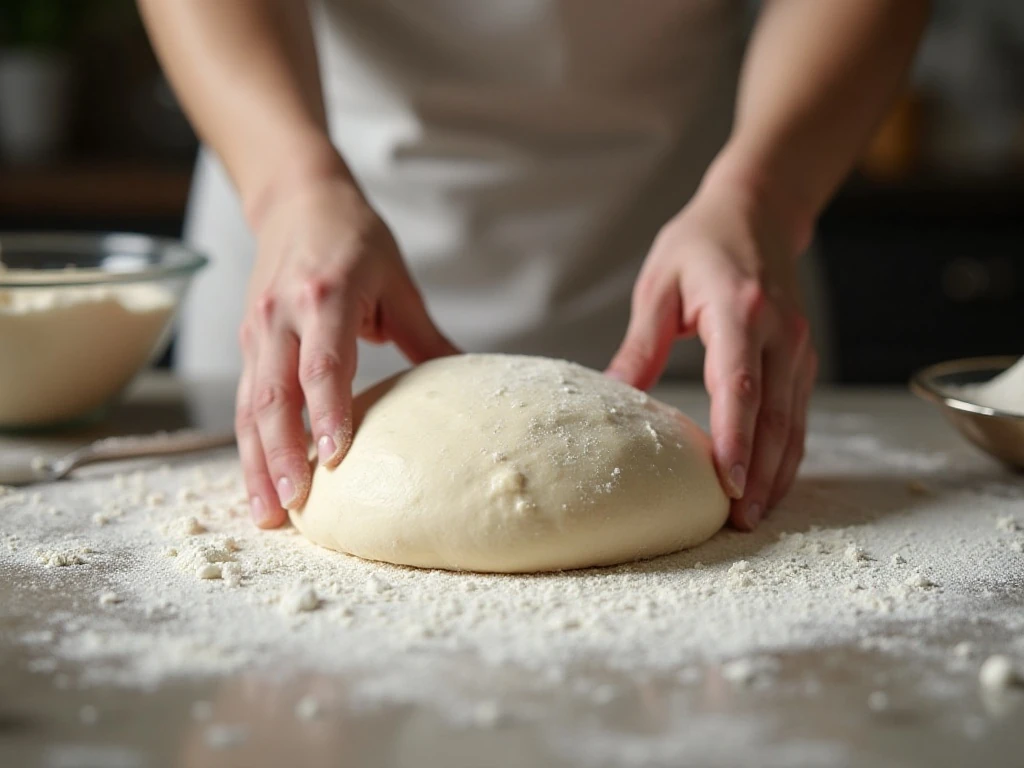
Step 4: Knead by hand for 8-10 minutes on a lightly floured surface, or use a dough hook for 5-7 minutes. The dough is ready when it becomes smooth and elastic and can stretch gently without immediately tearing.
Step 5: Lightly oil a clean bowl and place the dough inside, turning it once to coat the surface. Cover it with a lid, plate, or towel and let it rise in a warm, draft-free place for 60-90 minutes, until it has doubled in size.
Step 6: Gently deflate the dough to release large air pockets without crushing it completely. Divide and shape it on a lightly floured surface, keeping the portions even if you are making rolls, pizzas, or calzones.
Step 7: Cover the shaped dough and let it rest or rise for another 30-45 minutes. This second rise gives rolls a tender interior, lets pizza dough relax for easier stretching, and helps a loaf bake with a more open crumb.
Step 8: Bake according to the shape you selected. Bake rolls at 375°F (190°C) for 18-22 minutes, pizza or flatbreads at 450-500°F (230-260°C) for 10-15 minutes, and a loaf at 375°F (190°C) for 30-40 minutes.
Step 9: Check a loaf for doneness by looking for a browned crust and listening for a hollow sound when you tap the bottom. For the most reliable result, test the center with an instant-read thermometer; it should register approximately 190-200°F (88-93°C).
Ways to Shape This Versatile Dough
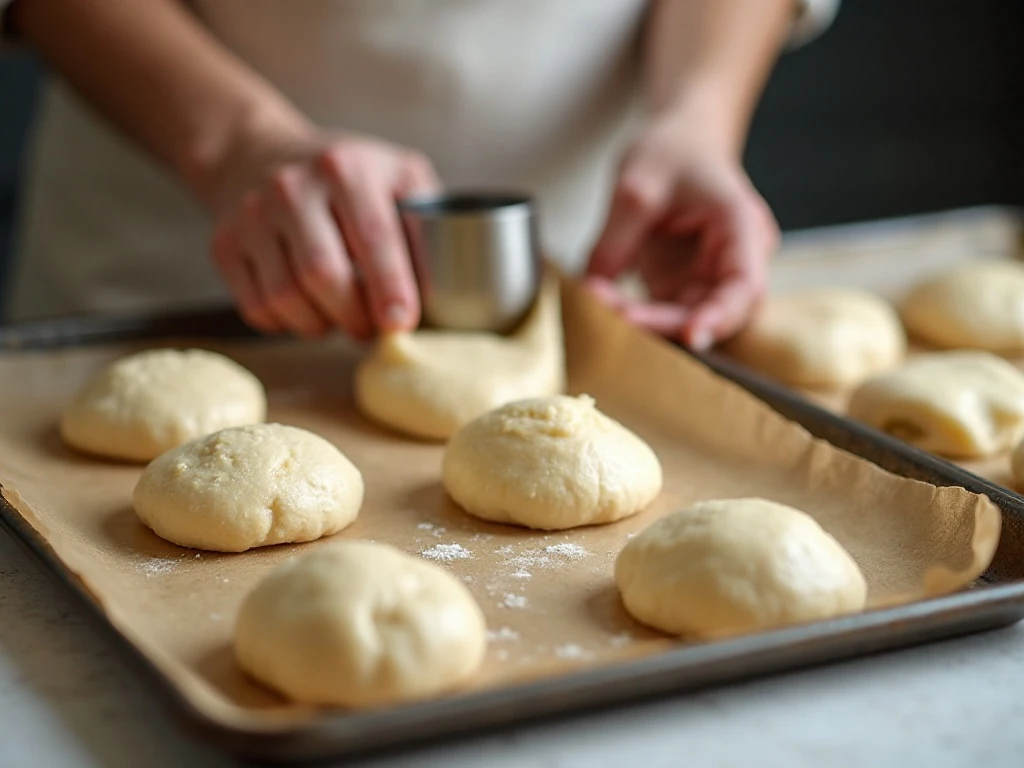
For one large loaf, shape the dough into a taut round or an oval and place it on a baking sheet or in a loaf pan. Create surface tension by gently pulling the edges underneath, then score the top just before baking if you want a classic bakery appearance.
For dinner rolls, divide the dough into 12 equal pieces and tuck the edges beneath each portion. Arrange the rounds in a greased baking dish with a little space between them so they can expand during the second rise.
For pizza, divide the dough into two portions and gently stretch each one into a medium round. Keep the center thinner than the rim, add sauce and toppings sparingly, and bake at 450-500°F (230-260°C) for 10-15 minutes.
For calzones, divide the dough into 8-10 portions and roll each into a circle. Fill one half with cheese, vegetables, or cooked meat, fold over the dough, press the edges firmly, and cut a small vent in the top before baking.
You can also use the dough for cinnamon rolls by rolling it into a rectangle, spreading it with butter and cinnamon sugar, then rolling, slicing, and allowing the pieces to rise before baking. If you prefer a low-carbohydrate option, compare the texture and technique with these keto bread buns.
Pro Tips for Soft, Reliable Bread
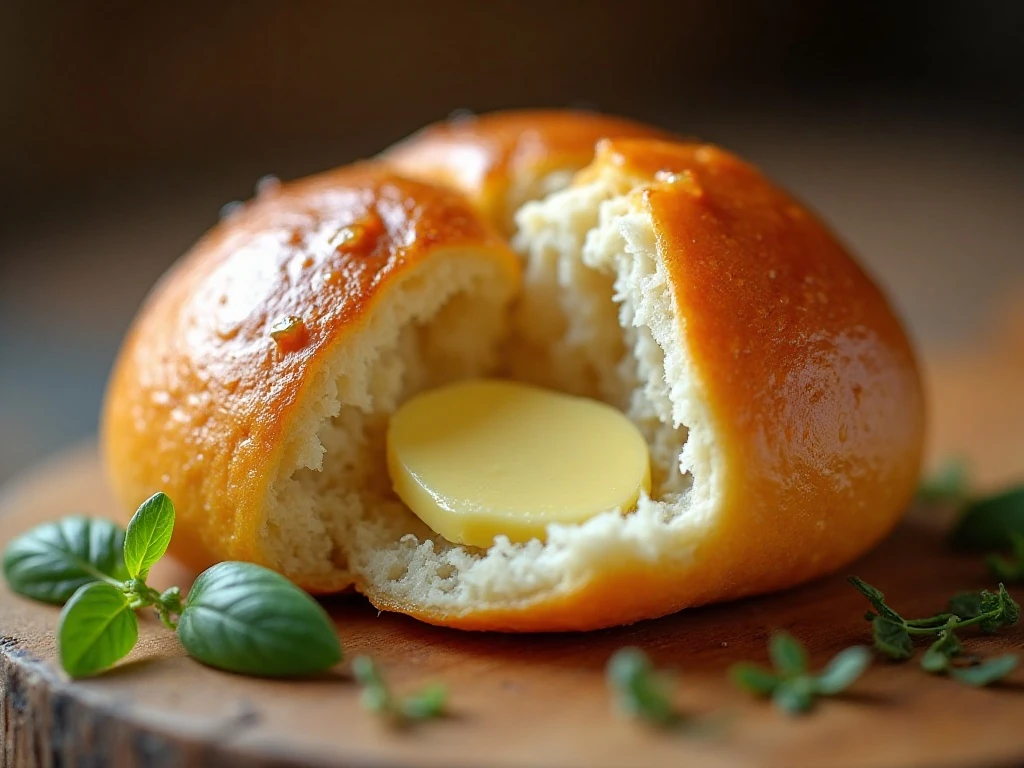
Weigh the flour whenever possible. Adding too much flour is the most common reason homemade bread turns dense, so keep some flour aside and add it only when the dough truly needs it.
Room temperature affects rising time. A cool kitchen may require more than the typical 60-90 minutes, while a warm kitchen can move more quickly; rely on the dough being doubled rather than watching the clock alone.
Do not rush the kneading process. Kneading develops gluten, which gives the dough strength and allows it to hold the gas produced by the yeast, resulting in a lighter and more elastic crumb.
For deeper flavor, refrigerate the covered dough overnight after kneading or after the first rise. Bring it close to room temperature before shaping, then continue with the second rise and baking instructions.
Keep toppings and fillings balanced. Heavy layers of sauce, wet vegetables, or cheese can weigh down pizza and calzone dough, so cook watery ingredients first and avoid overfilling.
For a fun bread-centered spread, serve these rolls alongside soup and then finish with a slice of chocolate Bundt cake for dessert.
Storage, Cooling, and Serving

Allow a baked loaf or batch of rolls to cool before slicing. Cutting while the crumb is still very hot can compress the interior and make the bread seem gummy, even when it is fully baked.
Store cooled bread in an airtight container or bag at room temperature for a short period. To refresh leftover rolls, warm them briefly in a moderate oven until soft and fragrant; pizza and flatbreads are also best reheated in the oven so the crust regains some crispness.
Unbaked dough can be refrigerated overnight when covered well. Let it warm close to room temperature before shaping, since cold dough is tighter and slower to expand.
Serve the loaf with butter, use the rolls for sandwiches, or turn pizza leftovers into a quick lunch. For a yeast-free comparison, this easy beer bread offers a different route to a savory homemade loaf.

The Ultimate Make-Anything Yeast Bread Dough
Ingredients
Method
- Warm the water or milk to 105-110°F (40-43°C). Combine it with the yeast and sugar or honey; if using active dry yeast, let the mixture stand for 5-10 minutes until foamy, while instant yeast may be mixed directly with the flour.
- Stir in the melted butter or olive oil and fine salt. Add about 4 cups of flour gradually, mixing until a shaggy dough forms, then reserve the remaining flour for adjusting the texture.
- Knead the dough by hand for 8-10 minutes or with a dough hook for 5-7 minutes. Stop when it is smooth and elastic, soft, and slightly tacky rather than stiff.
- Place the dough in a lightly oiled bowl and turn it once so the surface is coated. Cover the bowl and let the dough rise in a warm, draft-free place for 60-90 minutes, or until doubled.
- Deflate the risen dough gently, transfer it to a lightly floured surface, and divide it according to your chosen shape. Shape it into a loaf, rolls, pizza rounds, calzones, or another bread preparation.
- Cover the shaped dough and let it rest or rise again for 30-45 minutes. This short second rise helps create a lighter crumb and makes the dough easier to bake.
- Bake rolls at 375°F (190°C) for 18-22 minutes, pizza or flatbreads at 450-500°F (230-260°C) for 10-15 minutes, or a loaf at 375°F (190°C) for 30-40 minutes. A loaf is ready when browned and hollow-sounding, or when the center reaches approximately 190-200°F (88-93°C).
Notes
Final Thoughts
This make-anything yeast dough earns its place in a regular baking routine because one simple formula can satisfy so many cravings. Its soft texture, gentle richness, and dependable structure make it equally suited to a family loaf, tender rolls, homemade pizza, or generously filled calzones.
Remember the three details that matter most: keep the liquid warm rather than hot, add flour gradually, and let the dough rise until doubled. Once you learn to recognize a soft, elastic, slightly tacky dough, you can shape this recipe in countless delicious ways.
Make a batch when you have a quiet afternoon, refrigerate it overnight for fuller flavor, or bake it immediately for a warm bread centerpiece. The result is the kind of homemade bread that makes the kitchen smell wonderful and gives every meal a special touch.
1 thought on “The Ultimate Make-Anything Yeast Bread Dough Recipe”