Looking for easy puff pastry recipe ideas? Start with a buttery rough puff pastry dough, then turn it into apple turnovers, palmiers, cheese straws, savory pinwheels, or a rustic fruit tart. This flexible recipe uses 240 g flour, 225–227 g cold unsalted butter, ice water, and a few simple folds to create crisp, golden layers without the work of traditional puff pastry.
The result is light, flaky pastry with a rich buttery flavor and plenty of crunch. For the featured bake, sweet cinnamon apples are tucked inside pastry squares, brushed with egg, and baked at 200°C/400°F for approximately 18–25 minutes until deeply golden and puffed.
Jump to RecipeWhy You’ll Love This Recipe
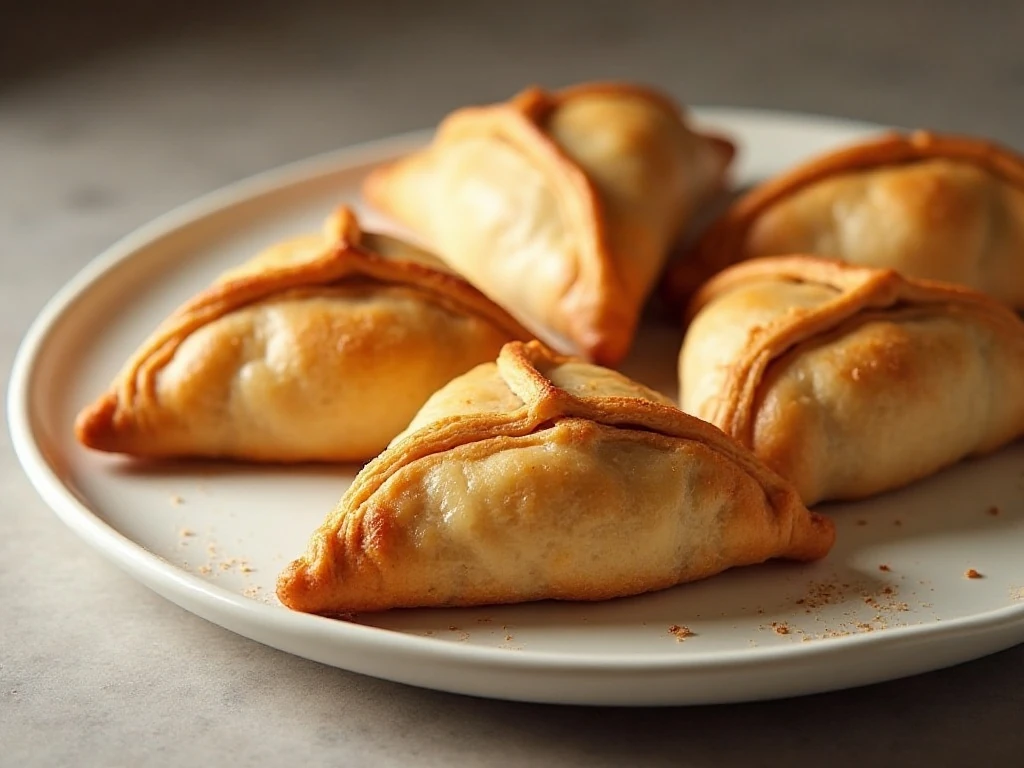
Rough puff pastry gives you the dramatic lift and crisp layers of classic puff pastry with a friendlier method. Instead of repeatedly enclosing a butter block, you work cold butter into the flour, leaving visible pieces that create steam as the pastry bakes.
That method makes this recipe especially useful for busy bakers. The dough is forgiving, the ingredients are basic, and one batch can become several different bakes depending on whether you want something sweet, savory, breakfast-ready, or party-friendly.
Apple turnovers are a wonderful place to begin because the filling takes only 5–8 minutes to cook. The apples become tender but still retain a little texture, while cinnamon, lemon, and sugar create a bright, fragrant center inside the crisp pastry.
If you enjoy turning familiar ingredients into playful comfort food, you may also like the clever layers in our easy ravioli pizza idea. It is another useful recipe when you want a satisfying bake without a long ingredient list.
Ingredients You’ll Need
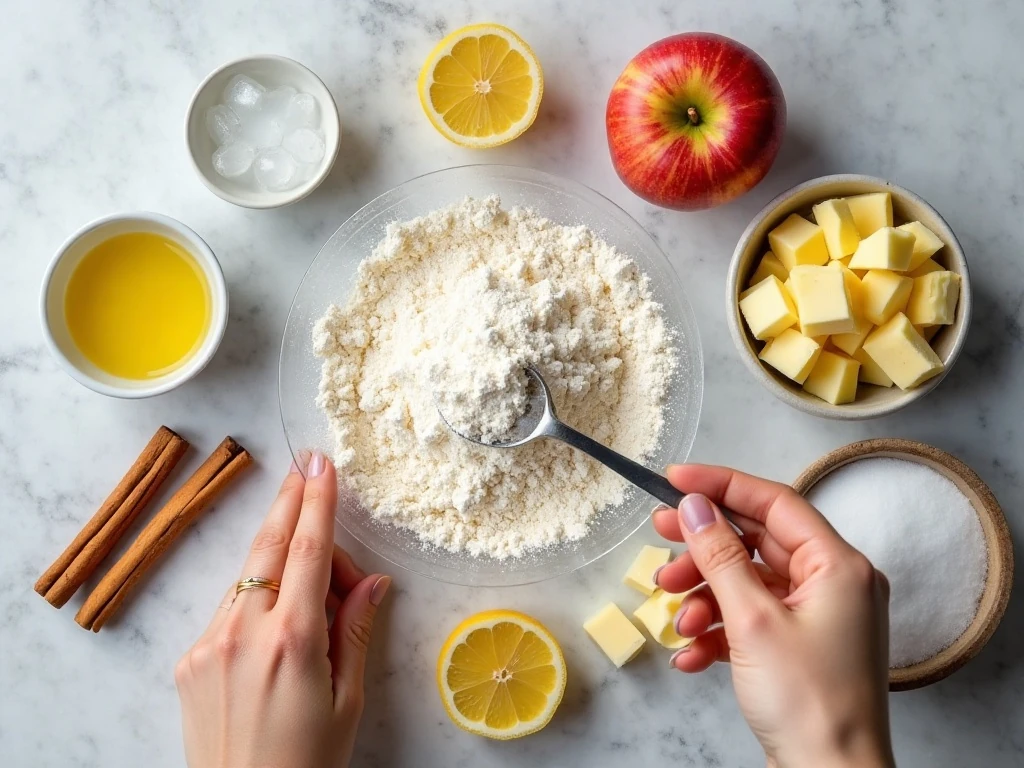
The pastry starts with 240 g, or about 2 cups, of all-purpose/plain flour and 1 teaspoon fine salt. Use 225–227 g, or 1 cup, of cold unsalted butter cut into small cubes, plus 120–150 ml of ice-cold water.
Begin with the smaller amount of water. Flour absorbs moisture differently depending on the weather and how it is measured, so add more only when the dough needs help coming together.
- Flour and salt: The foundation of the dough and its seasoning.
- Cold butter: The source of the pastry’s rich taste and flaky layers.
- Ice water: Just enough to form a shaggy dough without making it sticky.
- Apples: Choose two medium apples, peeled, cored, and diced.
- Flavorings: Use 25–40 g sugar, 1/2 teaspoon cinnamon, 1 teaspoon lemon juice, and 25 g butter.
- Egg wash: One beaten egg gives the turnovers a glossy, deeply colored finish.
For a savory dinner pairing, crisp pastry bites are delicious beside a bowl of hearty beef stew. The buttery layers are ideal for dipping into a rich gravy.
How to Make It Step-by-Step
Step 1: Combine the flour and salt in a wide bowl, then add the cold cubed butter. Rub or cut the butter into the flour until the mixture looks uneven, with some flat and pea-sized pieces still clearly visible. Those pieces are important because they form pockets that separate the dough into layers.
Step 2: Pour in 120 ml of ice-cold water and mix with a fork or your fingertips just until a shaggy dough forms. If dry flour remains at the bottom, add a little more water, stopping as soon as the dough holds together. Avoid kneading, since too much handling can make the pastry tough.
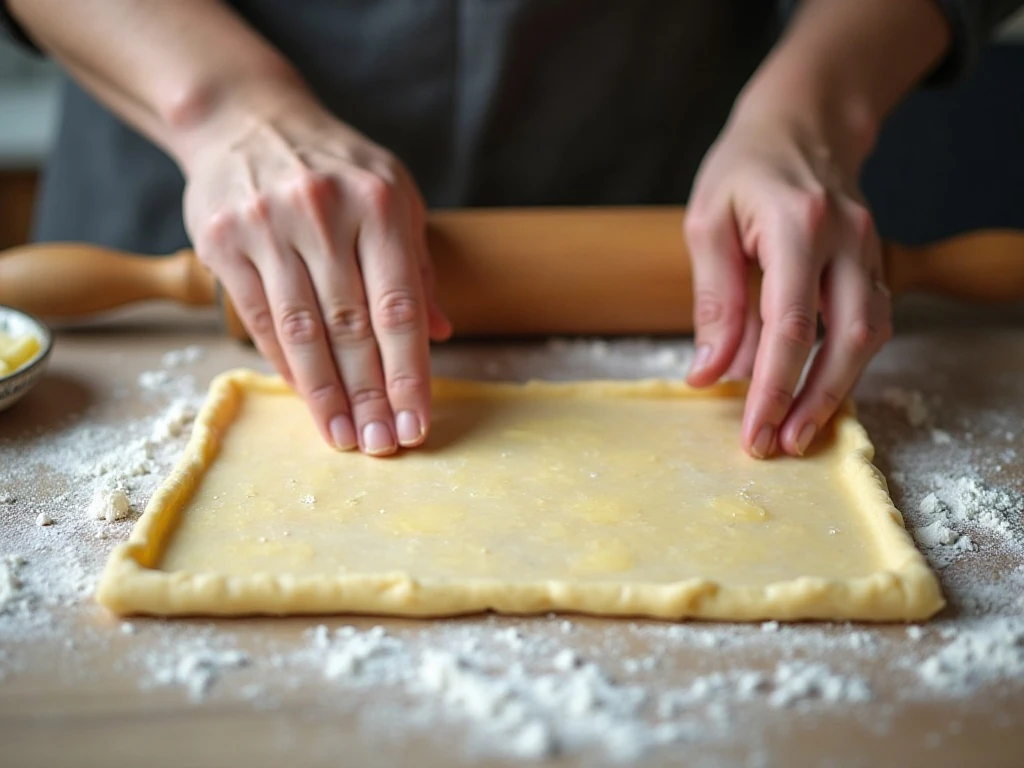
Step 3: Turn the dough onto a lightly floured work surface and press it together with your hands. Shape it into a rough rectangle, then roll it into a long rectangle. Keep the edges as tidy as possible, but do not worry if the dough looks rustic.
Step 4: Fold the rectangle in thirds like a letter, then rotate it 90 degrees. Roll and fold again, repeating until you have completed 3–4 folds. If the butter begins to feel soft, stop immediately and chill the dough for about 20–30 minutes.
Step 5: Wrap the finished dough and chill it thoroughly before shaping. This resting time allows the butter to firm and the dough to relax, making it easier to roll without shrinking. A cold dough also helps the pastry hold its shape in the oven.
Step 6: Make the apple filling while the dough chills. Cook the diced apples with 25 g butter, 25–40 g sugar, 1/2 teaspoon cinnamon, and 1 teaspoon lemon juice for 5–8 minutes, until slightly softened. Spread the mixture on a plate and let it cool completely.
Step 7: Roll the chilled pastry and cut it into squares. Add a modest spoonful of cooled apple filling to each center, fold the squares into triangles, and press the edges firmly to seal. Slash the tops once or twice so steam can escape during baking.
Step 8: Brush each turnover with beaten egg and place them on a baking sheet. Bake at 200°C/400°F for approximately 18–25 minutes, watching for a deep golden color and visible puff. Let them cool briefly before serving, because the filling will be very hot.
Puff Pastry Recipe Ideas to Try
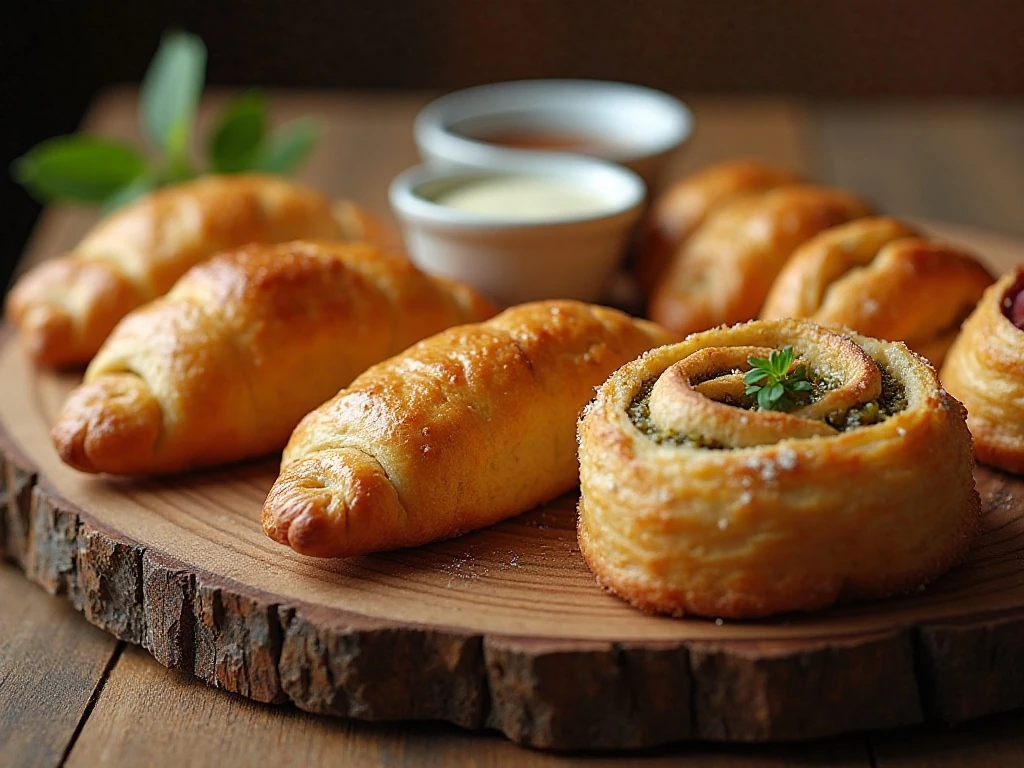
Once you have the basic dough ready, you can create a whole tray of different snacks. Keep the pastry cold, use restrained fillings, and avoid overloading the shapes, since excess moisture can prevent crisp layers.
- Palmiers: Sprinkle pastry generously with granulated sugar, fold it inward from both sides, chill it, and slice it into spirals. Bake for about 15–20 minutes until caramelized and golden.
- Cheese straws: Scatter grated Parmesan or cheddar and black pepper over the pastry, cut it into strips, twist each strip, and brush with egg wash. Bake for about 12–18 minutes.
- Savory pinwheels: Spread pastry with pesto or tomato paste, then add grated cheese and ham or vegetables. Roll, chill, slice, and bake for about 18–25 minutes.
- Fruit galette: Lay sliced fruit over a pastry round, sprinkle with sugar, and add almond meal if desired. Fold the edges inward and bake for about 25–35 minutes.
- Quick curry parcels: Fill small pastry squares with cooled, well-drained vegetables or leftover curry, seal them securely, and bake until crisp. For inspiration, serve them with flavors from an easy Thai green curry.
For breakfast, try a simple cheese-and-egg shape, but cool any cooked filling before it touches the dough. For dessert, sliced pears, peaches, or berries can replace apples, provided the fruit is not excessively juicy.
Pro Tips for Flaky, Golden Pastry
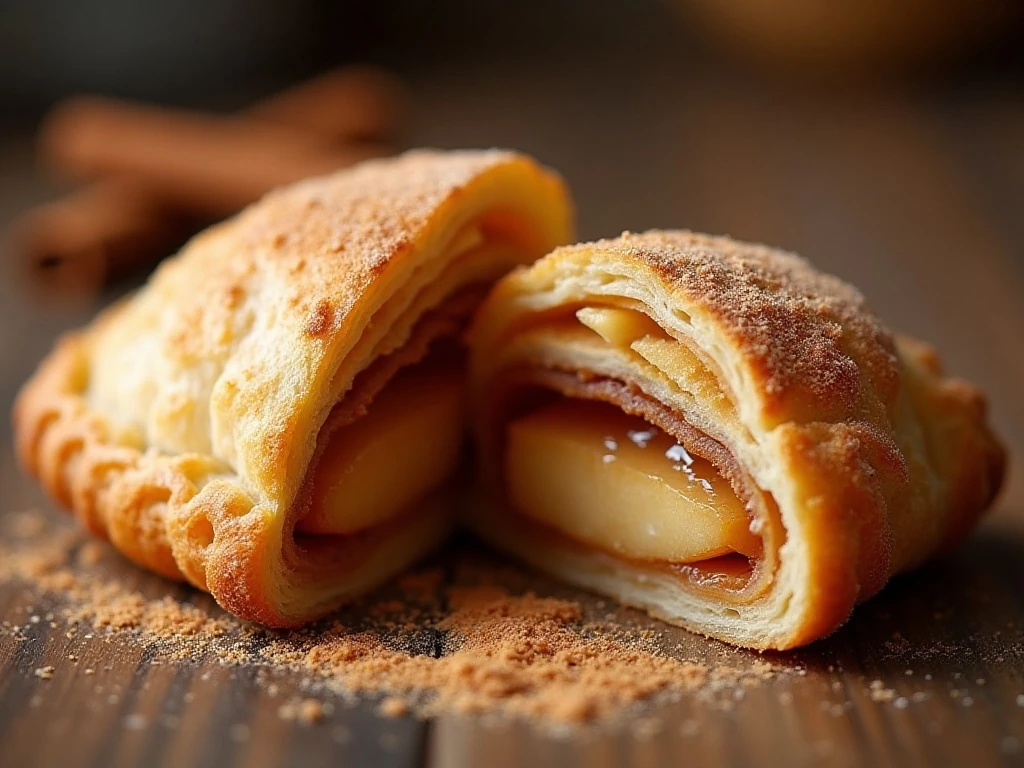
Cold ingredients are the most important rule. If the butter feels soft, looks shiny, or begins leaking while you roll, place the pastry in the refrigerator before continuing.
Do not smooth away every piece of butter. Visible streaks and small chunks are exactly what create steam and flaky separation in rough puff pastry.
- Use only a light dusting of flour on the work surface.
- Roll with steady strokes rather than pressing aggressively.
- Keep the folds neat, but do not overwork the dough.
- Cool fillings completely before placing them on pastry.
- Leave space between pastries so hot air can circulate.
- Bake until deeply golden rather than pale blonde.
Egg wash is optional, but it gives turnovers, straws, and pinwheels a glossy finish. Apply it lightly and avoid brushing over the cut edges, where it can glue the layers together and reduce their lift.
For another comforting recipe to serve alongside savory pastry, try our chicken Marsala soup. Its rich, savory profile makes a lovely contrast to cheese straws or vegetable pinwheels.
Storage, Freezing, and Reheating
Baked turnovers are best on the day they are made, when the layers are at their crispest. Store cooled pastries in an airtight container at room temperature for a short period, and avoid sealing them while warm because trapped steam softens the crust.
To refresh baked pastry, reheat it in a moderate oven until warm and crisp again. Microwaving is quick, but it tends to make puff pastry soft rather than crunchy.
You can also freeze shaped, unbaked pastries before applying the egg wash. Arrange them in a single layer until firm, transfer them to a freezer-safe container, and brush with egg just before baking. Allow extra baking time as needed and rely on a fully puffed, deeply golden appearance as the final guide.
Leftover sweet pastry can be served with whipped cream, yogurt, or vanilla ice cream. A playful dessert menu could finish with an easy root beer float pie after the warm turnovers.
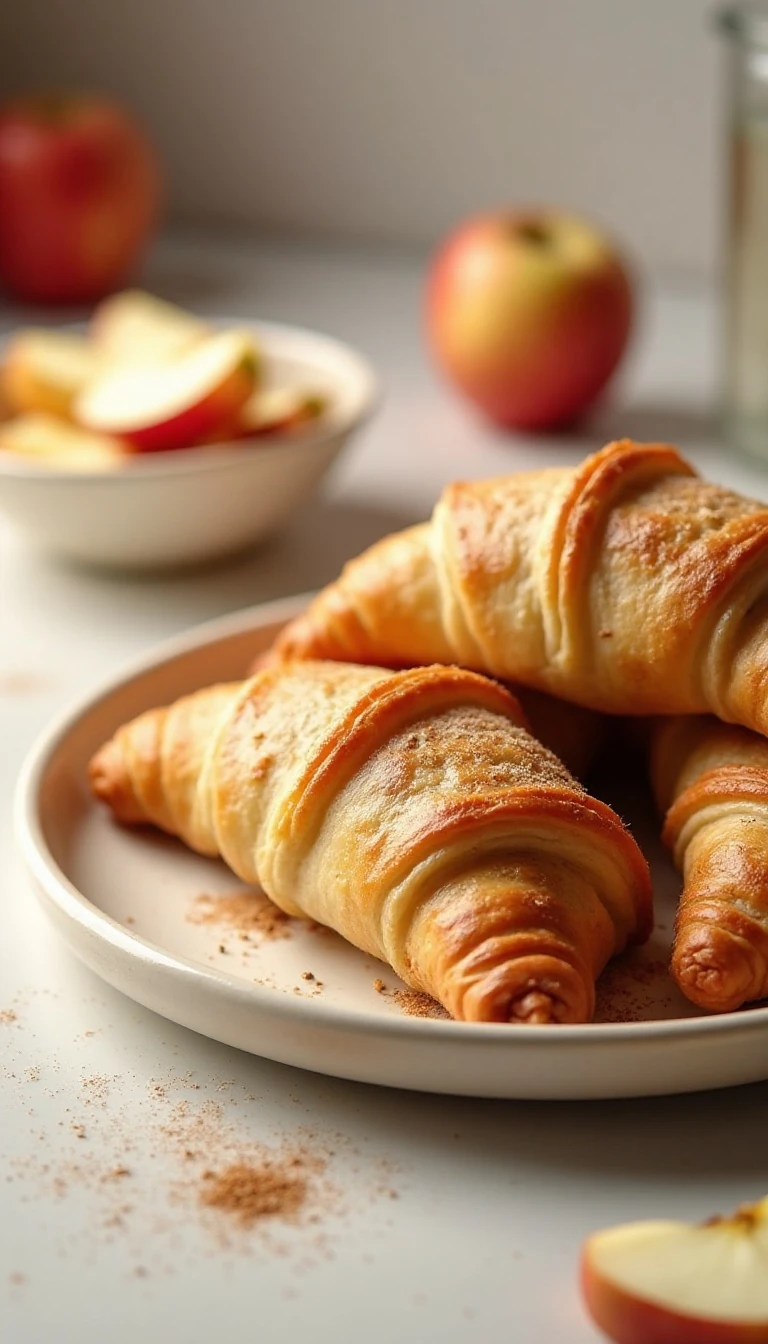
Rough Puff Pastry Apple Turnovers
Ingredients
Method
- Mix the flour and salt in a large bowl. Add the cold butter and rub or cut it into the flour, stopping while several flat, pea-sized pieces remain visible.
- Add 120 ml of the ice-cold water and mix gently until a shaggy dough forms. Add only enough of the remaining water to bring the dough together; do not knead it smooth.
- Turn the dough onto a lightly floured surface, press it together, and shape it into a rectangle. Roll it into a long rectangle, fold it in thirds like a letter, rotate it 90 degrees, and repeat for 3–4 folds.
- Chill the dough for about 20–30 minutes whenever the butter begins to soften, then chill the finished dough thoroughly before rolling and cutting.
- While the dough chills, cook the diced apples with the butter, sugar, cinnamon, and lemon juice for 5–8 minutes, until slightly softened. Cool the filling completely before assembling the turnovers.
- Roll and cut the pastry into squares, then place cooled apple filling in the center of each square. Fold each piece into a triangle, press the edges to seal, and slash the tops to let steam escape.
- Brush the turnovers with beaten egg and arrange them on a baking sheet. Bake at 200°C/400°F for approximately 18–25 minutes, until well puffed and deeply golden.
Notes
Final Thoughts
This rough puff pastry recipe is a practical foundation for easy, delicious bakes. The key is simple: keep the butter cold, leave visible pieces in the dough, chill whenever necessary, and bake until the pastry is fully golden.
Start with cinnamon apple turnovers, then use the same method for sugary palmiers, crisp cheese straws, savory pinwheels, or a rustic fruit galette. Once you see how quickly one batch becomes several treats, puff pastry will become one of the most useful recipes in your kitchen.