The best lemon cake ever is a tender, buttery loaf made with fresh lemon zest, lemon juice, sour cream, and a simple lemon glaze. This easy homemade recipe produces one 9 x 5-inch loaf, about 8–10 servings, with just 20 minutes of preparation and 50–60 minutes of baking.
Every slice has a soft, moist crumb, bright citrus flavor, and a sweet-tart finish. A warm lemon syrup adds extra juiciness, while the final glaze creates the pretty bakery-style topping that makes this cake perfect for brunch, afternoon tea, birthdays, bake sales, or an everyday dessert.
Jump to RecipeWhy You’ll Love This Recipe
This lemon loaf has the satisfying texture of a classic pound cake but feels lighter and brighter because of the generous fresh citrus. The butter provides a rich, delicate crumb, while sour cream or full-fat Greek yogurt keeps each slice soft and moist.
The recipe is straightforward enough for a weekday baking project, yet the finished cake looks special enough for a celebration. There is no complicated decorating technique required: a simple white glaze, a little lemon zest, and a few thin lemon slices make the presentation beautiful.
It is also a wonderfully flexible dessert. Serve it plain with coffee, spoon whipped cream alongside it, or add fresh berries for a colorful dessert plate. If you enjoy classic homemade cakes, you may also like this favorite crumb cake for another tender, bakery-style treat.
Ingredients You’ll Need
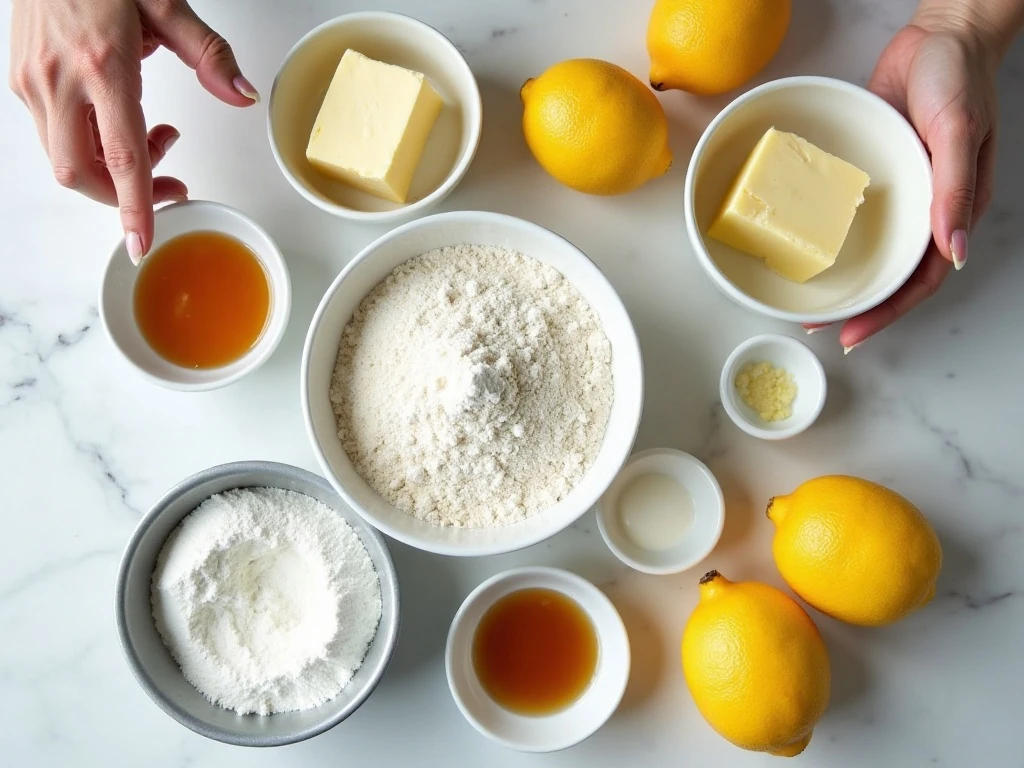
The ingredient list is short, but each item has an important job. Fresh lemons are the star, so choose firm, fragrant lemons with smooth or lightly textured skins and wash them well before zesting.
- All-purpose flour: Provides the structure for the loaf. Measure 1 1/2 cups, or use 188 grams for the most consistent result.
- Baking powder: Helps the cake rise and keeps the crumb pleasantly light.
- Unsalted butter: Adds richness and a classic buttery flavor. Let it soften at room temperature so it creams smoothly with the sugar.
- Granulated sugar: Sweetens the batter and helps create a delicate texture.
- Eggs: Add structure, richness, and moisture. Room-temperature eggs blend more easily into the creamed butter.
- Lemon zest and juice: The zest supplies fragrant lemon oils, while the juice gives the cake its fresh tartness.
- Sour cream or full-fat plain Greek yogurt: Adds moisture and gentle tang without making the batter runny.
- Vanilla extract: Rounds out the sharp citrus notes.
- Confectioners’ sugar: Creates the smooth lemon glaze that finishes the loaf.
For a slightly different style, similar lemon cakes can be made with neutral oil or olive oil instead of butter. Oil versions are often moister and denser, but this recipe uses softened butter for its traditional flavor and tender crumb.
How to Make It Step-by-Step
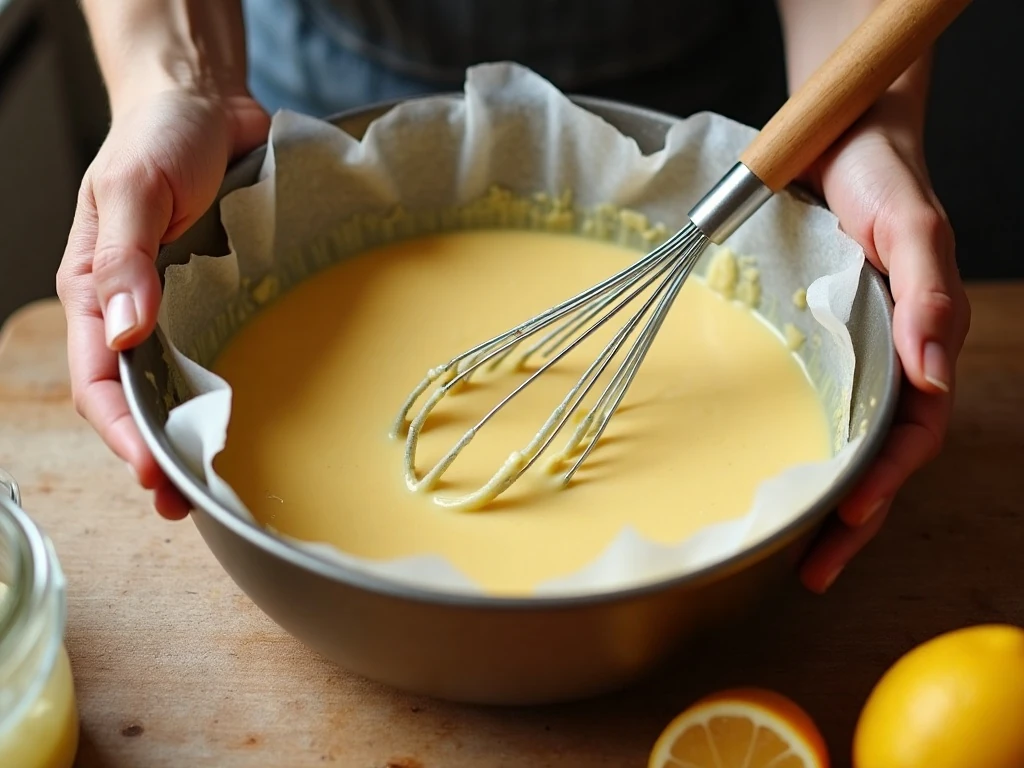
Step 1: Heat your oven to 350°F (175°C), then prepare a 9 x 5-inch loaf pan. Grease the pan thoroughly and line it with parchment paper, leaving enough paper over the sides to act as handles. This preparation helps prevent sticking and makes it easy to transfer the loaf to a cooling rack.
Step 2: Whisk together the all-purpose flour, baking powder, and fine salt in a medium bowl. Whisking distributes the baking powder and salt evenly, so the cake rises consistently without pockets of salt or leavener.
Step 3: Place the granulated sugar in a large mixing bowl and add the finely grated lemon zest. Rub the zest into the sugar with your fingers until the mixture feels slightly moist and smells intensely lemony. Beat this lemon sugar with the softened butter for 2–3 minutes, until pale, light, and creamy.
Step 4: Add the three room-temperature eggs one at a time, beating well after each addition. Scrape down the sides of the bowl as needed, then mix in the two tablespoons of fresh lemon juice and the vanilla extract. The mixture may look slightly curdled at this stage, but it will come together once the dry ingredients are added.
Step 5: Add the flour mixture in two or three additions, alternating each addition with the sour cream or full-fat plain Greek yogurt. Begin and finish with the dry ingredients, mixing on low speed or by hand only until no obvious streaks of flour remain. Overmixing can develop gluten and make the finished cake tough.
Step 6: Scrape the batter into the prepared loaf pan and spread the top evenly with a spatula. Bake for 50–60 minutes, checking near the end of the baking time. The loaf is ready when the center springs back lightly and a toothpick inserted into the center comes out with only a few moist crumbs.
Step 7: Let the cake cool in the pan for about 10–15 minutes. If you are using the optional lemon syrup, this is the ideal time to prepare it because the cake is still warm and can absorb the liquid. Lift the loaf onto a wire rack using the parchment overhang and allow it to cool completely.
Step 8: To make the optional syrup, place two tablespoons of fresh lemon juice and two tablespoons of granulated sugar in a small saucepan. Heat just until the sugar dissolves, then brush or spoon the warm syrup over the warm loaf. Do not wait until the cake is cold, since the warm crumb absorbs the syrup more readily.
Step 9: Make the glaze after the cake has cooled completely. Whisk one cup of confectioners’ sugar with two to three tablespoons of fresh lemon juice, adding the juice gradually until the mixture is thick but pourable. Stir in one teaspoon of finely grated lemon zest if you want an extra citrus aroma, then drizzle the glaze over the top.
Pro Tips for a Tender Lemon Loaf

Use a microplane or fine grater for the zest so the lemon peel disperses evenly through the batter. Zest only the colorful outer skin and stop before reaching the white pith, which can taste bitter.
Freshly squeezed lemon juice makes a noticeable difference in both the cake and the glaze. Bottled juice can have a flatter, sharper flavor, while fresh juice tastes clean and fragrant.
Room-temperature ingredients are especially helpful in butter cakes. Cold eggs or dairy can cause the creamed butter to seize, which may produce a less even texture. If you forget to set out the eggs, place them in warm water for a few minutes before mixing.
Do not judge doneness by color alone. The loaf should be golden, but the most reliable signs are a lightly springy center and a toothpick with a few moist crumbs. A completely clean toothpick can mean the cake has baked a little too long.
For a neat glaze, place the cooled cake on a rack over a sheet of parchment paper before drizzling. The excess glaze will fall onto the parchment instead of pooling around the base of the loaf. For another fruit-forward dessert idea, this easy pineapple dessert offers a creamy contrast to the bright lemon cake.
Serving Ideas and Variations

Slice the lemon cake with a sharp serrated knife once the glaze has set slightly. Each slice is delicious at room temperature, but a brief chill can make the crumb feel especially moist and the glaze pleasantly firm.
- Serve with fresh raspberries, blueberries, or sliced strawberries.
- Add a spoonful of lightly sweetened whipped cream.
- Pair a slice with hot tea, coffee, or iced lemonade.
- Cut the loaf into small cubes for a dessert platter.
- Scatter extra lemon zest over the glaze just before serving.
Sour cream and full-fat plain Greek yogurt may be used interchangeably in the same quantity. Buttermilk is another option in similar lemon-cake formulas, though it can make the batter slightly thinner, so mix carefully and stop as soon as the ingredients are combined.
This batter is written for one 9 x 5-inch loaf pan. A Bundt version generally takes 55–70 minutes and may require 1 1/2 times the batter, so it should not be poured into a Bundt pan without adjusting the quantities. If you are planning a dessert spread, you can also pair this loaf with a pineapple cheesecake cake for a second centerpiece.
Storage, Freezing, and Make-Ahead Advice

Keep the glazed cake covered at room temperature for up to 2 days. Store it in the refrigerator for longer storage, tightly wrapped or placed in an airtight container. Bring refrigerated slices closer to room temperature before serving for the best texture.
The unglazed loaf can be frozen for longer storage. Wrap it securely in plastic wrap, place it in a freezer-safe bag or container, and thaw it in the refrigerator or at room temperature before glazing. Freezing the loaf without glaze helps the topping stay fresh and attractive.
If you are preparing the cake for guests, bake it a day ahead and glaze it after it has cooled. The lemon flavor becomes beautifully rounded as the loaf rests, and the cake remains moist when well covered. For a seasonal dessert table, you can also include this shortcut pumpkin pie alongside the lemon loaf.
Common Questions
Can I use bottled lemon juice? Fresh juice is recommended because it gives the brightest flavor, particularly in the glaze. Bottled juice will work in a pinch, but fresh zest should still be used for the cake whenever possible.
Why did my cake sink in the center? A sunken center can result from underbaking, opening the oven door too early, or overmixing the batter after the flour is added. Bake until the middle springs back lightly and the toothpick test shows only a few moist crumbs.
Can I skip the lemon syrup? Yes. The syrup is optional, and the cake will still have strong lemon flavor from the zest and juice. Use it when you want an especially moist crumb and a more intense citrus finish.
Can I make the glaze thicker? Add confectioners’ sugar a little at a time if the glaze is too loose. If it becomes too thick, mix in a few drops of lemon juice until it reaches a slow, pourable consistency.
For a savory pineapple recipe to serve before dessert, see this ham and pineapple salad. It is a useful companion recipe when you are planning a full meal rather than a dessert-only gathering.

The Best Lemon Cake Ever: Easy Homemade Recipe
Ingredients
Method
- Heat the oven to 350°F (175°C). Grease a 9 x 5-inch loaf pan and line it with parchment paper, leaving an overhang on two sides so the finished cake can be lifted out easily.
- Whisk the flour, baking powder, and salt together in a medium bowl. Set the dry ingredients aside while you prepare the batter.
- Rub the lemon zest into the granulated sugar with your fingers, then beat the lemon sugar with the softened butter for 2–3 minutes, until light and creamy.
- Beat in the eggs one at a time, mixing after each addition. Mix in the lemon juice and vanilla extract.
- Add the dry ingredients in two or three additions, alternating with the sour cream or Greek yogurt. Mix only until the batter is combined, taking care not to overmix.
- Spread the batter evenly in the prepared pan. Bake for 50–60 minutes, until the center springs back lightly and a toothpick inserted in the middle comes out with only a few moist crumbs.
- Cool the loaf in the pan for 10–15 minutes, then use the parchment overhang to lift it onto a wire rack. Cool completely before glazing.
- For the optional syrup, heat the lemon juice and sugar just until the sugar dissolves. Brush or spoon the syrup over the warm cake.
- Whisk the confectioners’ sugar with enough lemon juice to make a thick but pourable glaze, adding the optional lemon zest if desired. Drizzle it over the completely cooled cake.
Notes
Final Thoughts
This easy homemade lemon cake earns its place as a reliable favorite because it combines simple ingredients with excellent flavor. The buttery crumb is soft without being fragile, the fresh zest keeps the lemon taste lively, and the glaze adds just enough sweetness to make every bite feel complete.
Take time to rub the zest into the sugar, mix the batter gently, and cool the loaf fully before glazing. Those small details make the difference between an ordinary lemon loaf and a beautifully fragrant cake with a tender center and a clean, glossy finish.
Serve it for breakfast, dessert, or an afternoon treat, and keep the recipe close whenever you have fresh lemons to use. Once you make it, this bright citrus loaf may become the cake everyone requests again and again.