This Thai Ginger Vegetable Noodle Soup is a warm, fragrant, vegetarian-friendly meal made with rice noodles, coconut milk, fresh ginger, garlic, colorful vegetables, and Thai red curry paste. Ready in about 40 minutes, it makes four generous servings and is an easy way to bring comforting Thai-inspired flavor to the dinner table.
Every spoonful balances creamy coconut richness with bright lime, savory soy sauce, gentle sweetness, and the aromatic warmth of fresh ginger. The separate-cooked rice noodles stay pleasantly tender while the broth remains clear and flavorful, making this soup especially satisfying on a cool evening or whenever you want a quick vegetable-packed dinner.
Jump to RecipeWhy You’ll Love This Recipe
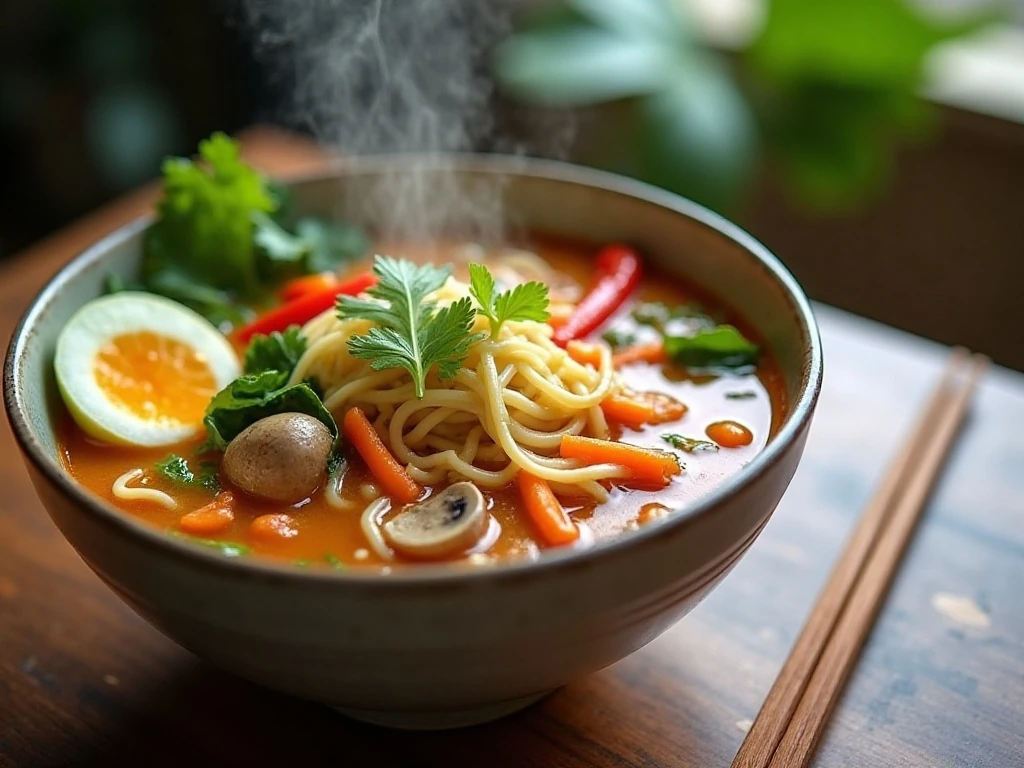
This soup brings together the comfort of a noodle bowl and the fragrant appeal of a Thai-style coconut curry. Fresh ginger and garlic form the aromatic foundation, while coconut milk softens the heat of the red curry paste and gives the broth a smooth, creamy texture without requiring dairy.
The vegetables provide bright color and varied texture in every serving. Tender carrots and mushrooms make the soup hearty, red bell pepper contributes a mild sweetness, and spinach or bok choy adds a fresh green finish.
It is also flexible enough for different preferences. Use one tablespoon of curry paste for a gentler bowl, two tablespoons for more pronounced heat, or leave the paste out for a milder ginger-forward soup. If you enjoy comforting bowls in different styles, you may also like this spinach tortellini soup for another satisfying dinner idea.
Ingredients You’ll Need
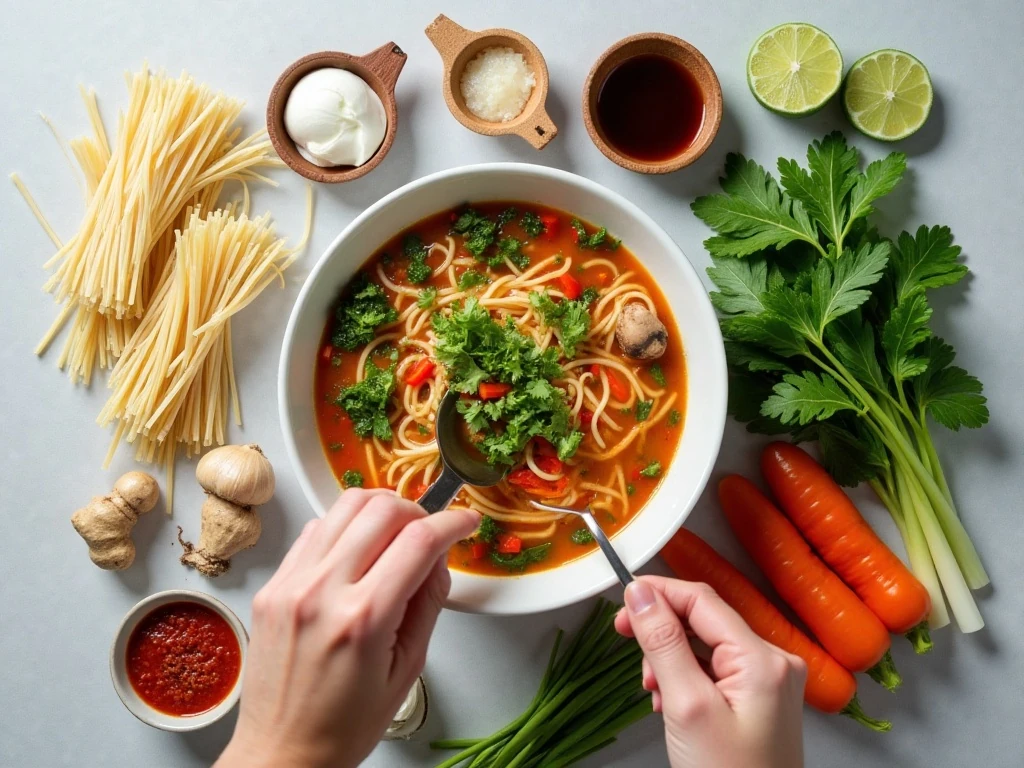
The recipe starts with eight ounces of dried rice noodles, such as rice sticks or vermicelli. Their delicate texture works beautifully with the coconut broth, and cooking them separately gives you better control over doneness.
- Aromatic base: One medium yellow onion, three garlic cloves, and two tablespoons of fresh ginger create the savory, warm foundation.
- Vegetables: One red bell pepper, two carrots, and eight ounces of sliced mushrooms bring color, substance, and natural sweetness.
- Broth: Four cups of low-sodium vegetable broth and one 13.5- to 14-ounce can of unsweetened coconut milk form the soup base.
- Seasoning: One to two tablespoons of Thai red curry paste, two tablespoons of low-sodium soy sauce or tamari, and one tablespoon of lime juice balance spice, salt, umami, and acidity.
- Greens and garnishes: Two cups of baby spinach or bok choy, cilantro, green onions, and lime wedges add freshness at the end.
- Optional protein: Add eight ounces of baked or cubed firm tofu during the final few minutes for a more substantial meal.
Choose full-flavored fresh ginger that feels firm and has smooth skin. Since the ginger is one of the main flavor notes, freshly grated or finely minced ginger makes a noticeable difference in the finished broth.
For another vegetable-filled soup option, take a look at our vegetable soup recipe, which offers a different, homestyle approach to a bowl packed with produce.
How to Make It Step-by-Step
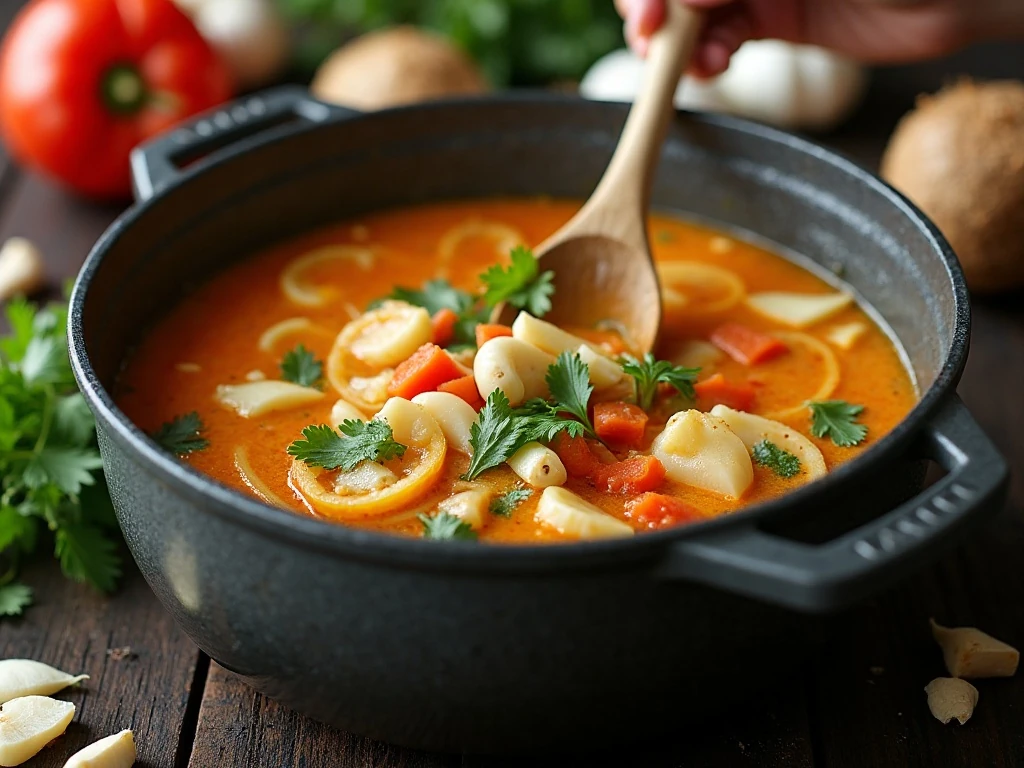
Step 1: Cook the rice noodles according to the package directions, taking care not to overcook them. Drain and rinse them briefly under cold water, then set them aside while you prepare the soup.
Step 2: Warm one tablespoon of neutral oil or coconut oil in a large pot or Dutch oven over medium heat. Add the sliced or diced onion and cook for 3-4 minutes, stirring occasionally, until it softens and becomes lightly fragrant.
Step 3: Add the minced garlic and fresh ginger. Stir constantly for about 30 seconds, just until the aromatics release their fragrance without browning heavily.
Step 4: Stir in one to two tablespoons of Thai red curry paste. Cook it for 30-60 seconds, allowing the paste to bloom in the warm oil and mingle with the onion, garlic, and ginger.
Step 5: Add the sliced bell pepper, carrots, and mushrooms. Cook for 2-3 minutes, stirring to coat the vegetables in the aromatic curry mixture and begin softening their edges.
Step 6: Pour in the vegetable broth and unsweetened coconut milk. Add the soy sauce or tamari and the optional brown sugar or maple syrup, then bring the pot just to a simmer rather than a vigorous boil.
Step 7: Let the soup simmer for 8-12 minutes. Check the vegetables near the end of this time; they should be tender enough to bite through while still holding their shape.
Step 8: Stir in the baby spinach, bok choy, or other tender greens. Cook for 1-2 minutes, until wilted, and add the tofu during the last few minutes if you are using it.
Step 9: Remove the pot from the heat and stir in one tablespoon of fresh lime juice. Taste carefully, then adjust with more soy sauce for salt, lime juice for sourness, curry paste for heat, or sugar for a slightly sweeter balance.
Step 10: Divide the reserved noodles among four bowls. Ladle the hot broth and vegetables over the noodles, then garnish with cilantro, green onions, and lime wedges before serving.
Pro Tips for the Best Soup
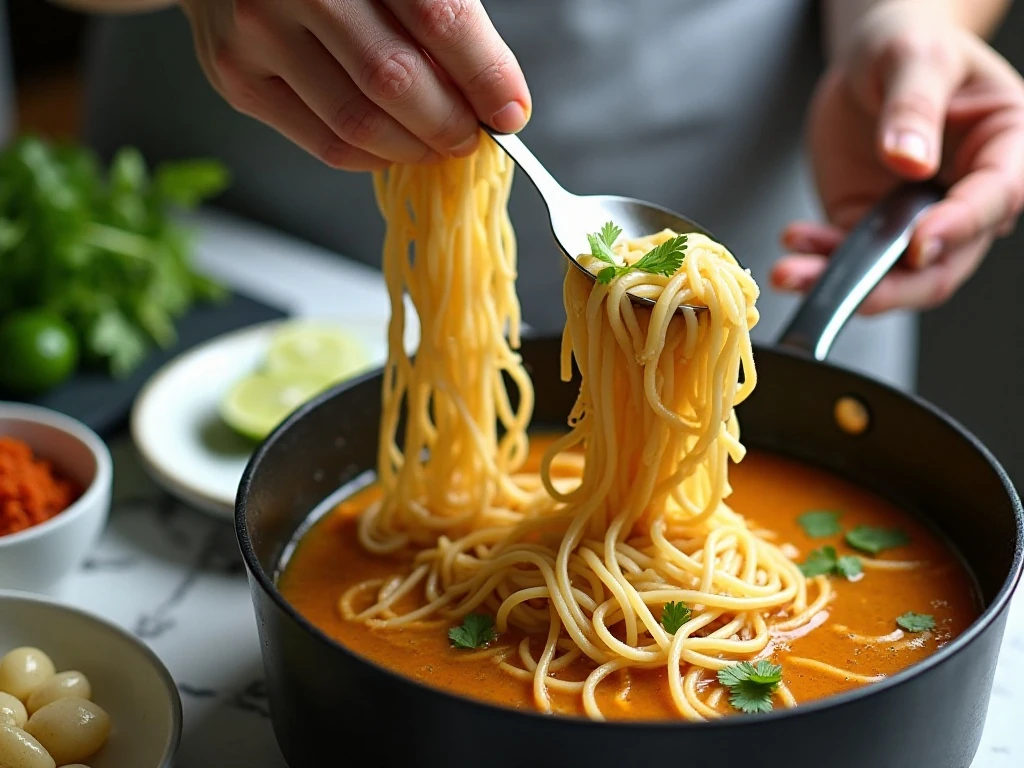
Keep the broth at a gentle simmer after adding the coconut milk. A hard boil can make the surface look less smooth, while gentle heat allows the vegetables to cook evenly and keeps the soup pleasantly creamy.
Cooking the noodles in their own pot or saucepan is one of the most useful techniques in this recipe. Rice noodles continue absorbing liquid as they sit, so simmering them directly in the soup can leave you with overly soft noodles and less broth at serving time.
- Grate the ginger finely: Fine ginger disperses throughout the broth instead of leaving large, sharp pieces.
- Bloom the curry paste: The brief cooking period in oil helps release its aromatic flavor before the liquids are added.
- Season at the end: Curry pastes, soy sauce, and vegetable broths differ in salt and intensity, so taste after cooking and make small adjustments.
- Protect the lime flavor: Add lime juice after removing the pot from the heat to preserve its bright, fresh character.
- Keep vegetables colorful: Avoid overcooking them; they should be tender but not mushy.
The ideal finished bowl follows a Thai-inspired balance of salty, sour, spicy, and slightly sweet. If the soup tastes heavy, another squeeze of lime can brighten it, while a small amount of maple syrup or brown sugar can soften sharp heat.
For a different spicy soup night, our Mexican tortilla soup uses a contrasting collection of warming flavors and makes a fun addition to your recipe rotation.
Serving Suggestions and Variations
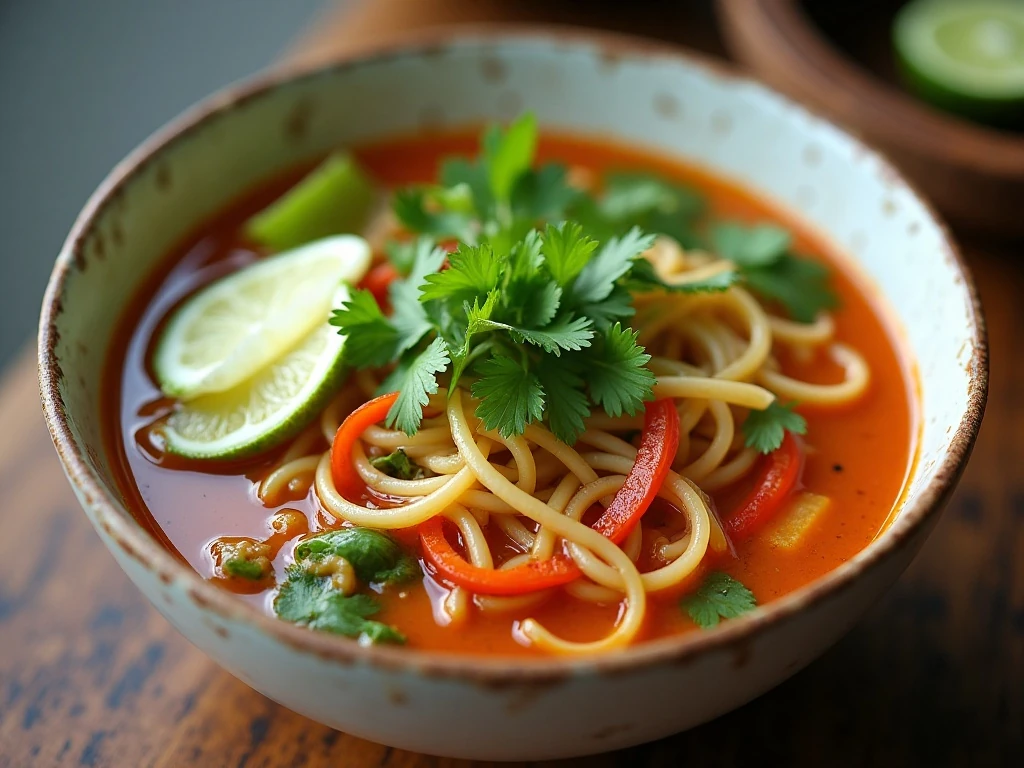
Serve this soup immediately while the broth is hot and the noodles are springy. Place extra lime wedges on the table so everyone can adjust the acidity to taste, and add more cilantro or green onions for a fresh, crisp finish.
Thinly sliced Thai chiles are an optional garnish for those who want additional heat. Keep them separate so each person can customize their bowl without making the entire pot spicier.
Firm tofu is the simplest way to add protein while keeping the soup vegetarian. Use baked tofu for a firmer bite, or add plain cubes during the last few minutes so they warm gently in the broth.
If you are serving several soups for a casual dinner, consider pairing this bright coconut noodle soup with a heartier option such as beef barley soup. The two bowls offer very different textures and flavors for a varied meal.
Storage and Reheating
For the best texture, store the cooked noodles separately from the broth and vegetables in airtight containers. Refrigerate leftovers promptly and enjoy them within a few days.
Reheat the broth and vegetables gently on the stovetop until hot, then place fresh or reserved noodles in serving bowls and ladle the soup over them. If the broth thickens in the refrigerator, add a small splash of vegetable broth while reheating and taste again before serving.
Keep fresh cilantro, green onions, and lime wedges separate until serving. This preserves their color and bright flavor, which can become muted if they are stored in the hot soup.
For another cozy noodle-based soup idea, you can also visit our Buffalo chicken noodle soup recipe when you are craving a bolder, creamy bowl.
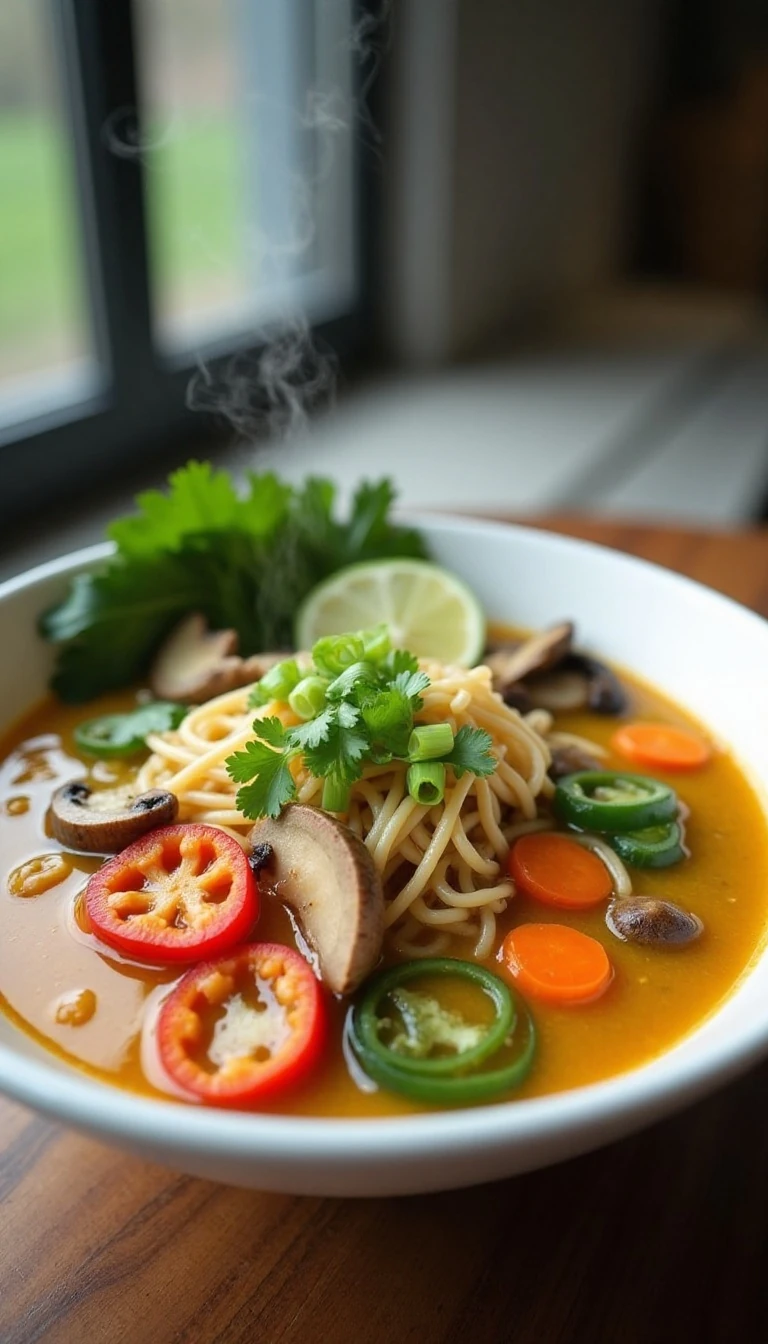
Thai Ginger Vegetable Noodle Soup
Ingredients
Method
- Cook the rice noodles according to the package directions. Drain and rinse them briefly with cold water to stop the cooking, then set them aside.
- Heat the oil in a large pot or Dutch oven over medium heat. Add the onion and cook for 3-4 minutes, until softened.
- Add the garlic and ginger, stirring constantly for about 30 seconds. Stir in the Thai red curry paste and cook for 30-60 seconds so the aromatics bloom.
- Add the bell pepper, carrots, and mushrooms. Cook for 2-3 minutes, stirring occasionally, so the vegetables begin to soften while retaining some texture.
- Pour in the vegetable broth and coconut milk. Add the soy sauce and optional brown sugar or maple syrup, then bring the mixture just to a simmer.
- Simmer for 8-12 minutes, until the vegetables are tender but not mushy. Stir in the greens and cook for 1-2 minutes, until wilted; add tofu during the last few minutes if using.
- Remove the pot from the heat and stir in the lime juice. Taste and adjust gradually with more soy sauce, lime juice, curry paste, or sugar.
- Divide the cooked noodles among four bowls and ladle the hot soup over them. Finish with cilantro, green onions, and lime wedges.
Notes
Final Thoughts
This Thai Ginger Vegetable Noodle Soup is proof that a deeply satisfying dinner does not need a long ingredient list or hours on the stove. In about 40 minutes, fresh ginger, garlic, curry paste, coconut milk, vegetables, and rice noodles come together in a fragrant bowl that is colorful, comforting, and easy to customize.
Remember the most important finishing steps: cook the noodles separately, simmer the vegetables until just tender, and add the lime juice after removing the soup from the heat. Taste gradually for the balance of salty, sour, spicy, and slightly sweet flavors, then serve with plenty of cilantro, green onions, and lime.
Whether you add tofu, increase the curry paste, or keep the broth mild and ginger-forward, this recipe is flexible enough for weeknight cooking and special cold-weather meals alike. Spoon it into warm bowls, enjoy it immediately, and let the bright Thai-inspired flavors do the comforting.
1 thought on “Thai Ginger Vegetable Noodle Soup Recipe”