This easy Roma tomato sauce recipe makes about 4 cups of rich, fresh-tasting sauce from ripe Roma tomatoes, onion, garlic, olive oil, and basil. Peel the tomatoes for the smoothest result, simmer everything uncovered for 35–45 minutes, and finish with optional butter for a silky texture.
The finished sauce is bright, savory, lightly sweet, and concentrated without tasting heavy. Toss it with one pound of pasta, spoon it over meatballs, use it as a pizza base, or serve it alongside crusty bread for a simple meal that tastes like summer in a bowl.
Jump to RecipeWhy You’ll Love This Recipe
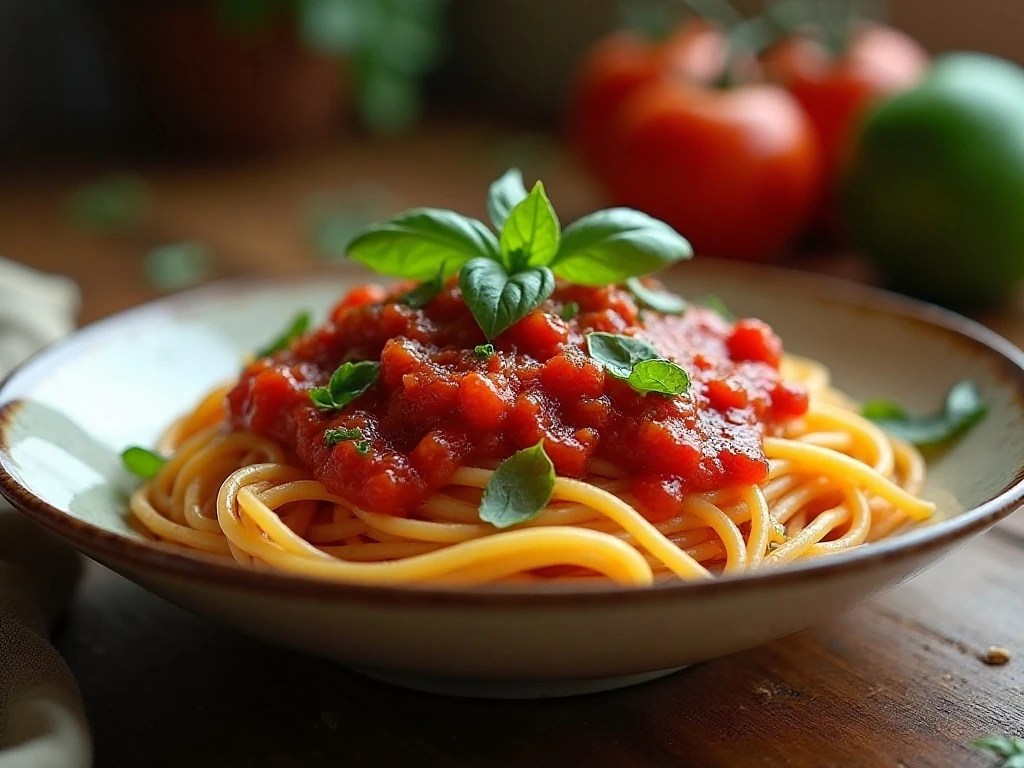
Roma tomatoes are an excellent choice for homemade sauce because they have firm flesh, relatively few seeds, and less water than many slicing tomatoes. That means the sauce develops a concentrated tomato flavor without requiring a long, all-day cooking session.
The ingredient list is short, but each component has an important job. Olive oil carries the flavor, onion adds gentle sweetness, garlic brings savory depth, basil supplies a fresh herbal finish, and a small amount of butter can soften the sharp edges.
This is also a wonderfully flexible sauce. Keep it chunky for a rustic pasta dinner, pass it through a food mill for a smooth marinara-style texture, or briefly blend it when you want a polished sauce for pizza, lasagna, or dipping.
If you are planning a meal with several vegetable-forward dishes, this sauce pairs beautifully with our roasted eggplant dip. Both recipes make ripe produce the center of attention without relying on complicated techniques.
Ingredients You’ll Need
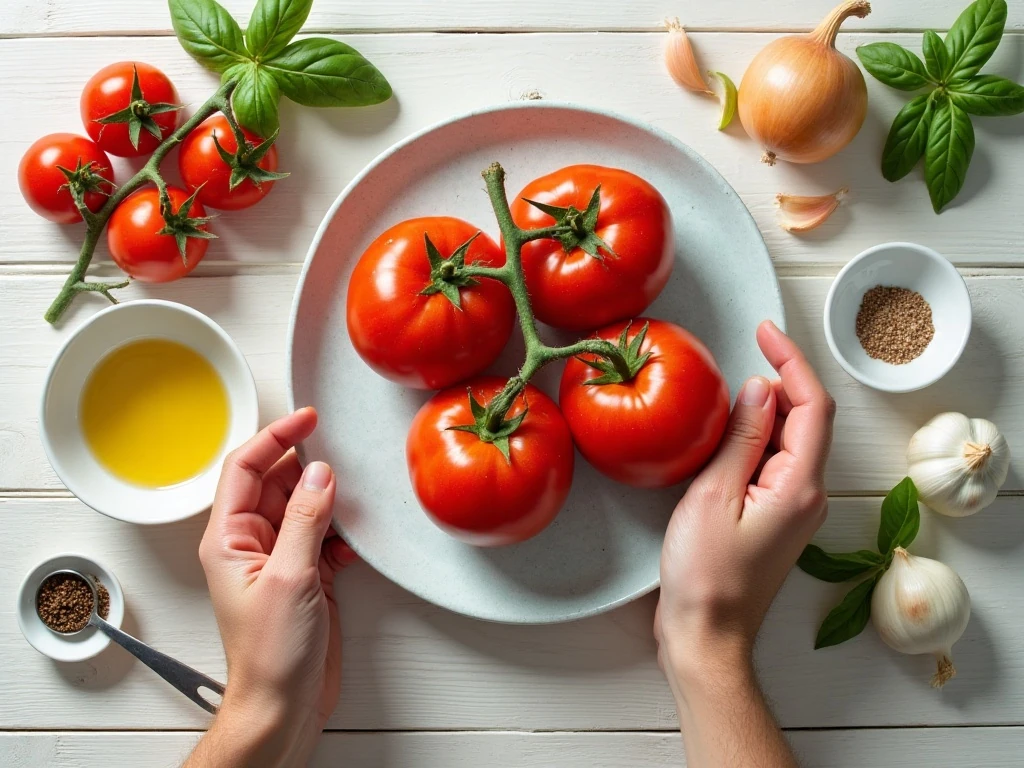
Start with 3 pounds of fully ripe Roma tomatoes, which is usually about 10–12 medium tomatoes. Look for tomatoes that feel heavy for their size, have vibrant color, and yield slightly when pressed. Pale or underripe tomatoes can make a sauce that is thin and acidic.
- Olive oil: Two tablespoons provide a flavorful base for the onion and garlic.
- Yellow onion: One small onion, finely chopped, brings mellow sweetness after 5–7 minutes of cooking.
- Garlic: Three cloves may be minced or thinly sliced. Add them only after the onion softens.
- Seasoning: One teaspoon kosher salt and 1/4 teaspoon freshly ground black pepper start the seasoning. Add 1/4 teaspoon sugar only if the tomatoes taste acidic.
- Basil: Use 1/4–1/2 cup fresh leaves, torn just before adding them.
- Butter: One tablespoon is optional, but it gives the sauce a smooth, rounded finish.
For deeper color and a more concentrated tomato taste, add 1–2 tablespoons of tomato paste with the tomatoes. For heat, add a pinch of red pepper flakes with the garlic.
How to Make It Step-by-Step
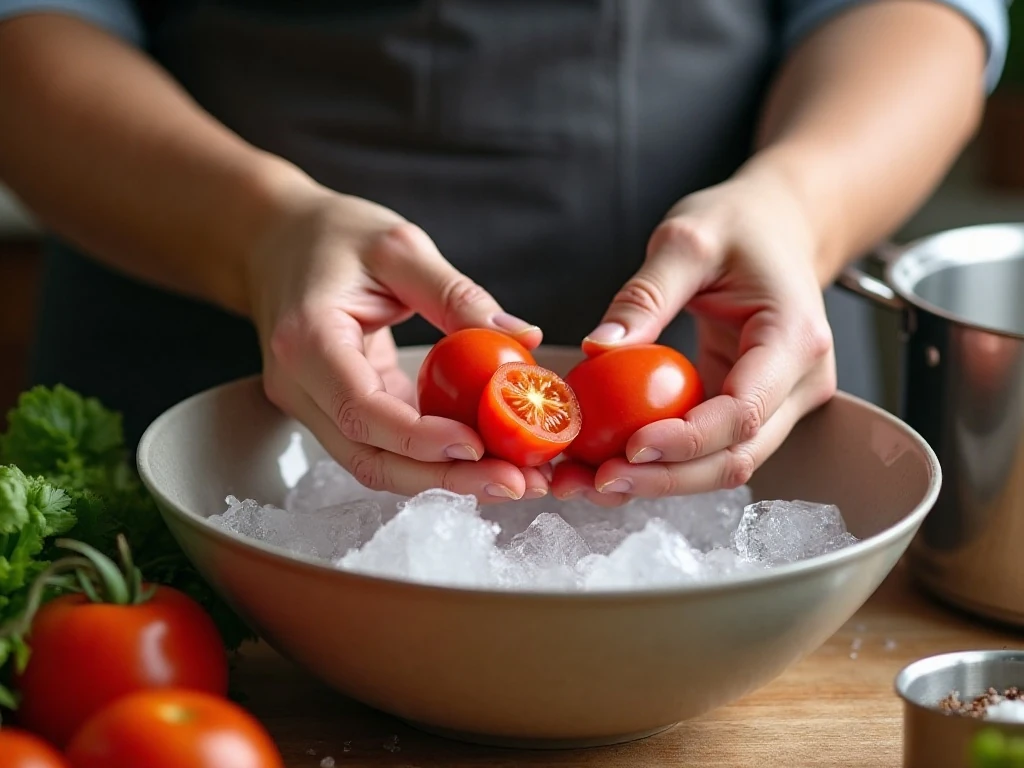
Step 1: Bring a large pot of water to a boil and prepare a large bowl of ice water. Cut a shallow X into the bottom of every tomato, which gives the skins a starting point for peeling.
Step 2: Blanch the tomatoes for about 30–60 seconds, watching for the skins to loosen around the X. Move them immediately into the ice bath so they stop cooking and become cool enough to handle.
Step 3: Peel away the loosened skins, remove the cores, and crush or chop the tomato flesh. If you want a particularly smooth sauce, pass the tomatoes through a food mill or briefly blend them before cooking.
Step 4: Warm the olive oil in a large saucepan or Dutch oven over medium heat. Add the finely chopped onion and cook for 5–7 minutes, stirring occasionally, until it is soft, translucent, and not browned.
Step 5: Add the garlic and cook for 30–60 seconds, just until fragrant. Keep the heat moderate and stir continuously because browned garlic can become bitter and distract from the clean flavor of the tomatoes.
Step 6: Add the prepared tomatoes, kosher salt, black pepper, and optional sugar. Stir well, bring the mixture to a gentle simmer, and scrape the bottom of the pan so the aromatics are incorporated.
Step 7: Simmer the sauce uncovered for 35–45 minutes, stirring occasionally. As it cooks, excess water evaporates and the sauce becomes thicker, darker, and more concentrated; the full cooking time is generally about 40–55 minutes.
Step 8: Stir in the torn basil during the final 5 minutes for a balanced herbal flavor, or add it after removing the pan from the heat when you want the basil to taste especially fresh. Taste the sauce and adjust the salt as needed.
Step 9: Stir in the optional butter until melted and fully incorporated. If serving with pasta, toss the sauce with the noodles and a splash of reserved pasta water so it clings to the pasta instead of sitting heavily at the bottom of the bowl.
Chef Tips for the Best Tomato Flavor
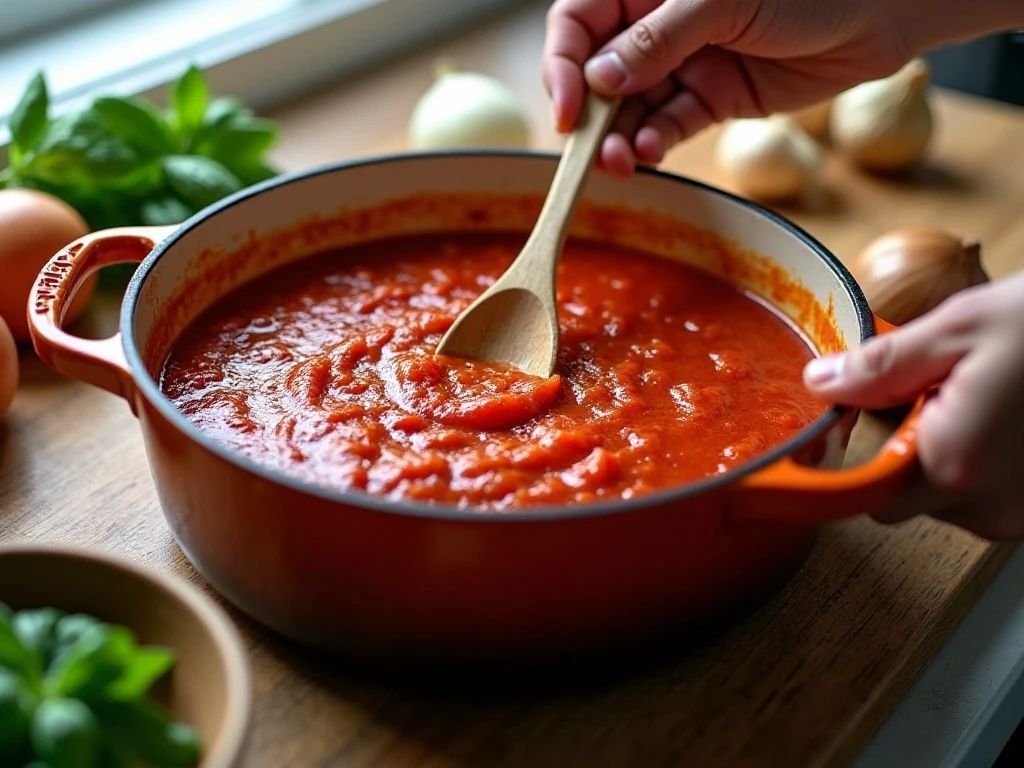
The tomatoes determine the character of this sauce, so buy the ripest Roma tomatoes you can find. If they are watery, do not add flour, cornstarch, or another thickener; simply leave the pan uncovered and continue simmering until the liquid reduces.
Peeling is worthwhile when you want a smooth, restaurant-style texture, but it is not the only acceptable approach. If you enjoy a rustic sauce, chop the tomatoes and leave some of the texture intact. A food mill removes skins and seeds while preserving a fresh tomato taste.
Pay close attention to the garlic. Gentle cooking in olive oil creates a sweet, savory aroma, while browned garlic may turn bitter. If the sauce tastes sharp after reducing, add the optional sugar in small measured amounts rather than adding it automatically.
Basil can be added in two different ways depending on your preference. Cooking it during the final 5 minutes gives a more integrated flavor, while stirring it in off the heat keeps its fresh fragrance more noticeable.
For another sauce idea to place on the table, our sweet and smoky barbecue sauce offers a completely different direction for grilled foods and sandwiches. Keep this Roma sauce focused on pasta, bread, and Italian-inspired dishes for the best pairing.
Texture, Variations, and Serving Ideas
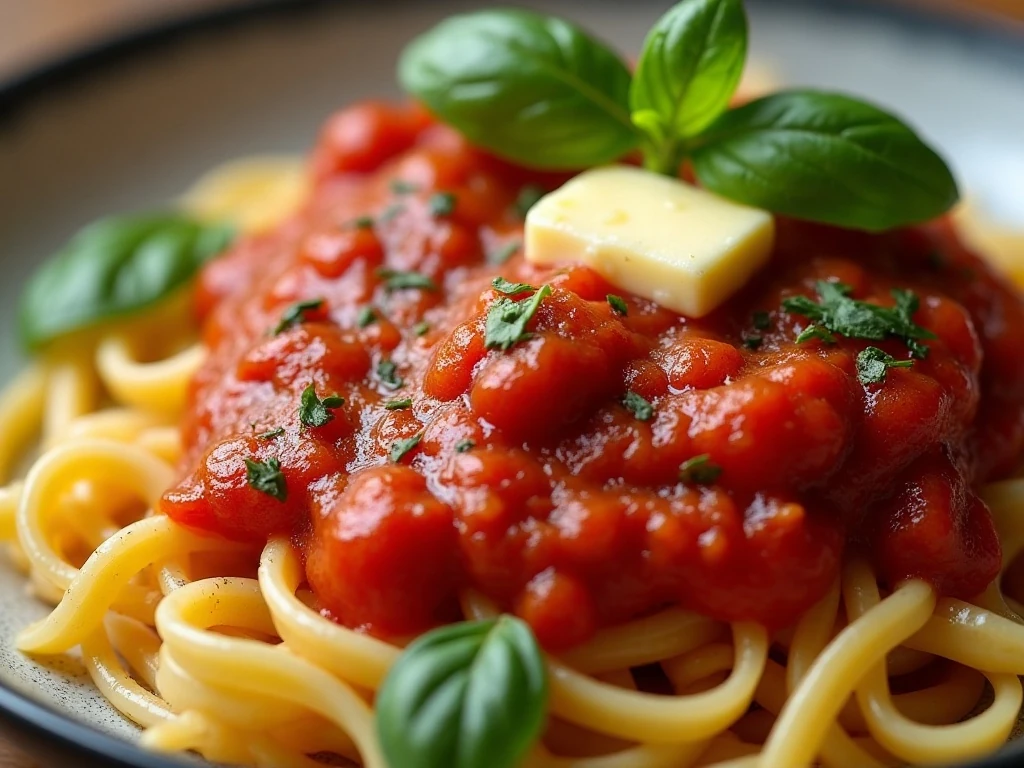
A chunky version is ideal when you want to see pieces of tomato and onion in every bite. For smooth marinara, use a food mill before simmering or blend the finished sauce briefly with an immersion blender, taking care with the hot liquid.
Red pepper flakes add gentle heat without changing the basic recipe. A small grated carrot can replace the sugar as a natural balancing ingredient, especially when the tomatoes need a little sweetness but you want to add another vegetable.
Serve the sauce over spaghetti, penne, rigatoni, or any pasta shape with ridges and curves that can hold the sauce. It is also delicious spooned over baked vegetables, layered into lasagna, spread on pizza dough, or served with toasted bread.
For a fresh side dish, consider serving the pasta with our tomato and basil salad. The cool, bright salad contrasts with the warm cooked sauce while keeping the meal centered on ripe tomatoes and basil.
If you want a rich dipping sauce for bread or vegetables, a little of this tomato sauce can be served alongside our cowboy butter dipping sauce. The two sauces have different personalities, so offer them in separate small bowls rather than combining them.
Storage, Reheating, and Make-Ahead Advice
Let the finished sauce cool before transferring it to a covered container. Refrigerate it and use it within a few days for the freshest flavor, or freeze it in practical portions so you can thaw only what you need.
Reheat the sauce gently in a saucepan over medium-low heat, stirring occasionally. If it has thickened too much in the refrigerator, loosen it with a small splash of water, broth, or pasta water until it reaches the desired consistency.
This recipe is especially useful for make-ahead cooking because the flavor can become even more rounded after resting. Keep the basil and optional butter in mind when reheating; a small fresh basil addition or final pat of butter can restore brightness and richness.
For dessert after a comforting pasta dinner, our crisp almond toffee makes a lovely sweet finish. Its buttery crunch is a satisfying contrast to the savory tomato sauce.
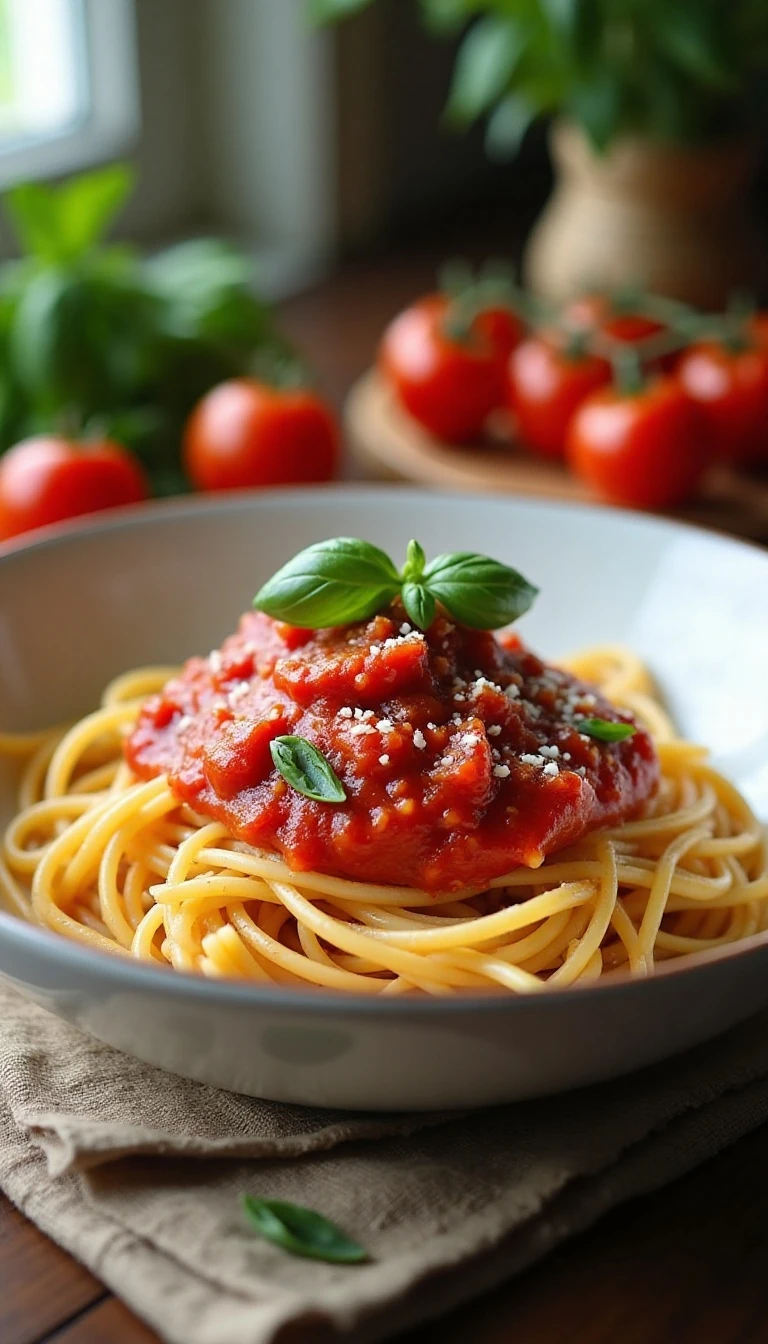
Easy Roma Tomato Sauce Recipe for Rich, Fresh Flavor
Ingredients
Method
- Bring a large pot of water to a boil. Cut a shallow X in the bottom of each Roma tomato, blanch the tomatoes for 30–60 seconds until the skins loosen, then transfer them to an ice bath.
- Peel the cooled tomatoes, remove the cores, and crush or chop the flesh. Pass the tomatoes through a food mill or briefly blend them if you prefer a smoother sauce.
- Warm the olive oil in a large saucepan or Dutch oven over medium heat. Add the chopped onion and cook for 5–7 minutes, until soft but not browned.
- Add the garlic and cook for 30–60 seconds, stirring constantly, just until fragrant. Do not let it brown, as browned garlic can taste bitter.
- Add the tomatoes, kosher salt, black pepper, and optional sugar. Bring the mixture to a gentle simmer.
- Simmer the sauce uncovered for 35–45 minutes, stirring occasionally, until the excess liquid has reduced and the sauce is thick enough to coat a spoon.
- Stir in the torn basil during the final 5 minutes, or add it after removing the pan from the heat for a fresher basil flavor. Taste and adjust the salt.
- Stir in the optional butter for a rounder, smoother finish. Serve with pasta, using a splash of reserved pasta water to help the sauce coat the noodles.
Notes
Final Thoughts
This easy Roma tomato sauce proves that a handful of well-chosen ingredients can create a deeply satisfying homemade meal. Ripe tomatoes provide the fresh foundation, while slow onion cooking, gently warmed garlic, basil, and optional butter build layers of flavor without making the sauce complicated.
Give the sauce time to simmer uncovered, taste before adding sugar, and adjust the final seasoning after the liquid has reduced. Those small choices make the difference between a watery tomato mixture and a thick, spoon-coating sauce with rich, fresh flavor.
Make a batch for pasta tonight, then save the extra for pizza, baked vegetables, or a quick lunch later in the week. Once you taste how much better ripe Roma tomatoes become with patient cooking, this simple sauce is likely to become a regular part of your kitchen routine.