For perfect hard-boiled eggs, place 6 large eggs in a saucepan in a single layer, cover them with cold water by about 1 inch, and bring the water to a full boil over medium-high heat. Remove the pan from the heat, cover it, and let the eggs stand for 10 to 12 minutes, then chill them in an ice-water bath for at least 5 minutes before peeling.
This dependable method produces firm whites and beautifully set yolks without a gray-green ring. Use 10 minutes for firm whites with slightly creamy centers, or 12 minutes for fully set yolks, then serve the eggs with salt, slice them over salads, or use them in sandwiches and classic egg salad.
Jump to RecipeWhy You’ll Love This Recipe
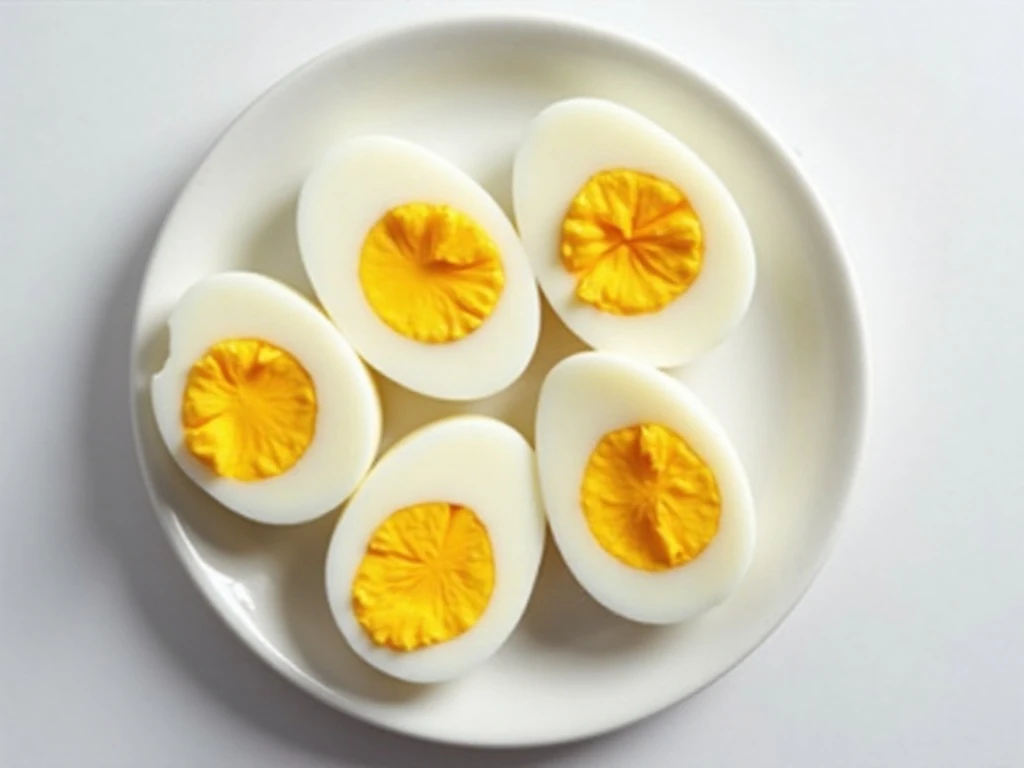
Hard-boiled eggs are one of the most useful foods to keep in the refrigerator. They are inexpensive, filling, naturally rich in protein, and ready to slice into a salad, tuck into a lunchbox, or mash into a quick sandwich filling.
This recipe keeps the process wonderfully uncomplicated. You need only eggs, water, ice, and a saucepan; there is no need for salt, vinegar, or baking soda.
The cold-water-start method is especially friendly for everyday cooking because it does not require carefully lowering eggs into already-boiling water. Once the water reaches a full boil, the covered pan does the rest of the work while you prepare the ice bath.
The finished eggs have tender, firm whites and yolks that match your preferred texture. Ten minutes gives you a slightly creamy center, while 12 minutes gives you a fully set yolk that is ideal for packed lunches, deviled eggs, and egg salad.
When you are planning a brunch menu, these eggs are also a useful make-ahead component beside our Eggs Benedict-inspired quiche. Prepare them in advance, chill them well, and they will be ready when the rest of the meal comes together.
Ingredients You’ll Need
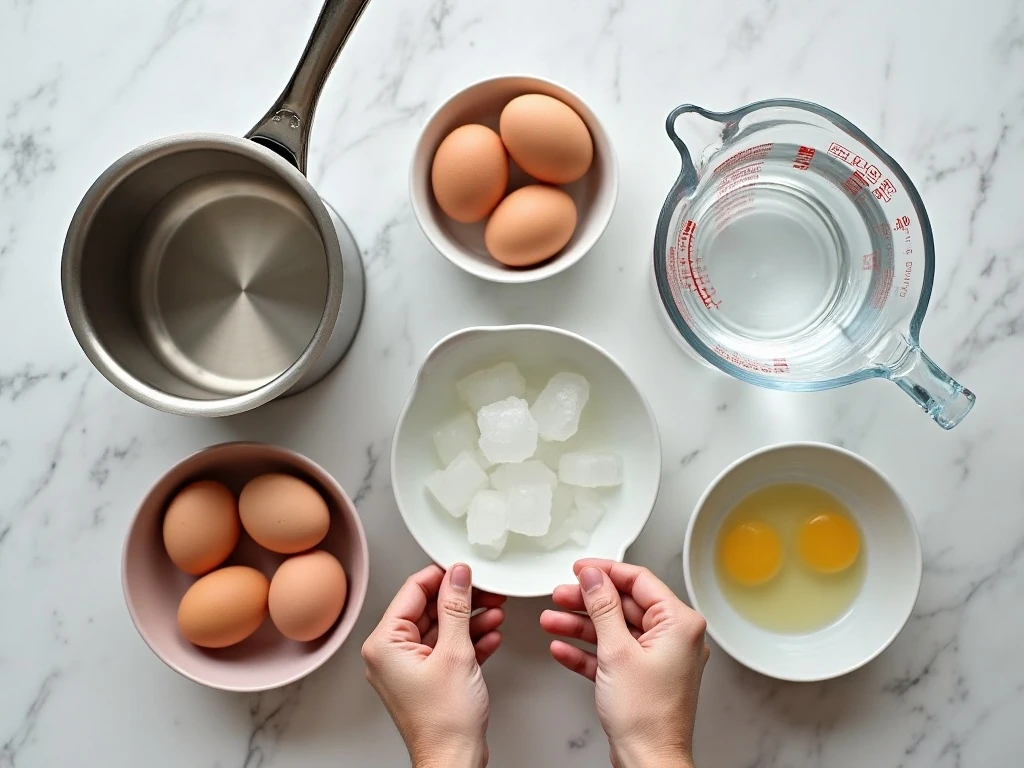
The ingredient list is short, but the details matter. Start with six large eggs and enough cold water to cover them by approximately 1 inch.
- 6 large eggs: Eggs that are several days old generally peel more easily than extremely fresh eggs.
- 1 quart cold water: This equals 4 cups or about 950 ml, though the exact amount depends on the size of your saucepan.
- Ice and cold water: Use about 4 cups of ice plus enough cold water to fully submerge the cooked eggs.
Choose a saucepan that allows all six eggs to sit in one layer. If the eggs are crowded or stacked, they may cook less evenly and are more likely to bump into one another.
For a larger or smaller batch, keep the same basic proportions and arrangement: the eggs should remain in a single layer and be covered with about 1 inch of water. A wider pan may be necessary when increasing the quantity.
There is no need to add salt, vinegar, or baking soda. Those additions appear in some kitchen tips, but this standard method works with just eggs, water, and ice.
How to Make It Step-by-Step
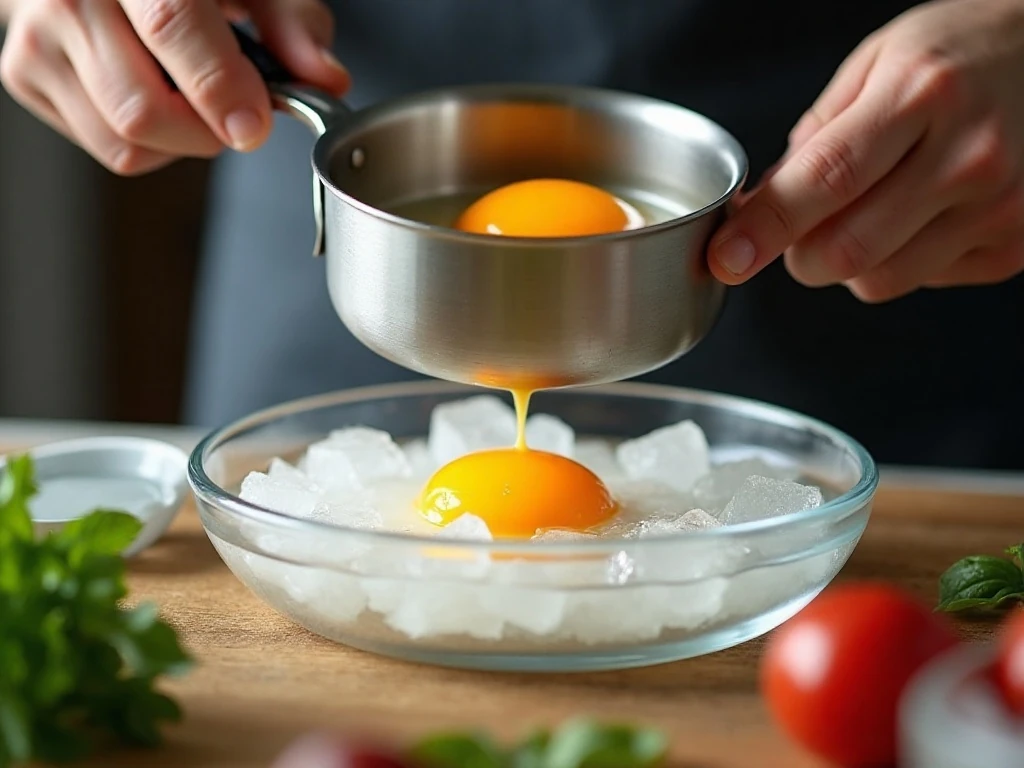
Step 1: Place the eggs in a single layer in a saucepan. Handle them gently so the shells do not crack before cooking, then pour in enough cold water to cover the eggs by approximately 1 inch.
Step 2: Set the pan over medium-high heat and bring the water to a full boil. Watch the pan as it heats, because the timing begins only after the water has reached a proper boil rather than from the moment the burner is turned on.
Step 3: Remove the saucepan from the heat and cover it with a lid. Let the eggs stand for 10 to 12 minutes: choose 10 minutes for firm whites with slightly creamy yolks, or 12 minutes for yolks that are fully set.
Step 4: While the eggs cook, prepare the ice bath by combining about 4 cups of ice with enough cold water to submerge the eggs. As soon as the standing time ends, transfer the eggs directly into the ice bath.
Step 5: Chill the eggs for at least 5 minutes. The cold water stops carryover cooking, helps protect the yolks from developing a gray-green ring, and cools the shells so peeling is more comfortable.
Step 6: Crack each egg gently all over by tapping it against the counter or the side of the bowl. Roll it lightly to create a network of small cracks, then begin peeling from the wider end where the air pocket often gives you a helpful starting point.
Step 7: Peel the eggs under running water or while submerged in water. The water can slip beneath the shell and loosen small pieces of membrane, making the process easier. Once peeled, pat the eggs dry with a clean towel.
Step 8: Slice, quarter, or serve the eggs whole. Add a little salt and pepper for a snack, or use them in salads, sandwiches, breakfast plates, and other recipes that call for hard-boiled eggs.
Pro Tips for Easy Peeling and Even Cooking
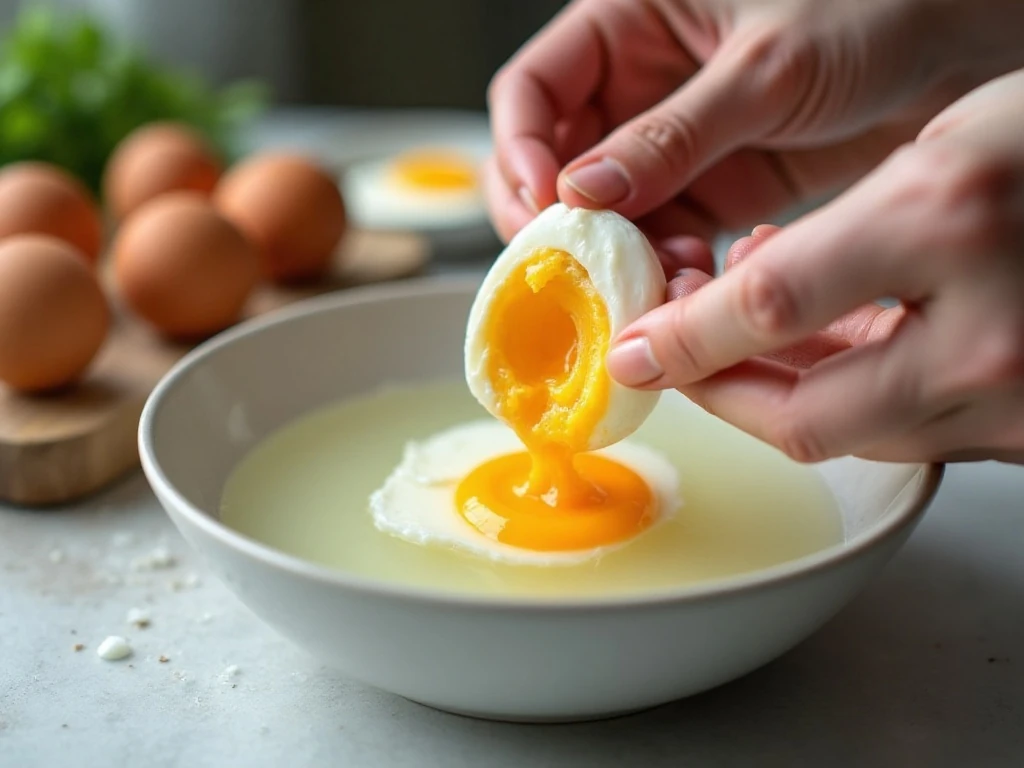
Use eggs that are a few days old when possible. Extremely fresh eggs tend to cling more tightly to the inner membrane, while slightly older eggs often release their shells with less effort.
Keep the eggs in one layer from beginning to end. A single layer gives the hot water room to circulate around each egg and reduces the chance of shells knocking together during the boil.
Do not skip the ice bath, even if you plan to eat the eggs right away. Chilling for at least 5 minutes stops the cooking process and helps the whites remain tender instead of becoming rubbery.
If you prefer a very firm yolk for chopping into egg salad, use the full 12-minute standing time. If you like a center that is firm but still a little creamy, use 10 minutes.
Peel only as many eggs as you need. Unpeeled eggs keep their natural shell protection and are easier to store for later meals.
If you are serving these eggs with a family dinner, slice them over a green salad alongside a simple chicken Parmesan dinner. The mild eggs add protein and richness without requiring another complicated preparation.
How to Serve Hard-Boiled Eggs
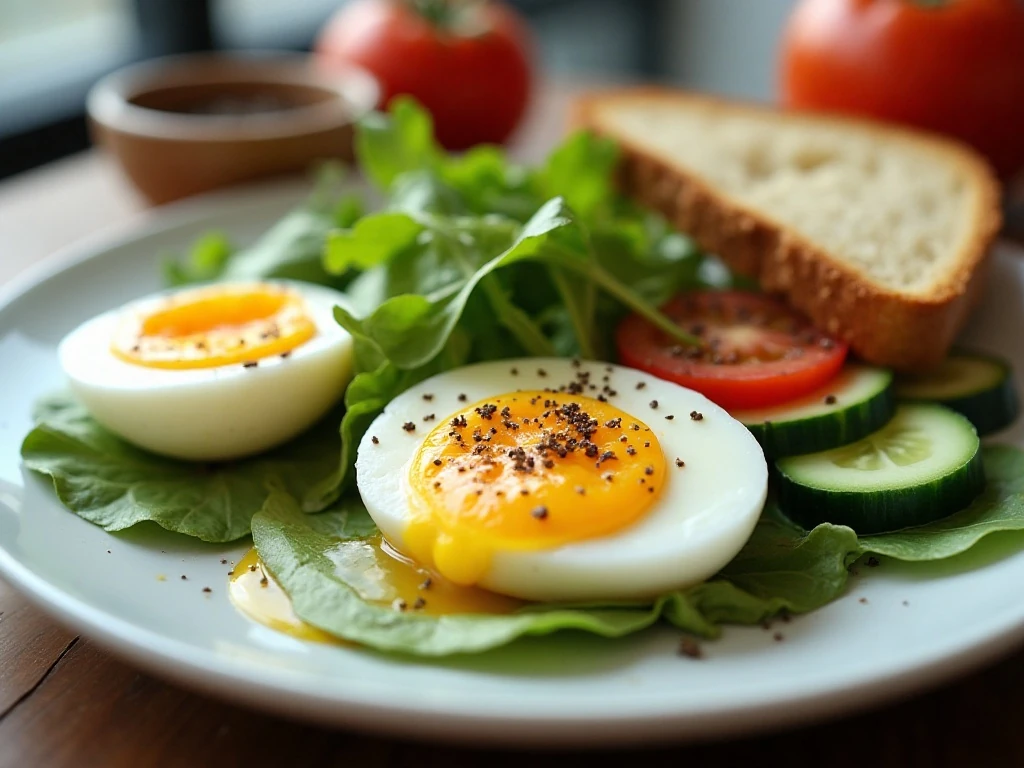
A freshly peeled egg needs very little decoration. Cut it in half and sprinkle the yolk with salt, black pepper, paprika, or a few drops of hot sauce for a quick snack.
For breakfast, serve the eggs with toast, fresh fruit, or sautéed vegetables. They can also be sliced over greens with tomatoes, cucumber, and a simple vinaigrette for a fast lunch.
To make classic egg salad, chop the eggs and mix them with mayonnaise, mustard, salt, and pepper. Add finely chopped celery or scallions if you enjoy a little crunch, then spoon the mixture into bread, lettuce cups, or crackers.
Quartered hard-boiled eggs are a natural topping for potato salad and composed salads. They also make a practical addition to a picnic basket because they can be cooked ahead and kept chilled until serving.
For a dessert-focused brunch table, balance the savory plate with a warm sticky toffee pudding later in the meal. The contrast between the simple savory eggs and the rich date-filled dessert makes the menu feel complete.
Storage and Food Safety
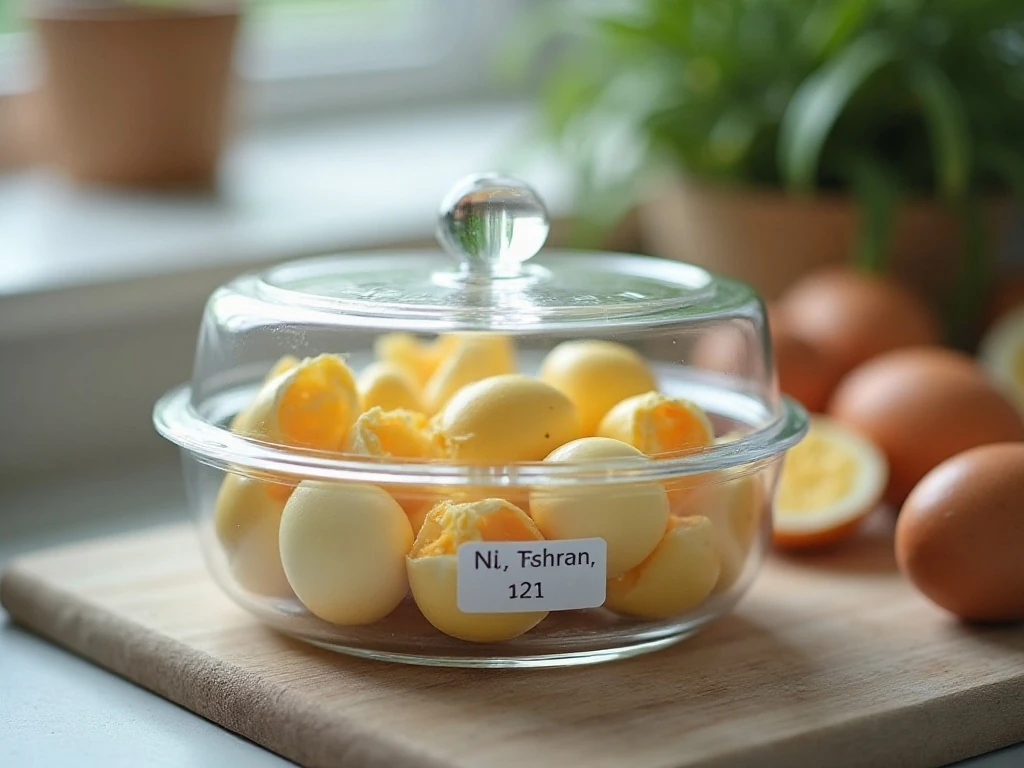
Refrigerate unpeeled hard-boiled eggs for up to 1 week. Store them in their shells inside a covered container so they stay protected and do not transfer odors to other foods in the refrigerator.
Label the container with the cooking date if you are preparing several batches. This small step makes it easy to use the oldest eggs first while keeping your refrigerator organized.
For the best texture, peel the eggs shortly before serving. If you do peel them ahead of time, keep them covered and refrigerated, then pat away any moisture before slicing.
Do not leave cooked eggs sitting out for extended periods. Keep them cold until you are ready to eat, especially when serving them at a picnic, party, or buffet.
These eggs can also be prepared as part of a make-ahead refrigerator plan. Cook a batch at the start of the week, keep the shells on, and enjoy them in different ways over the next several days.
Common Questions
Can I make more than six eggs? Yes. The method scales as long as the eggs remain in a single layer and are covered by approximately 1 inch of water. Use a larger saucepan when needed so the eggs are not stacked.
Why did my yolk develop a gray-green ring? Overcooking and slow cooling can contribute to that color around the yolk. Removing the pan from the heat at the right time and transferring the eggs immediately to an ice bath helps prevent it.
Should I add salt or vinegar to the water? No additions are required for this method. Eggs, cold water, ice, and accurate timing are all you need.
Can I use these eggs in other recipes? Absolutely. Chop them into salads, arrange them over toast, or use them as a protein-rich side dish. For a colorful sweet-and-savory spread, you could even serve them before a simple cream cheese Jello salad.
What should I do with leftover eggs? Turn them into egg salad, slice them onto a sandwich, or chop them over roasted vegetables. They are also excellent with a spoonful of mayonnaise and mustard for a quick snack.
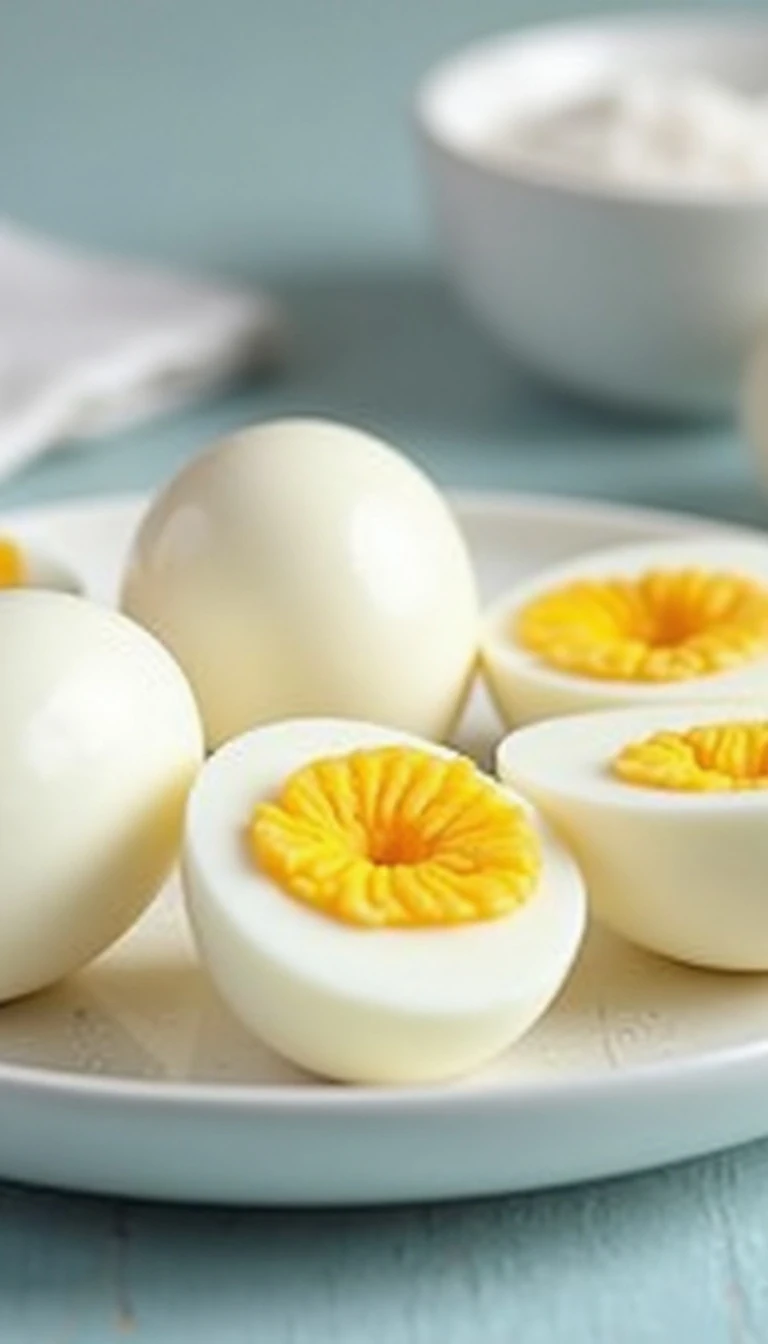
Perfect Hard-Boiled Eggs
Ingredients
Method
- Place 6 large eggs in a single layer in a saucepan. Add 1 quart, or 4 cups, of cold water, making sure the eggs are covered by approximately 1 inch.
- Set the saucepan over medium-high heat and bring the water to a full boil.
- Remove the pan from the heat, cover it with a lid, and let the eggs stand for 10 to 12 minutes. Choose 10 minutes for slightly creamy yolks or 12 minutes for fully set yolks.
- Immediately transfer the eggs to a bowl filled with about 4 cups of ice and enough cold water to submerge them. Chill for at least 5 minutes.
- Crack each shell gently all over, then peel the eggs under running water or while submerged in water. Pat the peeled eggs dry before serving or storing.
Notes
Final Thoughts
Perfect hard-boiled eggs come down to a few dependable habits: start with cold water, bring it to a full boil, let the covered eggs stand for 10 to 12 minutes, and chill them immediately in an ice bath.
Once you know your preferred timing, the process becomes easy to repeat. Choose 10 minutes for slightly creamy yolks or 12 minutes for fully set centers, then peel gently under water for the cleanest results.
Keep the unpeeled eggs refrigerated in a covered container for up to 1 week, and you will have a ready-to-use ingredient for breakfasts, salads, sandwiches, and snacks. When you want another make-ahead idea for your recipe collection, try this pineapple upside-down cake jam for a sweet contrast at brunch.