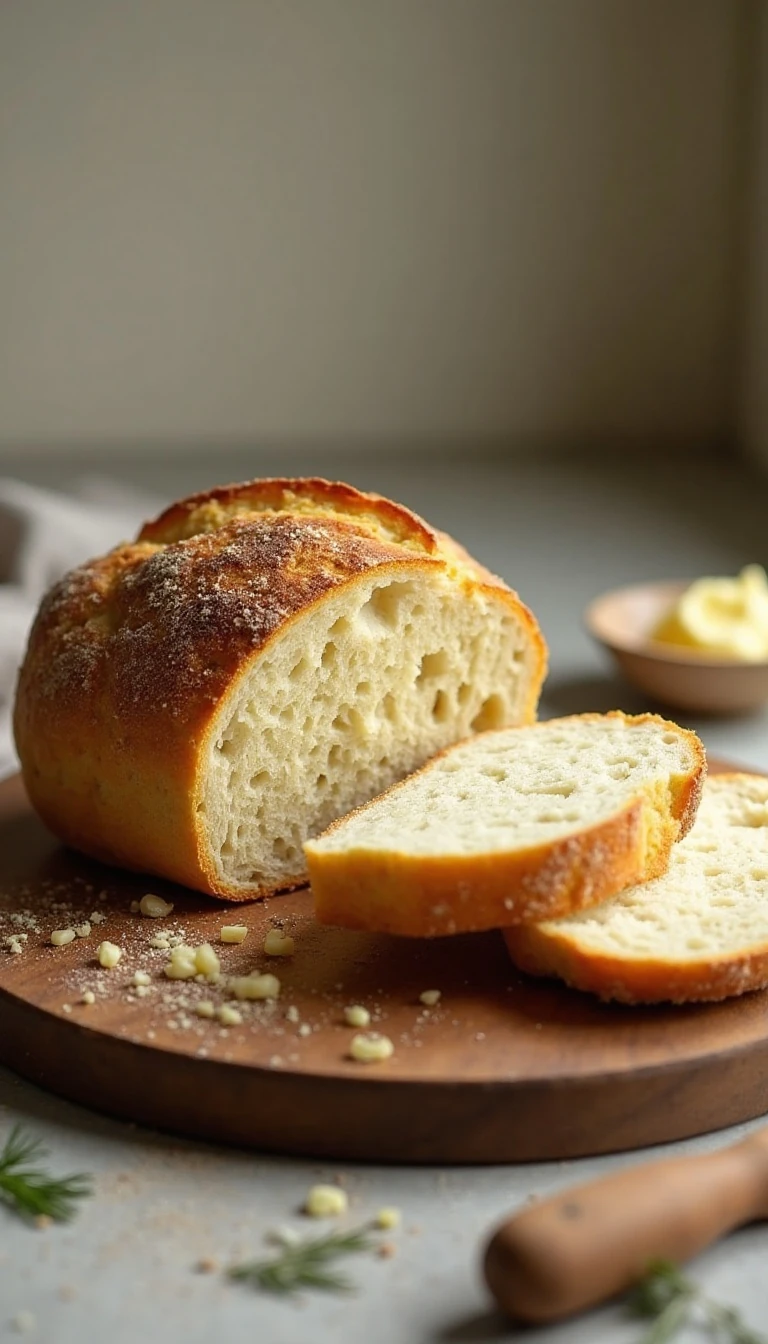
Millie’s Homemade Dilly Bread is a soft, savory, no-knead yeast bread made with cottage cheese, dill seed, dried onion, butter, and a touch of sugar. The sticky batter rises in a bowl and then bakes in a greased 1 1/2-quart casserole for 40 to 45 minutes, producing one round loaf with a golden crust and tender, moist center.
This old-fashioned cottage cheese bread takes about 15 to 20 minutes of active preparation, followed by a one-hour first rise and a 30-minute second rise. Its flavor is buttery and gently tangy, with traditional dill seed and onion tucked into every slice, making it wonderful alongside soup, salad, roast chicken, or simply spread with butter while still warm.
Jump to RecipeWhy You’ll Love This Recipe
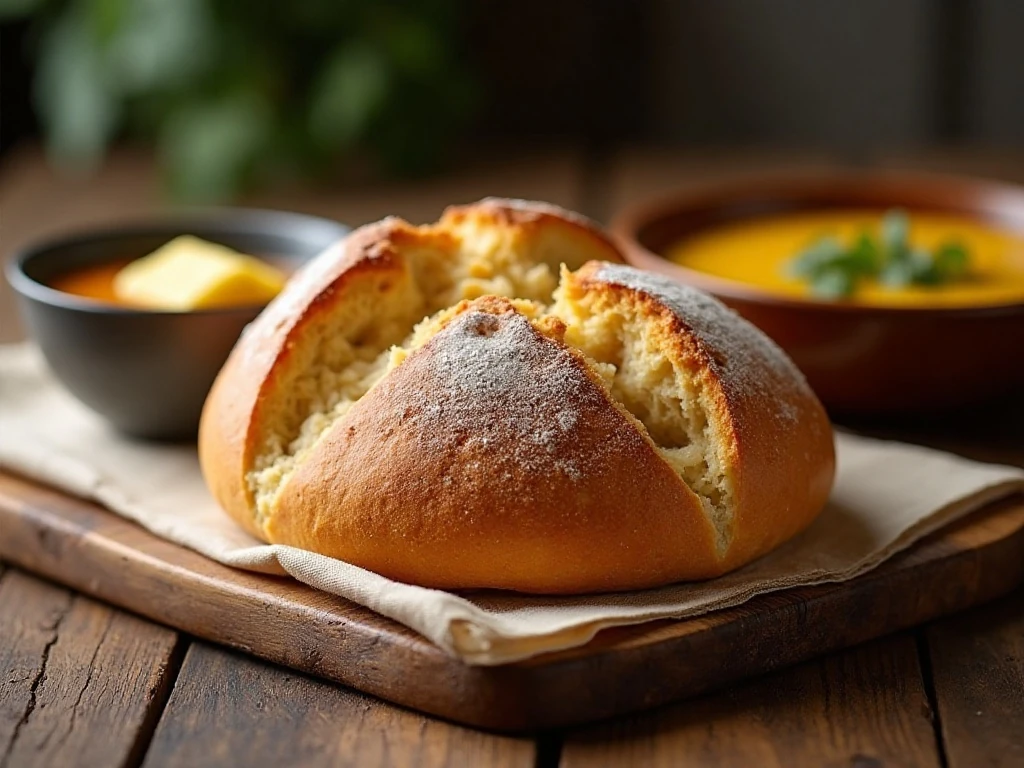
There is something especially comforting about a loaf that smells like butter, onion, and dill as it bakes. Millie’s Dilly Bread has the character of a homemade yeast bread without the work of kneading, shaping, or repeatedly dusting the counter with flour.
The cottage cheese gives the crumb a pleasantly moist, tender texture and a subtle tang. Small curds blend into the batter as the bread rises and bakes, so the finished loaf is rich and soft rather than dense or gritty.
This recipe also has a friendly, forgiving style. You mix it with a spoon, let the yeast do the work, and bake the risen batter in one deep dish. For another simple homemade loaf, you can also try our easy beer bread, especially when you want a quick bread with no yeast rise.
Ingredients You’ll Need
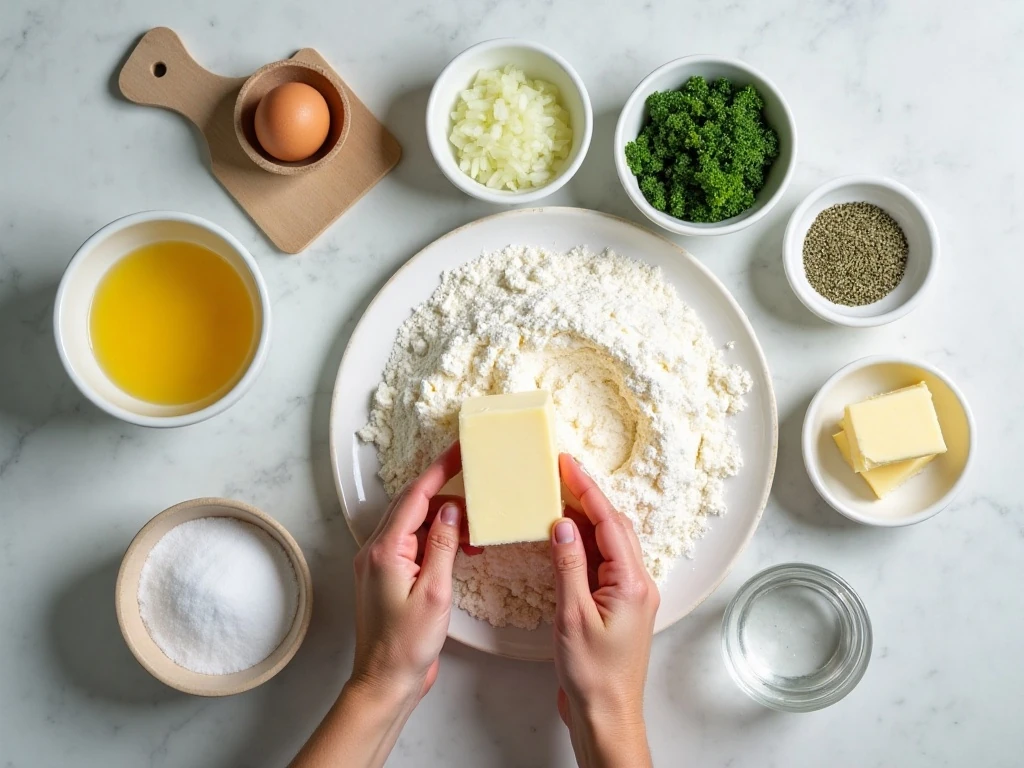
The ingredient list is short, but every item has a purpose. Cottage cheese, butter, and egg contribute moisture and richness, while the flour provides enough structure for the loaf to rise into a rounded shape.
- Cottage cheese: Use 1 cup of small-curd cottage cheese for the signature moist crumb and gentle tang.
- Butter or margarine: Two tablespoons add richness to both the batter and the finished flavor.
- Dill seed and dried onion: These create the classic savory seasoning. Dill seed has a more pronounced traditional flavor than dried dill weed.
- Yeast, sugar, and salt: The active dry yeast raises the batter, sugar supports the yeast and rounds out the flavor, and salt keeps the loaf from tasting flat.
- Flour: All-purpose flour works well here. Measure 2 1/4 cups, adding it in two stages as directed.
Before beginning, grease a 1 1/2-quart casserole or deep round baking dish. A deep dish helps the batter rise upward instead of spreading too widely.
For a sweet contrast to this savory loaf, our cranberry orange bread offers bright citrus flavor and colorful fruit in every slice.
How to Make It Step-by-Step

Step 1: Grease a 1 1/2-quart casserole dish or similarly sized deep round baking dish, making sure the bottom and sides are coated. Set it aside so the sticky batter can be transferred immediately after its first rise.
Step 2: Place the cottage cheese, water, and butter in a saucepan over gentle heat. Warm the mixture until the butter melts and the temperature reaches approximately 120-130°F, but never let it boil.
Step 3: Remove the saucepan from the heat and stir in the dried minced onion, dill seed, salt, sugar, active dry yeast, egg, and about 1 cup of the flour. Beat this mixture until it looks smooth and evenly combined.
Step 4: Stir in the remaining flour to make a soft, sticky batter. Resist the temptation to keep adding flour, because this bread is designed to be mixed rather than kneaded and its moisture creates the tender crumb.
Step 5: Cover the bowl with a clean towel or loosely fitted cover and place it in a warm, draft-free spot. Let it rise for about 1 hour, or until the batter is approximately doubled in size.
Step 6: Stir the risen batter down to release some of the air, then transfer it to the greased casserole. Smooth the top with a damp spatula or lightly greased hands, since the sticky texture can cling to dry tools.
Step 7: Cover the casserole again and let the loaf rise for about 30 minutes. It should look noticeably puffy and close to doubled before it goes into the oven.
Step 8: Bake at 350°F for 40-45 minutes. The crust should be richly browned, the loaf should sound hollow when tapped, and the center should reach approximately 190-200°F.
Step 9: Allow the bread to cool in the dish for approximately 10 minutes before turning it out. Brush the hot crust with butter if you like, then wait briefly before slicing so the crumb can settle.
How to Get the Best Texture
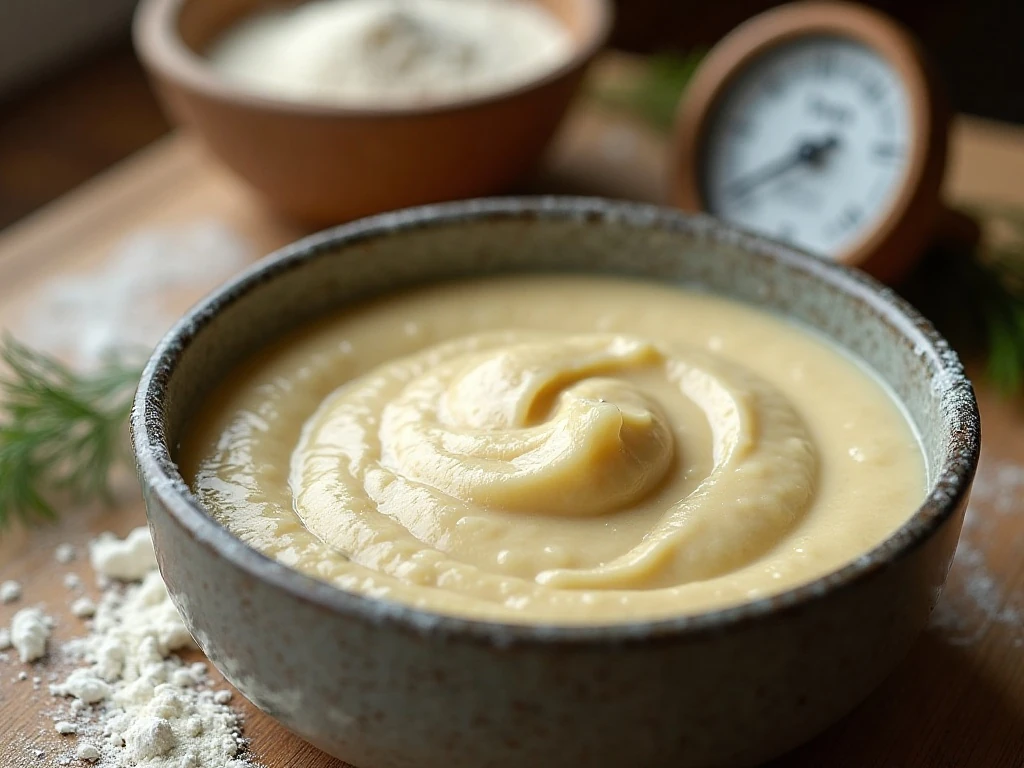
Temperature is the most important detail when combining the dairy mixture with yeast. Aim for 120-130°F: warm enough to encourage rising, but not so hot that it damages the yeast or partially cooks the egg.
If you do not have an instant-read thermometer, the mixture should feel distinctly warm but not hot. Gentle stovetop heating is preferable to rushing the process over high heat.
Keep the batter soft and sticky. It may look more like a thick muffin batter than traditional kneaded dough, and that is exactly what you want. Large amounts of extra flour can produce a firm, heavy loaf instead of the characteristic moist texture.
Watch the dough rather than relying only on the clock. A cool kitchen may extend the rise, while a warm kitchen may shorten it. The first rise is ready when the batter is approximately doubled, and the second is ready when it is visibly puffy.
Serving Ideas and Flavor Notes
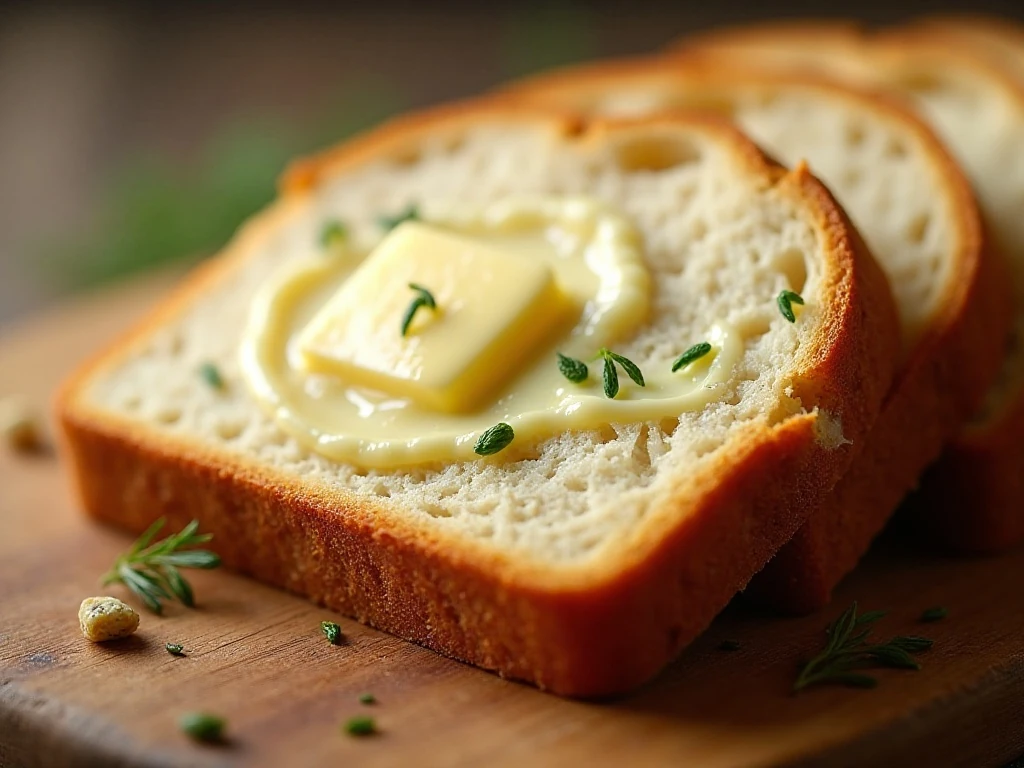
Serve slices warm with salted butter, cream cheese, or a light smear of whipped herb butter. The dill and onion flavors are savory but not overpowering, making the bread a natural companion for tomato soup, chicken noodle soup, baked potatoes, or a crisp green salad.
It also makes a delicious breakfast or brunch side beside scrambled eggs and roasted vegetables. Toast leftover slices lightly to bring back the buttery aroma and add a little crispness to the edges.
If you prefer a different style of homemade bread, our leopard bread brings visual drama, while this dilly loaf remains the better choice when you want a rustic, savory bake.
Storage, Slicing, and Reheating
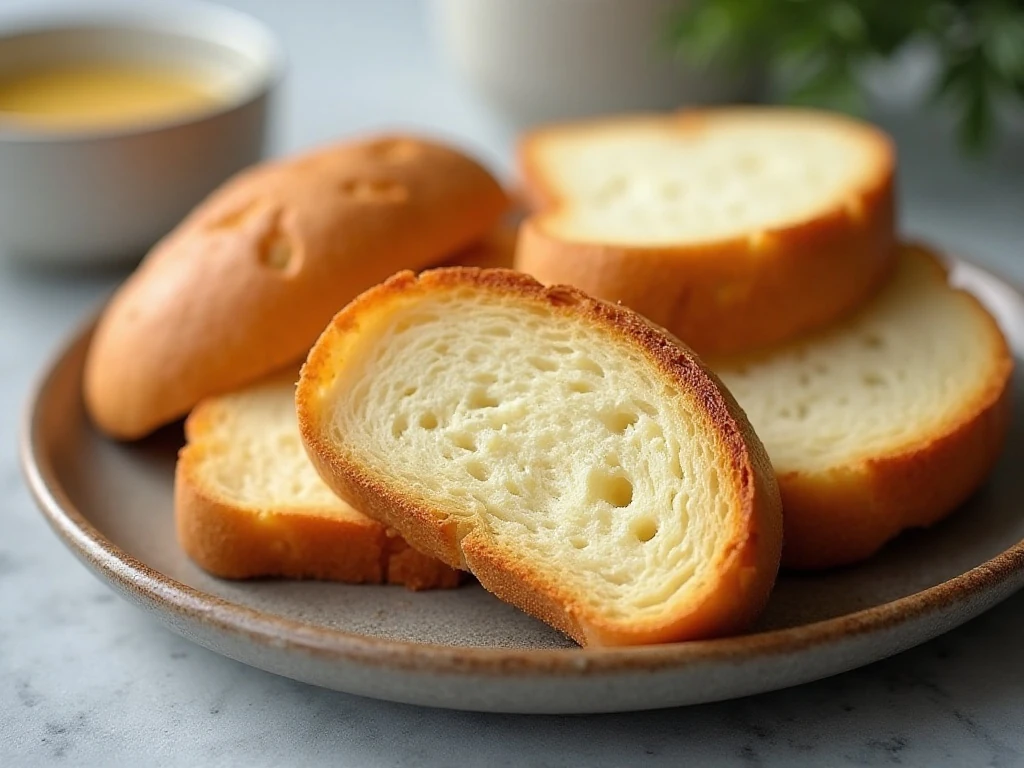
Let the loaf cool fully before storing it so trapped steam does not make the crust soggy. Keep it wrapped or in an airtight container at room temperature for up to a couple of days.
For longer storage, slice the cooled bread and freeze the slices in a well-sealed freezer bag. Separate slices with parchment if you want to remove them one at a time, then thaw at room temperature or warm gently in a toaster oven.
Because the crumb is moist, use a serrated knife and a gentle sawing motion. Cutting while the loaf is extremely hot can compress the center, so the approximately 10-minute cooling period is useful even when the aroma makes waiting difficult.
For more soft, moist quick-bread inspiration, see our yogurt pumpkin bread. It is a sweeter option for breakfast and afternoon snacking.
Helpful Baker’s Checklist
- Grease the deep casserole before mixing the batter.
- Warm the cottage cheese mixture to approximately 120-130°F without boiling.
- Add flour in the two specified portions and avoid making the batter kneadable.
- Allow about 1 hour for the first rise and about 30 minutes for the second rise.
- Bake at 350°F for 40-45 minutes and check for a 190-200°F center.
- Cool in the dish for approximately 10 minutes before turning out.
When planning a bread-filled meal, our homemade focaccia is another excellent savory option, with a flatter shape and olive-oil-rich crust.
Millie's Homemade Dilly Bread
Ingredients
Method
- Grease a 1 1/2-quart casserole dish or similarly sized deep round baking dish. In a saucepan, gently heat the cottage cheese, water, and butter until the butter melts and the mixture reaches approximately 120-130°F; do not boil.
- Remove the saucepan from the heat. Stir in the dried minced onion, dill seed, salt, sugar, yeast, egg, and about 1 cup of the flour, then beat until smooth.
- Stir in the remaining flour. The dough should be soft and sticky because this is a batter-style bread, so do not add large amounts of extra flour or knead it.
- Cover the bowl and let the batter rise in a warm, draft-free place until approximately doubled, about 1 hour.
- Stir the batter down and transfer it to the prepared casserole. Smooth the surface with a damp spatula or lightly greased hands.
- Cover the casserole and let the dough rise again until noticeably puffy or nearly doubled, about 30 minutes.
- Bake at 350°F for 40-45 minutes, until the loaf is browned and sounds hollow when tapped. The center should register about 190-200°F.
- Cool the loaf in the dish for approximately 10 minutes before turning it out. Brush the hot crust with butter if desired, then slice and serve.
Notes
Final Thoughts
Millie’s Homemade Dilly Bread is the kind of recipe that earns a permanent place in a family baking rotation. It offers the warmth and aroma of yeast bread with a wonderfully simple batter method, and the cottage cheese keeps every slice tender and moist.
Remember the three details that matter most: keep the dairy mixture warm rather than hot, leave the batter soft and sticky, and give both rises enough time to become visibly puffy. Once baked, a quick butter brush on the hot crust makes the dill, onion, and buttery flavor even more inviting.
Slice this round loaf for dinner, toast it for breakfast, or serve it beside your favorite soup. With approximately 8 to 10 servings from one casserole, it is a generous homemade bread that feels both nostalgic and wonderfully practical.