Millie’s Dilly Bread is a soft, savory no-knead yeast bread made with cottage cheese, butter, dried minced onion, and dill seed. The dough rises for about 1 hour and bakes at 350°F for 30–35 minutes, producing one golden round loaf with approximately 12 flavorful slices.
This homemade classic has a tender crumb, buttery richness, and a distinctive dill-and-onion aroma. It is simple enough for a beginner because the dough is stirred rather than kneaded, yet it tastes special enough to serve with soup, roasted meats, holiday meals, or a generous swipe of butter.
Jump to RecipeWhy You’ll Love This Recipe
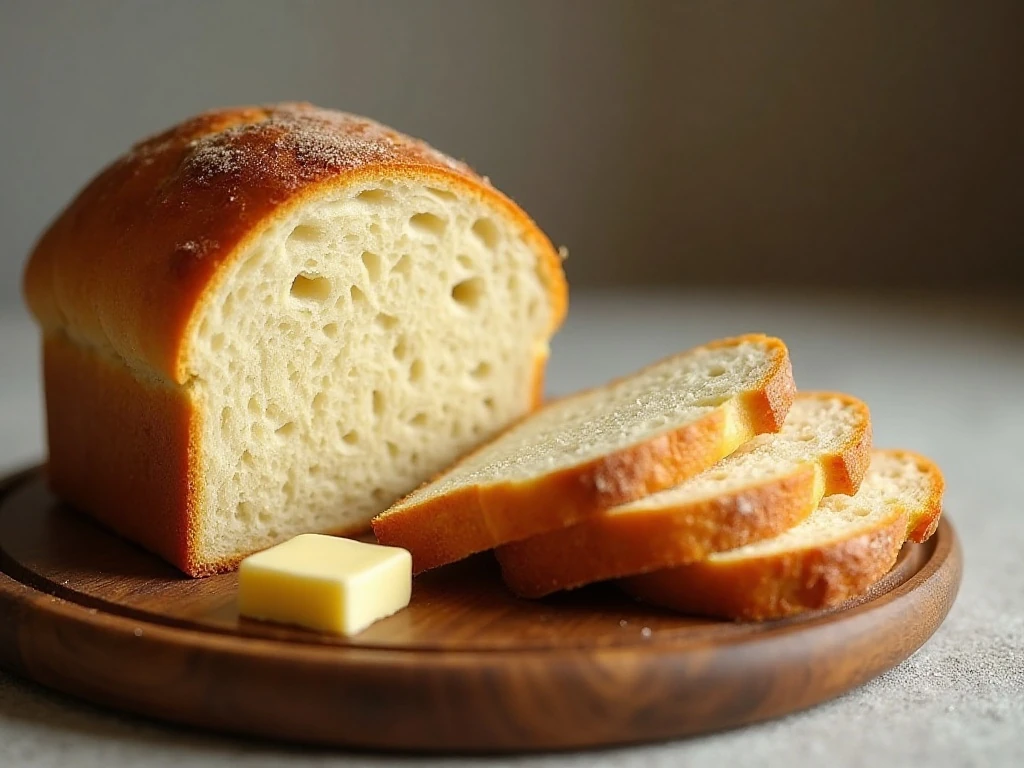
Millie’s Dilly Bread is the kind of loaf that makes the kitchen smell like a welcoming country bakery. Cottage cheese gives the crumb tenderness and moisture, while butter adds a gentle richness without making the bread feel heavy.
The flavor is savory, lightly sweet, and wonderfully aromatic. Dried minced onion brings small pockets of mellow onion flavor, and dill seed supplies the traditional slightly citrusy character that makes this bread instantly recognizable.
There is no kneading, shaping, or complicated proofing routine. Once the ingredients are combined, the sticky dough goes directly into a greased round baking dish, rises, and bakes into a rustic loaf.
If you enjoy baking different homemade loaves, you may also like this easy no-knead focaccia, which offers another relaxed approach to yeast bread.
Ingredients You’ll Need

Each ingredient has a practical role in creating the bread’s soft texture and savory taste. Measure the flour carefully and remember that the final amount can vary between 2 1/4 and 2 3/4 cups.
- Active dry yeast: One packet starts the rise and gives the loaf its classic yeast-bread aroma.
- Warm water: Keep it between 110–115°F so the yeast can soften and activate properly.
- 4% cottage cheese: This adds moisture, tenderness, and a subtle dairy flavor.
- Butter: Cubed butter melts into the warm cottage cheese for a rich crumb.
- Sugar and salt: Sugar supports the bread’s balanced flavor, while salt sharpens every savory note.
- Dried minced onion and dill seed: Together, these create the signature seasoning.
- Baking soda: A small amount helps support the bread’s texture.
- Egg: The lightly beaten egg contributes structure and color.
- All-purpose flour: Begin with 2 1/4 cups, then add only what is needed to form a stiff, sticky dough.
For a different baking project with a sweeter profile, keep our fruit-filled strawberry bread in mind for another day.
How to Make It Step-by-Step

Step 1: Begin by dissolving the yeast in the warm water. Let it stand briefly until softened, giving it time to distribute through the liquid before it joins the rest of the dough.
Step 2: Place the cottage cheese and cubed butter in a saucepan over gentle heat. Warm them until the butter melts, then remove the pan from the heat and stir in the sugar, salt, dried minced onion, dill seed, and baking soda.
Step 3: Allow the cottage-cheese mixture to cool to approximately 110–115°F. This step matters because a hotter mixture can damage the yeast and may begin to cook the egg.
Step 4: Stir the lightly beaten egg and softened yeast mixture into the cooled cottage-cheese mixture. Mix until the ingredients are evenly combined and the fragrant dill and onion are spread throughout.
Step 5: Add 2 1/4 cups of all-purpose flour and beat until smooth. If the dough seems too loose to hold its shape in the dish, add a little of the remaining flour, stopping as soon as the dough becomes stiff and sticky.
Step 6: Grease a 1 1/2-quart round baking dish and transfer the dough into it. Cover the dish and place it in a warm, draft-free spot until the dough has doubled in size, which takes about 1 hour.
Step 7: Bake the risen dough at 350°F (175°C) for 30–35 minutes. The finished loaf should be golden brown and baked through, with a firm-looking top and a rich savory aroma.
Step 8: Let the bread cool briefly before slicing. Cutting it immediately can compress the tender crumb, so a short rest gives the interior time to settle while keeping the loaf pleasantly warm.
Pro Tips for the Best Dilly Bread

The most important tip is to respect the dough’s texture. This is a no-knead yeast bread, and the dough is supposed to be soft and sticky rather than smooth and elastic like a kneaded sandwich loaf.
- Use a thermometer when possible: Checking the cottage-cheese mixture is the easiest way to protect both the yeast and the egg.
- Do not over-flour: Begin with the stated 2 1/4 cups and add more only as needed. Too much flour can produce a dense, heavy loaf.
- Choose dill seed: Dill seed provides the traditional savory, slightly citrusy flavor. Dill weed alone will not give the same character.
- Give the dough a warm home: A draft-free area helps the dough double consistently without forming a dry skin.
- Grease the dish well: A properly greased 1 1/2-quart round baking dish helps the loaf release after its brief cooling period.
For another homemade staple made from scratch, try these simple egg noodles alongside a bowl of soup or stew.
Serving Suggestions

Serve Millie’s Dilly Bread warm in thick slices with butter. Its onion-and-dill flavor pairs especially well with vegetable soup, tomato soup, creamy potato soup, roast chicken, and baked ham.
The loaf also makes a memorable accompaniment to a brunch spread. Set it beside scrambled eggs, soft cheeses, fresh vegetables, and a bowl of whipped butter for an inviting savory bread basket.
Because the bread has a tender crumb and bold seasoning, it can stand on its own as a snack. Toast leftover slices lightly and top them with cream cheese, or serve them with a crisp green salad for a simple lunch.
If you are assembling a larger homemade bread table, consider adding this distinctive poppy seed loaf for a contrasting flavor and texture.
Storage and Reheating
Let the bread cool before storing it so trapped steam does not make the crust overly damp. Keep it covered at room temperature for short-term storage, and slice only what you plan to serve when possible.
For longer storage, wrap the cooled loaf securely and freeze it. Thaw it at room temperature, then warm individual slices gently in the oven or toaster until soft and fragrant.
Always use your senses when serving stored bread. If the loaf develops an unusual odor, visible mold, or an unpleasant texture, discard it rather than trying to salvage a portion.
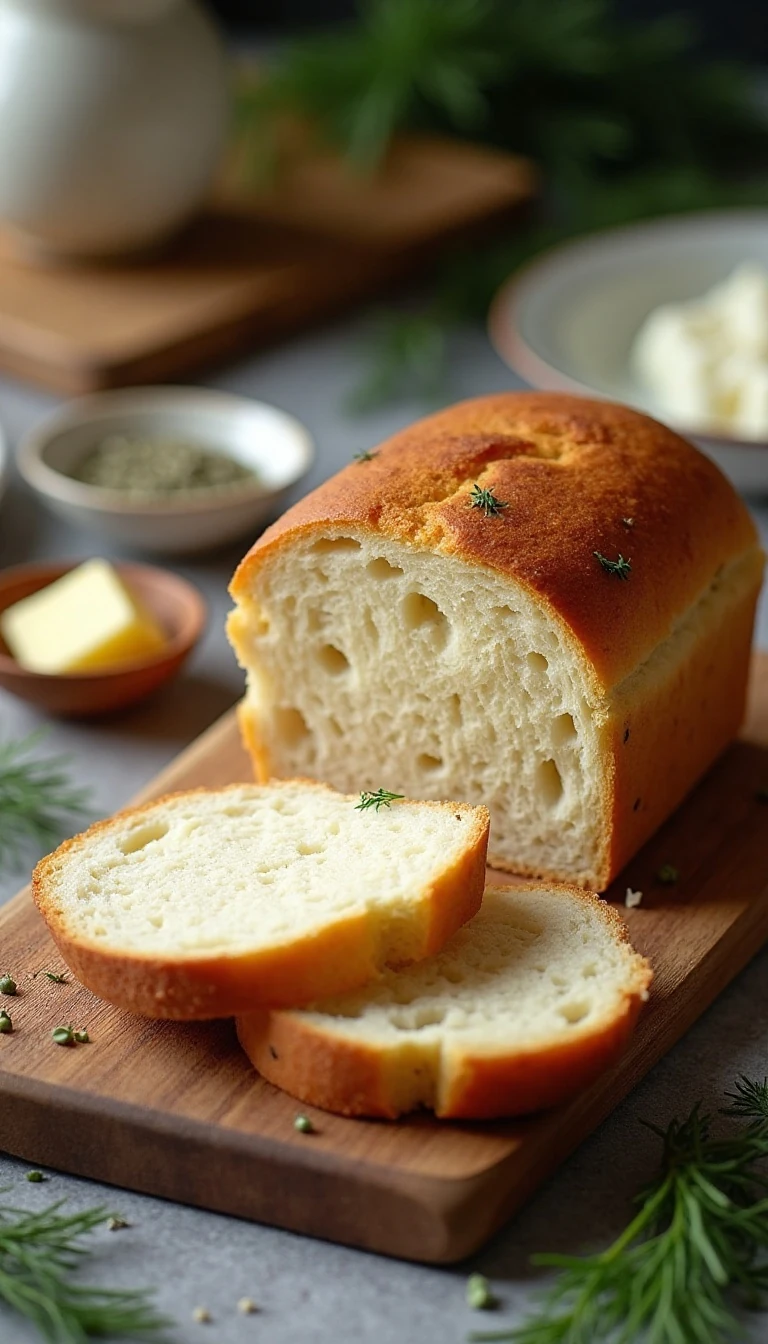
Millie’s Dilly Bread
Ingredients
Method
- Dissolve the active dry yeast in the warm water and let it stand briefly until softened.
- In a saucepan, heat the cottage cheese and cubed butter until the butter melts. Remove the saucepan from the heat and stir in the sugar, salt, dried minced onion, dill seed, and baking soda.
- Cool the cottage-cheese mixture to about 110–115°F. This temperature protects the yeast and keeps the egg from cooking when it is added.
- Stir the lightly beaten egg and dissolved yeast into the cooled cottage-cheese mixture.
- Add 2 1/4 cups of all-purpose flour and beat until smooth. Add only enough of the remaining flour to make a stiff, sticky dough.
- Transfer the dough to a greased 1 1/2-quart round baking dish. Cover and let it rise in a warm, draft-free place until doubled, about 1 hour.
- Bake at 350°F (175°C) for 30–35 minutes, until the loaf is golden brown and baked through. Cool briefly before slicing.
Notes
Final Thoughts
Millie’s Dilly Bread earns its place among the most comforting homemade classics because it delivers impressive flavor with very little hands-on work. Cottage cheese, butter, onion, and dill seed create a tender, savory loaf while the no-knead method keeps the process approachable.
Remember the three keys to success: cool the cottage-cheese mixture before adding the egg and yeast, keep the dough soft and sticky, and use dill seed for the traditional flavor. After its warm rise and 30–35 minute bake, you will have a golden round loaf ready to share.
Slice it while slightly warm, add butter, and enjoy the simple pleasure of fresh bread made in your own kitchen.