You can make crusty French bread in about one hour with warm water, active dry yeast, sugar, salt, all-purpose flour, and a hot oven. The dough needs only a brief first rest and second rest, followed by 20 to 25 minutes of baking at 425°F (220°C), making this a practical homemade bread recipe for busy days.
This quick loaf has a crisp, deeply golden crust and a soft, tender center with a mild yeasty flavor. Serve it warm with butter, use it for sandwiches, or pair it with soup; and if you enjoy fun pull-apart baking projects, you may also like our chocolate chip monkey bread.
Jump to RecipeWhy You’ll Love This Recipe
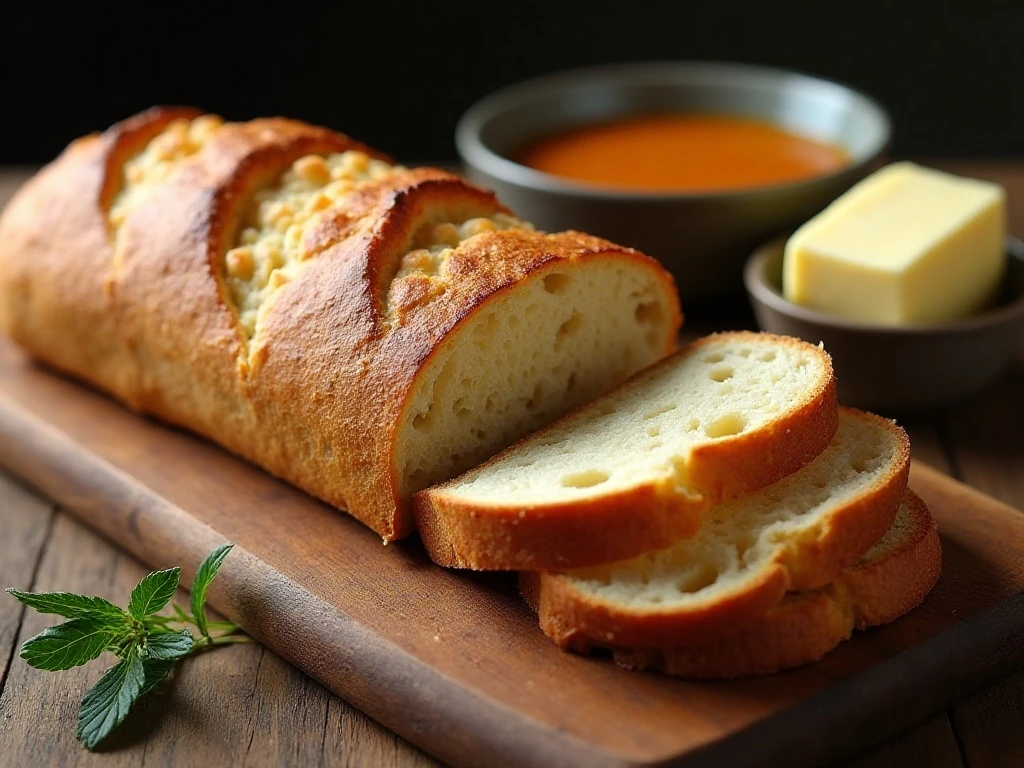
This one-hour French bread is designed for the moment when you want fresh bread but do not want to wait through a long overnight rise. The dough comes together quickly, rests twice for only 10 to 15 minutes each, and bakes into a loaf with a satisfying crackly exterior.
Despite the speedy schedule, the bread does not taste flat or ordinary. The warm water activates the yeast, the sugar gives it a little food for a quick rise, and the hot oven creates the color and crust associated with a classic French loaf.
- Fast: The full process takes approximately one hour.
- Simple: The ingredient list uses everyday pantry staples.
- Flexible: Shape one long loaf or make two smaller loaves.
- Versatile: Serve it with dinner, soup, cheese, butter, or sandwich fillings.
The finished bread is also a wonderful base for breakfast recipes. For a richer morning meal, slice yesterday’s loaf and use it in our stuffed French toast.
Ingredients You’ll Need
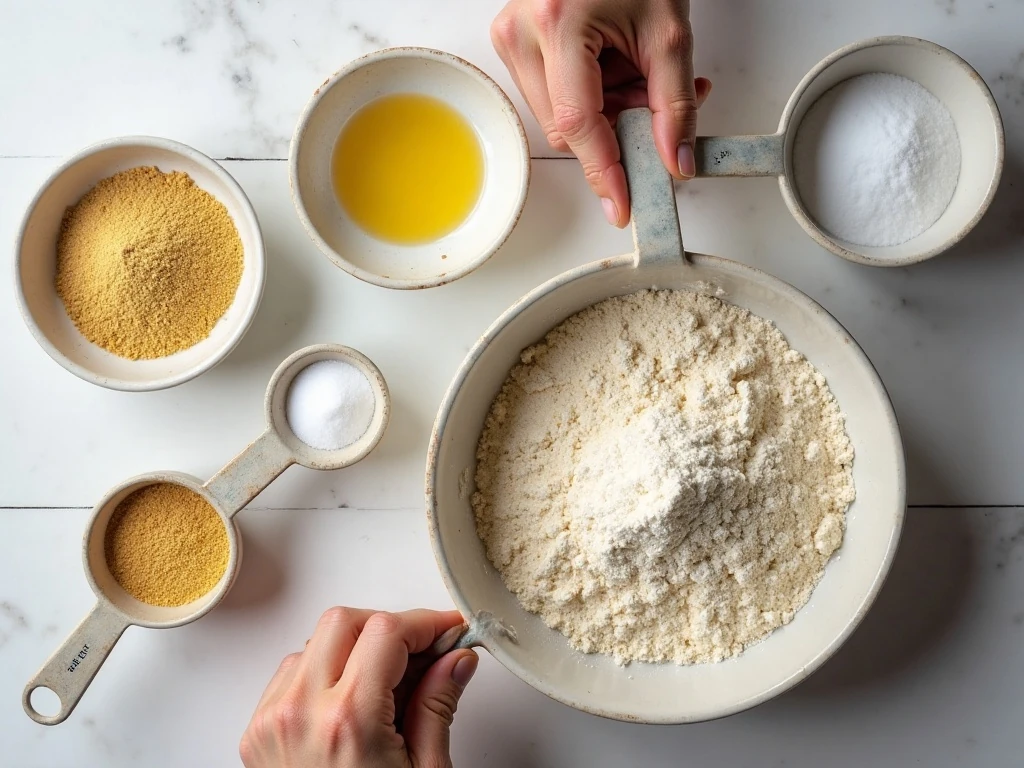
Use water between 105 and 115°F (40 and 46°C). It should feel pleasantly warm, never hot; water that is too hot can interfere with yeast activity.
Active dry yeast provides the lift, while granulated sugar supports the quick fermentation and adds a very subtle sweetness. Salt balances the flavor and helps keep the bread from tasting bland.
Begin with 3 cups of all-purpose flour, then add the remaining flour gradually. Depending on humidity, flour brand, and measuring technique, the dough may need anywhere from 3 1/2 to 4 cups total.
- Measure the flour by spooning it into a cup and leveling the top when possible.
- Keep cornmeal ready for the greased baking sheet so the loaf releases easily.
- Add 1 tablespoon of olive oil or melted butter only if you want a softer crust.
- Have a sharp knife or bread lame available for the diagonal slashes.
If you enjoy experimenting with visually distinctive loaves, our leopard bread recipe offers a completely different style of homemade baking.
How to Make It Step-by-Step
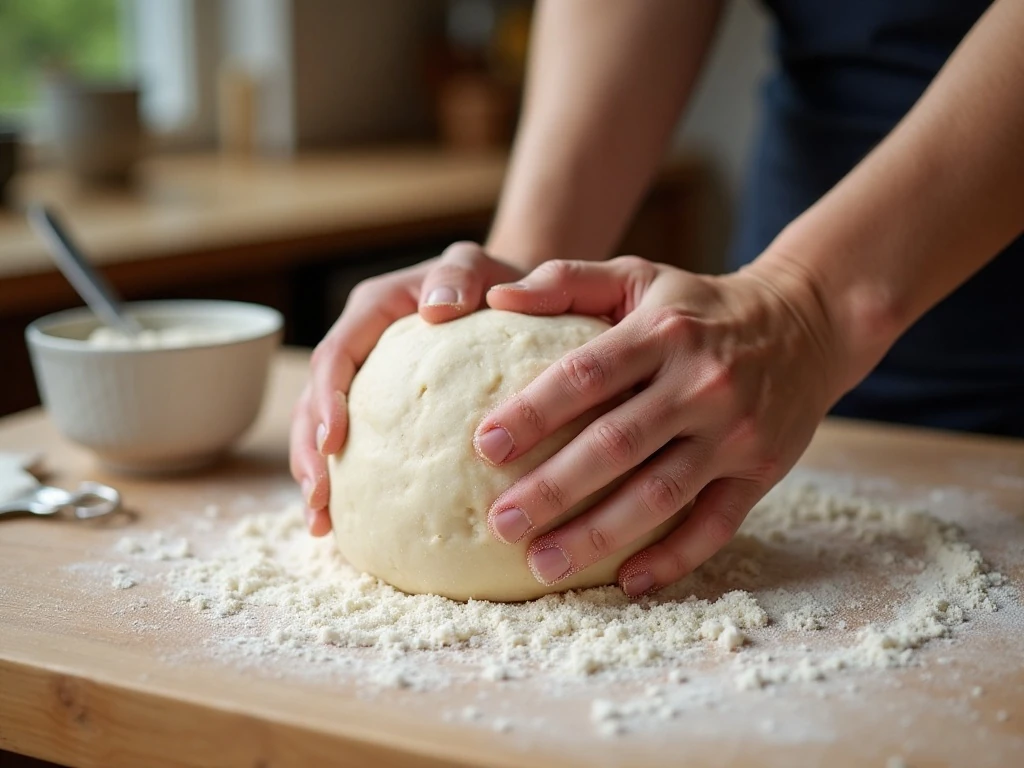
Step 1: Combine the warm water, active dry yeast, and sugar in a large mixing bowl. Stir gently and leave the bowl undisturbed for about 5 minutes, until a foamy layer forms on top; this shows that the yeast is active.
Step 2: Add the salt and about 3 cups of flour to the foamy yeast mixture. Stir until the flour is mostly absorbed, then add more flour a little at a time until the dough gathers into a soft, workable mass.
Step 3: Transfer the dough to a lightly floured work surface and knead for 5 to 7 minutes. Press, fold, and turn the dough until it becomes smooth and elastic, but stop before it turns dry or stiff because a slightly tacky dough produces a softer interior.
Step 4: Place the dough in a bowl, cover it, and let it rest in a warm place for 10 to 15 minutes. It may not double in size during this short rise, and that is fine; the dough simply needs time to relax and begin to develop.
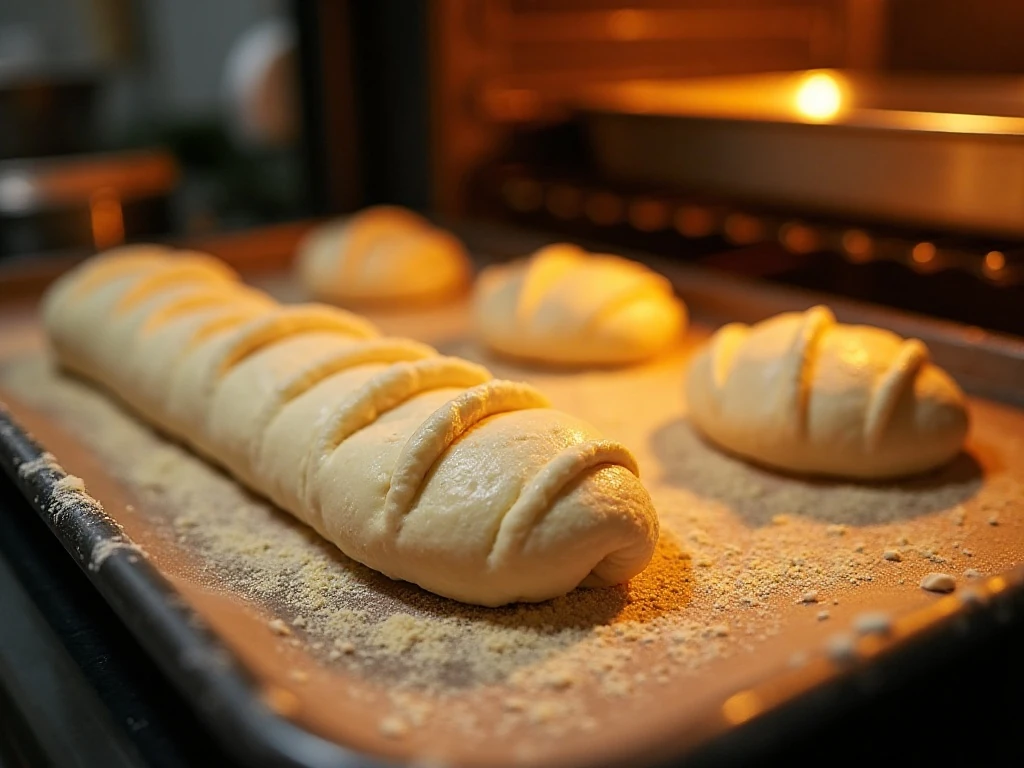
Step 5: Shape the dough into one long loaf for a classic French-bread look, or divide it into two smaller loaves for shorter baking and easier serving. Put the dough on a greased baking sheet dusted with cornmeal, then cut several diagonal slashes across the surface.
Step 6: Cover the shaped dough and let it rest for another 10 to 15 minutes. During this time, preheat the oven to 425°F (220°C), and place a shallow oven-safe pan inside if you plan to use steam.
Step 7: Bake the bread for 20 to 25 minutes, adding hot water carefully to the shallow pan as the loaf goes into the oven. Look for a deeply golden crust, listen for a hollow sound when the loaf is tapped, and use an instant-read thermometer if available; the center is generally done at 190–200°F (88–93°C).
Step 8: Move the bread to a cooling rack and wait at least 10 minutes before slicing. This brief pause allows the interior to finish setting, so the crumb stays tender instead of becoming gummy.
Pro Tips for a Crisp Crust
The most important texture tip is to resist adding too much flour. A dry, firm dough is easier to handle, but it can bake into a dense loaf; keep the dough slightly tacky and use lightly floured hands or a bench scraper when needed.
Steam helps the surface stay flexible during the first part of baking, allowing the bread to expand before the crust fully sets. To use this method, preheat a shallow pan in the oven and carefully add hot water once the bread goes in, keeping your face and hands away from the rising steam.
Make the diagonal cuts shortly before the second rest or immediately before baking. The slashes guide expansion and give the loaf its familiar French-bread appearance, while shallow or uneven cuts may not open as attractively.
- Use a thermometer when possible instead of judging doneness by color alone.
- Rotate the baking sheet only if your oven browns unevenly.
- Cool the loaf for at least 10 minutes before cutting.
- For a softer crust, brush the dough or finished bread with the optional olive oil or melted butter.
If you prefer a bread with a more olive-oil-forward character and a dimpled top, compare this loaf with our homemade focaccia recipe.
Serving, Storage, and Reheating

Serve the bread warm with salted butter, olive oil, or a bowl of soup. It is also excellent alongside pasta, roasted vegetables, salads, and hearty stews because the crisp crust is made for dipping and the tender center absorbs flavorful sauces.
For a simple appetizer, slice the loaf and toast it with garlic, herbs, and a little butter. You can also use thicker slices for open-faced sandwiches, bruschetta, or crunchy croutons.
Store completely cooled bread at room temperature in a paper bag or loosely wrapped in a clean kitchen towel. Avoid refrigerating it, since cold air can make bread stale more quickly.
To refresh the crust, warm the loaf in a 350°F oven for several minutes until the outside feels crisp again. If you have extra bread, slice it before freezing, then thaw and toast individual pieces as needed.
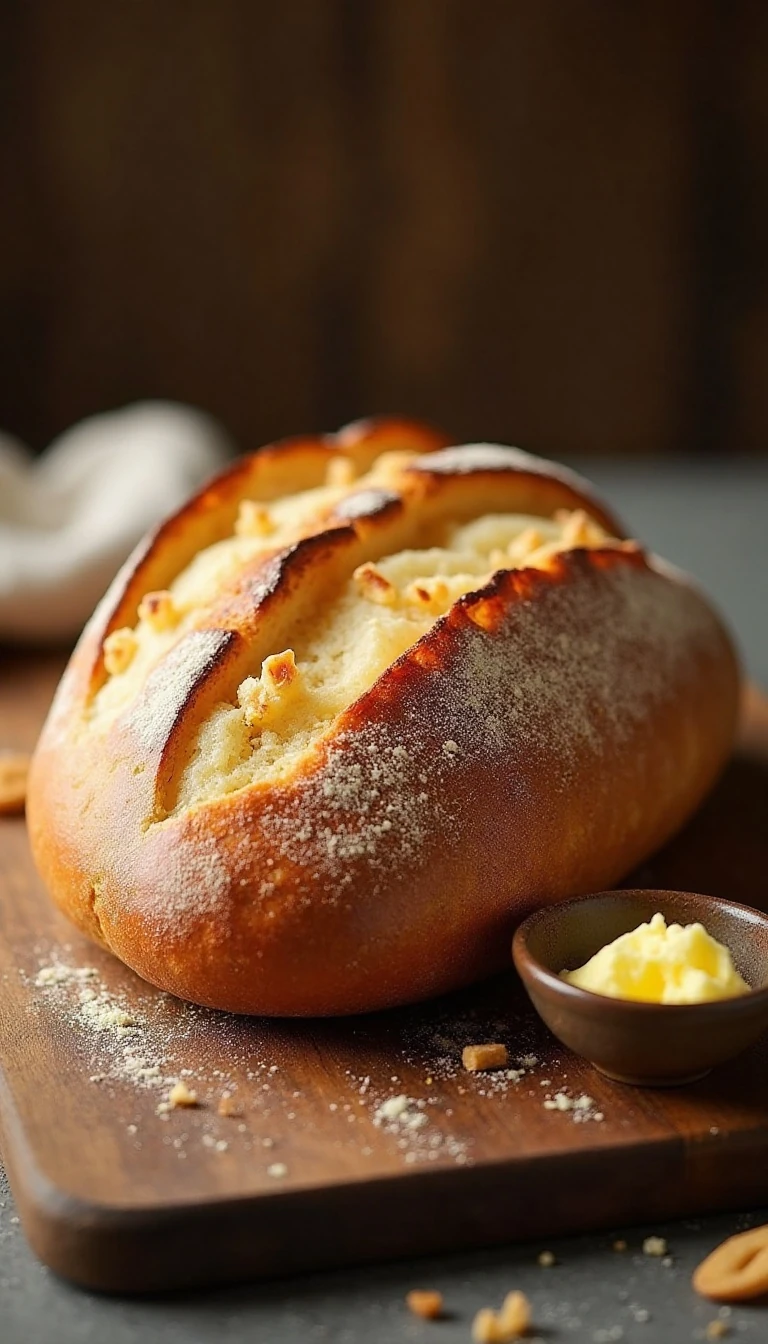
Crusty French Bread in Just One Hour
Ingredients
Method
- Stir the warm water, active dry yeast, and sugar together in a large bowl. Let the mixture stand for about 5 minutes, until the yeast looks foamy.
- Mix in the salt and approximately 3 cups of the flour. Add the remaining flour gradually, stirring until a soft, workable dough forms; include the optional olive oil or melted butter if you prefer a softer crust.
- Turn the dough onto a lightly floured surface and knead for 5 to 7 minutes, until smooth and elastic. Keep the dough slightly tacky and avoid adding excessive flour.
- Cover the dough and let it rest in a warm place for 10 to 15 minutes. This short rest gives the yeast time to begin developing the dough.
- Shape the dough into one long loaf or divide it into two smaller loaves. Place the shaped dough on a greased baking sheet dusted with cornmeal, then make several diagonal slashes across the top.
- Cover the shaped loaf or loaves and let them rest for another 10 to 15 minutes. Meanwhile, heat the oven to 425°F (220°C); for extra crustiness, place a shallow pan in the oven while it preheats.
- Bake for 20 to 25 minutes, carefully adding hot water to the shallow pan when the bread goes into the oven if using the steam method. The bread is ready when deeply golden and hollow-sounding when tapped, or when the center reaches about 190–200°F (88–93°C). Cool for at least 10 minutes before slicing.
Notes
Final Thoughts
This crusty French bread proves that fresh homemade bread does not require an all-day commitment. With accurate water temperature, careful flour additions, two short rests, and a hot 425°F oven, you can bring a golden loaf to the table in approximately one hour.
Give the bread at least 10 minutes to cool before slicing, then enjoy the contrast between its crisp crust and soft, warm center. For another tender quick bread to add to your baking list, try our pumpkin bread made with yogurt.
1 thought on “Crusty French Bread in Just One Hour”