This lemon velvet cake recipe makes one tender two-layer 9-inch cake in about 25–30 minutes of prep time and 25–32 minutes of baking. Cake flour, softened butter, neutral oil, buttermilk, fresh lemon zest, and lemon juice create a moist, fluffy crumb, while a creamy lemon cream-cheese frosting supplies the perfect tangy finish.
Each slice is buttery, bright, and delicately fragrant rather than sharply sour. The cake is soft enough for a celebration but easy enough for a weekend bake, making it a beautiful choice for birthdays, showers, afternoon tea, or any dessert table that needs a fresh citrus centerpiece.
Jump to RecipeWhy You’ll Love This Recipe
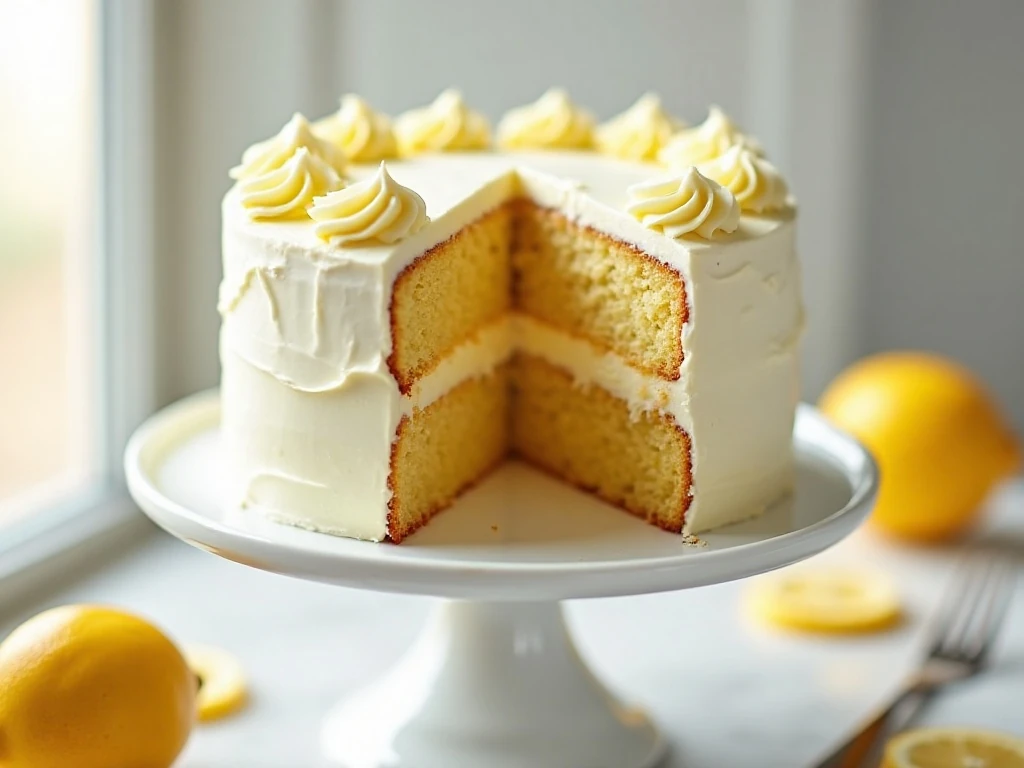
This lemon velvet cake has the tender texture associated with classic velvet cakes, but its flavor is unmistakably sunny and fresh. The combination of butter and oil gives the crumb both rich flavor and lasting moisture, so the cake remains soft even after chilling.
Buttermilk adds gentle acidity and helps balance the sweetness, while cake flour keeps the structure light. Fresh lemon zest does much of the aromatic work, giving every bite a fragrant lemon character that bottled juice alone cannot provide.
The two-layer format is practical as well as pretty. It offers enough cake for 10–12 servings without requiring a complicated decorating technique, and the lemon cream-cheese frosting looks lovely with nothing more than a swoop of a spatula and a sprinkle of zest.
If you are planning a full comfort-food menu, this bright dessert can follow a savory meal such as our lemon pan-fried fish without feeling too heavy.
Ingredients You’ll Need
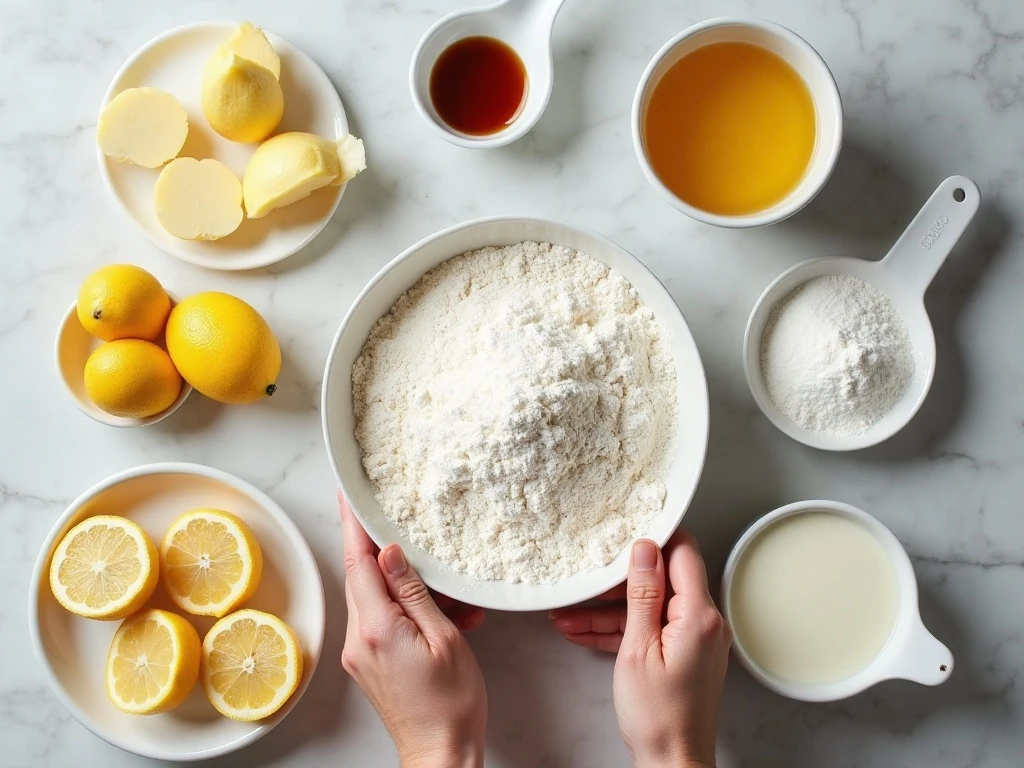
Gather the ingredients before you begin, and bring the butter, eggs, buttermilk, and cream cheese to room temperature. This simple preparation step helps the fats and liquids blend properly, which supports the fine, even crumb that makes a velvet cake special.
- Cake flour: Its lower protein content helps produce a soft, delicate texture.
- Butter and neutral oil: Butter contributes flavor, while oil helps the cake stay moist.
- Fresh lemons: You need zest for fragrance and juice for clean citrus acidity.
- Buttermilk: This adds tenderness and works with the baking soda and baking powder.
- Eggs and yolks: Whole eggs provide structure, while extra yolks add richness.
- Cream cheese frosting ingredients: Full-fat cream cheese, butter, powdered sugar, lemon, vanilla, and a pinch of salt create a smooth, tangy topping.
Zest the lemons before cutting them to juice them. A fine rasp-style grater removes the colorful outer peel without taking much of the bitter white pith underneath.
How to Make It Step-by-Step
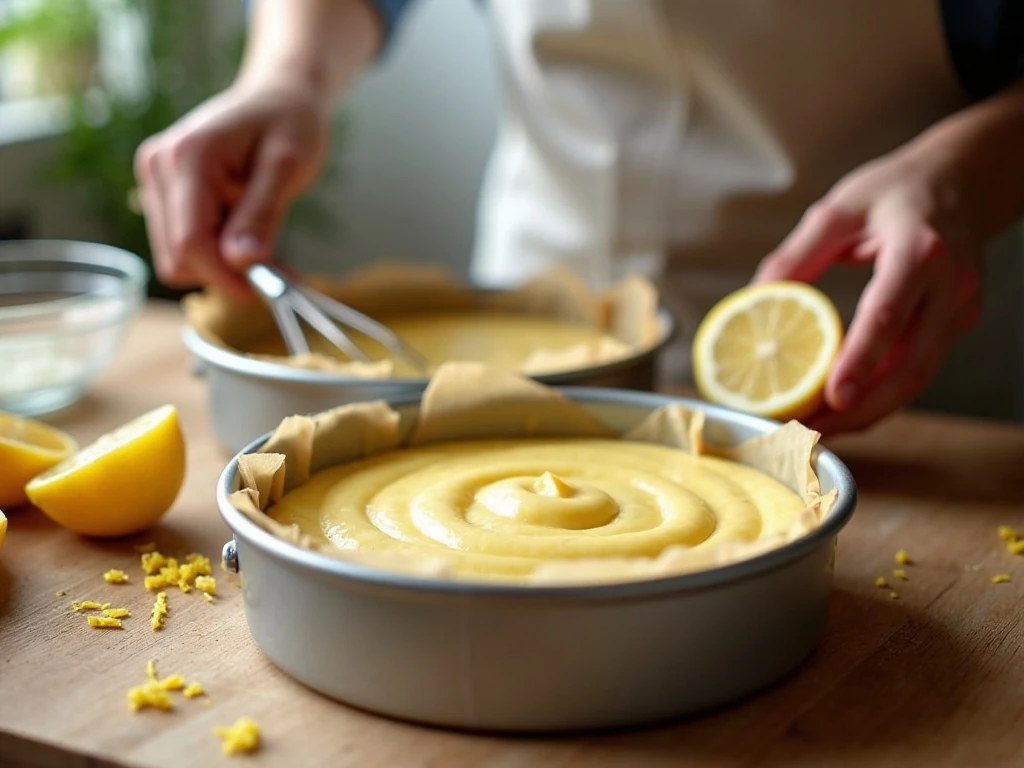
Step 1: Heat the oven to 350°F (175°C), then grease two 9-inch round cake pans. Line the bottoms with parchment and lightly flour the sides so the baked layers release cleanly.
Step 2: Whisk the cake flour, baking powder, baking soda, and fine salt in a bowl. Mixing these ingredients first distributes the leaveners evenly throughout the flour and helps prevent salty or dense patches.
Step 3: Place the softened butter, vegetable oil, and sugar in a large mixing bowl. Beat for 3–5 minutes, until the mixture is noticeably lighter in color and fluffy, because this creaming stage helps create air pockets in the finished cake.
Step 4: Add the four eggs and two egg yolks one at a time, mixing well after each addition. Scrape down the sides of the bowl, then beat in the lemon zest, fresh lemon juice, and vanilla extract.
Step 5: Add the dry ingredients in three additions, alternating them with the buttermilk in two additions. Begin and finish with the dry mixture, and stop mixing as soon as the batter looks smooth to avoid developing excess gluten.
Step 6: Divide the batter evenly between the prepared pans and smooth the tops. Bake for approximately 25–32 minutes, beginning to check a few minutes early; the centers should spring back lightly and a toothpick should show a few moist crumbs.
Step 7: Let the cakes cool in their pans for 10–15 minutes. Turn them out onto wire racks, remove the parchment, and allow them to cool completely before frosting so the cream cheese mixture does not melt.
Step 8: For the frosting, beat the softened cream cheese and butter until completely smooth. Add the sifted powdered sugar gradually, then beat in 1–2 tablespoons of lemon juice, the lemon zest, vanilla, and salt.
Step 9: Inspect the cooled layers and trim their tops if they have domed. Place one layer on a serving plate, spread frosting over it, add the second layer, and cover the top and sides with the remaining frosting.
Step 10: Refrigerate the assembled cake briefly if the frosting becomes soft while you work. Finish with a little finely grated lemon zest, then let the cake sit at room temperature briefly before serving for the best texture.
For another sweet treat with a crisp exterior and tender center, you can also try these easy homemade beignets when planning a brunch dessert spread.
Pro Tips for a Soft Velvet Crumb
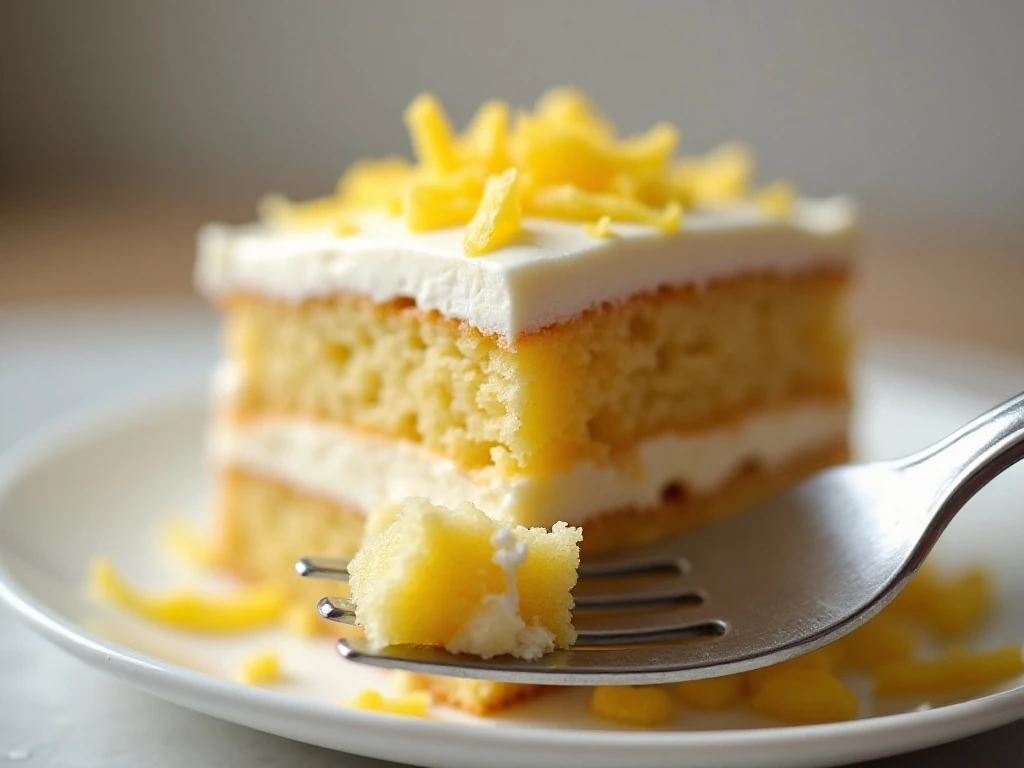
Room-temperature ingredients are one of the most important details in this recipe. Cold eggs or buttermilk can cause the butter mixture to seize, leaving the batter less uniform and the baked texture heavier.
Measure cake flour carefully by spooning it into a dry measuring cup and leveling the top, or use the listed gram weight. Too much flour is a common reason cakes turn out dry, especially when the batter is also mixed beyond the point of smoothness.
Fresh lemon zest provides concentrated aromatic oils, so do not skip it. If you want a more decorative finish, reserve a small amount of zest for the top rather than mixing every shred into the frosting.
- Start checking at about the 25-minute mark because ovens and pans vary.
- Use two pans of the same size so the layers bake at the same rate.
- Do not frost warm cake layers.
- Sift the powdered sugar for a smoother cream-cheese frosting.
- Chill the frosting or finished cake for a short time if it becomes too soft to spread.
The most important rule is to avoid overbaking. A few moist crumbs on the tester are desirable; waiting for a completely dry toothpick can remove the moisture that gives this cake its signature texture.
Frosting, Decorating, and Serving Ideas
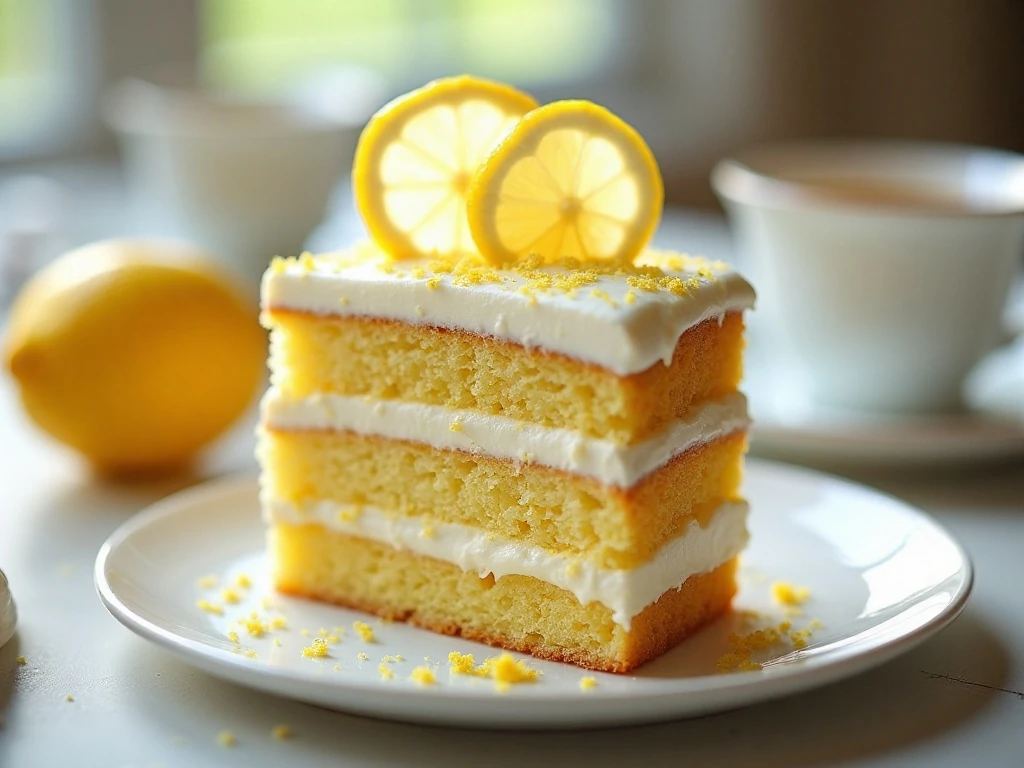
The lemon cream-cheese frosting is soft, tangy, and spreadable rather than stiff. For a simple finish, frost the cake in relaxed swirls and scatter lemon zest across the top.
Thin lemon slices can be arranged around the edge just before serving, but pat them dry first so excess juice does not run into the frosting. Edible flowers, small white sprinkles, or a light dusting of powdered sugar can also make the cake feel festive without hiding its pale lemon color.
Serve slices slightly cool or at a comfortable room temperature. The cake pairs especially well with unsweetened tea, coffee, or sparkling water with lemon.
If you are assembling a larger casual gathering, balance this dessert with savory favorites such as easy cheeseburger dip for an inviting sweet-and-savory table.
Storage and Make-Ahead Advice
Because the frosting contains cream cheese, store the finished cake covered in the refrigerator. It is best enjoyed within several days, and allowing each slice to stand briefly before eating helps the crumb soften and the lemon flavor come forward.
The unfrosted cake layers may be wrapped well once completely cool and held for assembly. If you are preparing dessert ahead of time, frost the cake, cover it carefully, and refrigerate it; avoid leaving it uncovered because cake absorbs refrigerator odors and can dry at the edges.
For a broader baking day, our super moist banana bread is another dependable option that can be prepared alongside this cake. When planning the meal itself, simple sides such as easy roasted potatoes can round out the savory course before dessert.
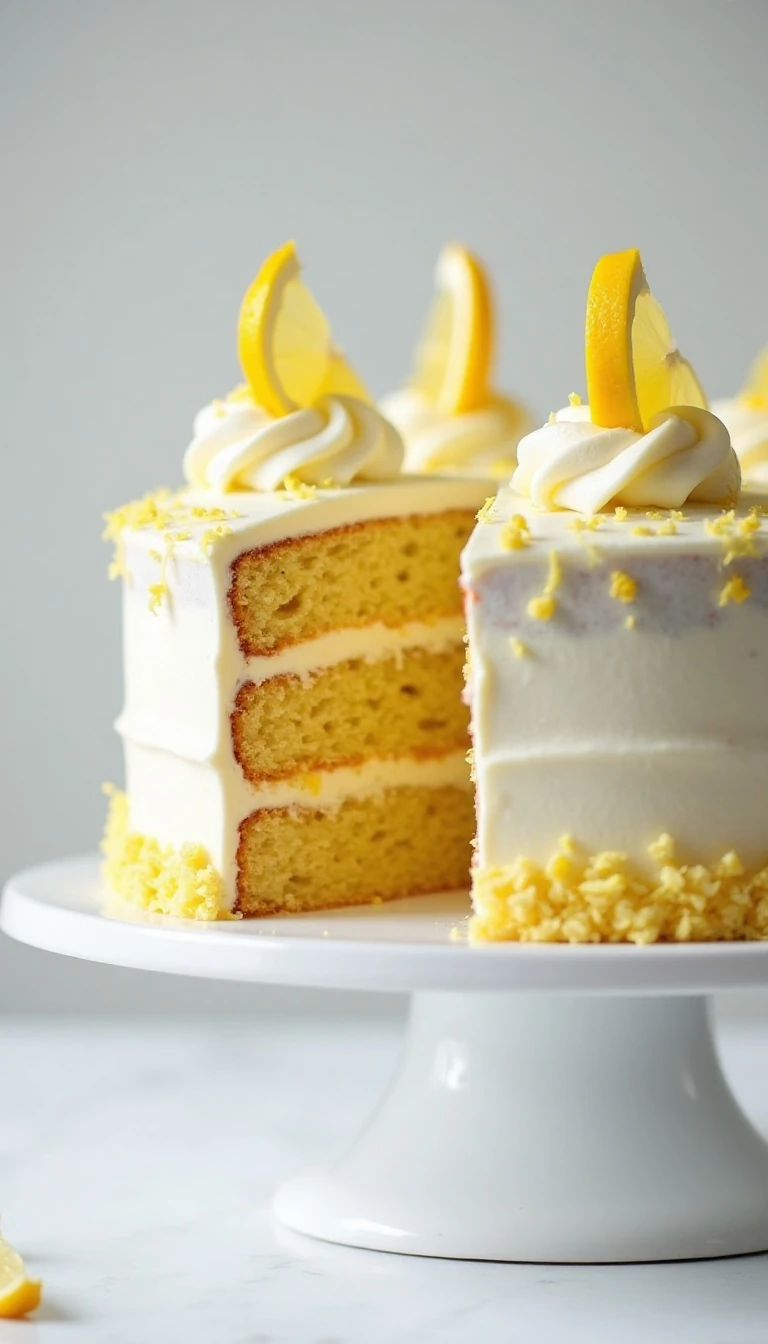
The Ultimate Lemon Velvet Cake
Ingredients
Method
- Heat the oven to 350°F (175°C). Grease two 9-inch round cake pans, line the bottoms with parchment, and lightly flour the sides.
- Whisk the cake flour, baking powder, baking soda, and salt together in a medium bowl.
- Beat the softened butter, oil, and granulated sugar for 3–5 minutes, until very light and fluffy.
- Add the eggs and egg yolks one at a time, mixing well after each addition. Beat in the lemon zest, lemon juice, and vanilla extract.
- Add the dry mixture in three additions, alternating with the buttermilk in two additions. Mix only until smooth, scraping the bowl as needed.
- Divide the batter evenly between the prepared pans. Bake for 25–32 minutes, until the centers spring back lightly and a toothpick comes out with a few moist crumbs.
- Cool the cakes in their pans for 10–15 minutes, then turn them onto wire racks and cool completely.
- Beat the cream cheese and butter until smooth. Gradually add the powdered sugar, then mix in the lemon juice, zest, vanilla, and salt.
- Level the cake layers if needed, fill and frost the cake, and refrigerate it briefly if the frosting becomes soft.
Notes
Final Thoughts
This ultimate lemon velvet cake succeeds because every ingredient has a clear purpose: cake flour keeps the crumb tender, butter brings flavor, oil protects moisture, buttermilk adds softness, and fresh lemon gives the cake its vivid fragrance. The result is a light yet satisfying layer cake that tastes special without demanding advanced decorating skills.
Take the time to use room-temperature ingredients, cream the butter and sugar thoroughly, and stop mixing once the flour disappears. Bake by visual and texture cues rather than time alone, cool the layers fully, and you will have a moist, fluffy lemon cake ready for any celebration.
Make it your own with a generous layer of frosting, a little extra zest, or a polished garnish of lemon slices. Once you taste the tender crumb with the tangy cream-cheese topping, this easy recipe is likely to become a regular favorite in your dessert rotation.