This easy lemon pepper shrimp recipe delivers juicy, perfectly cooked shrimp in about 15 to 20 minutes. Large shrimp are seasoned with lemon-pepper seasoning and paprika, quickly seared in olive oil and butter, then finished with garlic, fresh lemon juice, lemon zest, and parsley for a bright skillet dinner that serves four.
Every bite is buttery, garlicky, citrusy, and pleasantly peppery without feeling heavy. Serve the shrimp over rice, toss them with pasta, spoon them over roasted vegetables, or pair them with crusty bread to catch every drop of the lemon butter sauce.
Jump to RecipeWhy You’ll Love This Recipe
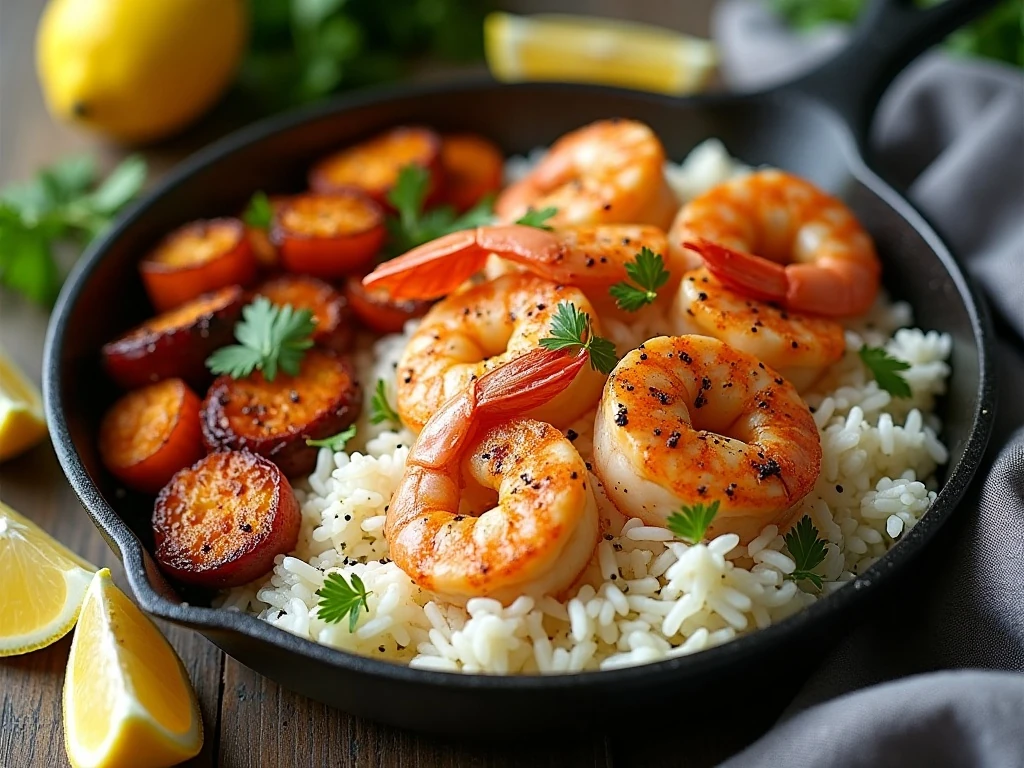
This lemon pepper shrimp recipe is built for busy evenings when you want a homemade meal without a long ingredient list or a sink full of dishes. The shrimp cook in one skillet, and the sauce comes together in the same pan in less than a minute.
The flavor is especially fresh because it uses both lemon juice and finely grated zest. Juice supplies lively acidity, while zest adds fragrant citrus oils that stay noticeable even after the shrimp are tossed with butter and garlic.
The recipe is also flexible enough for a casual weeknight dinner or a quick meal for guests. Keep the tails on for a pretty presentation, or remove them before cooking for easy serving over rice or pasta.
For another savory noodle-centered seafood dinner, you can also check out our shrimp lo mein recipe.
Ingredients You’ll Need

You need only a handful of straightforward ingredients, but each one has a clear job in the finished dish. Choose large shrimp that are already peeled and deveined if you want to make preparation even faster.
- Large shrimp: One pound provides four servings. Fresh or thawed frozen shrimp both work well, as long as they are drained and patted dry.
- Olive oil and unsalted butter: Oil helps the butter withstand the skillet heat, while butter gives the shrimp a rich, silky finish.
- Garlic: Three minced cloves add savory depth. It goes into the pan near the end so it becomes fragrant rather than scorched.
- Lemon-pepper seasoning: Use 1 to 1 1/2 teaspoons, depending on how bold and salty your blend is.
- Fresh lemon: One tablespoon of juice and one teaspoon of zest create a brighter flavor than bottled juice alone.
- Parsley and paprika: Parsley adds freshness at the end, while the optional 1/4 teaspoon of paprika gives the shrimp attractive color.
Because many lemon-pepper seasonings already contain salt, do not automatically salt the raw shrimp. Taste the completed sauce first, then add a small amount only if necessary.
How to Make It Step-by-Step
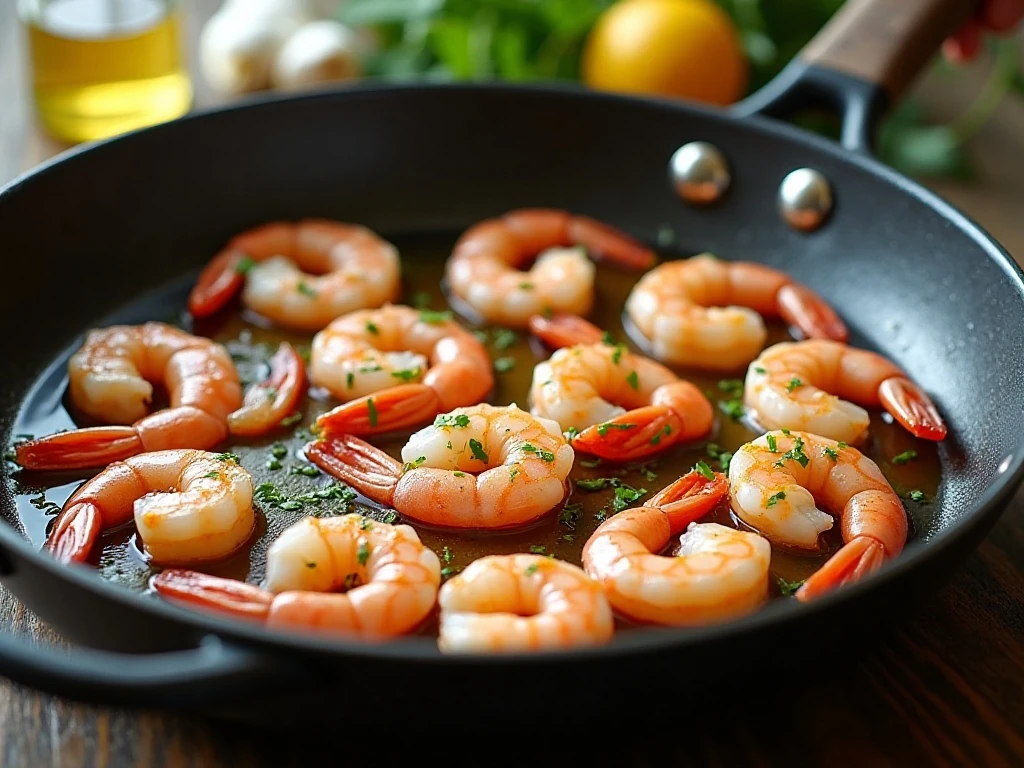
Step 1: Prepare the shrimp by peeling and deveining them if needed, leaving the tails on or removing them according to your preference. Pat every shrimp thoroughly with paper towels; removing surface moisture helps the shrimp brown instead of steam.
Step 2: Place the dry shrimp in a bowl and toss them with 1 to 1 1/2 teaspoons of lemon-pepper seasoning and the optional 1/4 teaspoon of paprika. Mix gently so the seasoning coats all sides, but wait to add extra salt until after cooking.
Step 3: Set a large skillet over medium-high heat and add 1 tablespoon of olive oil along with 1 tablespoon of the unsalted butter. Once the butter melts and the pan is hot, arrange the shrimp in a single layer with space between them.
Step 4: Cook the shrimp for about 2 minutes on the first side, then turn them and cook for about 2 minutes more. They should be pink, opaque, and just cooked through, curling into a loose C shape rather than a tight O.
Step 5: Reduce the heat to medium and add the remaining 1 tablespoon of butter and the 3 minced garlic cloves. Stir for 30 to 60 seconds, just until the garlic smells fragrant; adding it now prevents it from burning while the shrimp cook.
Step 6: Pour in 1 tablespoon of fresh lemon juice and add 1 teaspoon of finely grated lemon zest. Toss the shrimp through the warm sauce so every piece is coated, then taste and adjust with salt only if the seasoning needs it.
Step 7: Remove the skillet from the heat and scatter the chopped parsley over the shrimp. Serve immediately while the sauce is glossy and warm, spooning any remaining lemon butter from the pan over the top.
Chef’s Tips for Juicy Shrimp
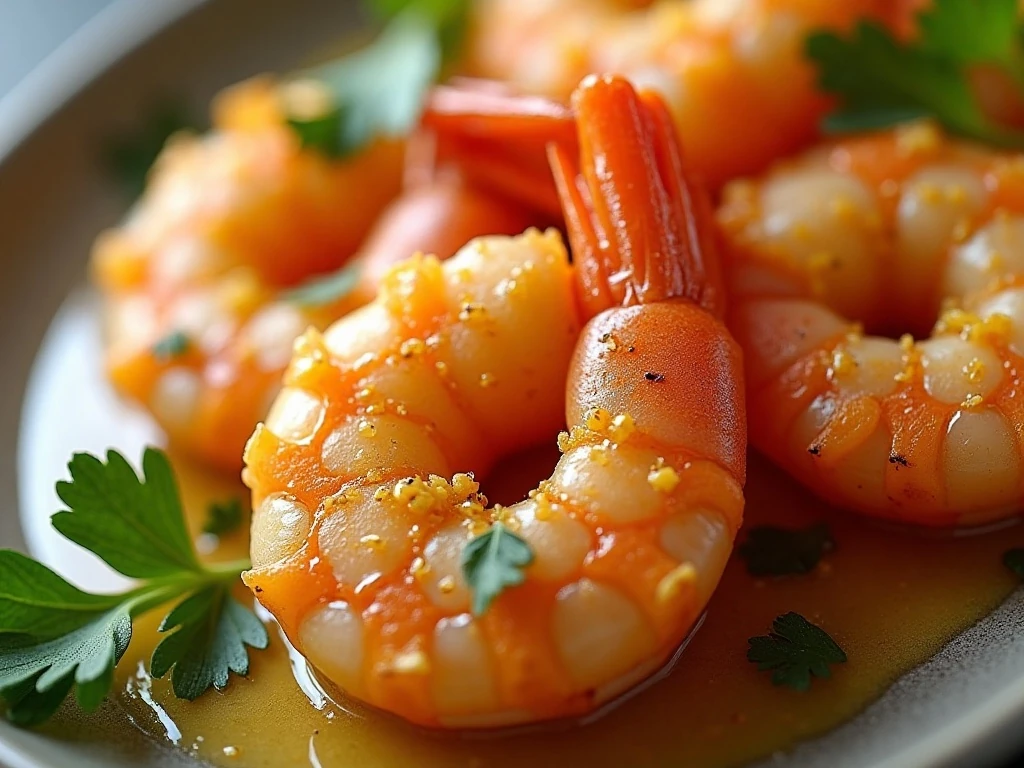
Dry shrimp are the starting point for good browning. Even if the shrimp look clean after thawing, blot them carefully because excess water can cool the pan and create steam.
Use a skillet large enough to hold the shrimp in one layer. If the shrimp are crowded, they may cook unevenly and release liquid instead of developing light golden edges.
Watch the clock closely because large shrimp generally need only about 4 to 5 minutes total. Their best texture is tender and springy, with a loose C shape and an internal temperature of 145°F/63°C.
Garlic should be added after the shrimp are nearly finished. Thirty to 60 seconds is enough time to release its aroma without giving it a chance to turn bitter or dark.
Fresh zest makes a meaningful difference. Grate only the colored outer peel and avoid the white pith underneath, which can add unwanted bitterness.
If your lemon-pepper blend is strongly salted, rely on it as the primary seasoning. A final taste is more reliable than salting by habit, especially because the butter and lemon also affect the overall balance.
Serving Ideas

Serve the shrimp over steamed white rice, brown rice, or another favorite grain so the lemon butter sauce has somewhere to collect. A spoonful of sauce over the rice makes the meal feel complete with almost no extra work.
For a pasta dinner, toss the shrimp and pan sauce with cooked noodles just before serving. Add a splash of pasta cooking water if you want the sauce to coat the noodles more evenly.
Roasted vegetables such as broccoli, asparagus, zucchini, or bell peppers make colorful companions. Crusty bread is another excellent choice for soaking up the garlic, butter, and lemon left in the skillet.
For a contrasting sweet and creamy side, consider serving a small portion of Cool Whip ambrosia salad after dinner. Its chilled fruit flavor offers a refreshing finish alongside the savory seafood.
Storage and Reheating
For the best texture, serve lemon pepper shrimp immediately. If you have leftovers, transfer them to a covered container and refrigerate them promptly.
Reheat the shrimp gently in a skillet over medium-low heat with a small spoonful of water or additional butter. Warm them only until heated through, since extended cooking can make shrimp rubbery.
You can also enjoy chilled leftovers over a salad or grain bowl. Add a fresh squeeze of lemon just before serving to brighten the refrigerated sauce.
This dish is best made fresh rather than frozen after cooking. The quick skillet method is so short that preparing a new batch usually produces a much better texture than storing it for a long period.
Frequently Asked Questions
Can I use frozen shrimp? Yes, thaw them completely and drain them well before patting them dry. Frozen shrimp contain extra surface moisture, so careful drying is especially important.
How do I know when shrimp are done? They should be pink on the outside, opaque through the center, and curled into a loose C shape. If you use a thermometer, the internal temperature should reach 145°F/63°C.
Can I leave the tails on? Absolutely. Tails add visual appeal and can contribute a little flavor, while tail-off shrimp are more convenient for serving in pasta, rice, or bowls.
What if my seasoning is salty? Skip extra salt at the beginning and taste the finished shrimp after the lemon juice and butter are added. Add salt only if the dish truly needs it.
For another warming meal to round out a seafood menu, our cabbage and sausage soup makes a hearty option for a different night.
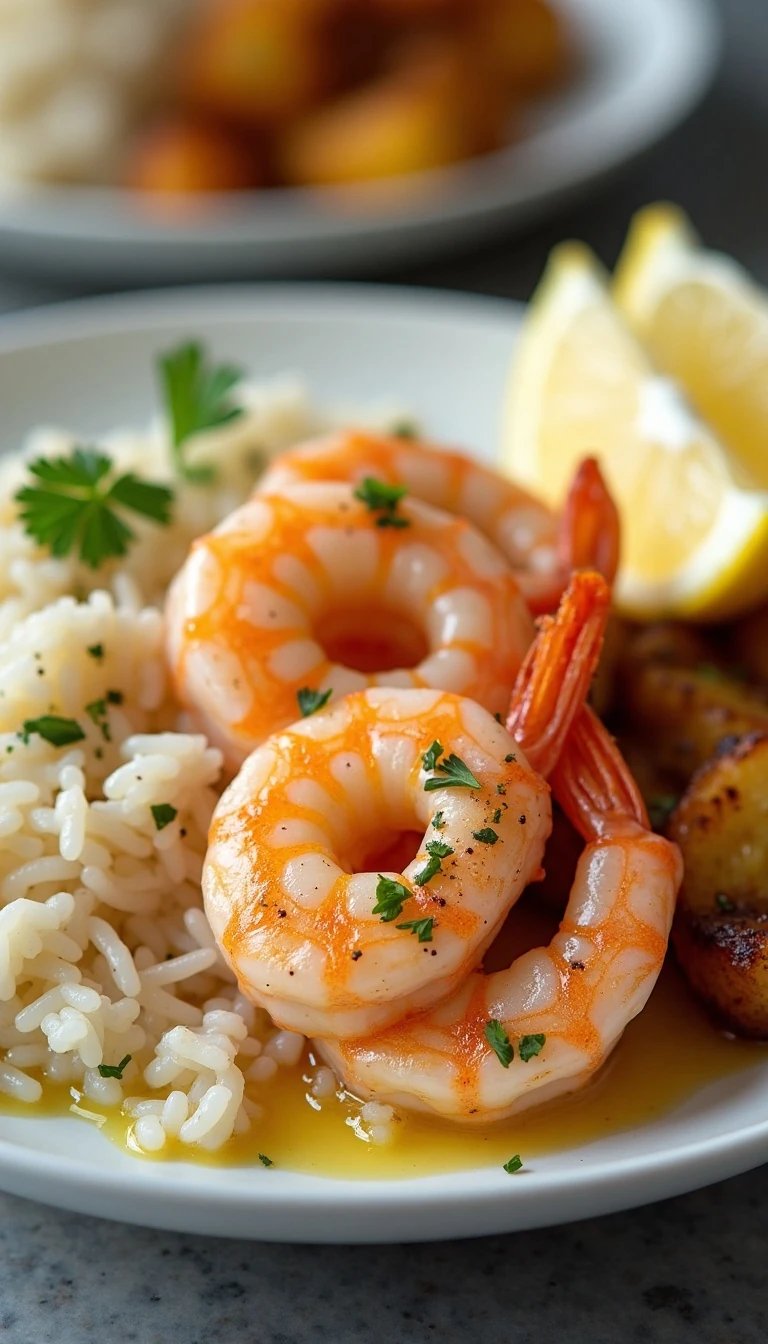
Easy Lemon Pepper Shrimp Recipe
Ingredients
Method
- Pat the shrimp very dry with paper towels. Toss them with the lemon-pepper seasoning and optional paprika, holding back extra salt until the shrimp are cooked.
- Heat the olive oil and 1 tablespoon of butter in a large skillet over medium-high heat. Add the shrimp in a single layer and cook for about 2 minutes per side, until pink, opaque, and just cooked through.
- Reduce the heat to medium and add the remaining 1 tablespoon of butter and minced garlic. Cook for 30 to 60 seconds, stirring, until the garlic is fragrant but not browned.
- Stir in the fresh lemon juice and lemon zest. Toss the shrimp through the pan sauce, taste, and add salt only if needed.
- Sprinkle with chopped parsley and serve immediately with rice, pasta, roasted vegetables, or crusty bread.
Notes
Final Thoughts
Easy lemon pepper shrimp proves that a fast dinner can still taste fresh, rich, and carefully prepared. Dry shrimp, a hot skillet, late-added garlic, and a combination of lemon zest and juice are the small details that make this recipe reliably delicious.
In just 5 to 7 minutes of cooking, you get tender shrimp coated in a glossy garlic-lemon butter sauce. Pair the skillet with rice, pasta, vegetables, or bread, garnish with parsley, and serve it right away for the brightest flavor and best texture.
1 thought on “Easy Lemon Pepper Shrimp Recipe (Quick & Flavorful)”