The best chow mein recipe is a fast, savory stir-fry made with springy noodles, crisp cabbage, sweet carrot, onion, garlic, and a glossy sauce of light soy sauce, oyster sauce, sesame oil, sugar, and white pepper. This quick and easy version takes about 25–30 minutes from start to finish and makes 3–4 satisfying servings, with optional thinly sliced chicken for extra protein.
Every bite brings together smoky wok flavor, tender noodles, lightly crisp vegetables, and a balanced sauce that tastes like your favorite Chinese restaurant. The secret is using high heat, draining the noodles thoroughly, and adding the vegetables in a way that keeps them colorful and pleasantly crunchy instead of soft.
Jump to RecipeWhy You’ll Love This Recipe

This chow mein is the kind of dinner that solves a busy-night craving without requiring a long ingredient list or complicated technique. The noodles cook quickly, the vegetables need only a few minutes in the pan, and the sauce comes together in one small bowl.
The texture is what makes this recipe special. Instead of limp noodles and overcooked vegetables, you get springy strands, tender cabbage, crisp carrot, and fragrant onion in every forkful.
It is also easy to customize without losing the character of the dish. Keep it vegetarian, add chicken, or swap in another favorite protein depending on what is available in your refrigerator.
If you enjoy noodle dinners with a different style of sauce, our shrimp lo mein recipe is another delicious option to add to your weeknight rotation.
Ingredients You’ll Need
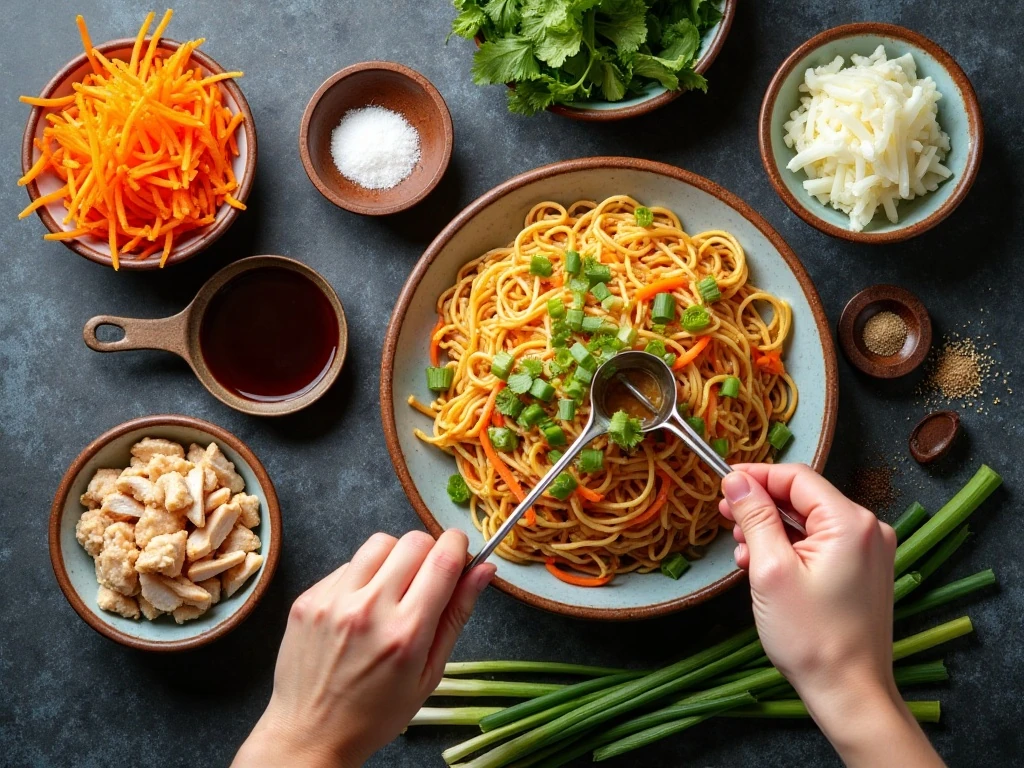
Start with 8 ounces of dried chow mein noodles or fresh chow mein or lo mein noodles. Fresh noodles can be especially convenient, but dried noodles work beautifully when cooked according to their package directions and drained well.
- Vegetables: Two cups of finely shredded green cabbage, one thinly sliced half onion, one julienned carrot, two sliced green onions, and optional bean sprouts create color and crunch.
- Aromatics: Two finely minced garlic cloves provide the savory fragrance that makes the whole kitchen smell inviting.
- Optional chicken: Use 8 ounces of boneless chicken breast or thigh, sliced thinly across the grain. Thigh meat stays particularly juicy, while breast meat cooks quickly and remains light.
- Cooking oil: Choose a neutral oil with a high enough smoke point for a very hot wok or skillet.
The sauce is simple but carefully balanced. Light soy sauce supplies salt and umami, oyster sauce adds depth, toasted sesame oil contributes a nutty aroma, sugar rounds out the savory flavors, and white pepper gives the noodles a gentle warmth.
Have everything sliced and measured before turning on the burner. Stir-frying is fast, so preparation prevents the garlic from burning while you search for the sauce ingredients.
How to Make It Step-by-Step
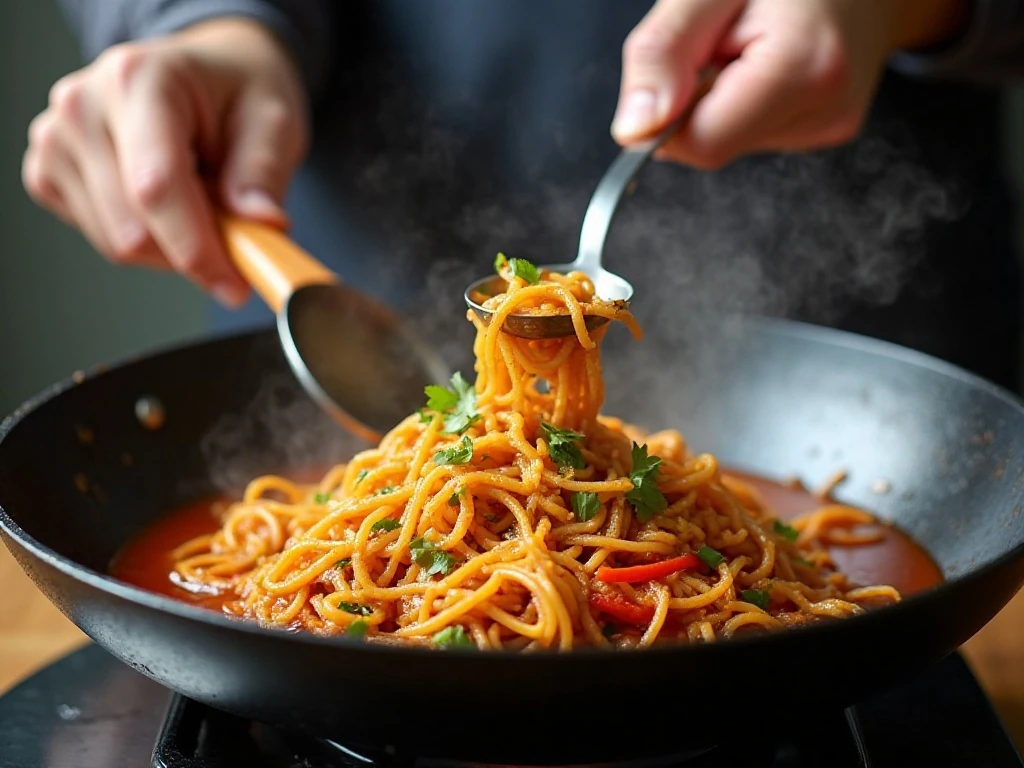
Step 1: Whisk the light soy sauce, oyster sauce, toasted sesame oil, sugar, and ground white pepper together in a small bowl. If the mixture seems thick, add the tablespoon of water to make it easier to pour evenly over the noodles.
Step 2: Cook the chow mein noodles according to the package directions, taking care not to overcook them. Drain them extremely well, rinse briefly under cool water if they are sticky, and toss with a few drops of oil so they do not clump.
Step 3: If you are adding chicken, slice it thinly across the grain and season it lightly with salt and pepper. Arrange the chicken, cooked noodles, vegetables, sauce, and garnishes beside the stove before cooking begins.
Step 4: Place a wok or large skillet over high heat and let it become hot before adding the oil. Add the chicken and stir-fry for about 3–5 minutes, turning frequently, until just cooked through; remove it to a plate so it does not overcook.
Step 5: Add the onion, garlic, cabbage, and carrot to the same pan. Stir-fry for 2–3 minutes, moving everything constantly so the vegetables soften slightly while keeping their color and crisp texture.
Step 6: Add the drained noodles and pour the sauce around the pan. Toss continuously for 2–3 minutes, using tongs or two spatulas to lift and turn the noodles until every strand is glossy and seasoned.
Step 7: Return the cooked chicken to the pan and add the bean sprouts and green onions if using. Continue stir-frying for another 30–60 seconds, which is enough time to warm the protein and keep the sprouts fresh and crunchy.
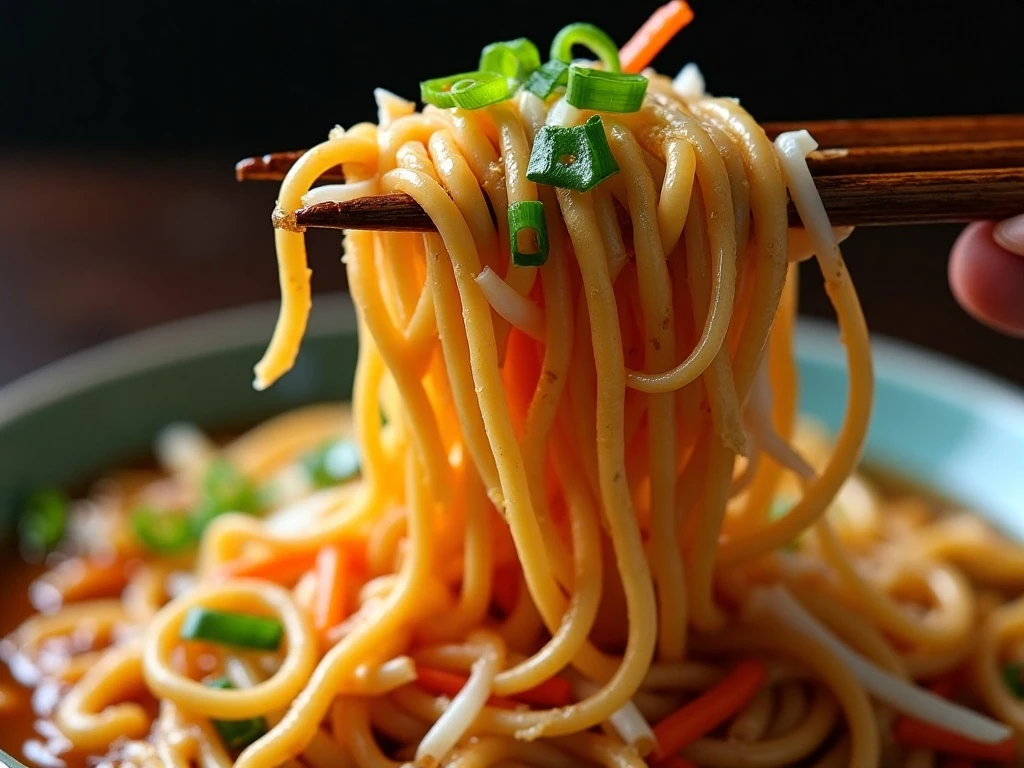
Step 8: Transfer the chow mein to serving bowls or a large platter and scatter the reserved green onions over the top. Serve immediately, while the noodles are hot, springy, and fragrant.
Pro Tips for Restaurant-Style Chow Mein
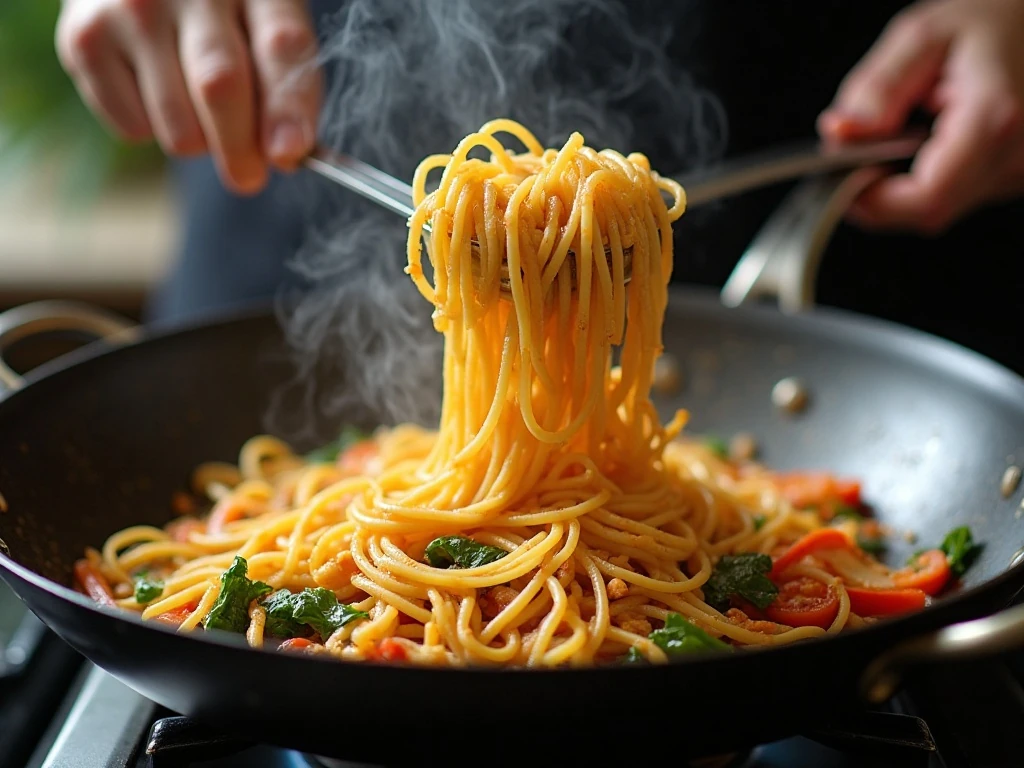
Use maximum heat. A very hot, wide wok or skillet helps the ingredients stir-fry instead of steam. This creates lightly smoky wok flavor and keeps the cooking time short.
Do not overcrowd the pan. If your skillet is small, cook in batches or use a larger pan. Too many ingredients at once lower the temperature, release moisture, and can make the noodles soft.
Drain the noodles completely. Water left clinging to the noodles dilutes the sauce and interferes with browning. A brief cool rinse is useful when noodles are sticky, but they should be well drained before entering the wok.
Keep the vegetables slightly crisp. They continue cooking after the noodles and sauce are added, so remove them from the heat while they still have a little bite. This contrast is one of the best parts of homemade chow mein.
Toss rather than stir slowly. Lift and turn the noodles so the sauce coats them evenly without breaking them apart. Tongs work well for long noodles, while two spatulas make it easier to toss a larger batch.
Easy Variations and Serving Ideas
For a saltier version, add 1–2 additional teaspoons of soy sauce, tasting carefully because oyster sauce also contributes salt. A teaspoon of Shaoxing wine or dry sherry in the sauce adds a traditional stir-fry note without changing the basic method.
Chicken is optional, and the recipe welcomes shrimp, pork, beef, or tofu. Add seafood only until cooked through, and make sure firmer proteins are sliced thinly so they finish within the short stir-fry time.
To make a vegetarian version, leave out the chicken and check that your oyster sauce is suitable for your needs, or use an appropriate vegetarian oyster-style sauce. Extra mushrooms, snow peas, or bell pepper can also be added, provided the pan remains spacious.
Serve the noodles as a complete meal or pair them with a simple side. For a contrasting sweet finish after dinner, try this cool whip ambrosia salad with its creamy fruit and coconut combination.
Storage and Reheating
Chow mein is best served immediately, but leftovers can be cooled promptly and stored in a covered container in the refrigerator. Keep the noodles separate from any fresh garnish if you want the green onions to remain bright.
Reheat leftovers in a hot skillet or wok with a small splash of water or oil. Toss just until hot, avoiding prolonged cooking that can make the noodles dry and the vegetables too soft.
For a larger meal, double the ingredients but stir-fry in batches rather than filling one small pan. This preserves the high heat that gives the dish its best texture.
If you are planning a noodle-and-protein dinner spread, sliced pork can also be served alongside this chow mein; our baked garlic pork tenderloin offers a hearty complementary main.

The Best Chow Mein Recipe: Quick and Easy Chow Mein
Ingredients
Method
- Mix the light soy sauce, oyster sauce, toasted sesame oil, sugar, and ground white pepper in a small bowl. Stir in the water only if the sauce needs loosening.
- Cook the noodles according to the package directions. Drain them extremely well, rinse briefly under cool water if sticky, and toss with a few drops of oil.
- If using chicken, slice it thinly across the grain and season lightly with salt and pepper. Keep the prepared chicken, vegetables, noodles, and sauce close to the stove because the stir-fry moves quickly.
- Heat a wok or large skillet over high heat until hot, then add the neutral oil. Stir-fry the chicken, if using, for about 3–5 minutes until just cooked through, then transfer it to a plate.
- Add the onion, garlic, cabbage, and carrot to the hot pan. Stir-fry for 2–3 minutes, keeping the vegetables brightly colored and slightly crisp.
- Add the drained noodles and prepared sauce. Toss continuously for 2–3 minutes until the noodles are hot and evenly coated.
- Return the chicken to the pan, then add the bean sprouts and green onions if using. Stir-fry for another 30–60 seconds, just long enough to warm everything through.
- Serve the chow mein immediately with extra sliced green onion on top. Enjoy it while the noodles are springy and the vegetables still have a pleasant bite.
Notes
Final Thoughts
This quick and easy chow mein recipe delivers everything you want from a restaurant-style noodle stir-fry: savory sauce, fragrant garlic, springy noodles, colorful vegetables, and plenty of satisfying texture. With a 10–15 minute prep time and 10–15 minute cook time, it is practical enough for a weeknight but delicious enough to serve to guests.
Prepare the ingredients before heating the wok, keep the pan hot, and drain the noodles thoroughly. Once you master those simple details, you can make this flavorful chow mein again and again with chicken, shrimp, tofu, or no meat at all.
Serve it straight from the pan with extra green onion and enjoy every glossy, savory bite. This is a dependable homemade favorite that turns a handful of everyday ingredients into a memorable meal.